

Watch your dog the next time tears start to fall. They often pad over without hesitation, resting a head on your knee or offering a quiet nudge. It raises a quiet question about what they take in during those moments and whether those scenes linger for them in some lasting way.
People have long noticed this pattern, and recent studies lend some weight to the idea that dogs tune into human sadness with surprising sensitivity. The details of how they process and retain those experiences remain a bit murkier, yet the connection feels real enough to explore further.
Dogs Sense Distress in Remarkable Ways

Dogs pick up on subtle cues like tone of voice, body posture, and even scent changes when someone is upset. They do not need dramatic displays to notice a shift in mood. This awareness seems built into how they navigate social situations with people they know well.
Owners often describe their pets approaching during quiet moments of sadness rather than only during loud outbursts. The response can feel instinctive, as if the dog is reading the room without any training. Such behavior points to an ability that goes beyond simple obedience or routine.
Research Reveals Empathetic Responses

Experiments have shown dogs reacting more quickly and attentively when their person appears distressed compared with neutral situations. They may nuzzle, lick, or simply stay close in ways that suggest concern rather than random curiosity. These patterns hold across different studies involving both familiar owners and strangers.
One consistent finding involves dogs showing increased stress markers themselves when exposed to crying sounds. Their cortisol levels rise in tandem with the emotional signal, mirroring a kind of shared response. This physiological link adds depth to the everyday observation that dogs seem to care when we are low.
Memory Plays a Role in Emotional Recognition
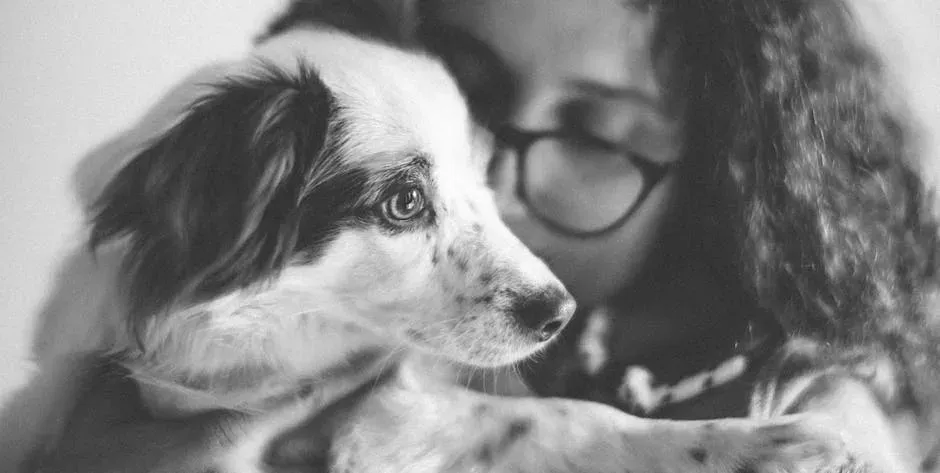
Dogs rely heavily on associative memory, linking certain people or places with past feelings and outcomes. A strong emotional event can strengthen those connections over repeated exposures. While they may not replay specific scenes like humans do, the overall impression of comfort or tension can stick.
Long term recognition of individuals often ties back to these emotional layers rather than isolated facts. Scent and routine reinforce the bond, making future interactions smoother or more protective. This form of memory helps explain why some dogs become especially attentive after periods of shared vulnerability.
Associative Bonds Strengthen Over Time
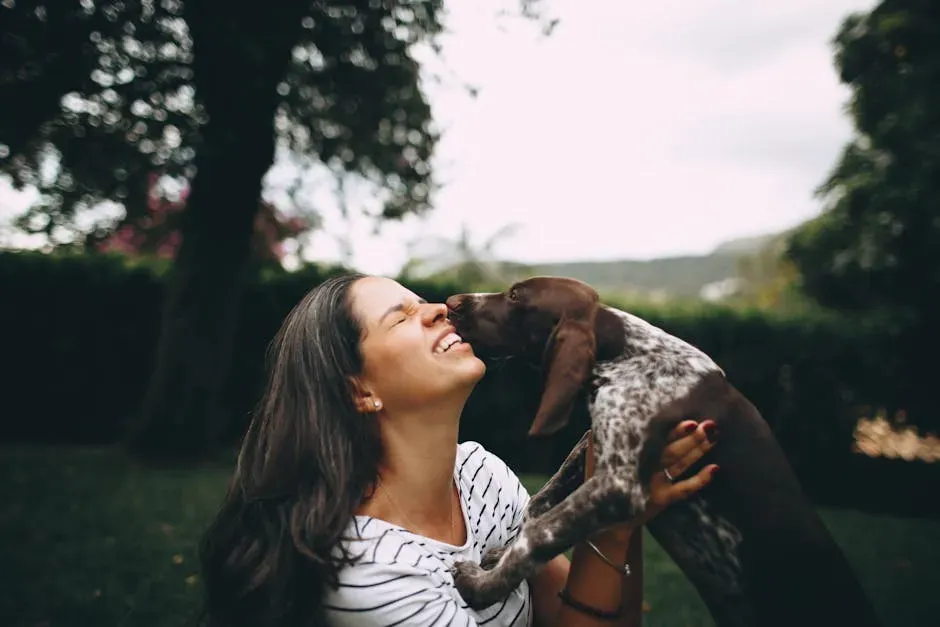
Everyday moments build a kind of emotional shorthand between dog and owner. A dog that has witnessed sadness before may default to supportive behaviors more readily in similar settings. The pattern emerges gradually through consistent living together rather than from any single dramatic episode.
Positive routines mixed with occasional low points create a balanced picture in the dog’s mind. They learn which actions bring relief or closeness. Over months and years this accumulated experience shapes how they respond without needing explicit commands.
Sadness Elicits Stronger Reactions Than Other Emotions

Studies indicate that distress signals often trigger more immediate and focused attention from dogs than laughter or neutral states. The contrast appears in both behavior and stress hormone changes. Sadness seems to cut through background noise in a way that demands a response.
This selective sensitivity may stem from evolutionary roots where detecting vulnerability helped group survival. In modern homes it translates into dogs offering quiet presence during tough times. The difference in reaction highlights how certain emotions resonate more deeply with canine perception.
Everyday Interactions Shape These Connections

Small gestures during emotional moments add up across a dog’s life with its family. A dog learns to associate its person’s presence with safety even when that person feels fragile. These layers of experience influence daily habits like seeking closeness or offering space as needed.
Consistency matters more than intensity. Regular exposure to a range of moods helps dogs develop flexible responses rather than rigid ones. The result is a relationship that feels attuned without requiring words or training sessions.
The Quiet Power of Shared Vulnerability
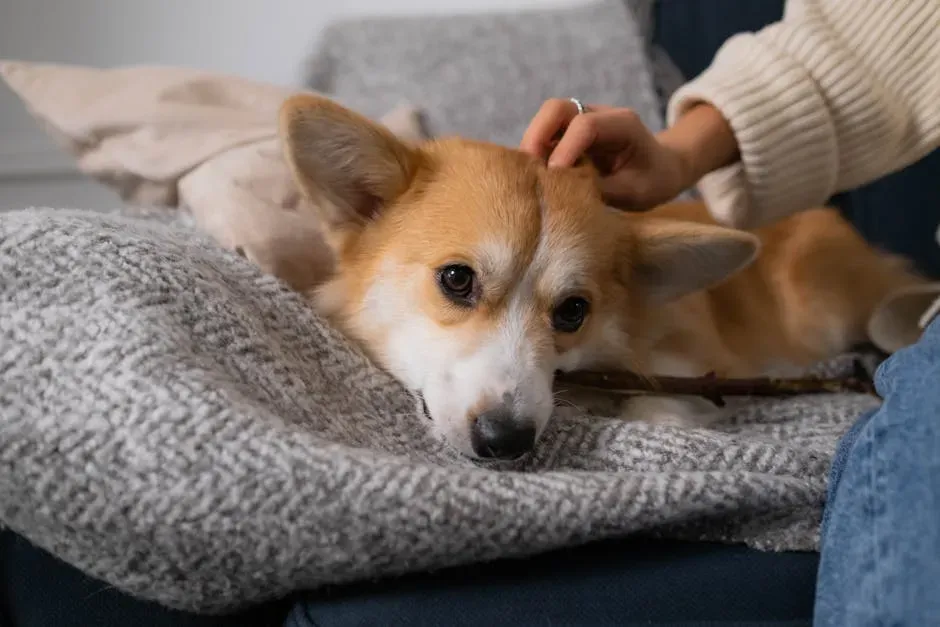
Whether dogs catalog every tear as a distinct memory remains an open question grounded more in observation than definitive proof. What stands out instead is their reliable presence during human low points and the way those moments deepen mutual trust. The bond grows through lived experience rather than perfect recall.
In the end the real takeaway lies in how these connections enrich daily life for both sides. A dog that shows up when you need it most reminds us that presence itself carries weight. That steady companionship turns ordinary homes into places of quiet understanding that lasts.


