

People often describe the quiet house and the empty spot on the couch as the first things they notice. Yet the depth of that ache can catch even longtime dog owners off guard. Psychology offers a clear message here that many still hesitate to accept.
The loss of a dog triggers responses that mirror other major bereavements, and experts continue to emphasize that these feelings deserve full respect rather than quick dismissal. This reality invites a closer look at what actually happens inside us when that particular companion is gone.
The Unique Bond Humans Share With Dogs
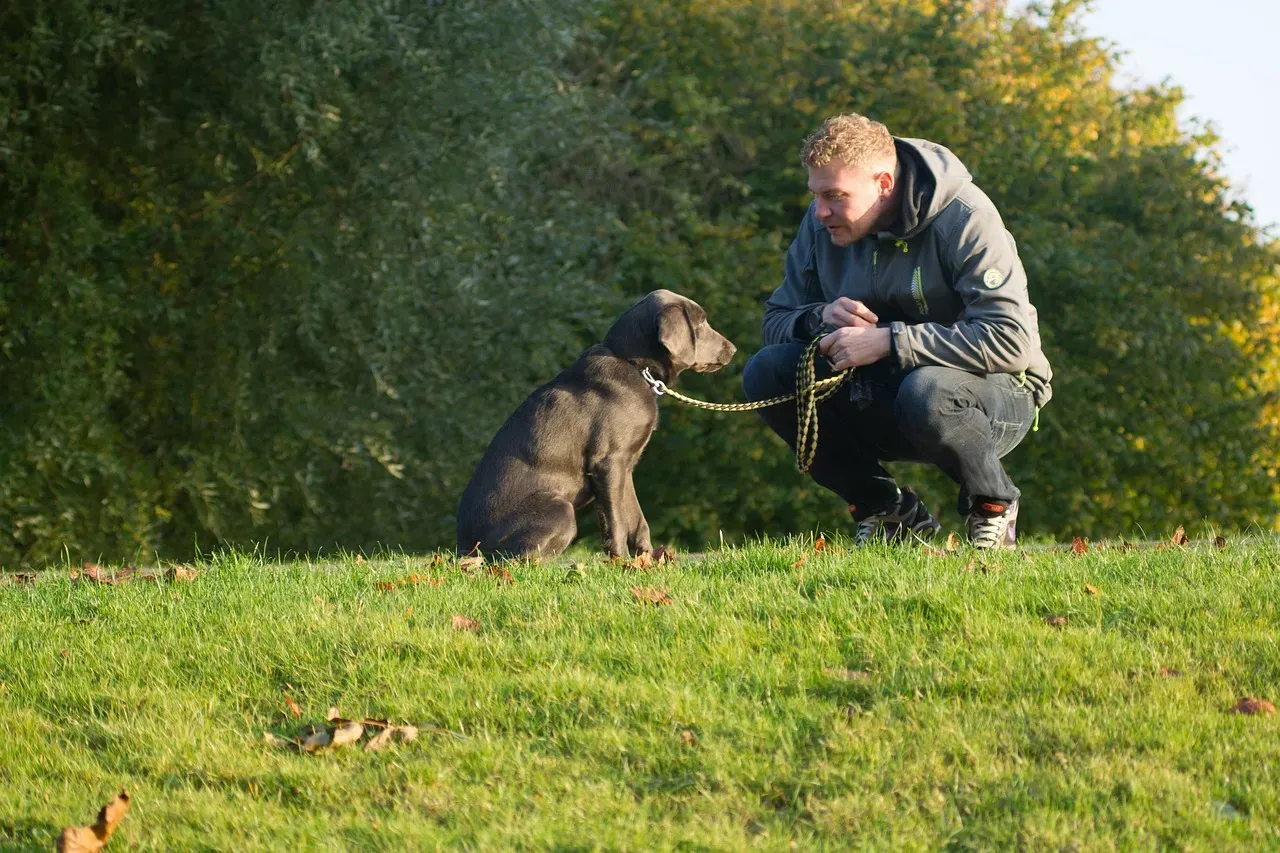
Dogs live alongside us in ways few other animals do. They join daily routines, sense our moods, and offer steady presence through ordinary moments and hard times alike. That closeness builds a relationship built on trust and shared history rather than spoken words.
Over years of walks, play, and simple companionship the attachment grows strong. Research on human animal bonds shows these ties activate similar brain pathways as those seen in close family connections. The result is a sense of partnership that feels personal and lasting.
Why This Loss Feels Like Losing a Family Member

Many owners report the same physical and emotional signs that appear after other significant deaths. Sleep changes, appetite shifts, and waves of sadness arrive without warning. These reactions make sense once the daily role of the dog is considered.
The animal often served as a source of routine, affection, and even purpose. Removing that presence leaves a gap that daily life no longer fills in the same way. Psychology views this as a legitimate form of bereavement rather than an overreaction.
The Science Behind Pet Grief Responses

Studies of attachment and loss indicate that the brain processes the absence of a beloved pet through established grief mechanisms. Hormones linked to stress and bonding fluctuate in patterns familiar from other types of mourning. This biological response explains why the sorrow can feel so consuming.
Disenfranchised grief describes situations where society withholds permission to mourn openly. Pet loss frequently falls into this category, yet the underlying emotional work remains the same. Recognizing the science helps remove any sense that the feelings are somehow misplaced.
Challenges From Others Who Do Not Understand
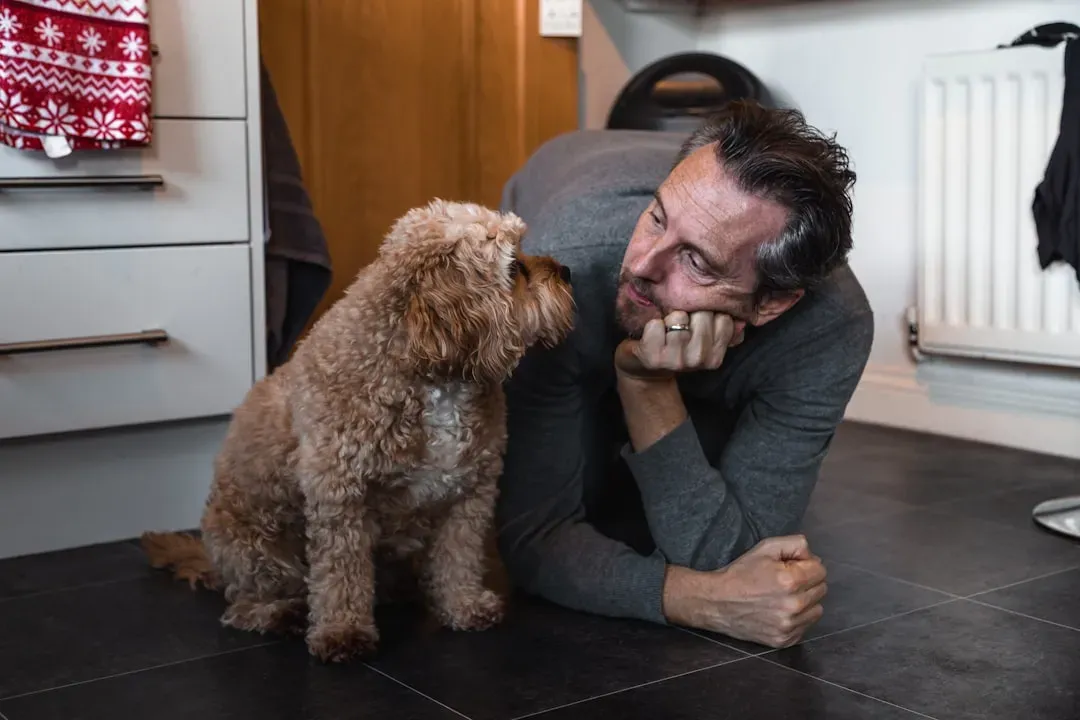
Well meaning comments sometimes suggest that another dog will ease the pain or that time alone will handle everything. These remarks can leave the grieving person feeling isolated rather than supported. The gap between lived experience and outside expectations adds another layer of difficulty.
People who have not shared the same daily bond may underestimate how central the dog became. This mismatch does not invalidate the grief. It simply highlights how personal the relationship truly was.
Allowing Time and Space for Your Emotions
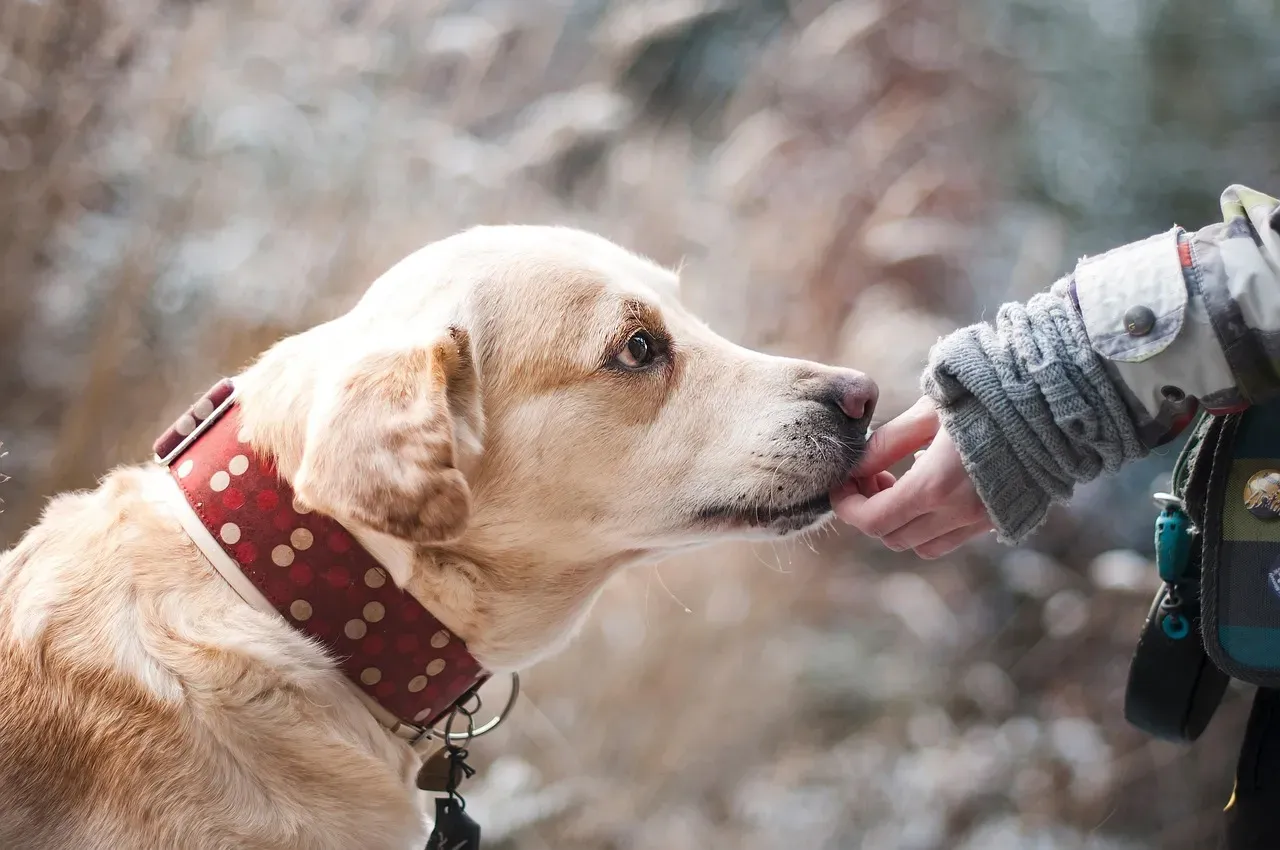
Grief does not follow a fixed schedule, and attempts to hurry the process often backfire. Some days bring sharp reminders while others feel steadier, and both belong to the same journey. Psychology encourages meeting those fluctuations with patience instead of pressure.
Simple practices such as keeping a photo nearby or walking familiar routes can provide quiet outlets. These small acts acknowledge the loss without demanding immediate resolution. The goal remains honoring the feelings as they arise.
Healthy Outlets for Expressing Sorrow

Writing down memories or creating a small memorial can give shape to the emotions. Talking with others who have experienced similar loss often brings relief that general conversations do not. These steps allow the grief to move rather than stay bottled up.
Physical activity or time in nature sometimes mirrors the routines once shared with the dog. Such activities do not replace what was lost yet they offer continuity. The focus stays on gentle expression rather than forced closure.
Finding Meaning and Continuing the Bond in New Ways

Over time many people discover that the relationship with their dog continues to influence daily choices and values. Acts of kindness toward other animals or support for rescue efforts can extend the care once given to one companion. This evolution does not erase the loss but adds layers of purpose.
Grief that receives space and respect tends to soften into a quieter presence rather than disappear entirely. The intensity fades at its own pace, and that pace deserves acceptance. In the end the depth of sorrow simply reflects the depth of the original connection, and that truth stands without apology or hurry.


