
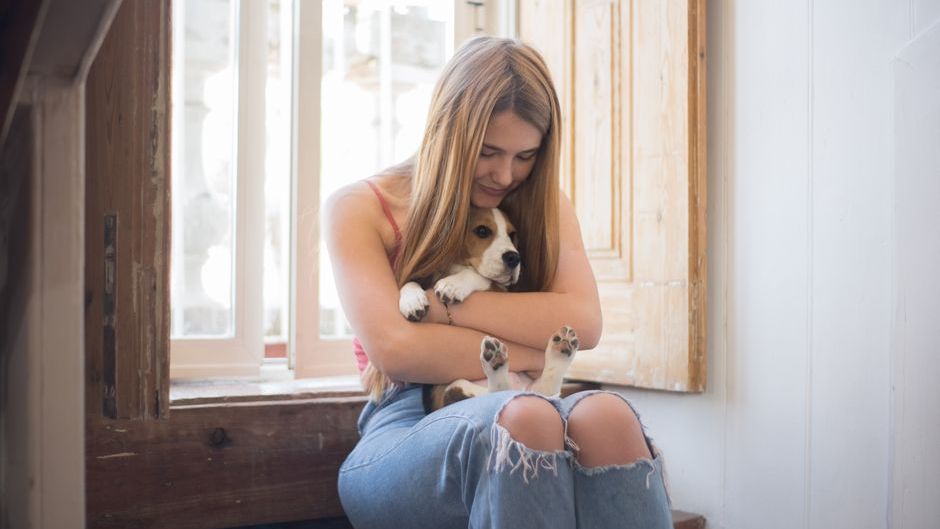
Many dog owners describe a moment near the end when their companion locks eyes with them in a way that feels different. That steady gaze can stop you in your tracks and leave you wondering what, if anything, it is meant to convey.
The experience often mixes grief with a quiet need to understand. It raises questions about what dogs sense in their final hours and how their behavior reflects both their physical state and their bond with the people closest to them.
The Deep Connection Dogs Form With Their People
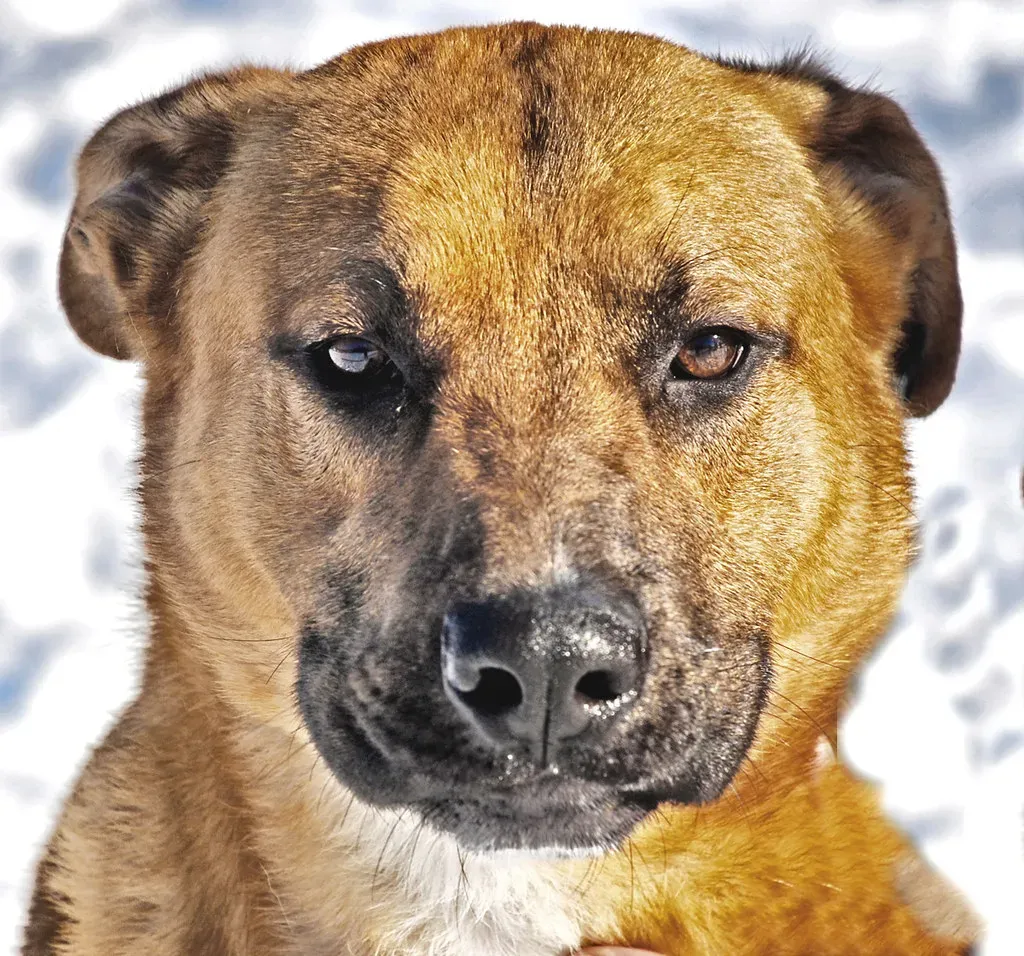
Dogs have lived alongside humans for thousands of years, developing an ability to read our expressions and respond to our presence. This history shapes how they behave when they feel vulnerable or unwell. Many owners notice their dogs turning toward them more often as energy fades.
The stare in those moments can stem from that long standing attachment. It may simply reflect a familiar habit of checking in with the person who provides safety and routine. Even as other senses dull, the pull toward a trusted companion often remains strong.
Common Behaviors as Dogs Approach the End
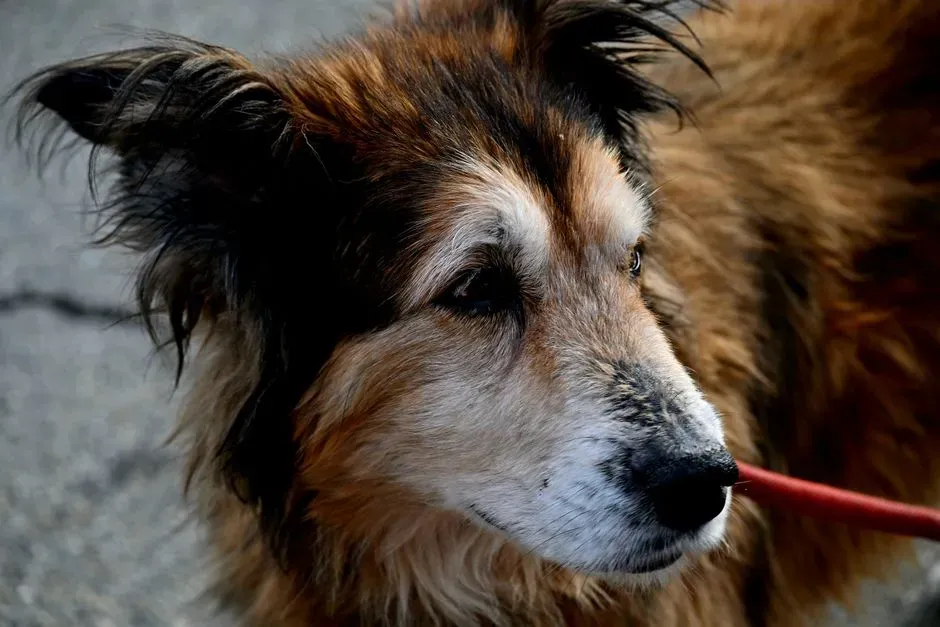
Near the end of life, dogs frequently show shifts in how they interact with their surroundings. Some become more withdrawn while others seek extra closeness or follow their owners from room to room. These changes vary widely from one dog to the next.
Staring can appear alongside other signs such as reduced appetite, slower movement, or periods of restlessness. Veterinary sources note that confusion or disorientation sometimes leads to prolonged eye contact without an obvious target. The behavior fits into a broader pattern of physical and mental decline rather than standing alone as a deliberate message.
Possible Reasons Behind That Intentional Stare
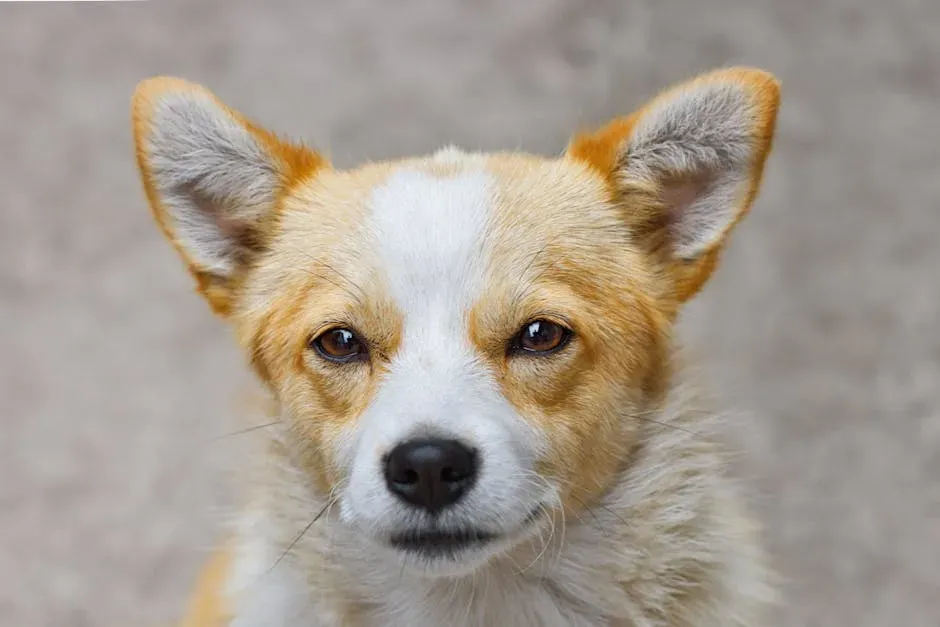
One explanation centers on comfort seeking. A dog may fix its gaze on its owner because the familiar face and voice offer reassurance when the body feels unsteady. This response aligns with how dogs often turn to their people during times of stress or uncertainty throughout their lives.
Another possibility involves simple disorientation. Conditions like canine cognitive dysfunction can cause dogs to stare blankly or appear lost even in familiar spaces. The look directed at an owner might reflect an attempt to regain bearings rather than convey a specific farewell thought.
How Pain and Discomfort Play a Role
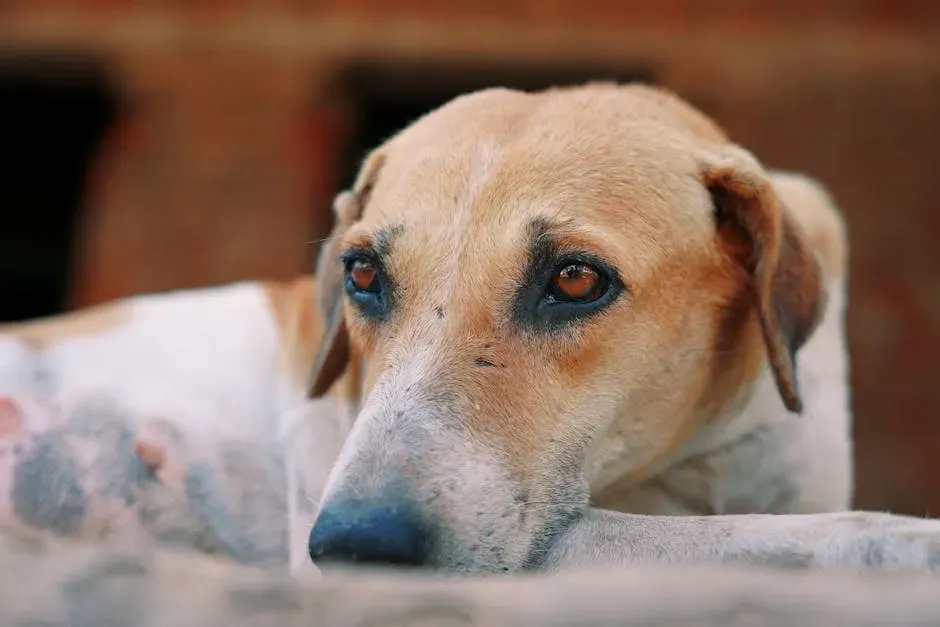
Pain or general weakness can alter a dog’s facial expression and eye contact. Muscle loss around the face sometimes creates a more intense or sunken appearance that owners interpret as meaningful. In reality these shifts often trace back to the physical effects of illness or aging.
Owners who notice the stare alongside signs of discomfort benefit from consulting a veterinarian promptly. Pain management and supportive care can ease some of the tension that contributes to unusual expressions. Addressing these factors helps the dog remain as comfortable as possible during its remaining time.
Seeking Reassurance in Unfamiliar Territory
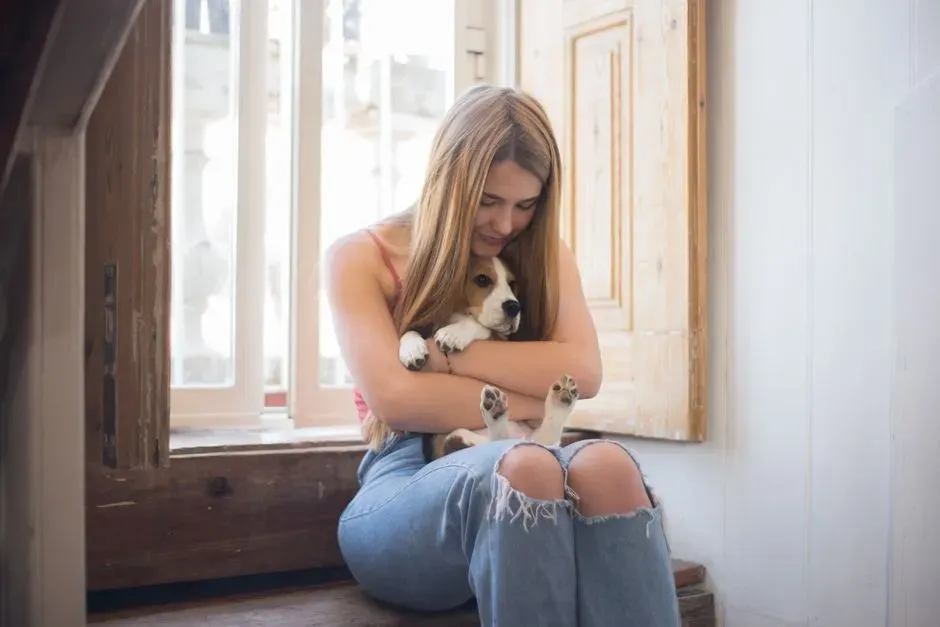
As the world becomes less predictable, many dogs gravitate toward the steady presence of their owners. The stare may represent an instinctive reach for the security that person has always provided. This pattern echoes earlier stages of life when dogs looked to their people for guidance during new or unsettling experiences.
Staying calm and offering gentle touch or quiet words can meet that need without requiring any special interpretation. The focus stays on presence rather than decoding hidden intent. Small consistent gestures often matter more than any single moment of eye contact.
Supporting Your Dog Through These Moments
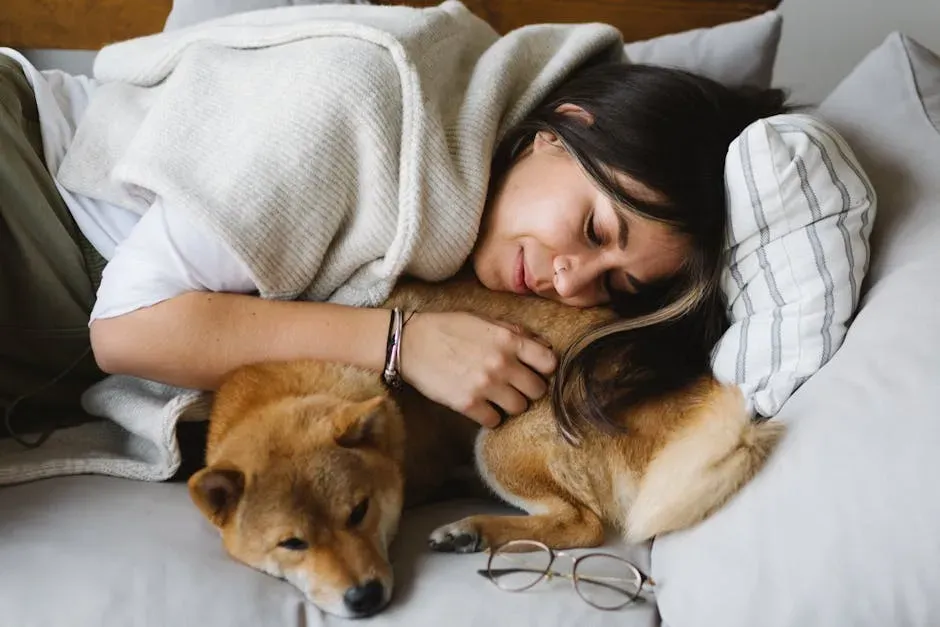
Practical steps include maintaining a quiet environment and keeping routines as consistent as possible. Soft bedding, easy access to water, and short periods of interaction help reduce stress. Monitoring for changes in breathing or mobility allows timely adjustments to care.
Many families find that simply sitting nearby provides the most meaningful support. Dogs respond to tone of voice and physical closeness even when they no longer initiate play or walks. These ordinary acts of companionship carry through the final days without needing dramatic meaning attached to them.
Reflecting on the Meaning of Those Final Looks
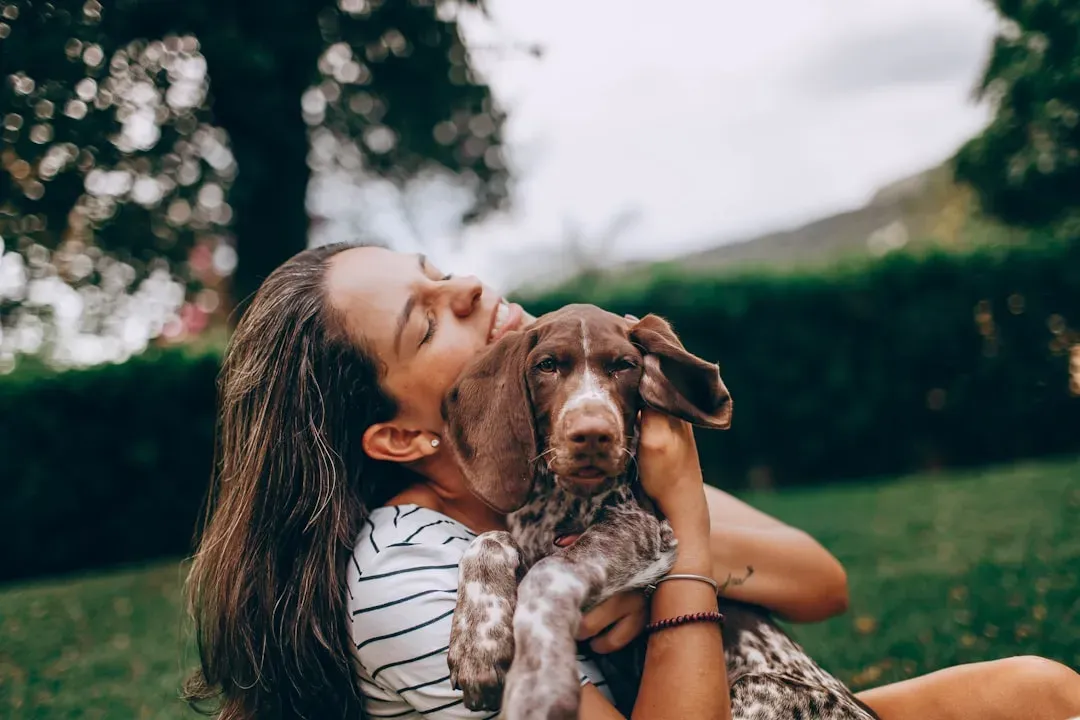
The stare often gets framed as a profound goodbye, yet evidence points more toward everyday needs for comfort and orientation. Attributing grand significance can place unnecessary pressure on owners already navigating loss. The real value lies in the relationship built over years rather than in one final expression.
Accepting that dogs experience their final hours through sensation and habit rather than human style reflection brings a measure of peace. What matters most is the steady care given throughout their life and the quiet presence offered at the end. That ongoing connection remains the clearest message of all.


