
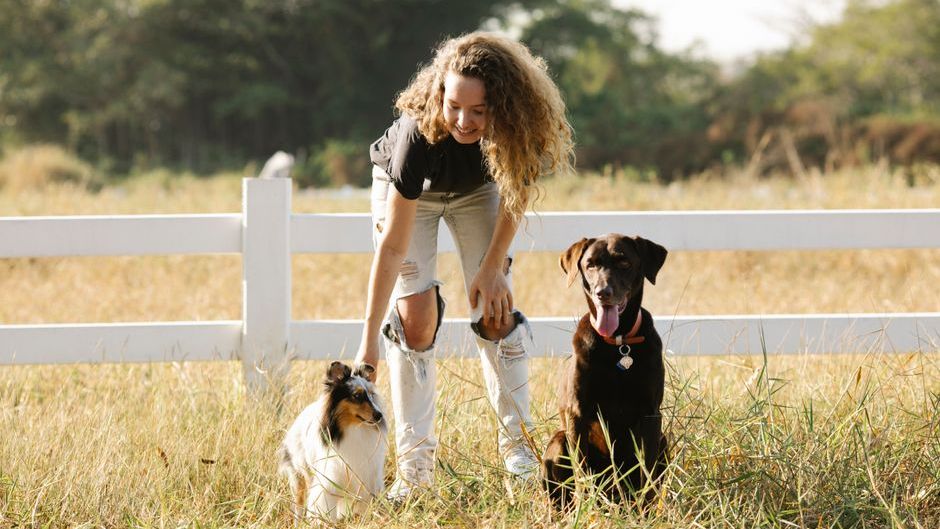
The Everyday Habit of Humanlike Talk
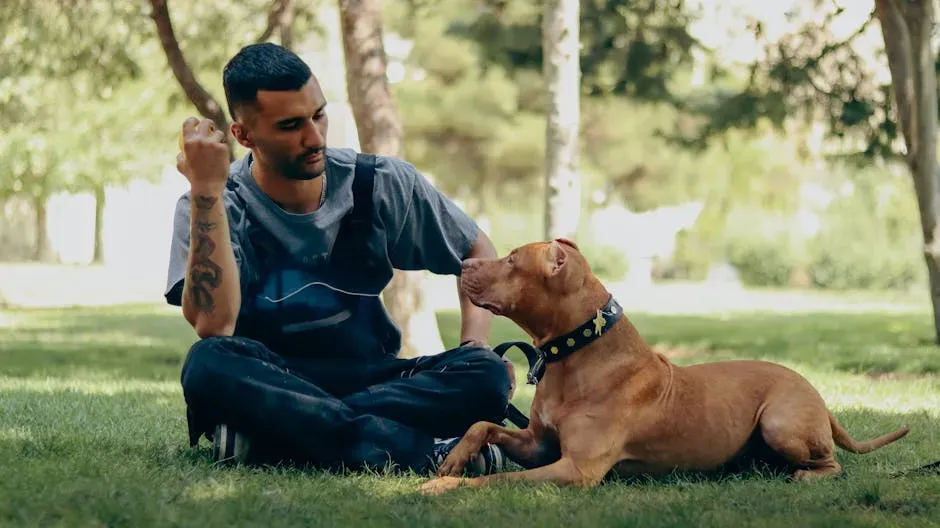
Conversations with dogs often include explanations about why the walk is delayed or apologies for leaving the house. Owners describe their tone softening into the same cadence they might use with a close friend or child. This style of speech turns the dog into an active participant rather than background noise.
Over time the exchanges become routine, filling quiet spaces in the home with words that might otherwise stay unspoken. The dog responds with tail wags or attentive stares that keep the dialogue going. Such interactions feel comforting because they require no performance or judgment in return.
Attachment Patterns Formed Early
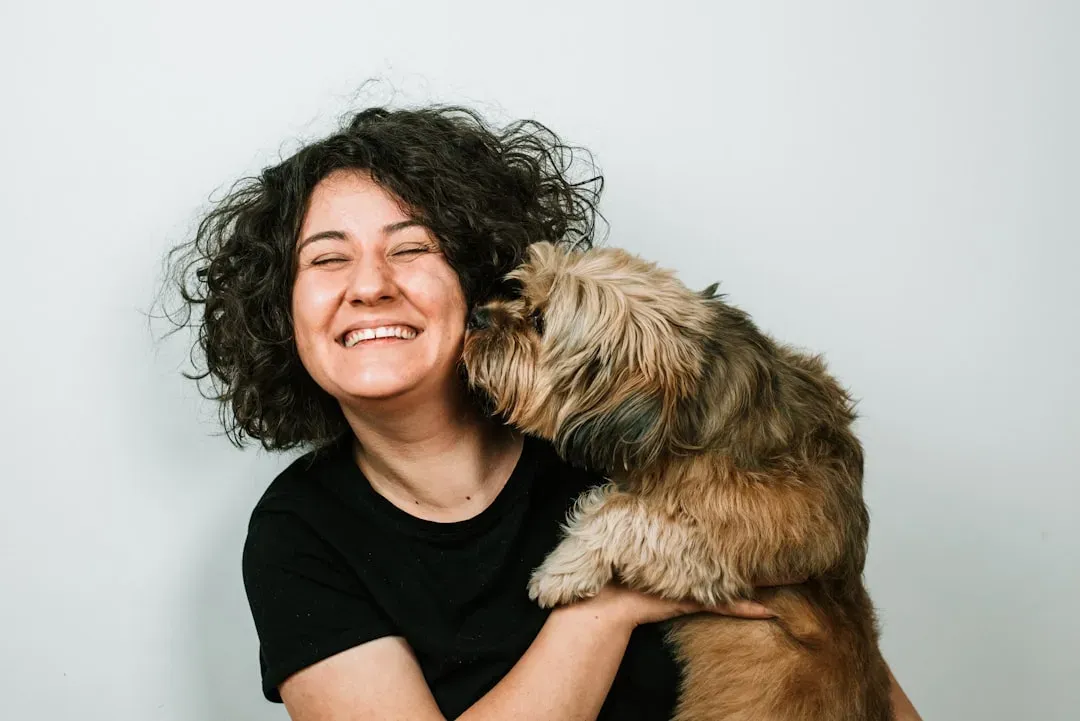
Attachment theory describes how early relationships shape the ways people seek connection later in life. When caregivers respond inconsistently or with emotional distance, children learn to look elsewhere for steady presence. Pets can step into that role because their affection arrives without conditions or complicated expectations.
Research on human animal bonds shows that individuals with certain attachment histories sometimes form especially close ties to companion animals. The dog becomes a reliable source of responsiveness that may have been missing during formative years. This dynamic does not require conscious awareness to take hold.
Emotional Neglect and Its Lingering Effects
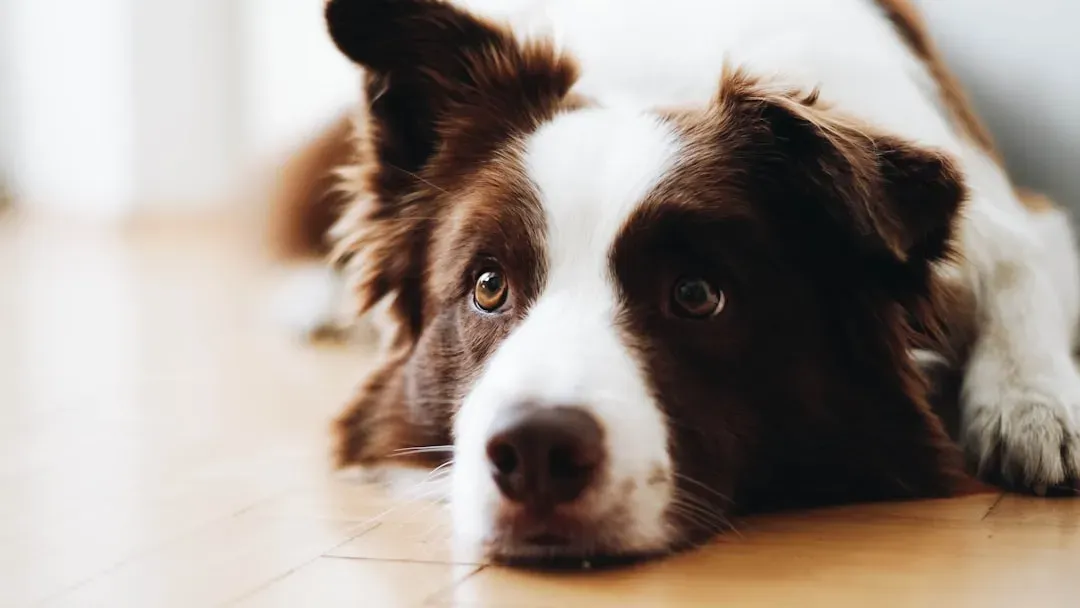
Emotional neglect in childhood often leaves adults skilled at self reliance yet hungry for uncomplicated understanding. They may have learned to keep feelings contained because expressing them brought little response. A dog offers a safe outlet where every sigh or story receives at least the appearance of attention.
Over years this pattern can solidify into a preference for animal company during moments of vulnerability. The habit of narrating thoughts aloud to the dog provides a sense of being heard without the risk of dismissal. Many people notice the behavior only when someone else points it out.
Pets as Stand In Listeners
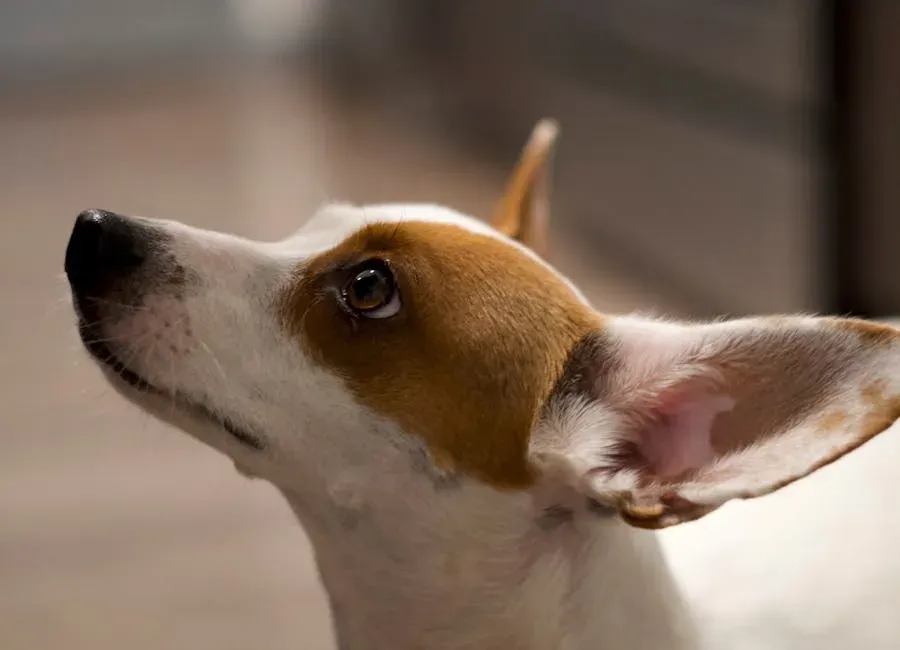
Dogs excel at remaining present during long monologues about work stress or personal worries. Their steady eye contact and lack of interruption create an environment that feels receptive. Owners frequently report feeling lighter after these one sided exchanges.
The practice extends beyond simple commands into storytelling and emotional processing. A person might describe their day in detail while preparing dinner, pausing as if waiting for a reply that never comes. The dog presence alone supplies enough validation to continue the ritual.
Recognizing the Connection in Daily Life

Some owners realize the depth of their habit only after living alone for a stretch and noticing how quiet the house feels without the dog. Others observe that they reserve certain topics exclusively for these pet conversations. The pattern becomes visible through repetition rather than sudden insight.
Friends or partners sometimes comment on the volume of talk directed at the animal. These observations can prompt reflection about why human listeners feel less accessible. The dog remains a constant that requires no explanation or reciprocity.
Balancing Comfort With Broader Connections
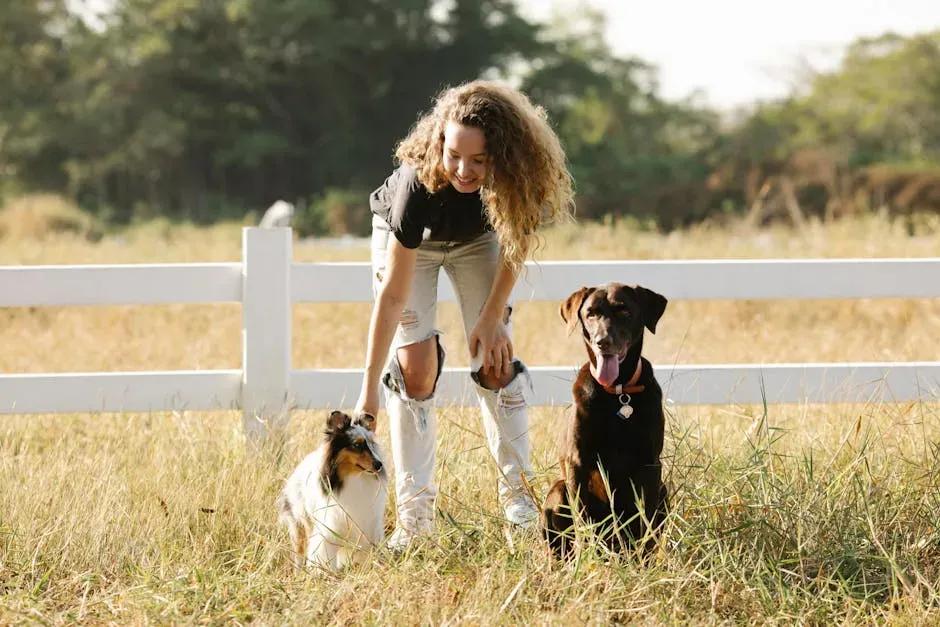
Talking to a dog in human terms brings clear emotional relief for many people. It supplies a low stakes way to organize thoughts and release tension. At the same time, relying primarily on this outlet can limit practice with the messier exchanges that human relationships demand.
Expanding social circles gradually often complements rather than replaces the bond with the pet. The dog continues to serve as a steady presence while new skills for human connection develop. Balance emerges when both sources of support coexist without one crowding out the other.
Reflecting on What the Habit Reveals
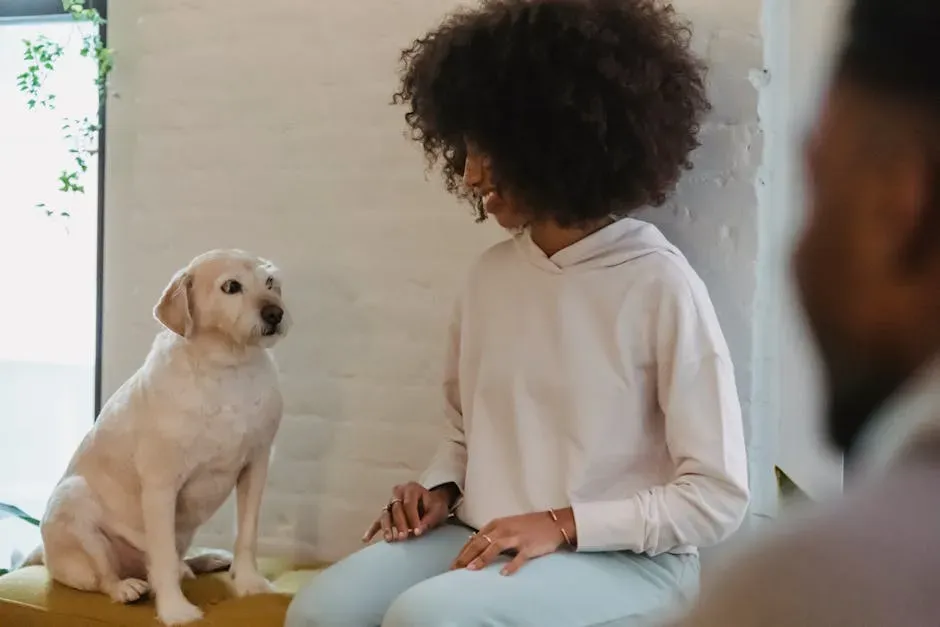
Understanding the roots of pet directed speech does not require labeling it as a problem. Instead it can serve as a gentle prompt to consider how early experiences still shape present comfort zones. Many people discover that acknowledging the pattern brings greater self compassion rather than criticism.
The dog remains a source of uncomplicated joy regardless of the backstory. Over time the conversations may evolve or stay exactly the same, yet the awareness adds a layer of meaning to an already meaningful relationship. In the end the habit simply reflects one way humans adapt to the connections available to them.


