
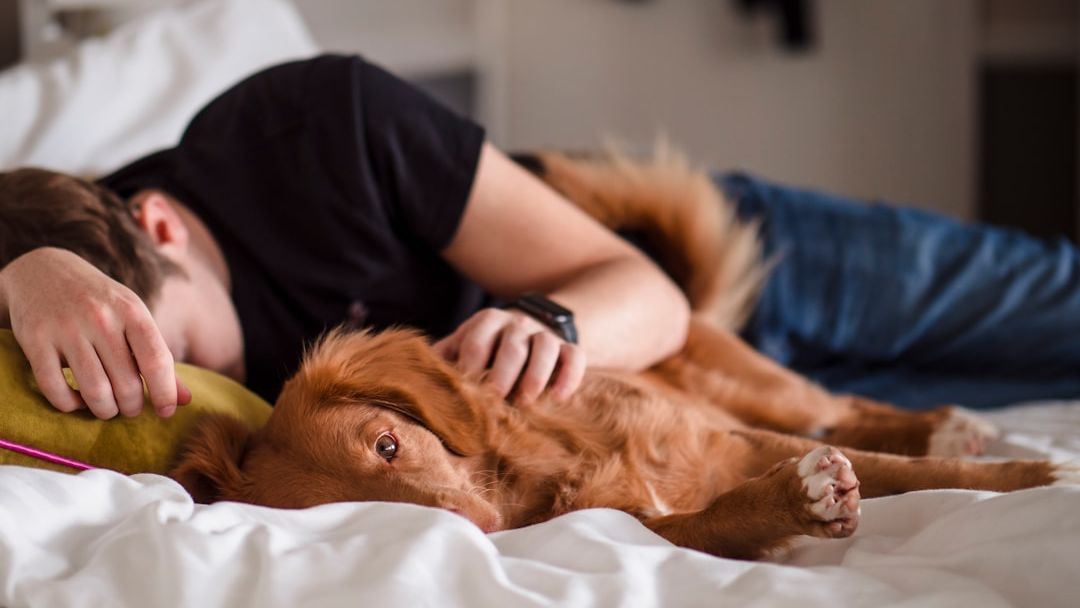
Many dog owners notice their pet settling into a particular spot at night and wonder what it really means. That choice to press a back right up against you often feels deliberate, almost like a quiet message passed between friends who have known each other for years.
It raises a simple question about what goes on inside a dog’s mind when they pick that exact position over any other. The answer touches on instincts that have stayed with them long after they left the wild.
Why the Back Position Signals Deep Trust
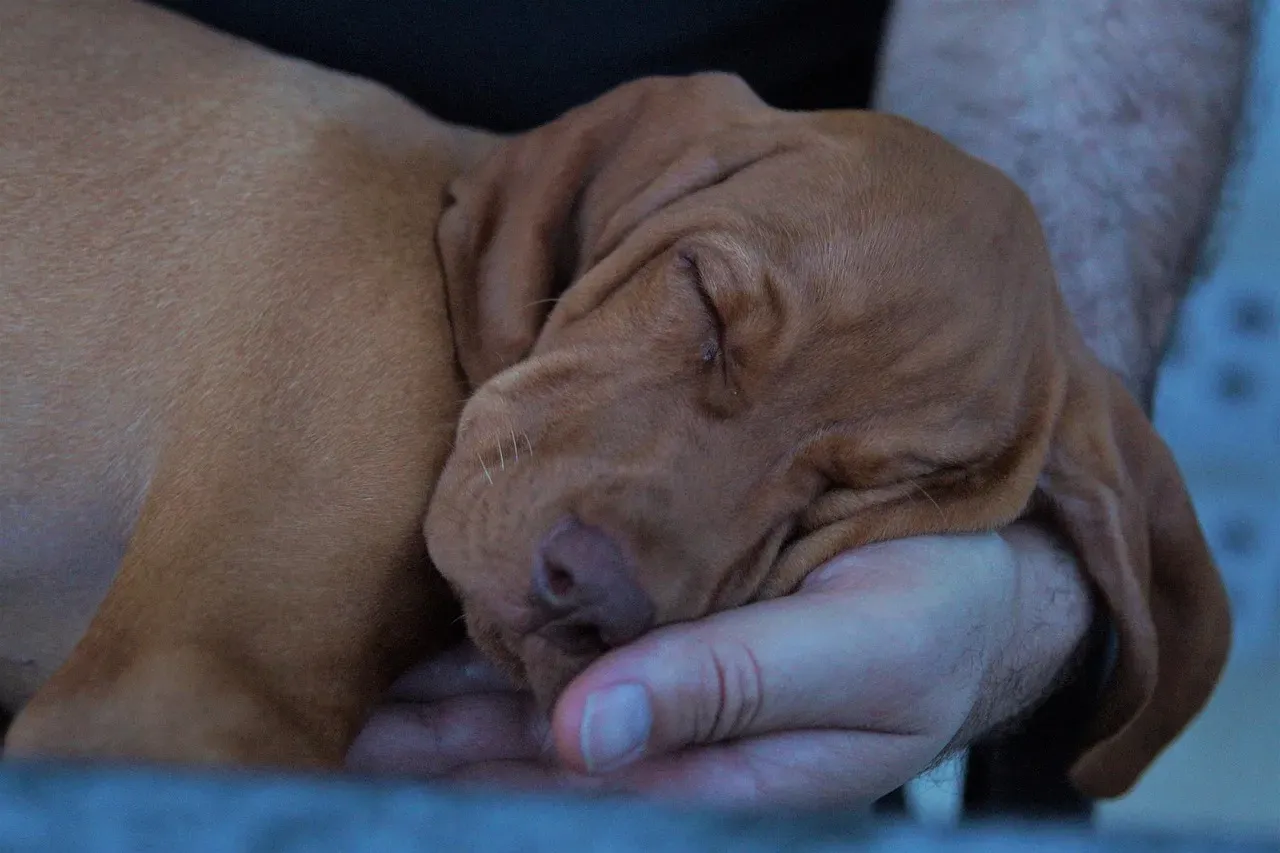
Dogs evolved as pack animals that stayed alert even while resting. Pressing their back against you places their most vulnerable side in your care, which shows they view you as part of their protective circle rather than a potential threat.
This posture leaves their belly and vital organs exposed to the room, a move they would never make around strangers or in uncertain surroundings. Over time the habit becomes a steady marker of how secure they feel in your presence.
How Dogs Express Safety Through Proximity

Physical closeness during sleep helps dogs regulate their own calm. By leaning into you they borrow a sense of steady breathing and warmth that lowers their own stress levels without any effort on their part.
The contact also lets them monitor small shifts in your movement, which reassures them that their chosen guardian remains nearby. In homes where routines stay predictable this simple act turns into a nightly ritual of mutual comfort.
The Role of Affection in Canine Sleeping Habits
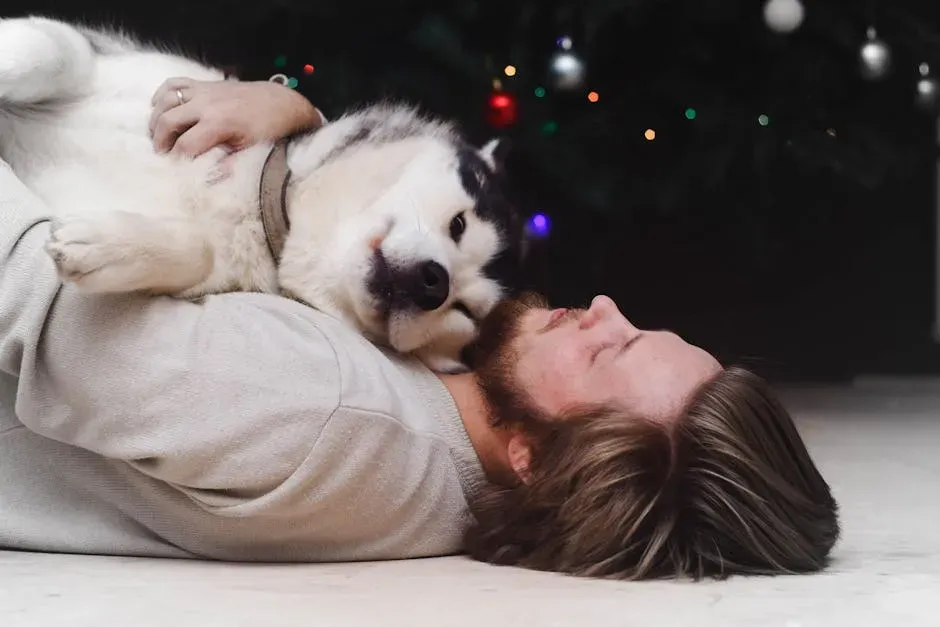
Affection in dogs often shows up through quiet presence rather than dramatic gestures. Choosing to rest against you combines that affection with the practical need for security, creating a moment that feels both practical and tender.
Owners sometimes notice their dog sighing deeply once contact is made, a small release that hints at contentment. These shared pauses strengthen the daily bond without requiring words or treats.
Insights From Everyday Observation
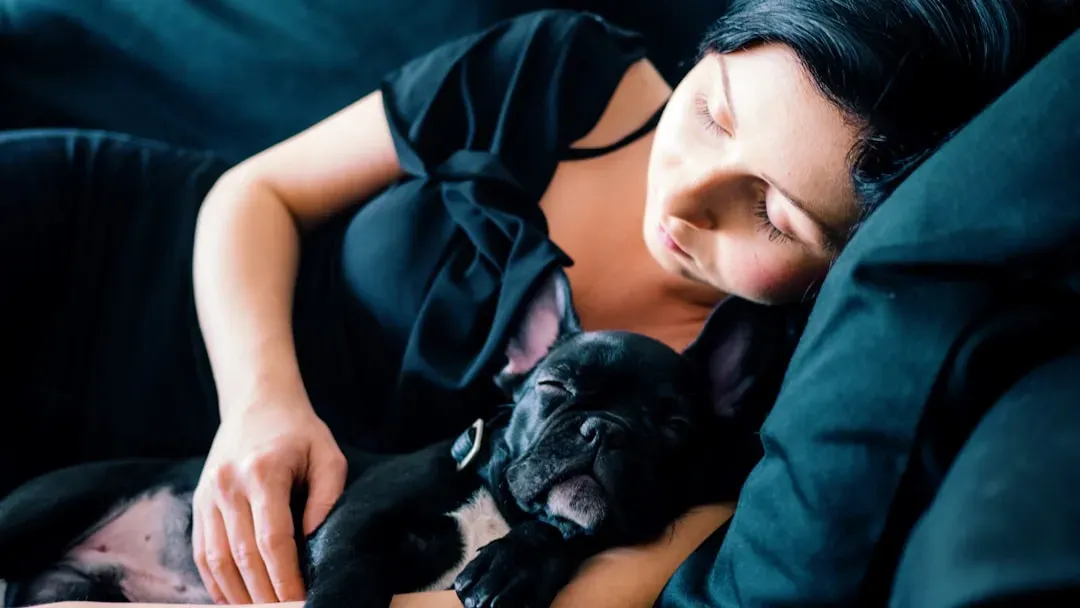
Animal behavior experts track sleeping positions because they reveal consistent patterns across many households. The back-to-you stance appears most often in dogs that already enjoy free access to their people during the day.
It differs from curling into a tight ball, which can signal a need for self-protection, or sprawling on their back, which usually means complete relaxation in a very familiar space. Watching these choices over weeks gives owners a clearer window into their dog’s inner state.
Differences Across Breeds and Personalities
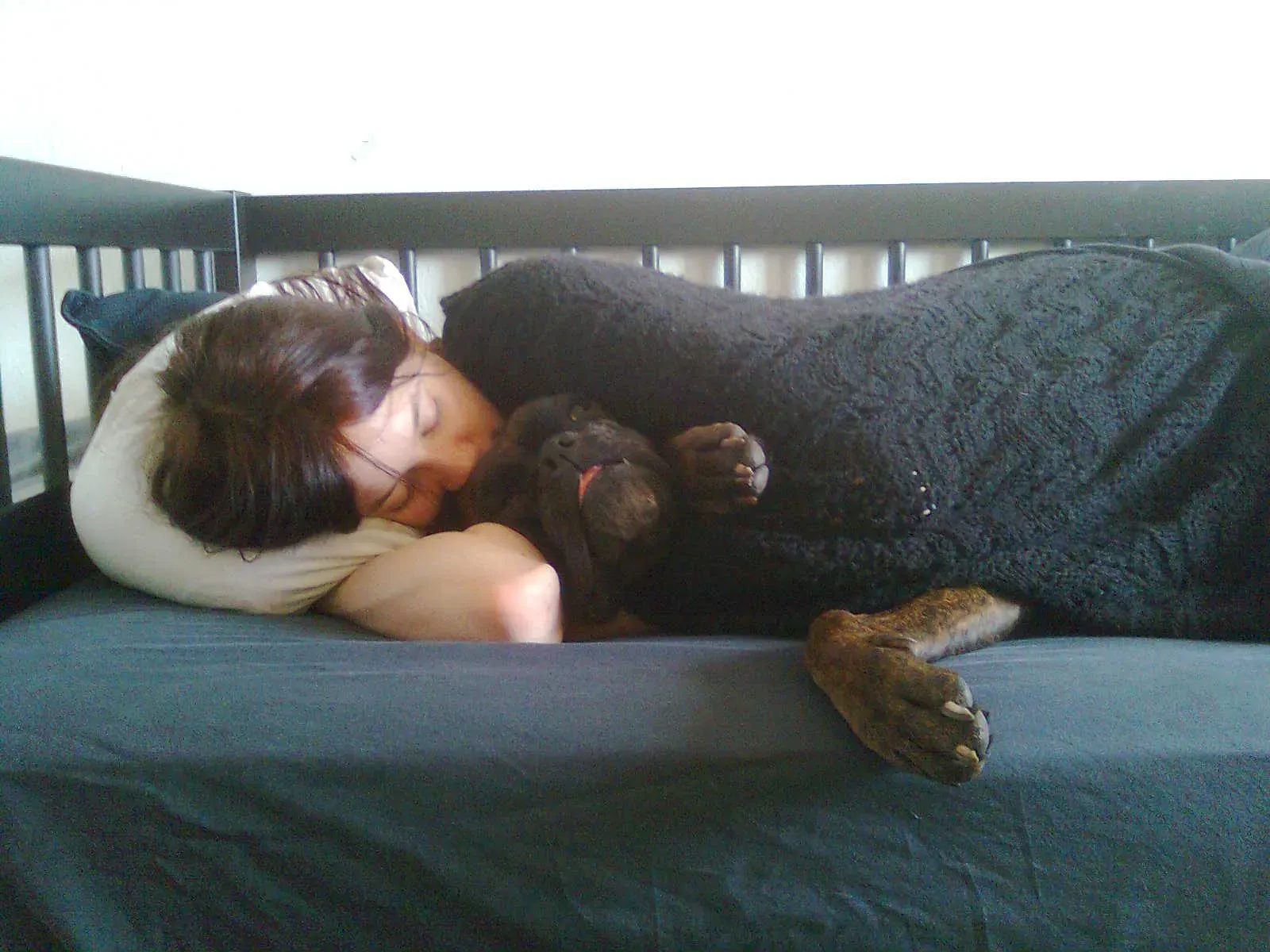
Some breeds lean toward independent sleeping spots while others seek constant contact. Herding dogs and companion breeds often favor the back-pressed position because their history includes close teamwork with humans.
Individual temperament plays a larger role than breed alone. A shy rescue might take months to try this posture, while a confident puppy may adopt it within days of arriving in a stable home.
Strengthening Your Connection With Your Dog

Respecting the position when it happens helps the habit continue. Moving too suddenly can interrupt the sense of safety they are trying to maintain, so gentle adjustments work better than abrupt changes.
Creating consistent evening routines supports the same feeling of reliability. Dogs notice when bedtime stays calm and predictable, which encourages them to keep choosing closeness over isolation.
Why These Quiet Moments Matter More Than We Realize

Paying attention to small signals like this one reminds owners that dogs communicate mostly through action rather than sound. The back-pressed posture becomes one reliable way they say they feel at home.
Over years together those repeated choices add up to a shared language that deepens the relationship on both sides. In the end the real gift is not the position itself but the steady trust it represents, a trust that makes daily life with a dog feel quietly complete.


