
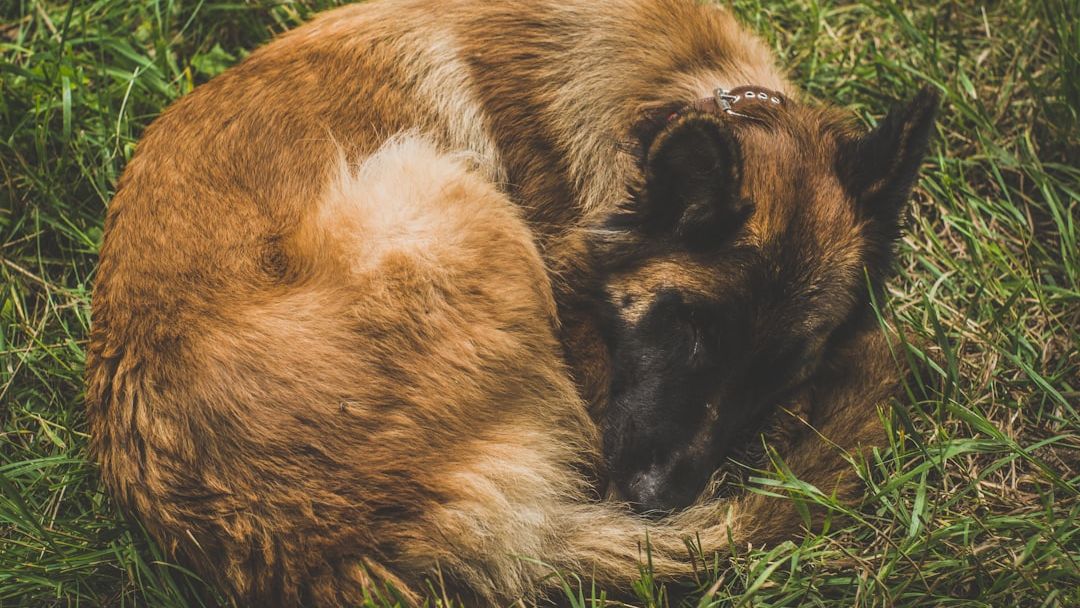
You have probably watched your dog spin in tight circles before finally dropping to the floor. The motion looks almost ritualistic, and many people assume it is just a quirky way to get comfortable. Yet the behavior runs much deeper than that simple explanation.
It traces back to instincts shaped long before dogs shared our homes. Those same instincts still guide how they move through the world today.
The Wild Roots of a Familiar Habit
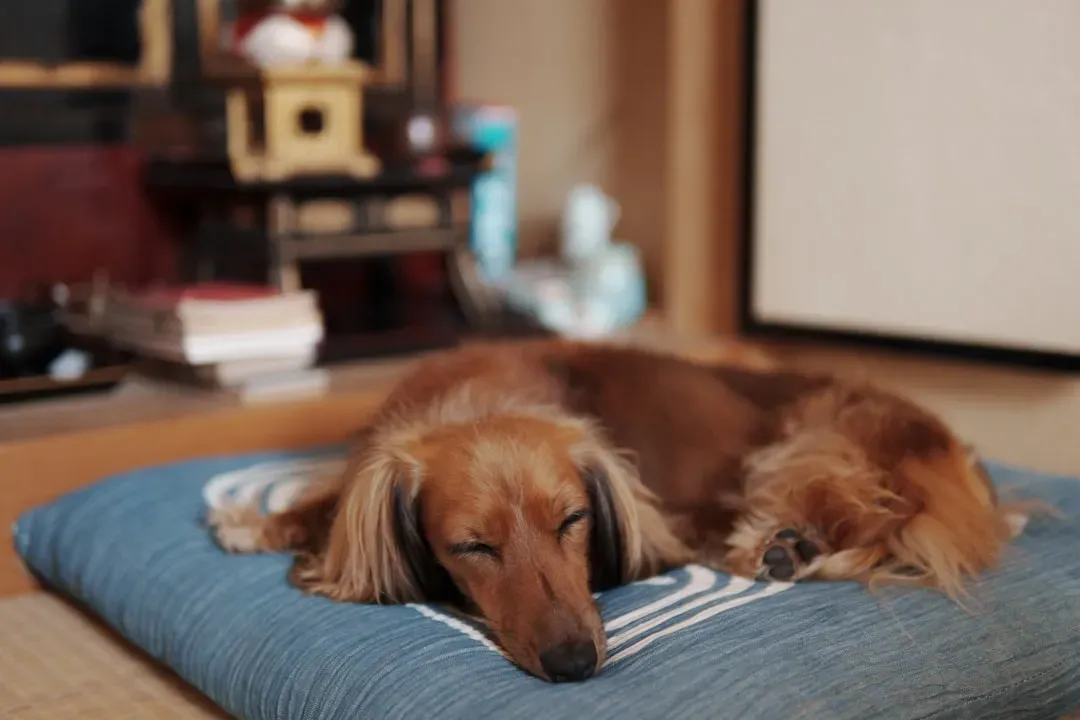
Dogs descend from wolves and other wild canids that lived in open grasslands and forests. In those environments every movement carried real stakes for safety. Circling allowed them to assess the ground before committing to rest.
Modern dogs carry the same wiring even when they sleep on carpet or a padded bed. The action happens quickly and often without any obvious trigger. It simply feels necessary to them on a level they cannot override.
Scanning for Potential Threats
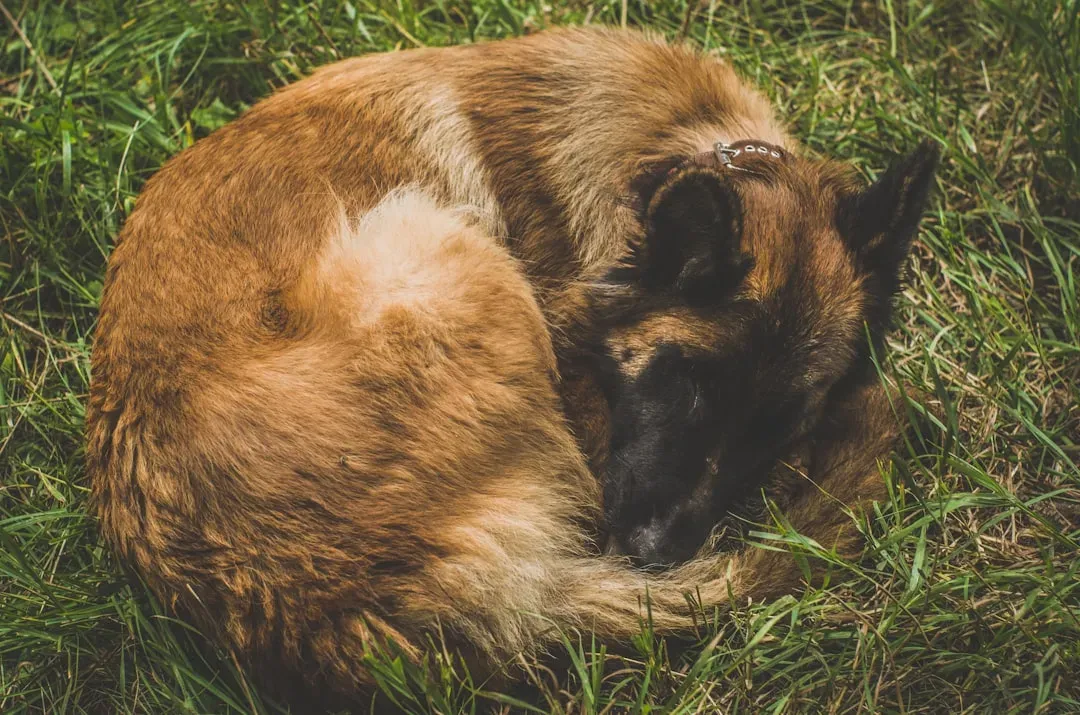
Before settling, a circling dog checks the immediate area for signs of danger. This might include snakes, insects, or other animals that could hide in tall grass or underbrush. The repeated turns give them a full view of their surroundings from multiple angles.
That quick survey reduces the chance of an unpleasant surprise once they lie down. In the wild such vigilance could mean the difference between a safe night and an attack. Domestic life has not erased the impulse because the brain still treats rest as a vulnerable state.
Preparing the Perfect Spot
Circling also serves to flatten vegetation and create a more even surface. Wild dogs would trample down grass or leaves to form a simple nest that holds their shape. The motion clears small rocks or debris that might poke into their body during sleep.
Even on a smooth floor the pattern persists because the instinct does not require an actual need. It is a built in sequence that runs automatically. The result is a spot that feels more secure to the dog even if the improvement is mostly in their mind.
Leaving Their Scent Behind
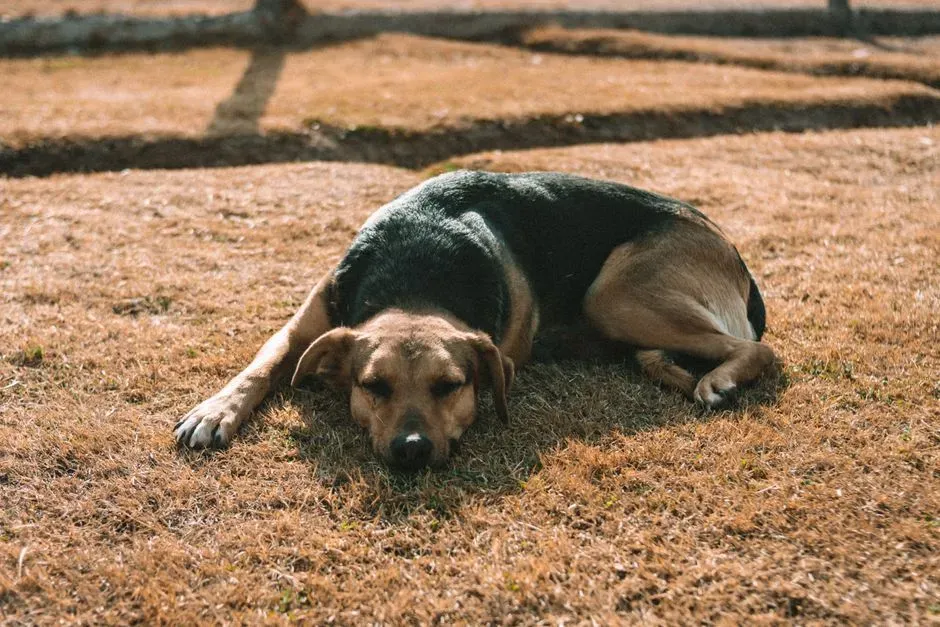
Another layer involves scent marking through glands in the paws. Each circle deposits a small amount of personal odor onto the chosen area. This subtle claim helps the dog recognize the spot as their own on future visits.
In a pack setting the same behavior reinforced territory boundaries and reduced conflict over resting places. The scent lingers long enough to provide reassurance. Today the action still occurs even when no other dogs are present to notice it.
How Evolution Shaped This Behavior
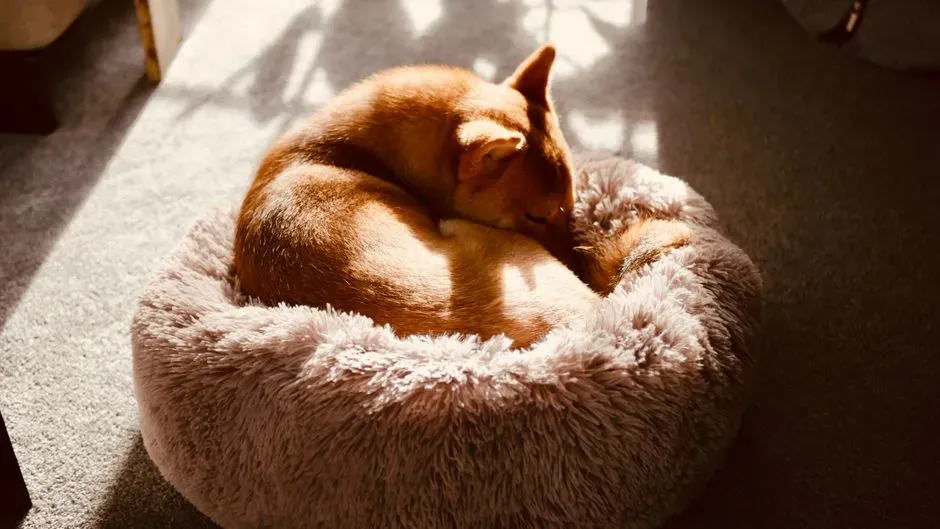
Natural selection favored dogs that took these extra seconds before resting. Individuals who skipped the check sometimes paid a high price in the wild. Over countless generations the circling pattern became deeply embedded in canine behavior.
The trait survived domestication because it costs little energy and offers occasional protection. It appears across breeds and mixes regardless of how far removed they are from working lines. The consistency points to an ancient origin rather than a learned quirk.
Observing It in Different Situations
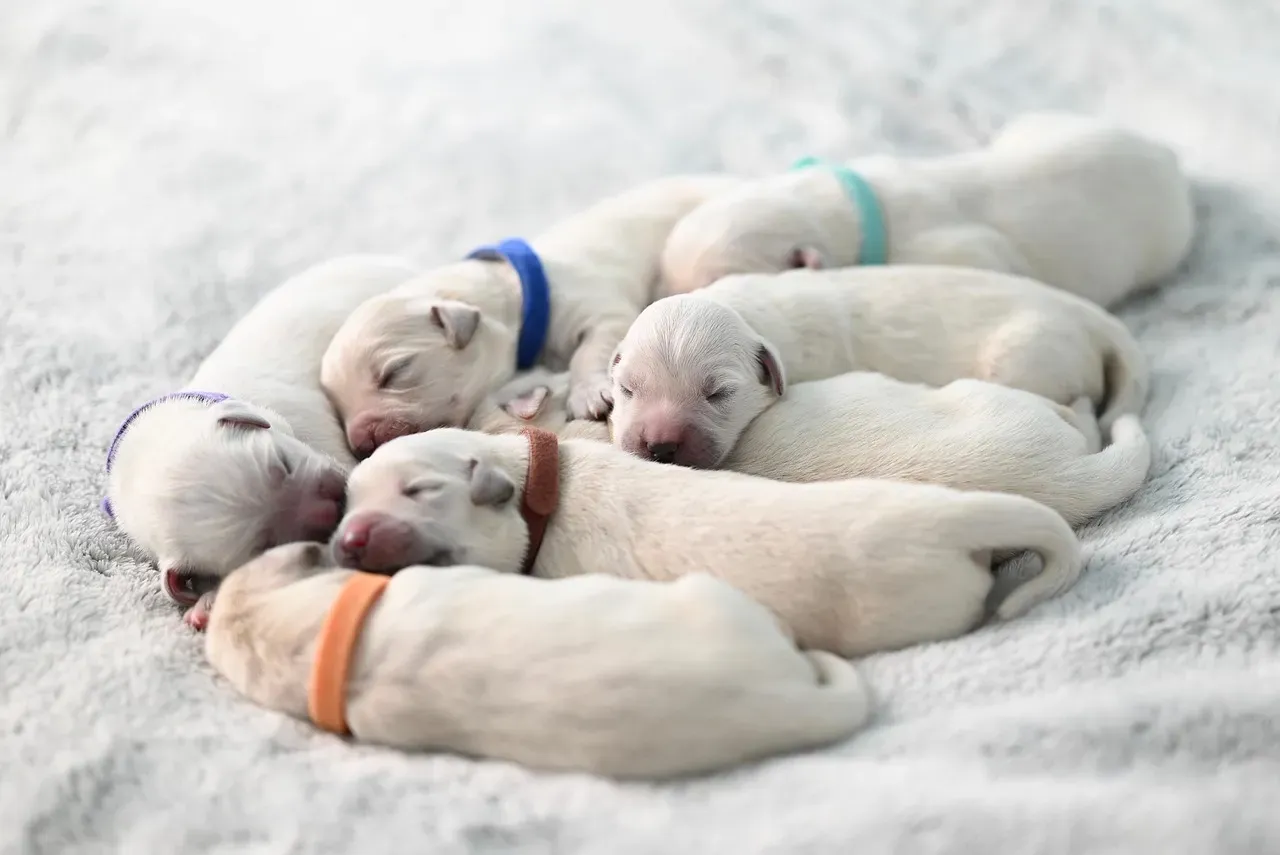
Some dogs circle more when they feel unsettled or when the environment changes. Others perform the routine every single time they prepare to lie down. The variation shows how the instinct interacts with individual personality and current stress levels.
Puppies often display the behavior early even before they have much experience with beds or floors. Senior dogs may circle longer as they work through stiffness or discomfort. The core drive remains the same across ages and living conditions.
Understanding What It Reveals About Your Dog
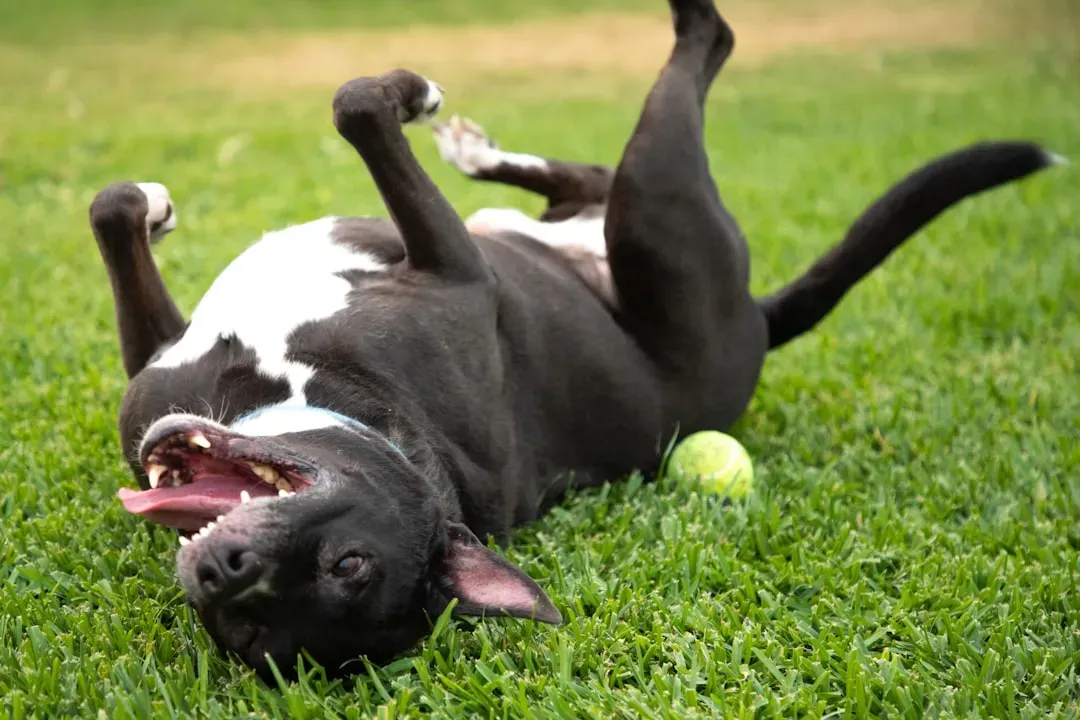
Recognizing the survival roots of circling changes how owners view everyday moments. It highlights that dogs still operate with ancient priorities even in safe homes. The habit is not random or silly but a quiet reminder of their heritage.
Paying attention to when the behavior intensifies can also offer clues about how secure your dog feels in a space. Small adjustments like clearing the area or providing a familiar blanket sometimes reduce excessive spinning. Ultimately the instinct connects us to a deeper story of adaptation and resilience that continues to shape life with dogs today.


