
Dogs notice things that often slip past human awareness. Their senses pick up on tension, tone shifts, and body language in ways that can feel almost uncanny at times. When a normally friendly pet starts behaving differently around one particular person, it can spark questions about what they sense.
These reactions rarely come out of nowhere. They tend to build from small, repeated cues that owners might overlook at first. Paying attention to patterns rather than isolated moments helps separate ordinary caution from something more pointed.
They Fix Their Gaze a Little Too Long
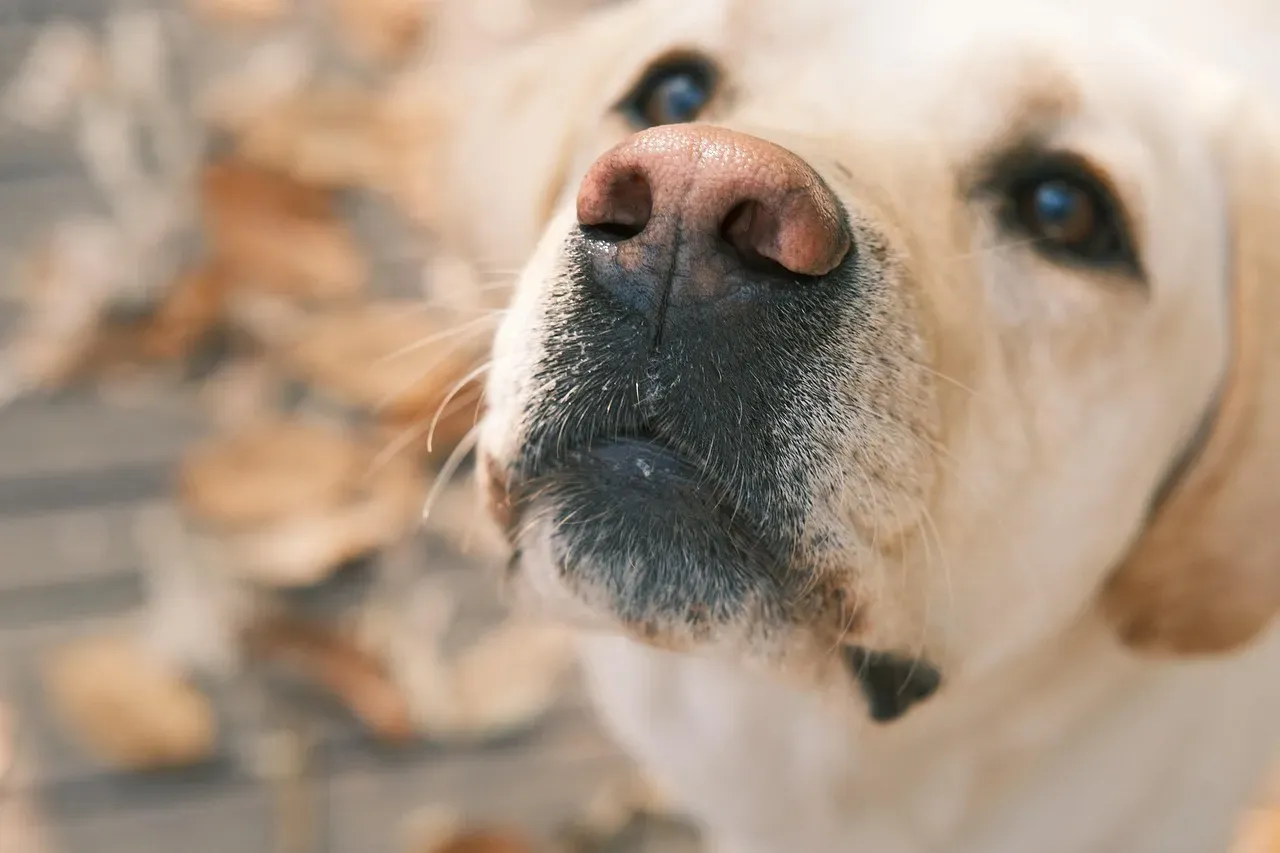
Some dogs will lock eyes on a visitor and hold the look without the usual blinking or tail wag that signals curiosity. This steady attention can feel different from their normal interest in new faces. It often comes with a still body rather than the relaxed posture seen during friendly greetings.
Owners sometimes notice the stare happens only when that one person enters the room or speaks. The dog may turn away quickly if noticed, then resume watching from another angle. Such behavior can repeat across several visits before it becomes obvious.
They Place Themselves Between You and the Visitor
A dog might casually shift position so their body creates a barrier without any growling or noise. This quiet placement can happen during conversations or when the person tries to move closer. It tends to look like the pet is simply settling down, yet the spot chosen blocks direct access.
Over time the pattern shows up mainly with one individual rather than everyone who comes by. The dog may relax once that person leaves or moves to another area. These small adjustments add up when tracked across multiple encounters.
Their Tail Stays Low or Tucked During Interactions
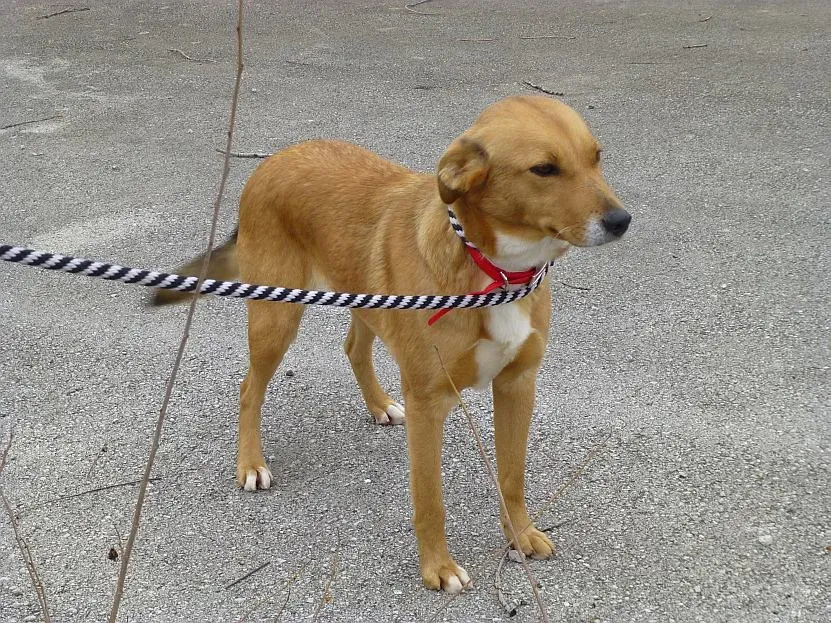
Instead of the loose, happy wag seen with most guests, the tail might hang straight or curl under slightly whenever that person appears. The change can be subtle enough that it registers only after several observations. A tucked tail often pairs with ears pulled back just a fraction.
This posture shift usually occurs even if the visitor offers treats or speaks in a friendly voice. The dog may still accept the treat but without the usual enthusiasm or follow up contact. Consistent low tail carriage around one person stands out against their normal responses to others.
They Become Unusually Quiet or Withdrawn
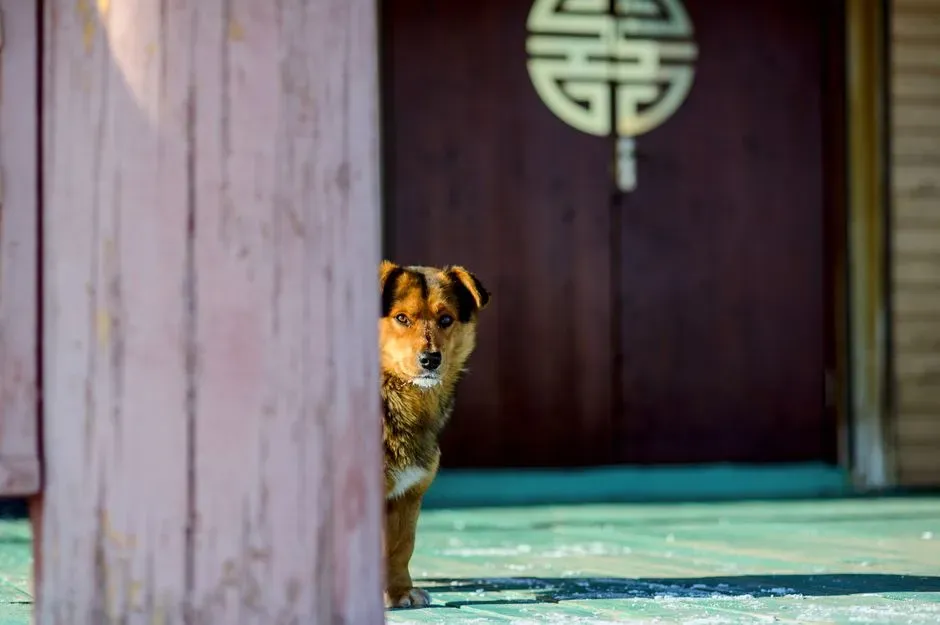
A normally vocal or playful dog can turn silent and keep distance when a certain individual is present. They might lie down in a corner rather than approach for pets or play. The withdrawal feels noticeable because it contrasts with their typical outgoing nature around company.
This quiet phase often ends as soon as the person departs, with the dog returning to usual energy levels. It can happen even during short visits or phone calls if the voice carries through the room. Tracking the timing helps confirm the connection to that one relationship.
They Sniff the Person Repeatedly in a Focused Way
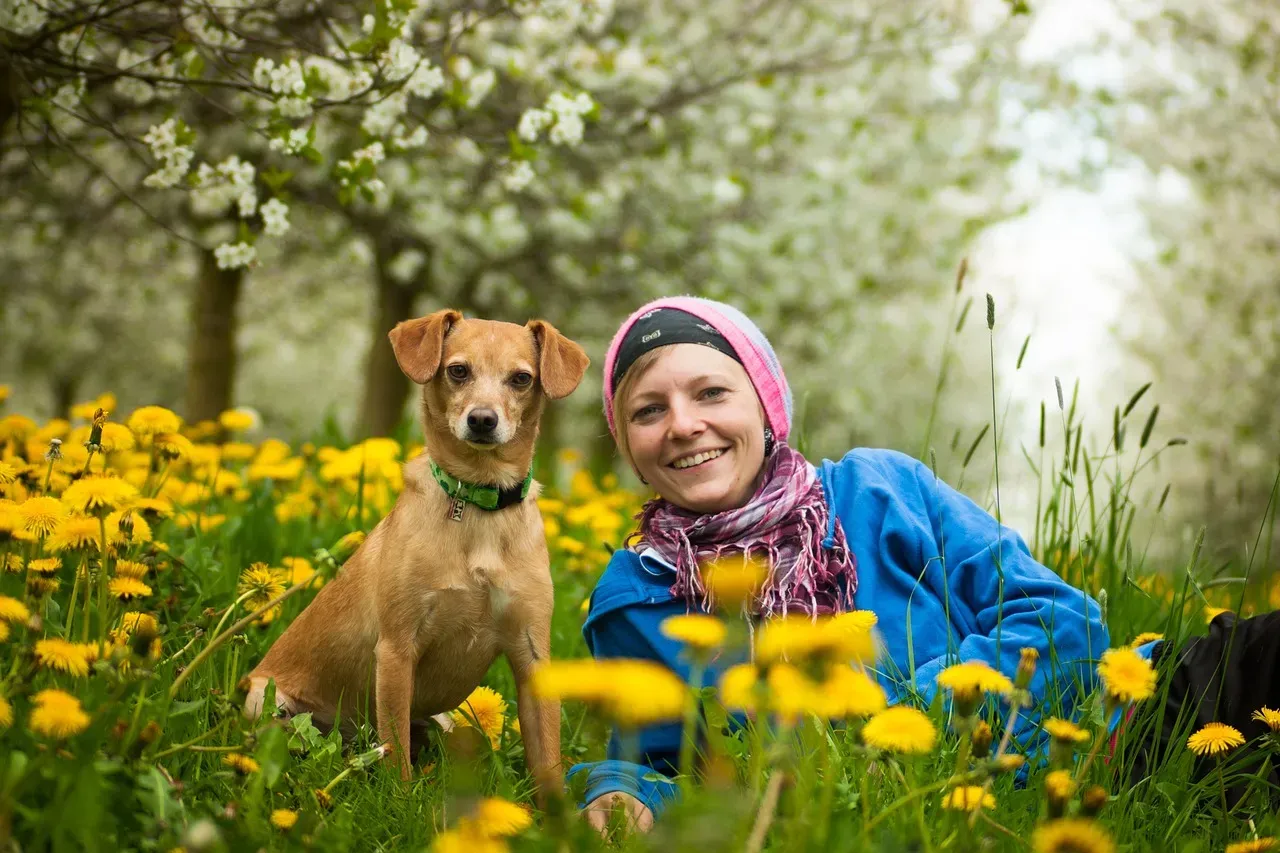
Intense, repeated sniffing around the hands, feet, or clothing can replace the quick once over given to most newcomers. The dog may circle or return to the same spots several times without settling. This focused investigation sometimes occurs even after the person has visited before.
The behavior tends to appear selective rather than applied to every guest. After the sniffing session the dog may back away or avoid further contact. Owners who notice this pattern often see it tied to specific individuals over repeated meetings.
Their Ears Stay Pinned or Flick Constantly
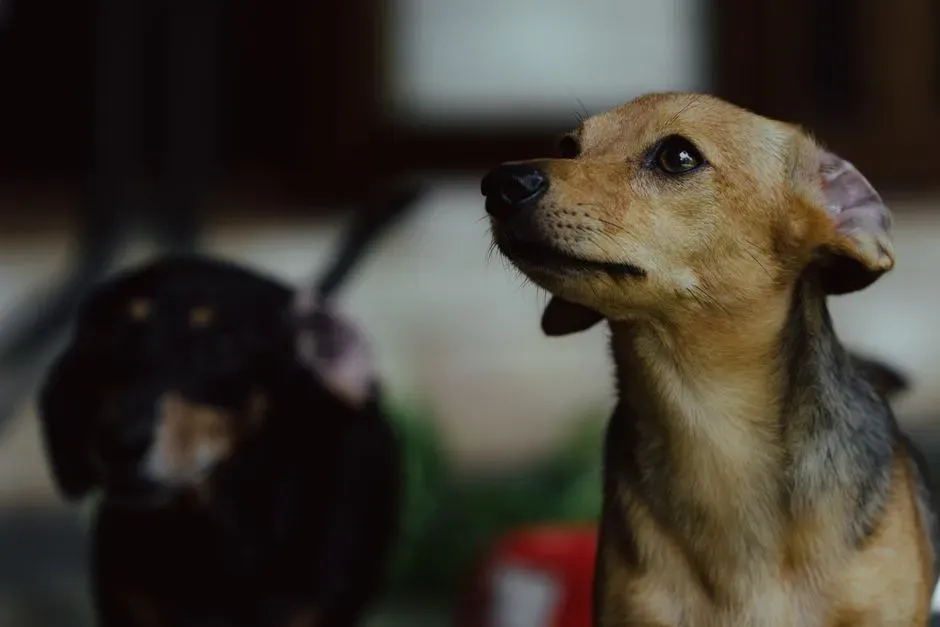
Ears pulled back flat against the head or flicking rapidly can signal discomfort that stays hidden from casual view. The movement might look like simple listening at first, yet it persists only around one person. Combined with other small changes, the ear position adds another layer of information.
These ear adjustments often happen during direct address or when the visitor reaches toward the dog. The dog may still allow touch but without leaning in or seeking more. Repeated observation across visits reveals whether the response stays limited to that relationship.
They Seek Extra Reassurance From You
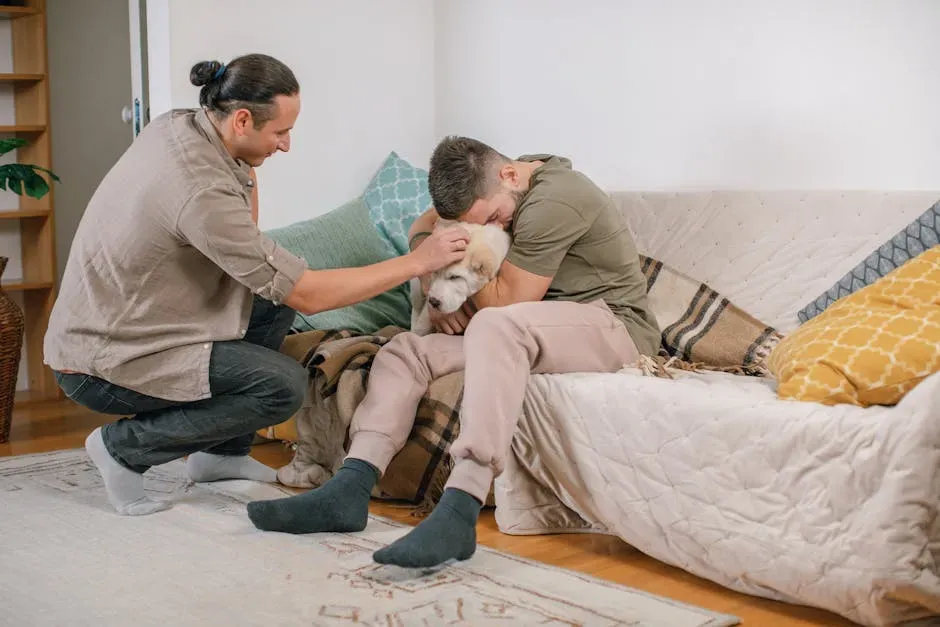
Some dogs will press closer to their owner or glance back frequently when the person is nearby. This checking in can appear as leaning against a leg or brief eye contact before looking away again. The extra contact feels like a request for comfort rather than ordinary affection.
The behavior tends to increase when the visitor moves around the space or raises their voice. Once the person leaves, the dog often returns to independent play or resting. Noticing how often the reassurance seeking occurs helps connect it to that particular presence.
They Avoid Certain Rooms or Areas When the Person Is There
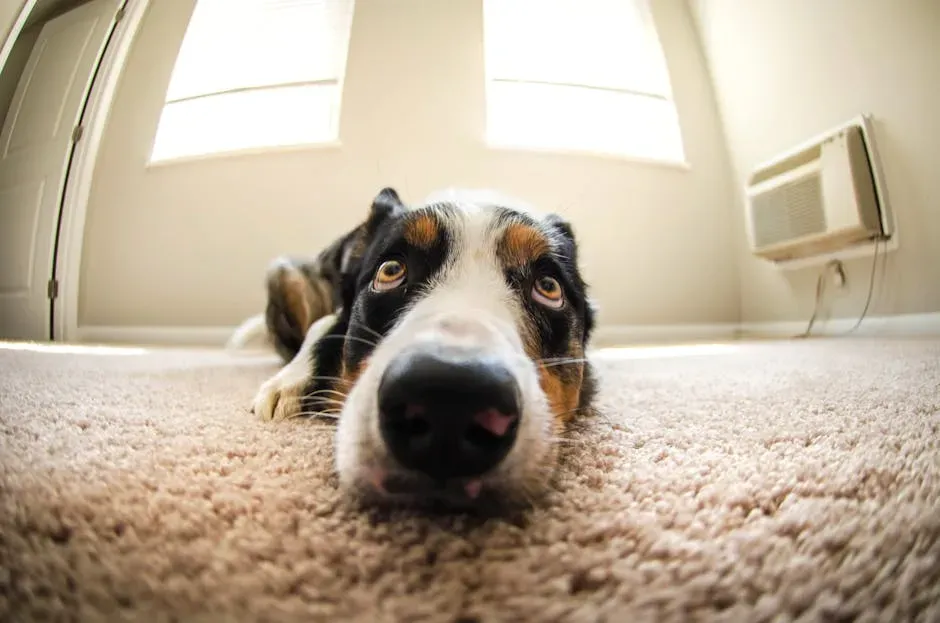
A dog might suddenly refuse to enter the living room or kitchen while one visitor remains in the house. They may wait in a hallway or another space until the person moves on. This avoidance can look like a preference for quiet rather than outright fear.
The pattern usually shows up consistently with the same individual and not with family or other friends. The dog returns to normal movement once that person is gone. Owners who track room choices over time often spot the link more clearly.
They Offer a Low, Almost Inaudible Rumble
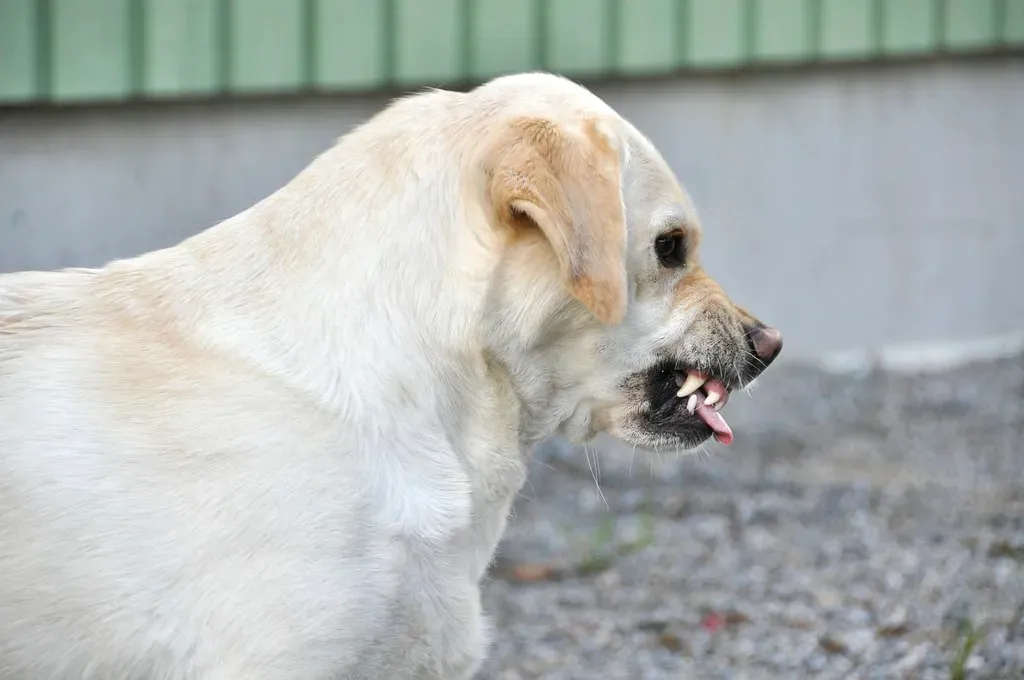
A faint rumble or grumble can emerge during interactions without escalating into full barking. The sound stays quiet enough that it might be missed unless the room is still. It often accompanies the other subtle posture changes already mentioned.
This vocalization tends to appear only with one person and stops when they leave the immediate area. The dog may continue normal activities afterward as if nothing happened. Repeated instances across different visits help distinguish it from random noise.
Dogs offer one more layer of awareness in daily life, yet their signals remain open to interpretation. Combining what they show with direct observation of people and situations usually leads to clearer decisions. Paying attention without jumping to conclusions keeps the bond strong while respecting the limits of any single source of information.


