
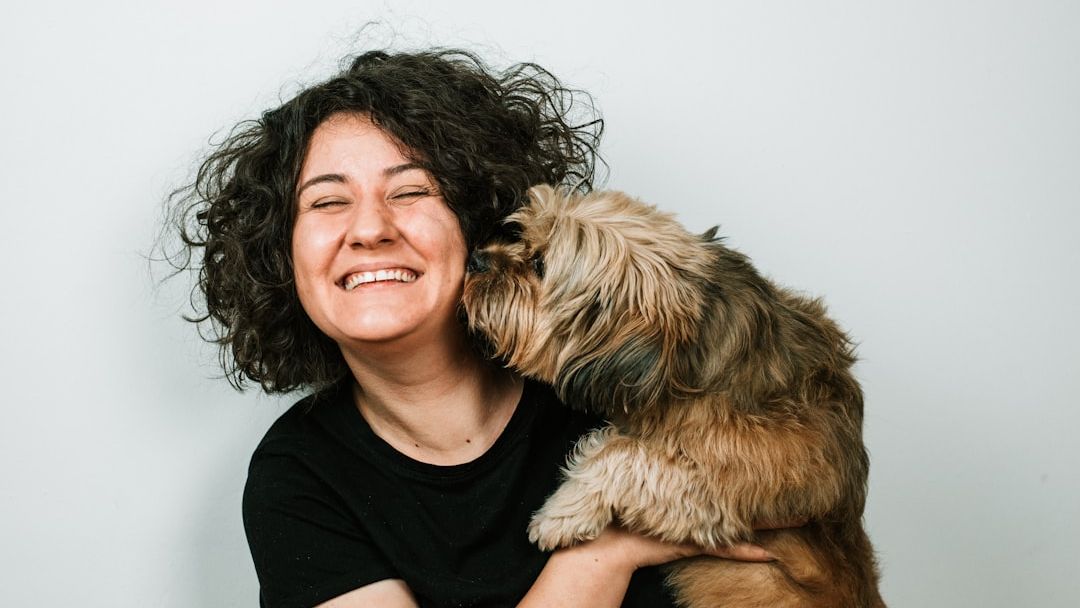
Many people assume a dog’s deepest affections trace back to dramatic origins, like a rescue from hardship or a special early bond. Yet the evidence from behavioral studies points to something much more ordinary and ongoing.
Current interactions shape how dogs express attachment far more than distant history ever could. This shift in understanding changes how we notice love in the small moments of daily life.
The Oxytocin Connection in Routine Moments
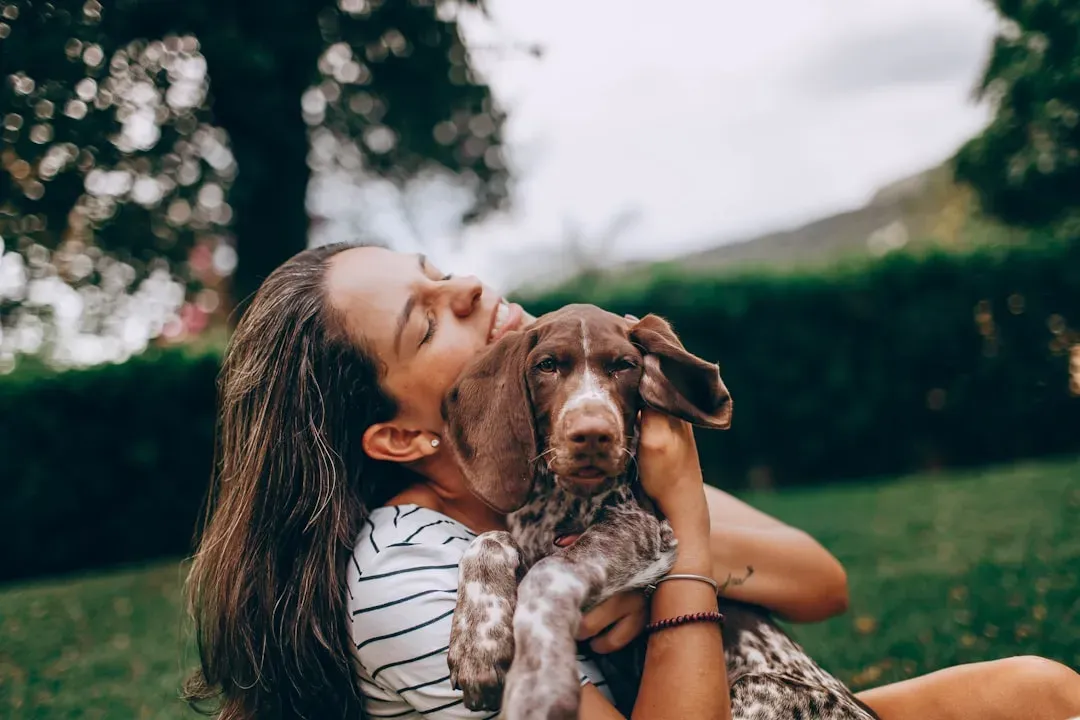
Research shows that simple acts like mutual eye contact or gentle petting trigger oxytocin release in both dogs and their people. This hormone, often linked to bonding in human families, rises during these everyday exchanges and reinforces the sense of connection over time.
The effect builds gradually through repetition rather than one dramatic event. Dogs that experience consistent positive touch and gaze in ordinary settings develop stronger measurable responses in their stress and reward systems. These patterns hold across different backgrounds and living situations.
Following You as a Quiet Declaration
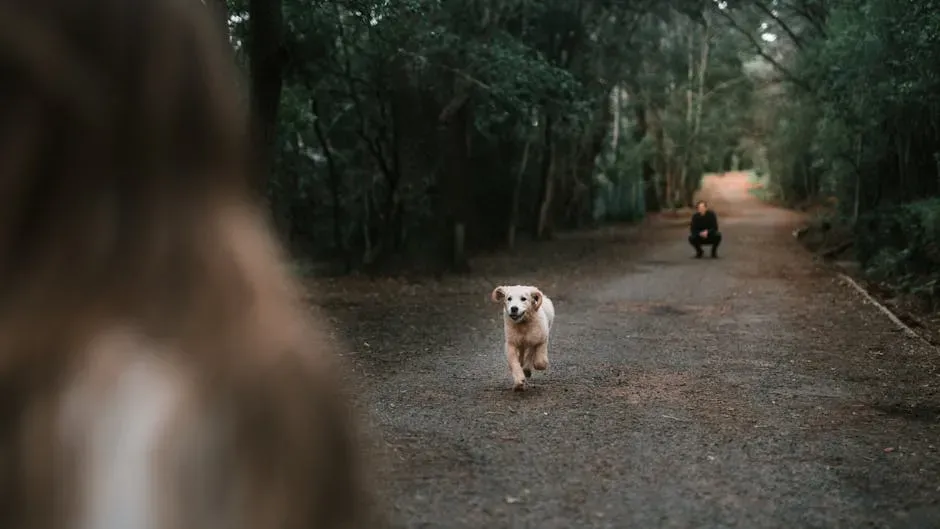
Dogs often trail their favorite person from room to room as a steady sign of preference and security. This behavior emerges from repeated shared experiences in the home rather than any single chapter from earlier life.
Studies of attachment highlight how proximity seeking reflects current comfort levels. A dog that chooses to stay close during meals, work sessions, or quiet evenings demonstrates trust built through daily presence. The pattern appears reliably when owners maintain predictable routines.
Leaning In and Physical Contact
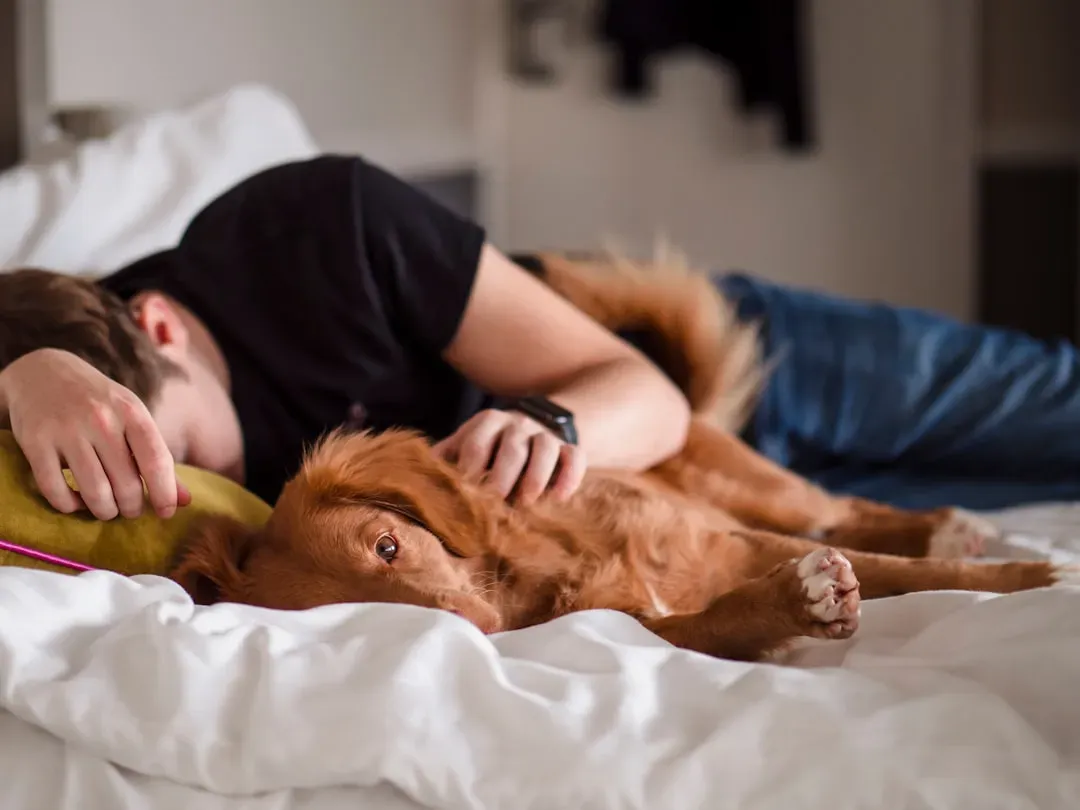
Pressing against a leg or resting a head on a lap serves as a clear indicator of seeking comfort and closeness. These gestures occur most often in familiar environments where the dog has learned that contact brings calm.
Behavioral observations link such leaning to secure attachment formed through ongoing interactions. Dogs display this more readily after periods of shared calm activities like walks or rest times. The action itself strengthens the loop of mutual reassurance.
Excitement on Returns and Departures
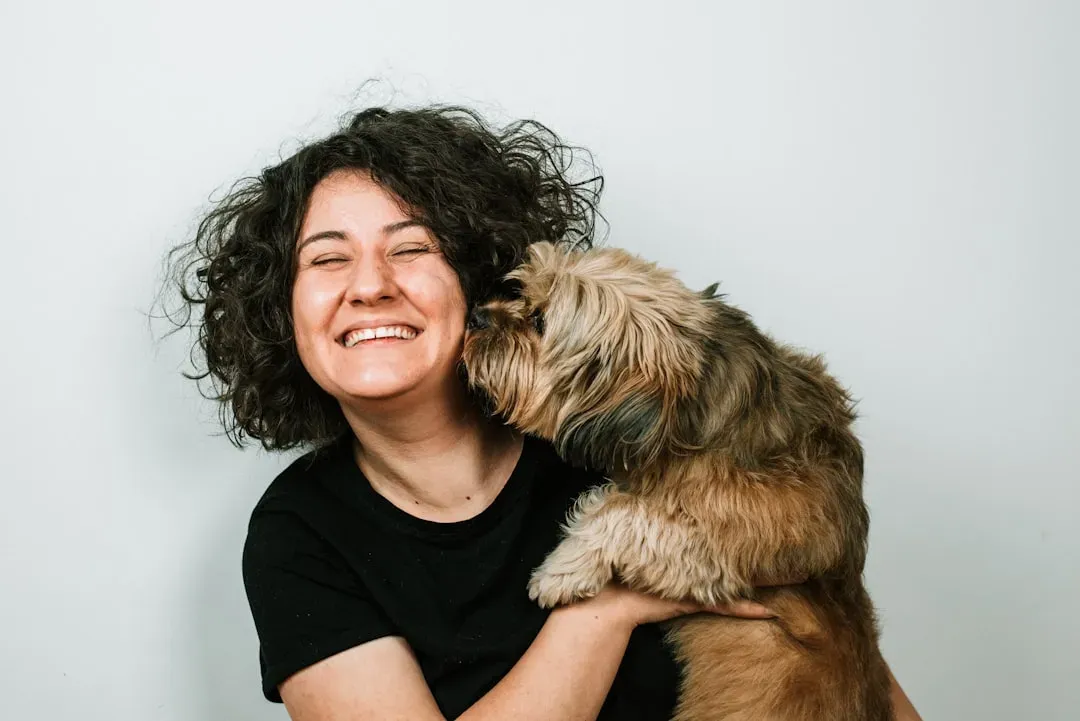
The enthusiastic greeting at the door or relaxed acceptance of departures reflects learned expectations from regular comings and goings. These responses develop through consistent patterns rather than fixed traits from the past.
Heart rate and hormone data support that reunion moments activate reward centers when the relationship includes reliable daily contact. Dogs adjust their energy based on how owners handle these transitions over weeks and months. The result feels personal because it stems from lived repetition.
Play Invitations and Shared Energy
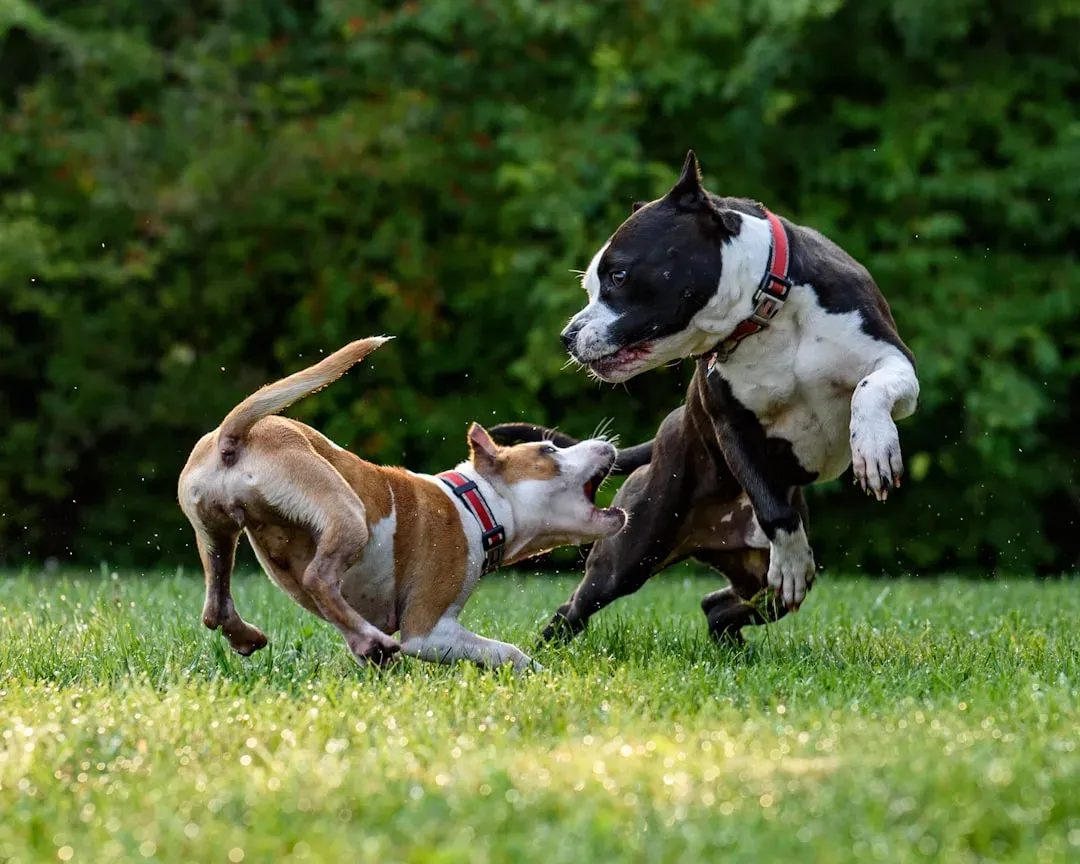
Bringing a toy or initiating a game signals a desire to engage specifically with one person. This choice arises from positive associations built during repeated play sessions in the present.
Attachment research notes that dogs direct play toward those who respond reliably and enjoyably. The frequency and style of these invitations track closely with current household rhythms. Past experiences may influence initial caution, yet ongoing play quickly shapes the expression of preference.
Relaxation and Settling Nearby

A dog that settles calmly in the same space as its person shows a level of ease tied to daily security. This quiet presence often follows periods of normal activity and interaction.
Physiological measures indicate lower stress markers when dogs rest near familiar humans after routine events. The ability to relax together grows from accumulated moments of safety rather than any fixed history. Owners notice this shift most clearly when they maintain steady, low-pressure company.
Why the Present Relationship Matters Most
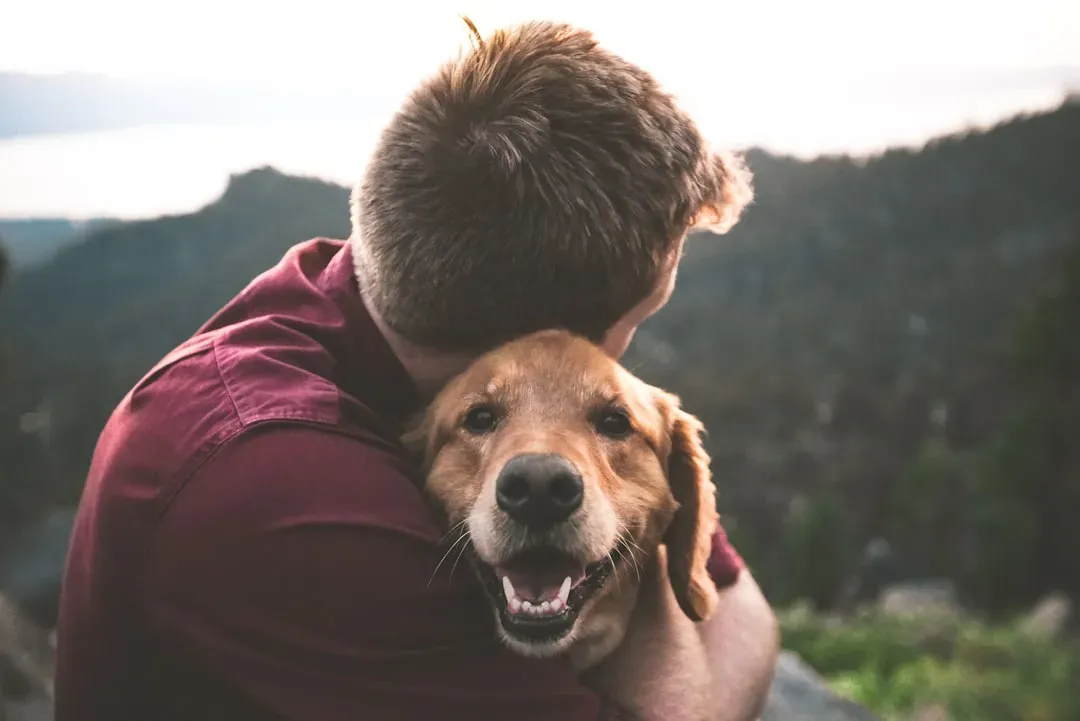
Canine science consistently shows that secure bonds form and strengthen through current actions, even for dogs with varied earlier experiences. Daily choices in care, attention, and consistency create the foundation for how affection appears.
While early life can set initial tendencies, the evidence points to ongoing interactions as the primary driver of visible love. Focusing on these present patterns gives owners a practical way to nurture connection without overemphasizing what came before. In the end, the love dogs show lives in the ordinary days we share right now.


