

Picture this scene at the local park. A person leans down to their dog and says something like, “You seem a bit off today, buddy. Rough night?” The dog tilts its head, and the conversation continues as if the answers are clear. Most passersby smile or move on without a second thought. Yet this everyday moment points to something deeper in how some minds work.
It turns out the habit of addressing a dog in full human sentences often signals a particular way of seeing the world. This approach draws on cognitive skills that not everyone taps into the same way. The result feels natural to those who do it, even when others find it puzzling.
The Roots of Anthropomorphism in Daily Life
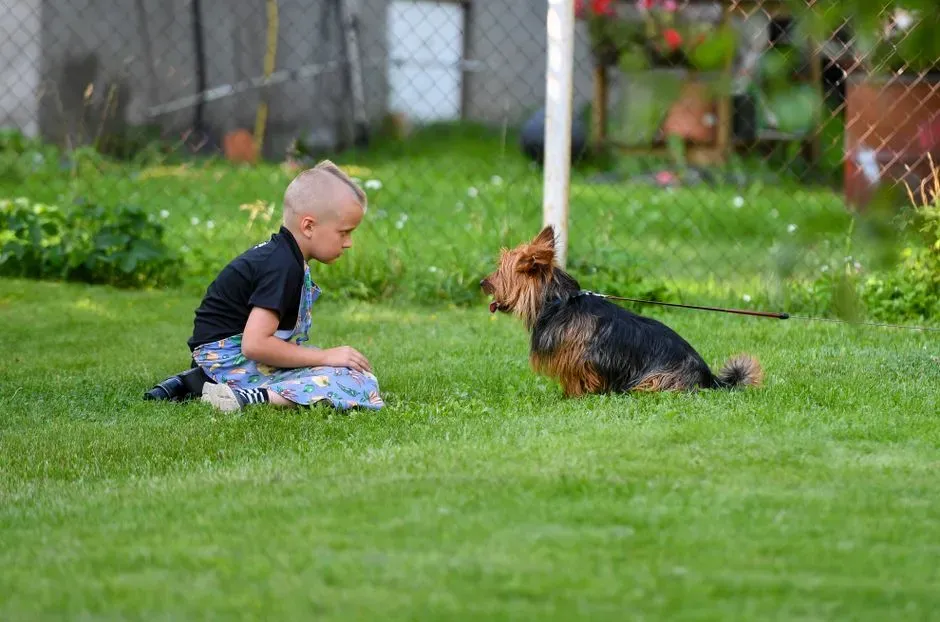
Psychologists describe this pattern as anthropomorphism, the tendency to assign human like thoughts and feelings to animals. It activates the same mental processes used when reading another person’s mood or intentions. Research links it to the brain’s social cognition networks rather than any form of confusion.
People who engage this way often do so without effort. They notice subtle shifts in their dog’s posture or energy and respond in kind. The practice builds over time through repeated interactions that feel reciprocal. It reflects a consistent habit of extending social awareness beyond human circles.
Empathy That Extends Beyond Species Lines

At its heart this behavior reveals a strong capacity for empathy. The person imagines the dog’s inner experience and responds accordingly. Studies connect regular anthropomorphism with richer emotional attunement in general.
This form of empathy shows up in small choices throughout the day. A quick check in with the dog before leaving the house mirrors the same attentiveness applied to friends or family. It creates a steady practice ground for understanding perspectives that differ from one’s own. Over time the skill becomes more automatic and reliable.
Perspective Taking as a Quiet Strength

The real gift here involves perspective taking, the ability to step into another viewpoint even when it belongs to a different species. This mental flexibility draws on the same tools used in human relationships. It allows for more nuanced responses to both pets and people.
Those who practice it regularly often find conversations flow more easily in other areas of life. They pick up on unspoken cues because they have rehearsed the habit with their dog. The result is a broader social awareness that feels second nature rather than forced. It stands out because it operates without fanfare.
Links to Emotional Intelligence in Action
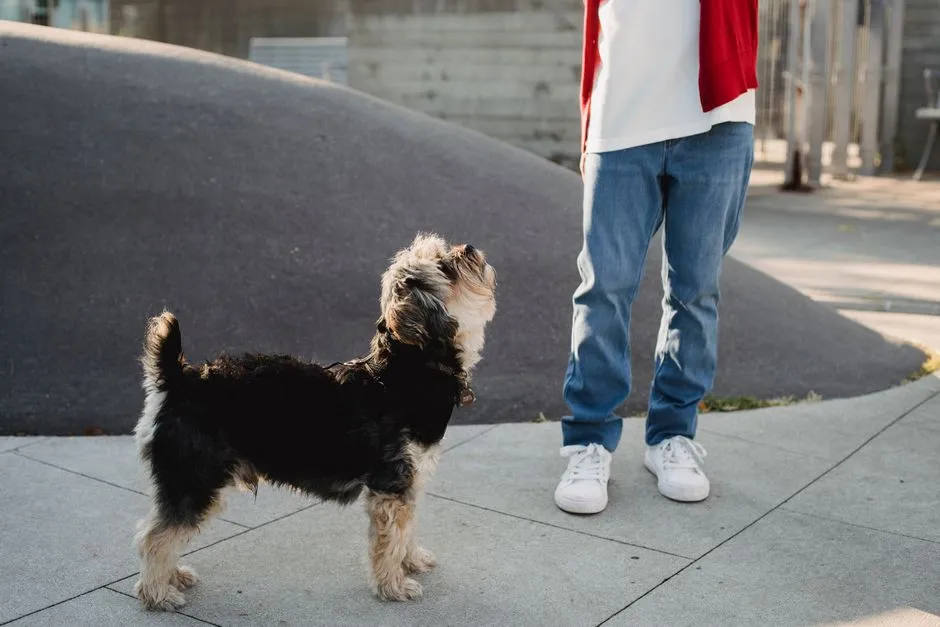
Emotional intelligence gains a boost from these ongoing dialogues. Reading a dog’s emotional state requires noticing tone, body language, and context all at once. The same awareness transfers when dealing with human emotions that are equally complex.
People with this habit tend to handle misunderstandings with more patience. They have already practiced translating between different ways of experiencing the world. The outcome shows in steadier relationships and fewer unnecessary conflicts. It becomes a practical advantage rather than an abstract trait.
Creative Thinking That Fuels Connection
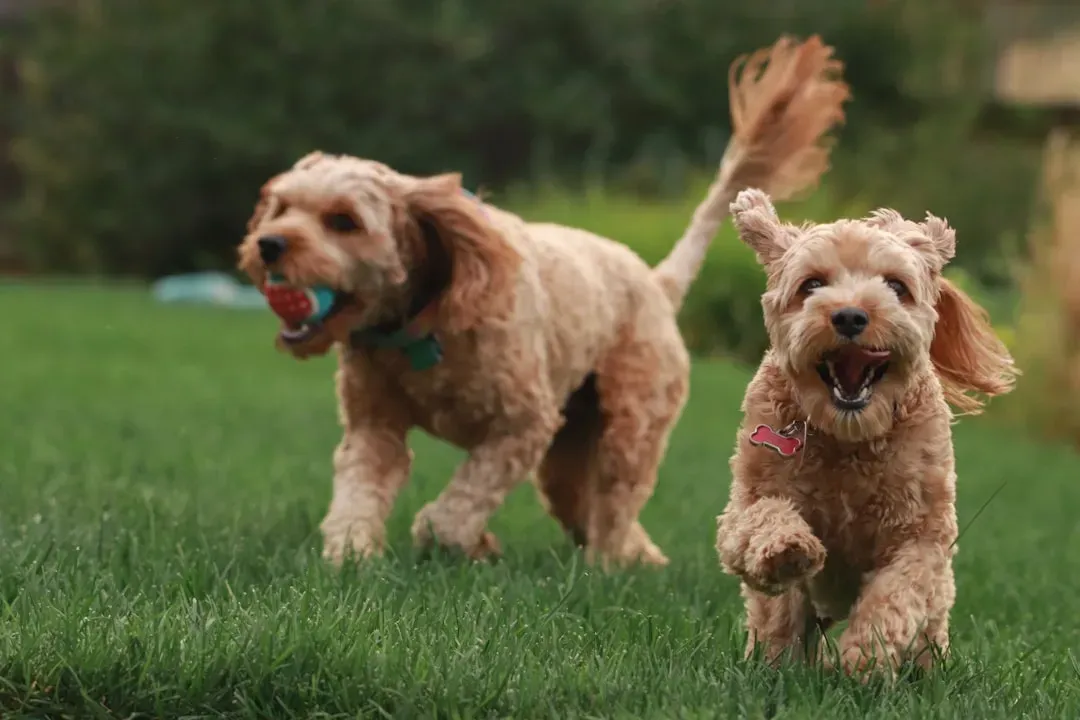
Assigning human qualities to a dog also exercises creative faculties. It involves constructing an inner narrative for the animal based on observed behavior. This imaginative step strengthens the bond and keeps interactions lively.
The creativity stays grounded in real observations rather than fantasy. A person might invent a playful story about why the dog prefers one toy over another. Such moments keep the relationship fresh and engaging for both sides. They demonstrate mental agility that serves other creative pursuits as well.
Why the Trait Often Goes Unnoticed
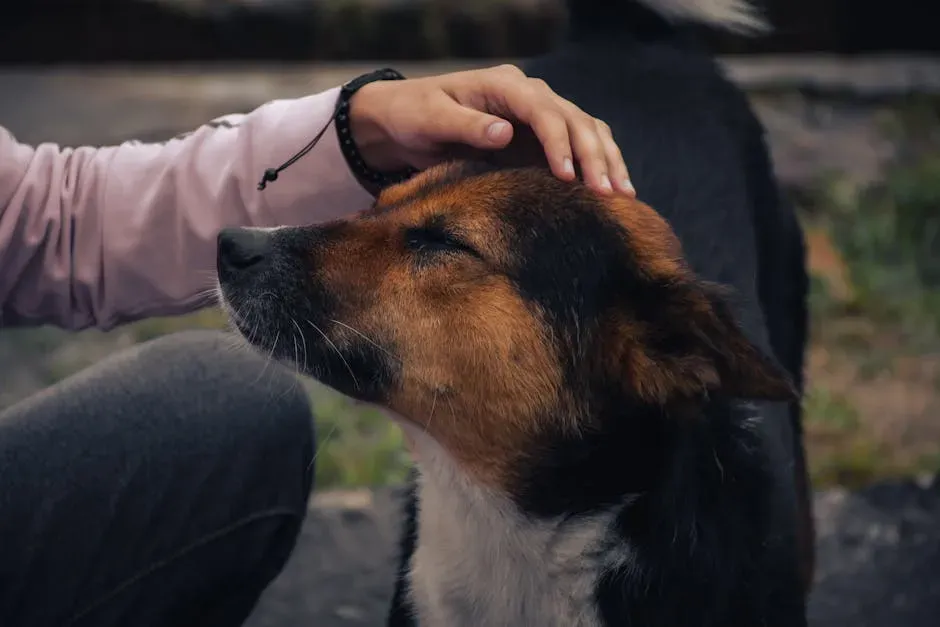
Many people view the habit as quirky or overly sentimental. They miss the underlying cognitive work because it looks simple on the surface. The skill operates quietly and does not announce itself in obvious ways.
Society tends to reward more visible forms of intelligence. Quiet empathy expressed through pet conversations receives less attention. Yet those who possess it often report deeper satisfaction in their daily connections. The mismatch in perception leaves the gift somewhat hidden from casual view.
Practical Ways the Gift Shows Up Elsewhere

The same mindset appears in how these individuals approach teamwork or caregiving roles. They listen for what remains unsaid and adjust their responses accordingly. The practice with a dog provides low stakes rehearsal for higher stakes situations.
Friends and colleagues sometimes comment on the person’s intuitive understanding. It stems directly from the habit of treating another being as fully present in the exchange. The result feels effortless to the person doing it and slightly mysterious to observers. It simply becomes part of how they move through the world.
In the end the ability to speak to a dog as a full participant reflects a rare blend of empathy and imagination that enriches life in quiet but lasting ways. Those who have it rarely need others to understand the details. They simply continue the conversations that make their days feel more connected. The rest of us might benefit from noticing the pattern the next time we see it in action.


