
Owners often sense when something feels off with their dog in the final stretch, yet the signals can be easy to miss amid daily routines. Subtle shifts in behavior sometimes point to the body winding down, and catching them can help families prepare with more grace.
These moments vary from one dog to the next, shaped by age, health, and personality. Still, certain patterns appear often enough that veterinarians hope more people learn to read them without panic or denial.
They Begin to Pull Away from Daily Interactions

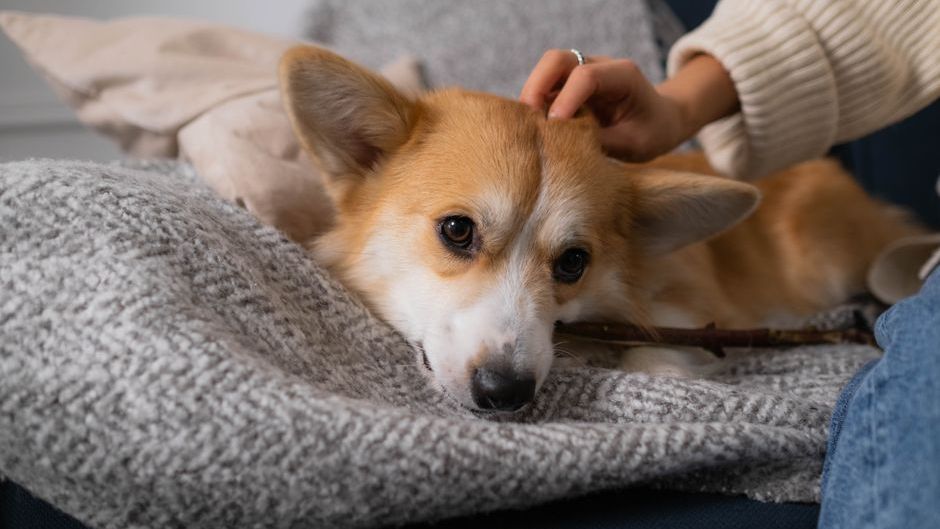
Dogs that once greeted every family member with enthusiasm may start choosing quiet corners instead. This withdrawal often shows up as less tail wagging or fewer attempts to join group activities around the house. The change can feel sudden, yet it usually builds over a day or two as energy reserves drop.
Owners sometimes mistake this for simple tiredness after a long walk or a minor stomach upset. In reality the dog is conserving what little strength remains for essential functions. Recognizing the pattern early lets families adjust expectations and offer gentle presence without forcing engagement.
Appetite Drops Sharply and Water Intake Follows
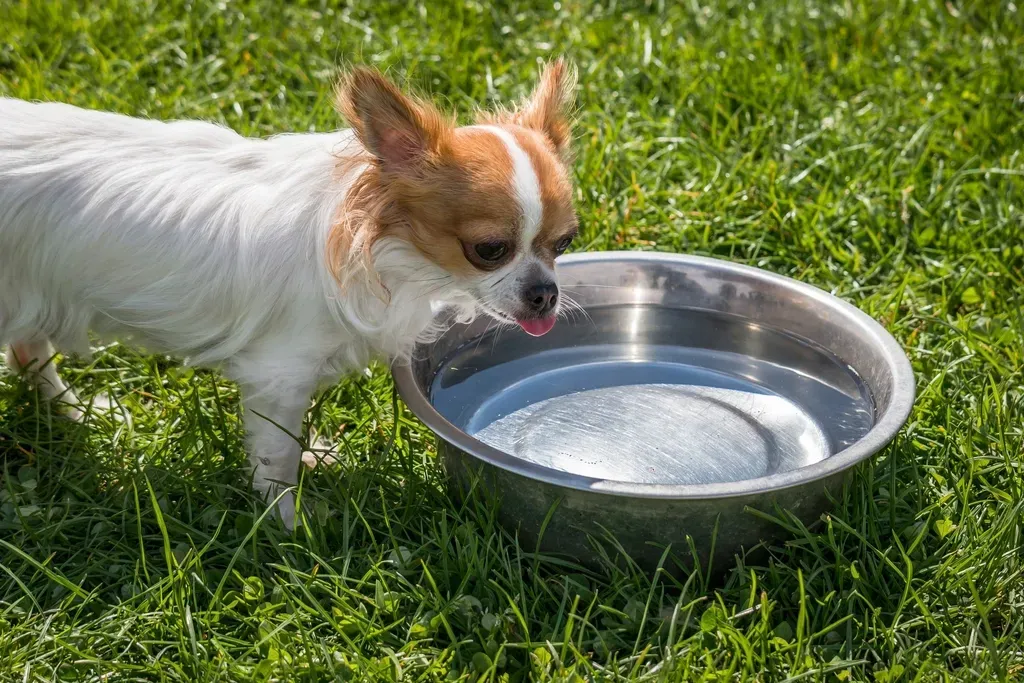
A favorite meal sits untouched while the dog shows little interest in treats that normally spark excitement. This refusal extends beyond one skipped dinner and often includes turning away from fresh water bowls placed nearby. The body is shifting focus away from digestion as systems slow.
Veterinarians note that forcing food at this stage rarely helps and can add stress. Instead, small amounts of palatable options like broth may be offered without pressure. Tracking the shift helps owners understand that comfort now matters more than nutrition.
Sleep Becomes Deeper and Longer Than Usual

Normal naps stretch into hours of near motionless rest, with the dog rousing only briefly before settling again. Breathing during these periods stays steady at first, though it may grow shallower over time. The increased sleep reflects the body directing resources inward rather than outward activity.
Families sometimes worry the dog is in pain when it fails to respond quickly to voices. In many cases the animal simply lacks the reserves to stay alert. Gentle checks for responsiveness remain useful, yet constant disturbance can interrupt needed rest.
Breathing Patterns Turn Noticeably Different

Breaths may lengthen into slower cycles or include brief pauses that resolve on their own. Some dogs begin to pant lightly even while resting in a cool room. These adjustments signal that the respiratory system is adjusting to reduced demand from other organs.
Owners who monitor from a distance often notice the rhythm feels less even than before. The change does not always mean immediate crisis, yet it warrants a calm call to the veterinarian for guidance. Knowing this sign helps families avoid unnecessary alarm while staying prepared.
They Seek Extra Closeness in Quiet Moments
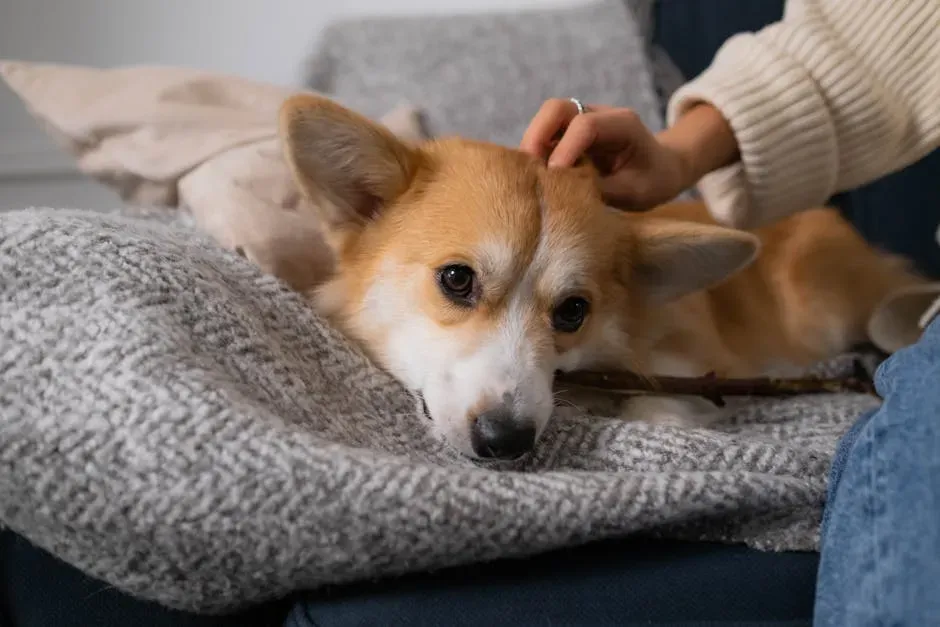
Some dogs reverse course and press against a familiar leg or rest a head on a lap more often than usual. The contact feels deliberate rather than playful, as though the animal draws reassurance from steady presence. This behavior can appear alongside the earlier withdrawal, creating a mixed picture that confuses owners.
The instinct to stay near trusted humans reflects a need for security during physical decline. Short, calm sessions of petting or simply sitting together often bring visible relaxation. Vets encourage families to follow the dog lead rather than impose a set routine.
Restlessness Replaces Settled Behavior
A dog that normally curls up in one spot may rise, circle, and lie down again in quick succession. The movement lacks purpose and seems driven by discomfort rather than curiosity about household sounds. Such pacing tends to occur more at night when the house grows still.
Soft bedding adjustments or a familiar blanket sometimes ease the urge to move. The pattern usually lasts only a short while before the dog tires and rests again. Recognizing it as a passing phase rather than a behavioral problem keeps interactions supportive.
Control Over Basic Functions Begins to Slip
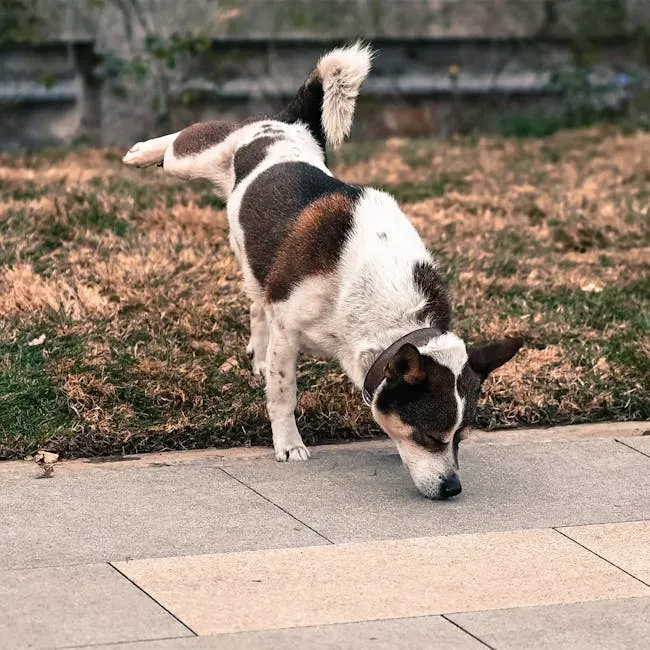
Accidents inside the house appear even in dogs previously reliable about signaling needs. The loss stems from weakened muscles rather than forgetfulness or defiance. Owners may notice smaller leaks during sleep or after standing up from a nap.
Extra absorbent pads and frequent gentle cleanings reduce mess without adding shame to the situation. This sign often arrives late in the process and pairs with other changes already underway. Families who prepare supplies ahead find the final days less chaotic.
Trusting Instincts Matters Most in the End
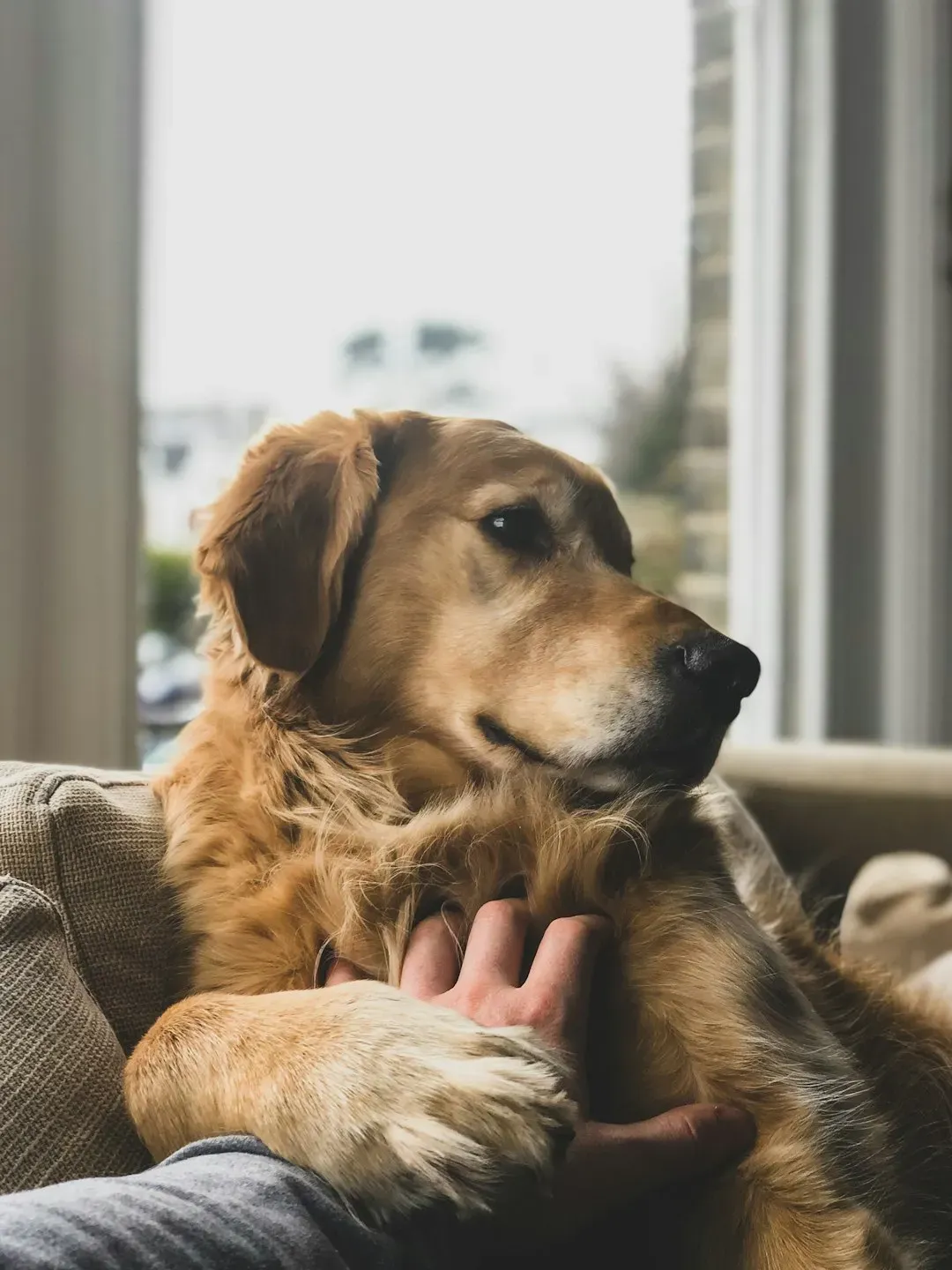
Every dog writes its own ending, yet these shared signals give owners a language for what the body is communicating. Paying attention without rushing to worst conclusions allows space for meaningful goodbyes. Vets see the difference when families feel informed rather than blindsided.
Preparation does not remove the sadness, yet it can replace panic with quiet presence. The bond formed over years deserves that final measure of care and calm recognition.


