
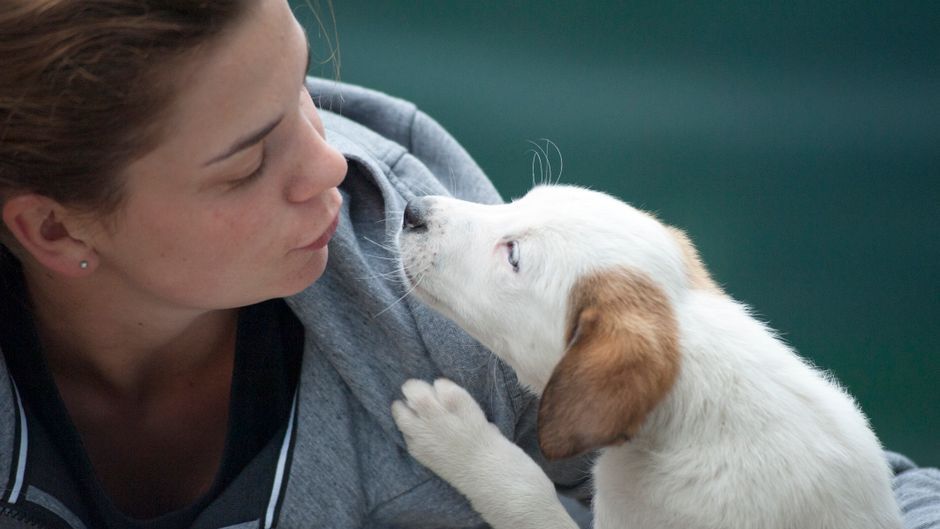
You walk through the door after a full day away, keys still jingling in your hand. Your dog appears, and the way they move toward you can feel like an instant read on the day ahead. What many owners notice without realizing is that those first moments often reflect deeper patterns in how secure the relationship feels from the dog’s side.
Animal behavior research has explored attachment in dogs for years, drawing parallels to how young children form bonds with caregivers. The greeting ritual at the end of the workday turns out to be one of the more consistent windows into that dynamic. Paying attention to the details can shift how you interpret everyday interactions at home.
The Roots of Canine Attachment Research
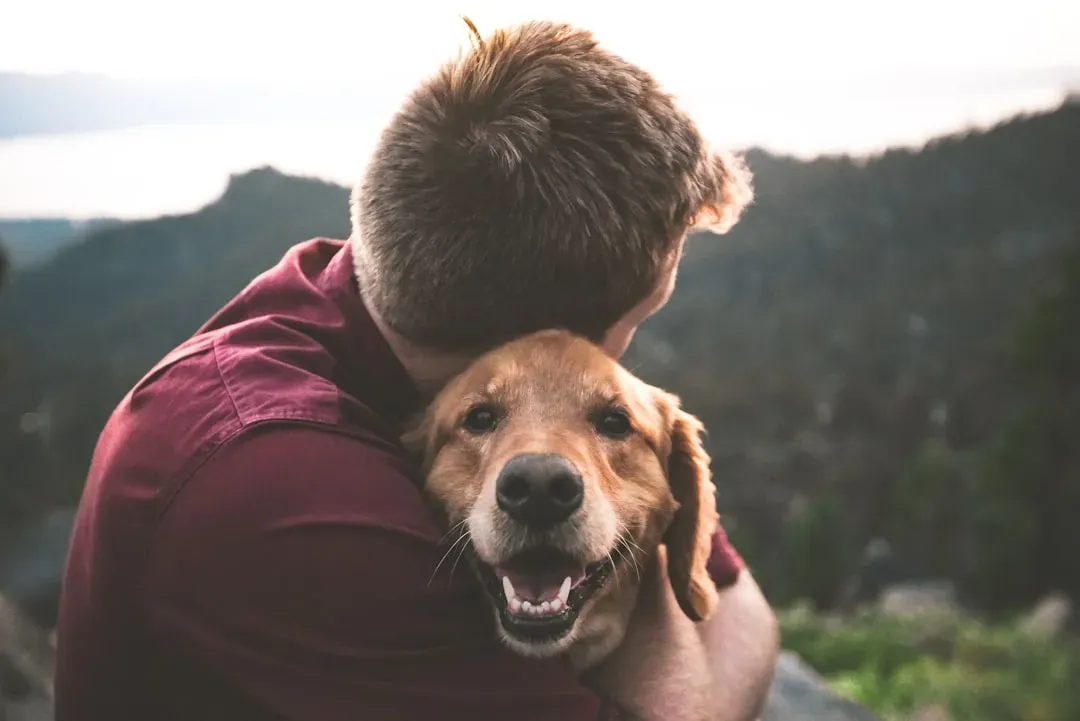
Studies adapted from human developmental psychology have shown that dogs form distinct attachment styles with their primary people. These patterns emerge through repeated interactions over time rather than appearing overnight. Researchers observe how dogs respond when separated and then reunited with their owners in controlled settings.
The results point to variations that mirror secure, anxious, or avoidant tendencies seen in other species. A dog with a secure base tends to explore freely when the person is present and shows balanced interest upon return. This foundation influences everything from daily routines to how stress is handled during absences.
Calm Approaches Signal a Steady Connection
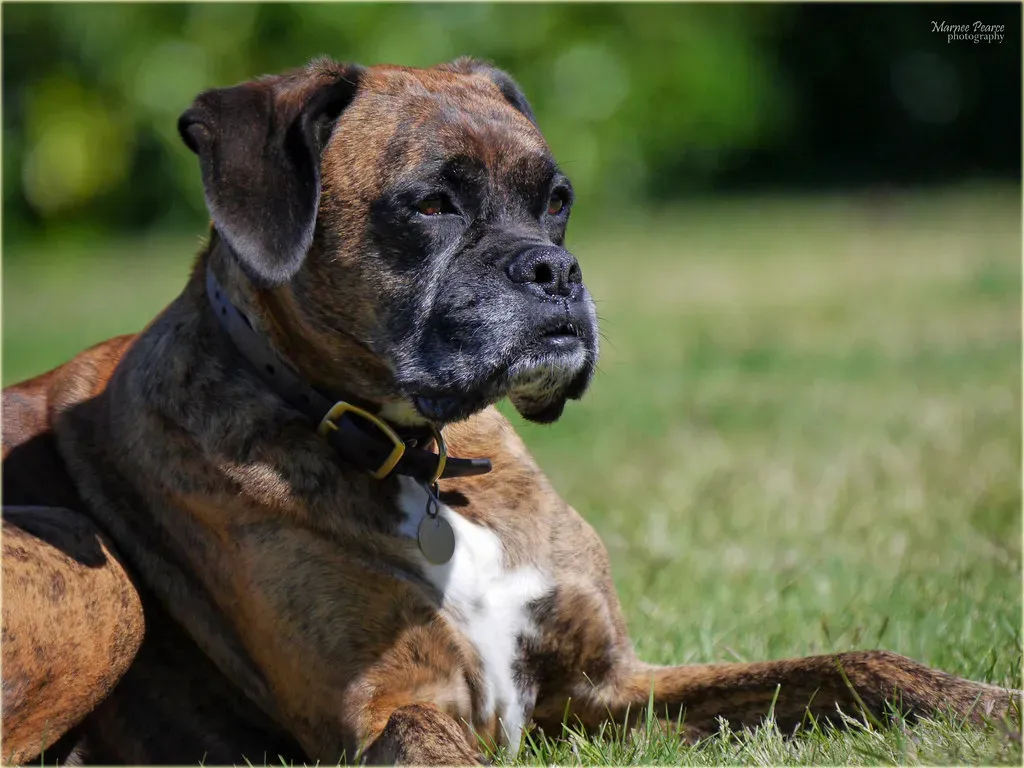
When a dog trots over with a relaxed posture and soft eye contact, it often indicates they view you as a reliable source of comfort. They do not need to rush or overwhelm because the bond feels consistent. This measured greeting allows space for both of you to settle back into the shared space without pressure.
Owners sometimes mistake this quieter style for indifference, yet it actually reflects trust built through predictable care. The dog knows you will be there and does not feel the need to confirm it dramatically each time. Over weeks and months, these steady reunions reinforce a sense of safety that carries into other parts of the day.
Enthusiastic Displays and What They Communicate
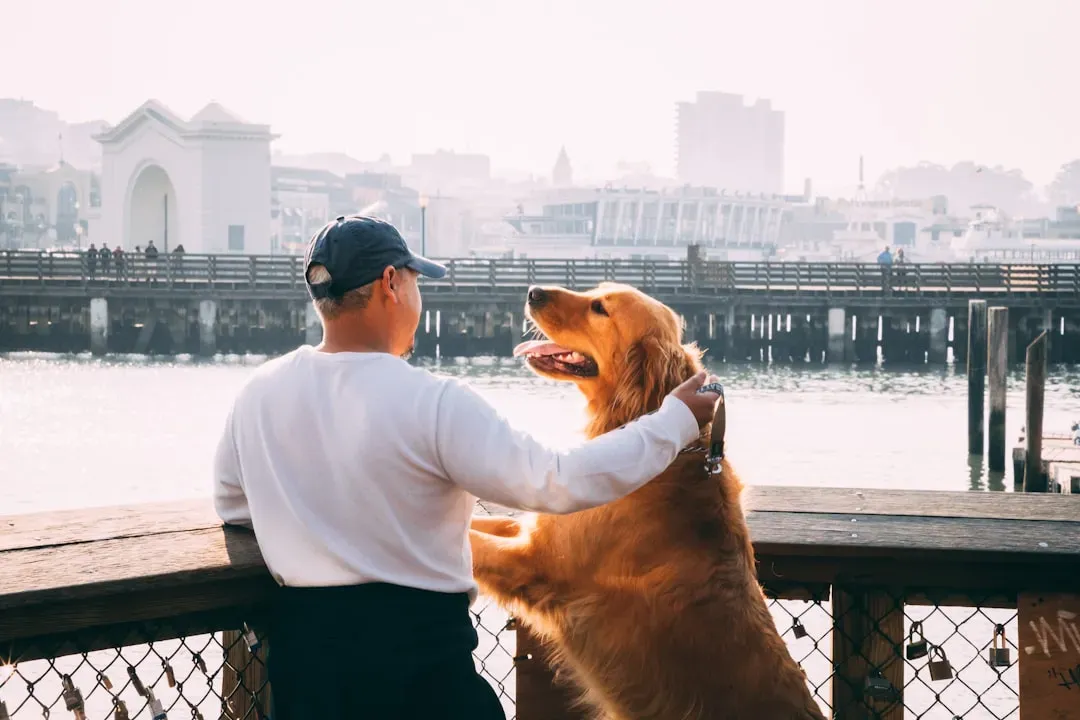
Some dogs launch into full body wiggles, spins, or vocal greetings the moment the door opens. This high energy can stem from genuine excitement rooted in a positive association with your presence. It shows the dog has learned that your return brings good things, whether treats, walks, or simple companionship.
At the same time, the intensity matters. When the enthusiasm stays joyful without tipping into frantic clinging, it usually points to a secure expectation that the relationship will continue smoothly. The dog expresses pleasure while remaining grounded in the knowledge that separation was temporary and safe.
Subtle Cues in Body Language During Reunions
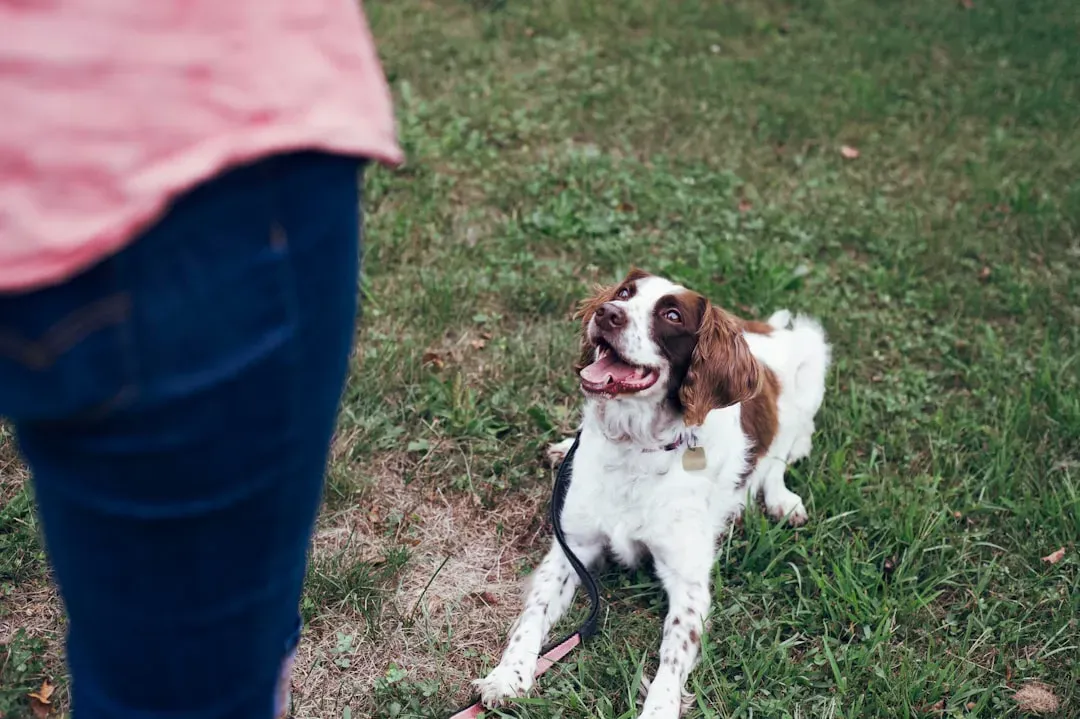
Tail position, ear placement, and overall muscle tension offer additional layers of information beyond the initial movement. A loose, sweeping tail paired with a lowered head often aligns with comfort and security. These small signals accumulate into a clearer picture of how the dog processes your absence and return.
Conversely, a tucked tail or stiff posture might hint at lingering uncertainty even if the dog still approaches. These moments invite owners to consider recent changes in routine or environment that could affect the dog’s sense of stability. Adjusting small elements like consistent departure cues can help ease any underlying tension.
How Separation Length and Routine Play a Role
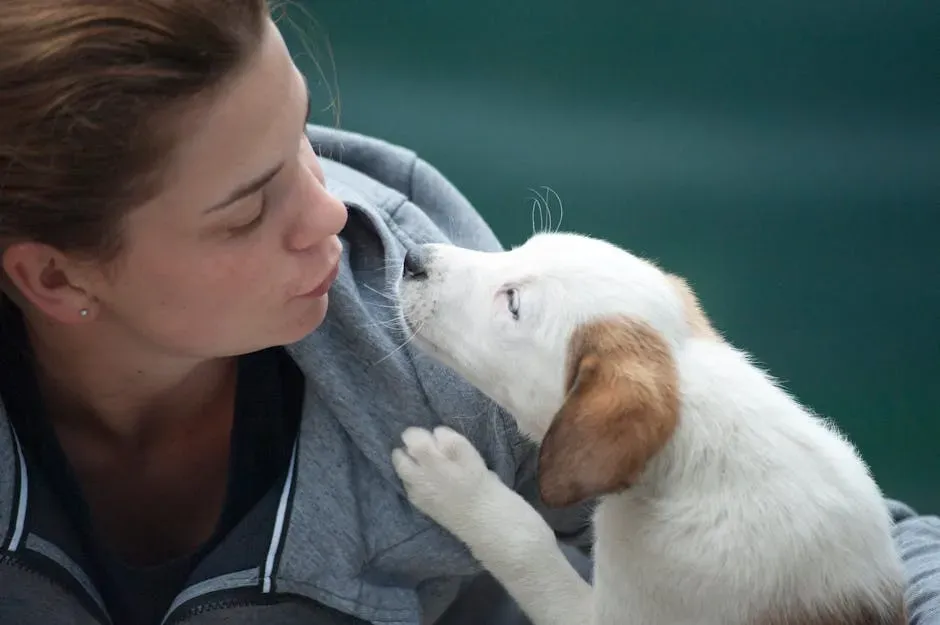
The duration of time apart influences greeting intensity for many dogs, yet the underlying attachment style shapes the baseline response. Short absences might produce mild interest while longer ones test the strength of the bond more noticeably. Dogs with secure attachments tend to recover quickly regardless of the exact hours involved.
Daily routines also matter because they create predictability that supports emotional security. Feeding times, walk schedules, and even the way goodbyes are handled contribute to the overall framework. When these elements stay steady, dogs carry that reliability into their greeting behaviors at the end of the day.
Recognizing Signs of Uncertainty in Everyday Moments
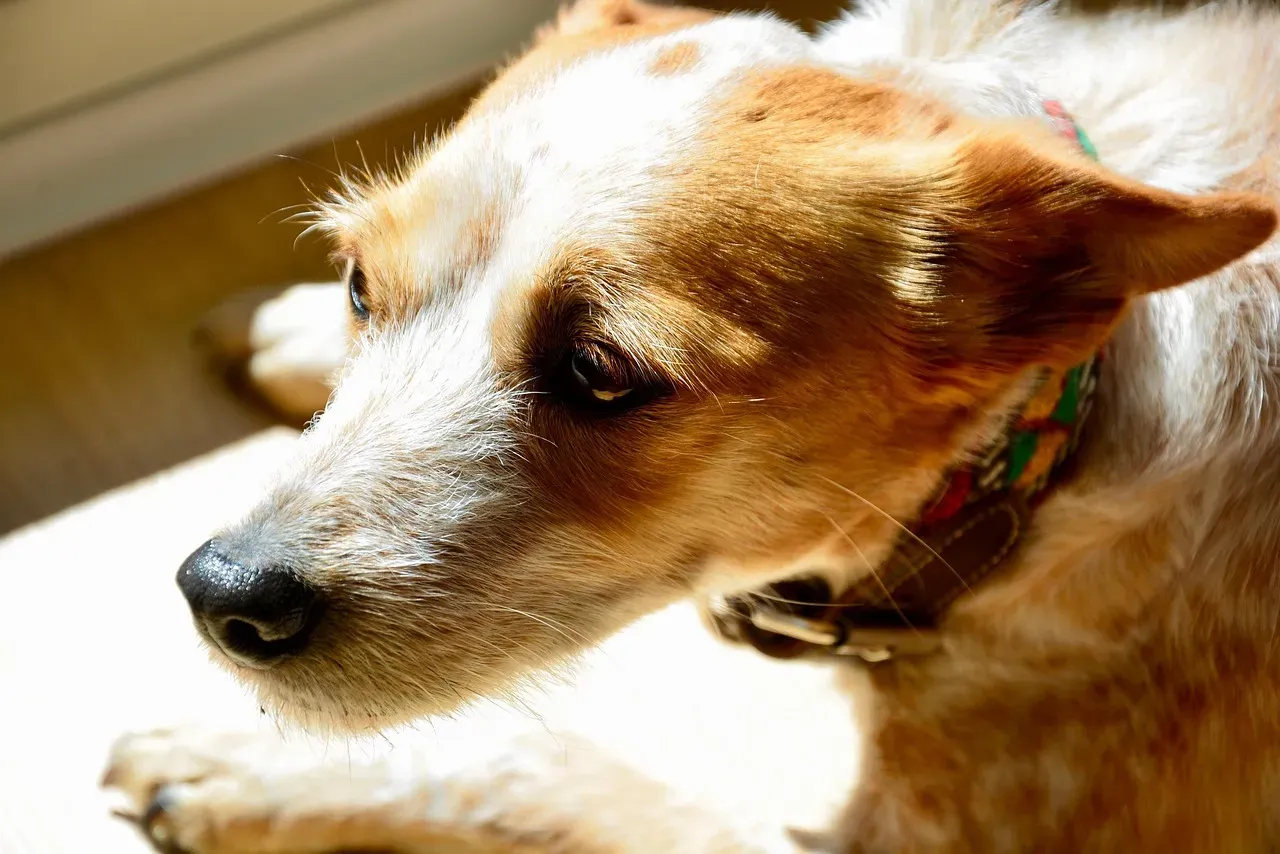
Some dogs show hesitation before fully engaging, circling first or checking from a distance. This pattern can reflect an anxious element in the attachment where reassurance feels necessary each time. It does not mean the relationship is broken, only that the dog benefits from extra consistency during transitions.
Owners who notice these tendencies can respond with calm presence rather than matching the worry with extra fuss. Simple acts like sitting down and letting the dog approach on their own terms often reduce the need for repeated confirmation. Over time, these adjustments help shift the greeting toward greater ease.
Strengthening the Bond Through Attuned Responses
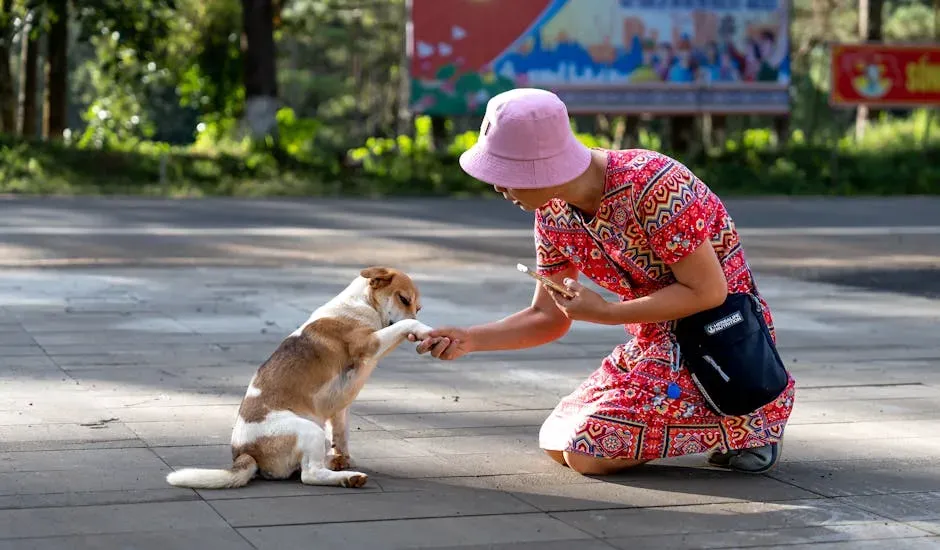
Understanding the greeting as a window into attachment encourages small, thoughtful adjustments in daily life. Responding to a dog’s signals with patience rather than assumptions builds on the existing foundation. This awareness turns ordinary homecomings into opportunities for connection without requiring dramatic changes.
The real value lies in recognizing that security grows from accumulated experiences rather than single moments. When owners stay observant and responsive, the relationship deepens naturally. In the end, the way a dog greets you after work becomes less about performance and more about the quiet confidence that comes from feeling reliably cared for.


