
The Roots of the Grateful Rescue Story
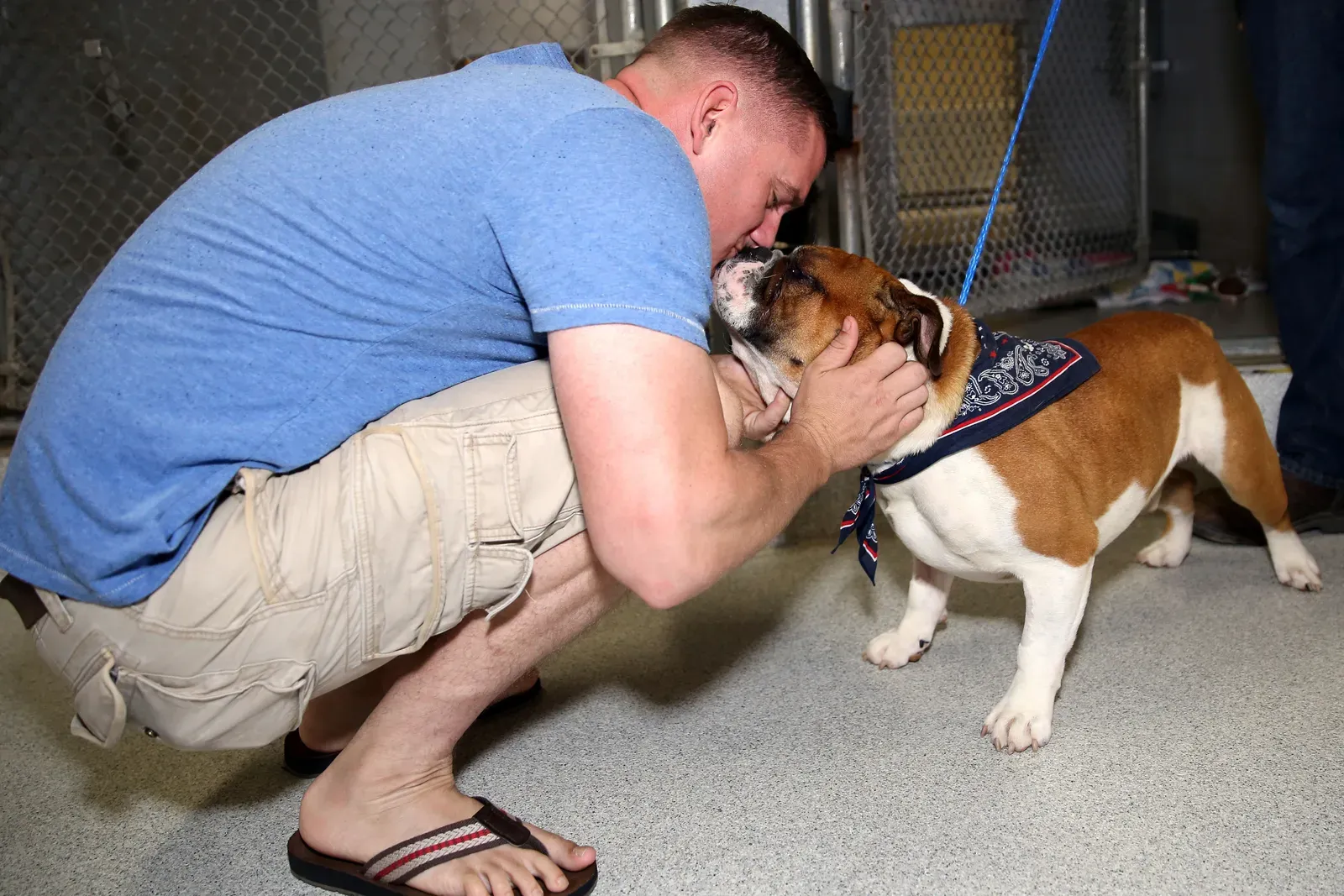
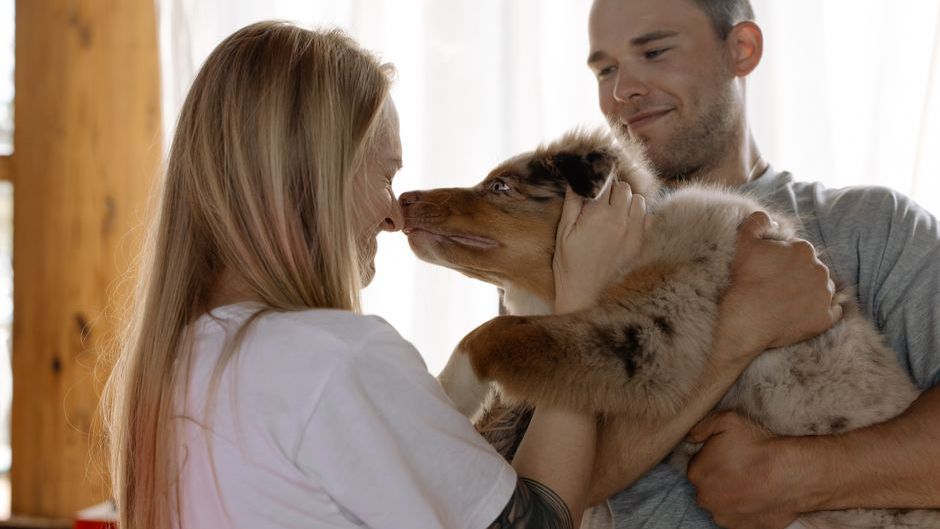
Stories of shelter dogs transforming into loyal companions have circulated for decades, often amplified by heartwarming videos and adoption campaigns. These tales tend to frame the dog’s affection as a direct response to being saved, creating an emotional shorthand that feels satisfying. In reality, such accounts rarely account for the full range of factors that shape any dog’s behavior over time.
Early rescue efforts highlighted dramatic before and after contrasts, which helped raise awareness and funding. Over the years this emphasis turned into a cultural expectation that adopted dogs should display heightened appreciation. Observers sometimes overlook how similar bonds form with dogs raised from puppies in stable homes, suggesting the narrative may overstate rescue as the key driver.
Attachment Patterns Observed Across All Dogs
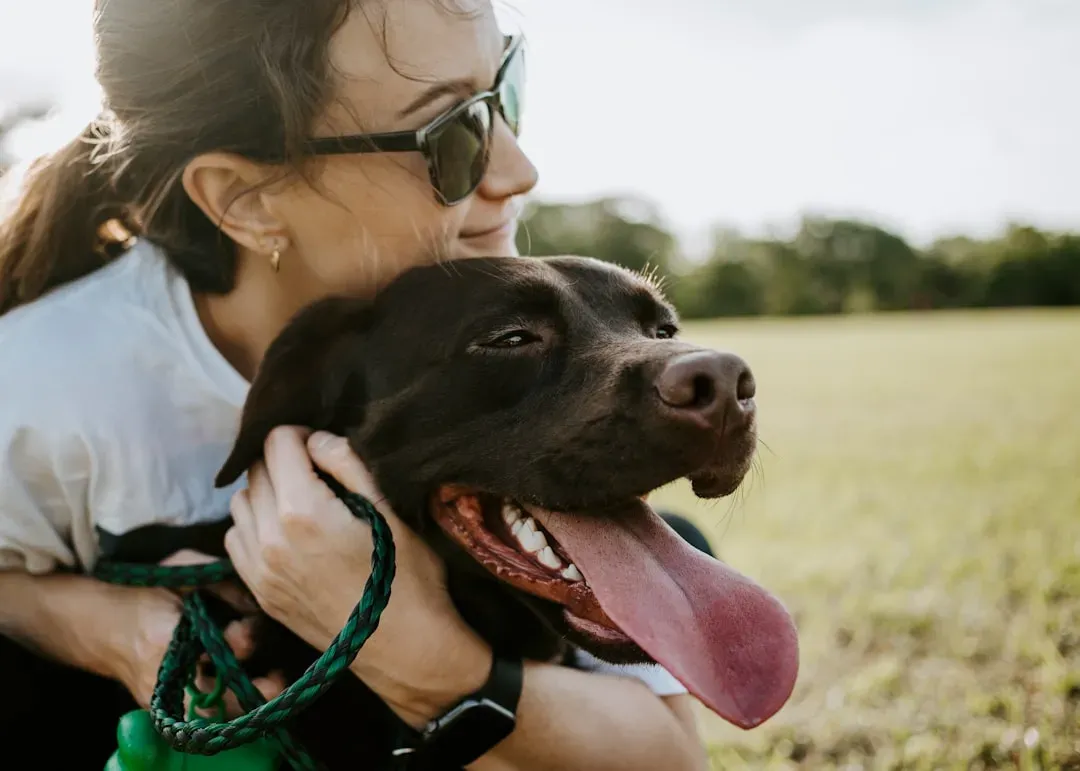
Studies using adapted versions of human infant attachment tests show that dogs of various backgrounds seek comfort from their caregivers in comparable ways. A dog might explore a room confidently when its person is present, then return for reassurance during mild stress, regardless of whether it came from a shelter or a breeder. This secure base effect appears consistent rather than tied to any single origin story.
Researchers have documented these patterns in both pet dogs and working dogs, pointing to a general capacity for forming close ties. The consistency across groups challenges the idea that rescue experiences uniquely intensify attachment. Instead, individual temperament and daily interactions seem to play larger roles in how the bond develops.
Oxytocin Release During Everyday Interactions
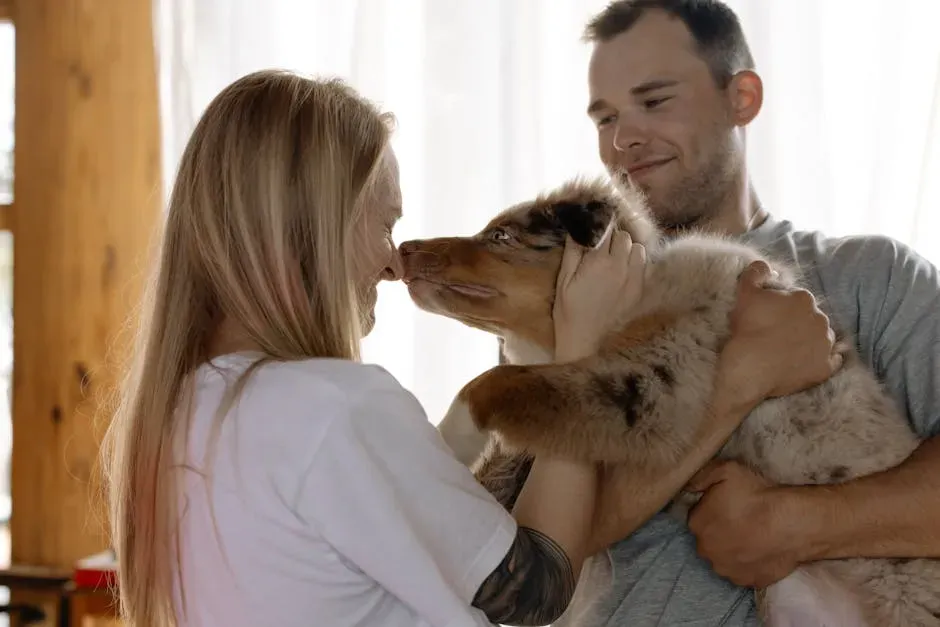
Measurements of oxytocin, often called the bonding hormone, rise in both dogs and humans during simple activities like petting or eye contact. These increases occur whether the dog was adopted recently or has lived with the family for years. The response looks more like a built in mechanism for social connection than a reward for being rescued.
Experiments comparing different dog populations find similar hormonal shifts during positive contact, suggesting the chemistry of affection operates on a shared foundation. Factors such as the quality of the current relationship influence the strength of these responses more than past circumstances. This evidence shifts attention toward present day care rather than origin tales.
Behavioral Comparisons Between Shelter and Non Shelter Dogs
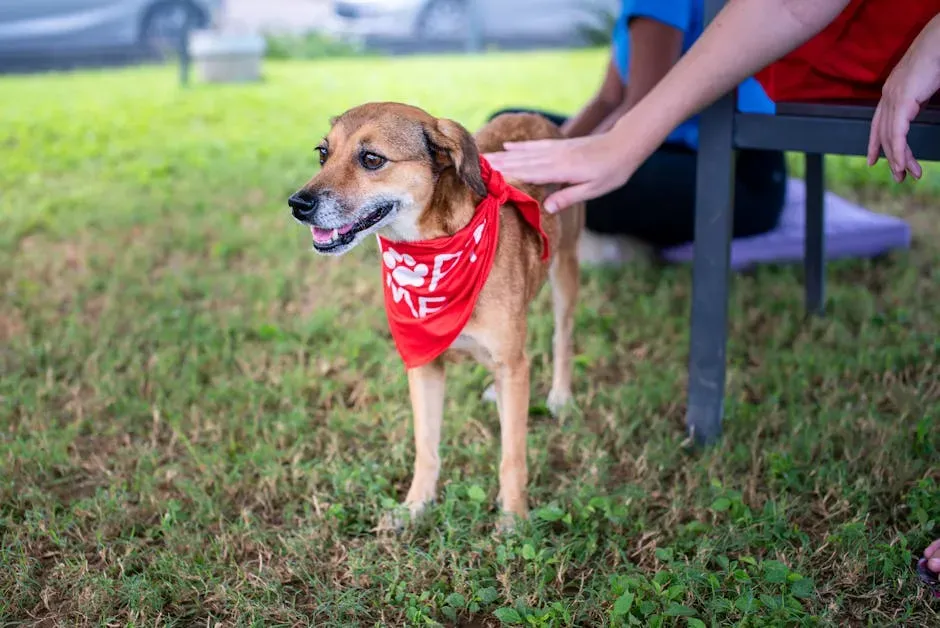
Long term observations reveal that dogs from shelters can show the same range of affection levels as those from other sources once settled in a new home. Some adjust quickly and form steady routines, while others take longer due to individual history or personality. The variation within each group often exceeds differences between groups.
Training records and owner reports indicate that consistent handling and positive reinforcement shape behavior more reliably than any rescue background. Dogs that receive steady attention tend to display reliable companionship, mirroring patterns seen in dogs raised in one household from the start. This points to environment and routine as stronger influences than the single event of adoption.
Why Loyalty Gets Mistaken for Gratitude
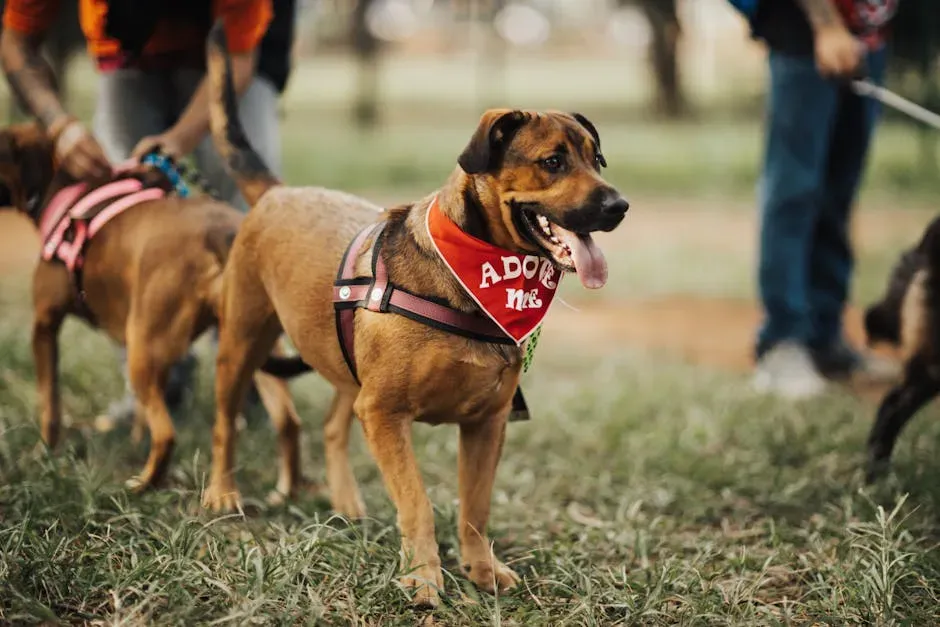
Dogs naturally orient toward their primary caregivers for food, safety, and play, which can appear as extra devotion when the dog has a visible rescue history. Observers may interpret normal attachment signals through the lens of the adoption story, adding emotional weight that the behavior itself does not carry. The same tail wags and greetings occur across many dog human pairs.
Over time, this interpretation can lead to unrealistic expectations, such as assuming a rescue dog will never show typical canine challenges like separation anxiety. In practice, all dogs benefit from clear communication and predictable care. Recognizing affection as a general trait helps owners focus on building healthy habits instead of waiting for special gratitude.
Practical Ways Science Informs Better Bonds
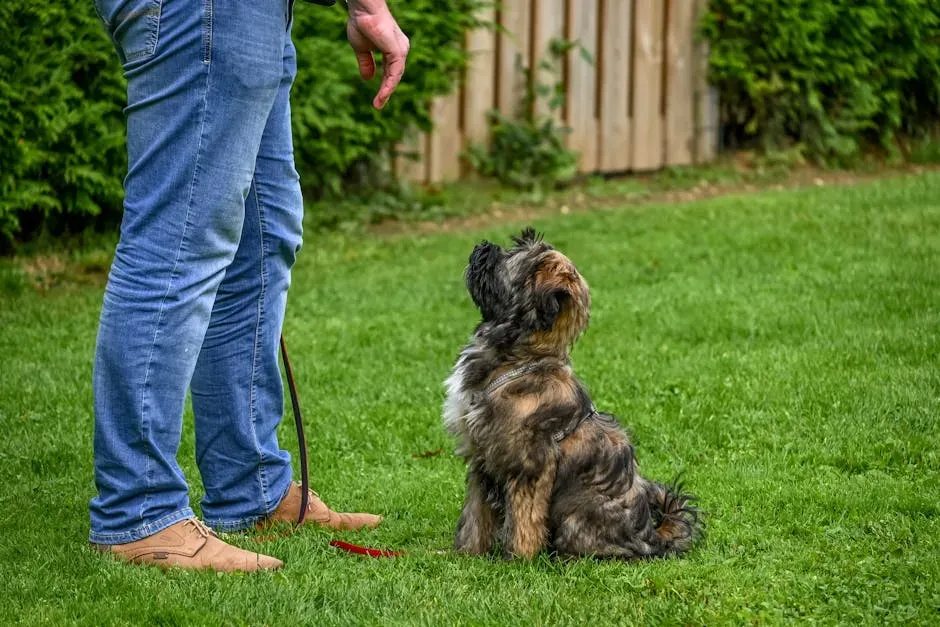
Understanding that canine affection stems from biology and daily experience encourages owners to prioritize enrichment, exercise, and gentle training from day one. These steps support any dog, adopted or otherwise, in developing confidence and connection. Simple routines like shared walks or puzzle toys strengthen ties without relying on dramatic backstories.
Owners who track their dog’s preferences and stress signals often report smoother adjustments, whether the dog arrived as a puppy or an adult. This approach draws on evidence that dogs respond well to predictable, positive environments. It moves the focus from rescue myths toward reliable methods that work across the board.
Embracing a Clearer View of Canine Affection
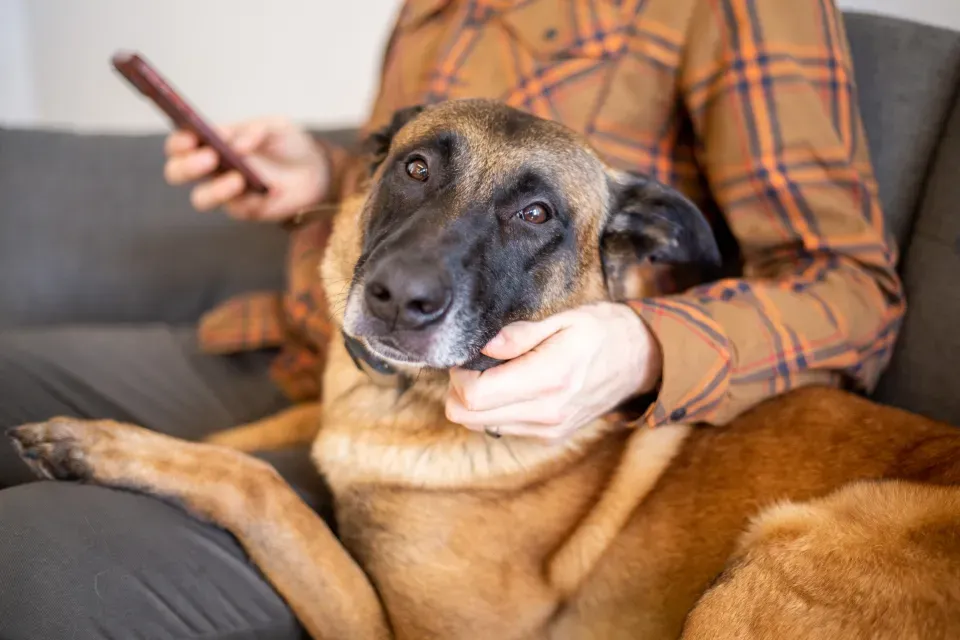
Letting go of the grateful rescue framing opens space for appreciating dogs on their own terms, as animals capable of forming strong attachments through ordinary contact. Science shows these bonds arise from shared evolutionary traits rather than repayment for past kindness. The result is a more grounded relationship built on mutual enjoyment instead of assumed debt.
Future adoption stories might highlight compatibility and preparation over dramatic gratitude, leading to steadier expectations for everyone involved. Dogs thrive when their needs are met consistently, and owners gain when they see affection as a normal outcome of good care. In the end, the science invites us to value the everyday connection over the rescue narrative.


