
Dogs have an uncanny way of noticing things we miss. Their noses pick up on subtle shifts in our bodies long before symptoms become obvious to us. This natural talent has turned certain breeds into quiet heroes in the world of health detection.
Many of these dogs trace their roots to roles that demanded sharp scent skills. Over time those same instincts have found new purpose in spotting signs of illness. The connection feels almost inevitable once you look at their histories.
Labrador Retriever
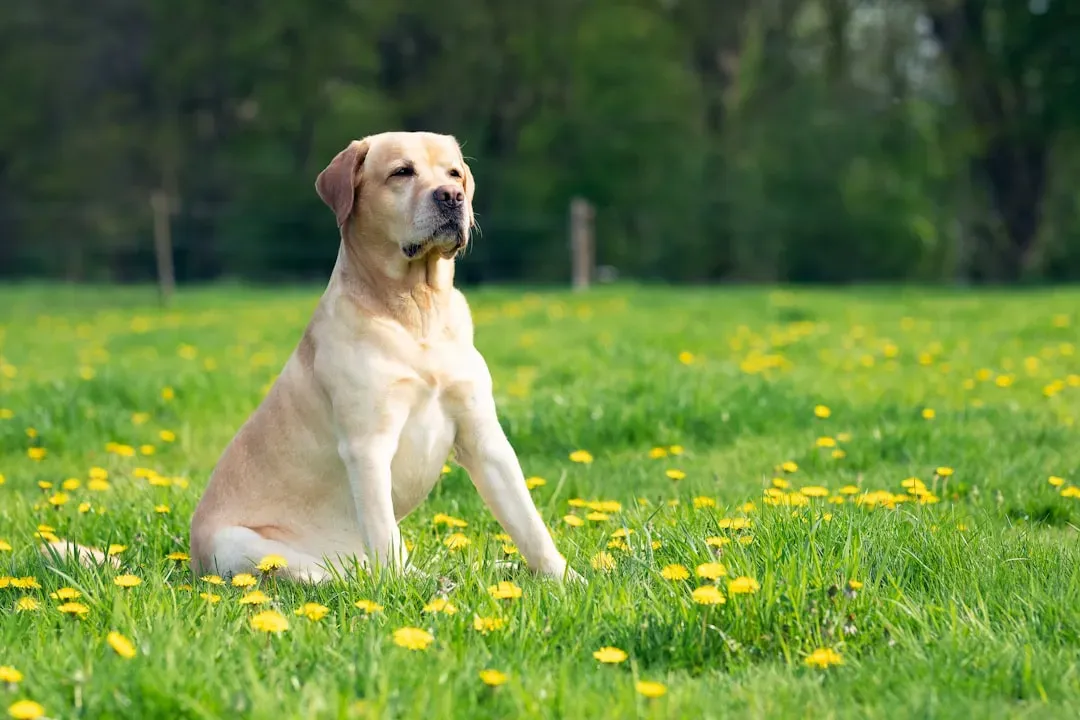
Labrador Retrievers started out as fishing and hunting companions in Newfoundland. Their job involved retrieving nets and game from water and land, which required a reliable nose and steady focus. Those traits translate directly to modern medical work where they sniff out changes in blood sugar or early cancer markers.
Today many diabetic alert programs rely on Labs because of their calm temperament and eagerness to please. Handlers often report that a well trained Labrador can give notice minutes before a dangerous drop in glucose levels. Their adaptability makes them a frequent choice for both professional detection teams and family service roles.
Golden Retriever
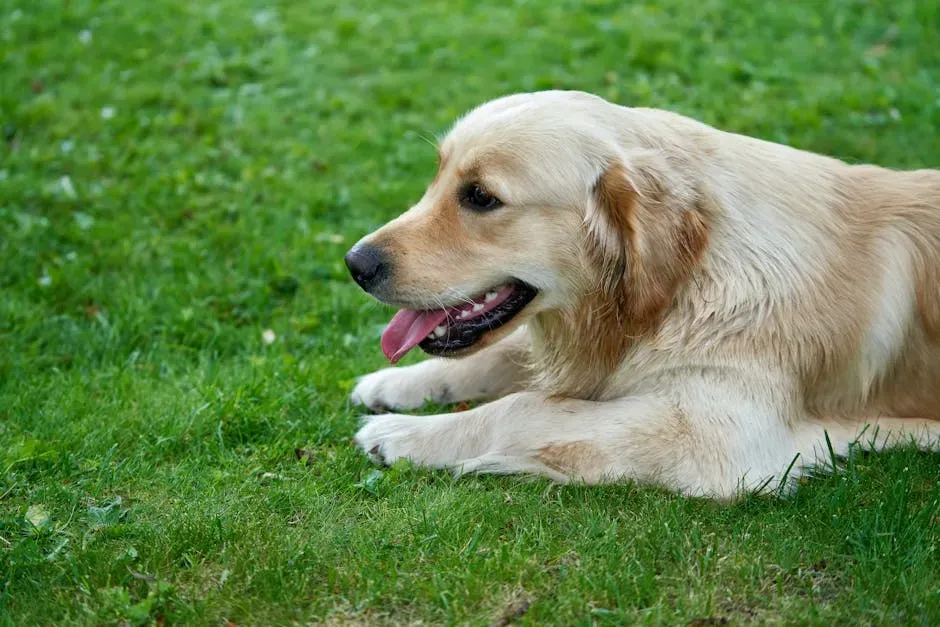
Golden Retrievers were developed in Scotland to retrieve shot game from land and water. Breeders selected for soft mouths and strong scent tracking abilities that helped them locate birds in dense cover. That same drive to follow faint odors now helps them detect volatile compounds linked to certain diseases.
Goldens bring a gentle disposition that suits close work with people who may feel vulnerable during health episodes. Their intelligence allows quick learning of specific scent profiles during training. Many families appreciate how naturally these dogs integrate into daily life while staying alert to medical cues.
English Springer Spaniel
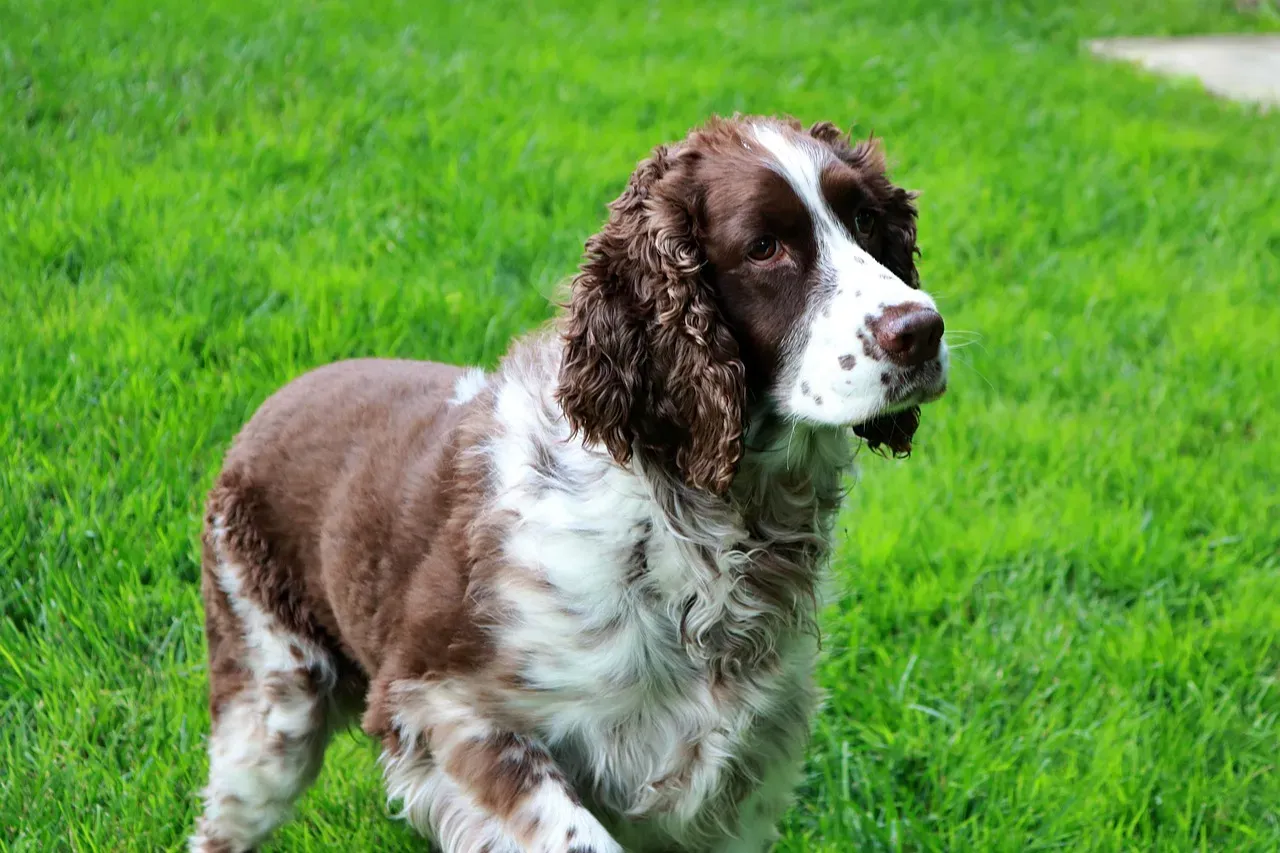
English Springer Spaniels earned their name from the way they would spring game from hiding places during hunts. Their original breeding emphasized stamina and an exceptional sense of smell for flushing birds in the field. Those qualities make them excellent candidates for pinpointing subtle human scent changes today.
Medical detection organizations often include Springers because of their high energy and quick responses. They tend to form strong bonds with handlers which supports consistent performance over long shifts. Their compact size also makes them practical for indoor environments where illness alerts are needed most.
Cocker Spaniel
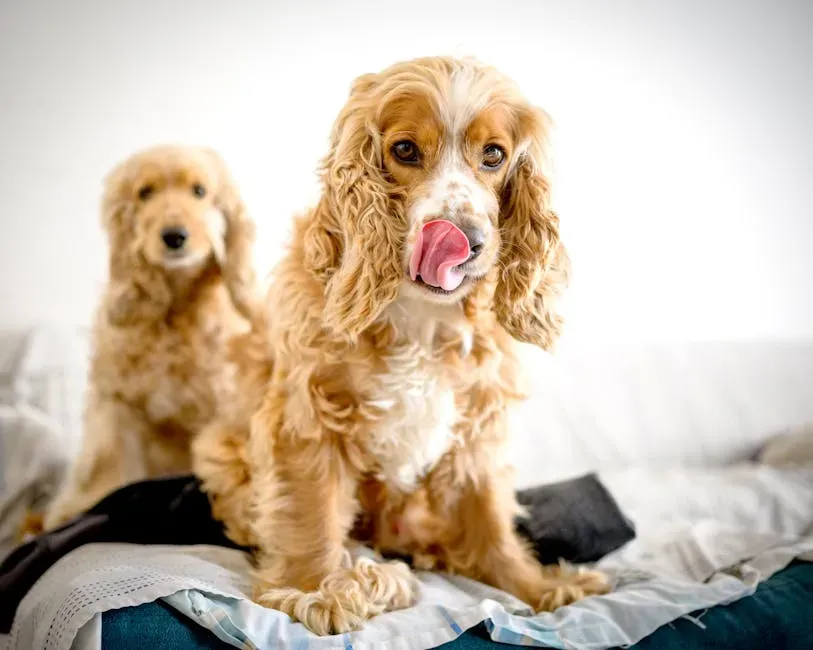
Cocker Spaniels share a sporting heritage focused on flushing and retrieving small game. Early breeders prized their keen noses and ability to work closely with hunters in varied terrain. This background gives them an edge when asked to isolate specific medical odors in controlled settings.
Smaller stature and affectionate nature help Cockers fit comfortably into home based alert work. They often excel at staying attentive during quiet periods then delivering clear signals when they detect a target scent. Their versatility shows up in both cancer screening trials and personal diabetic support roles.
German Shepherd
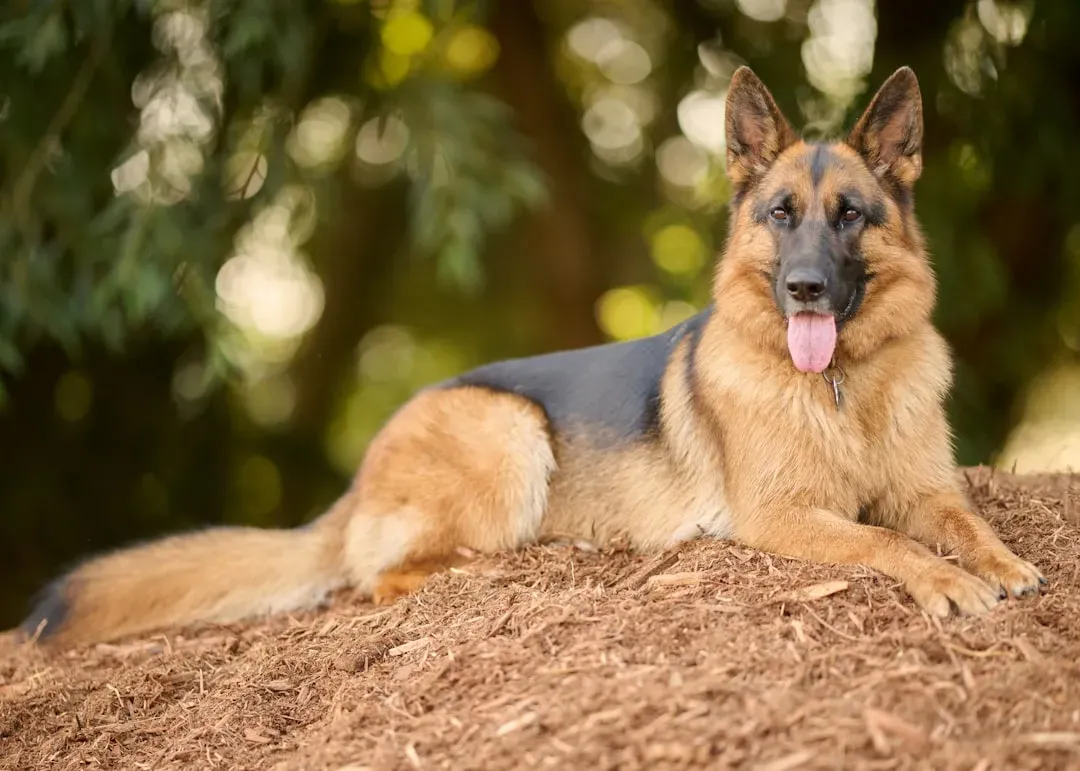
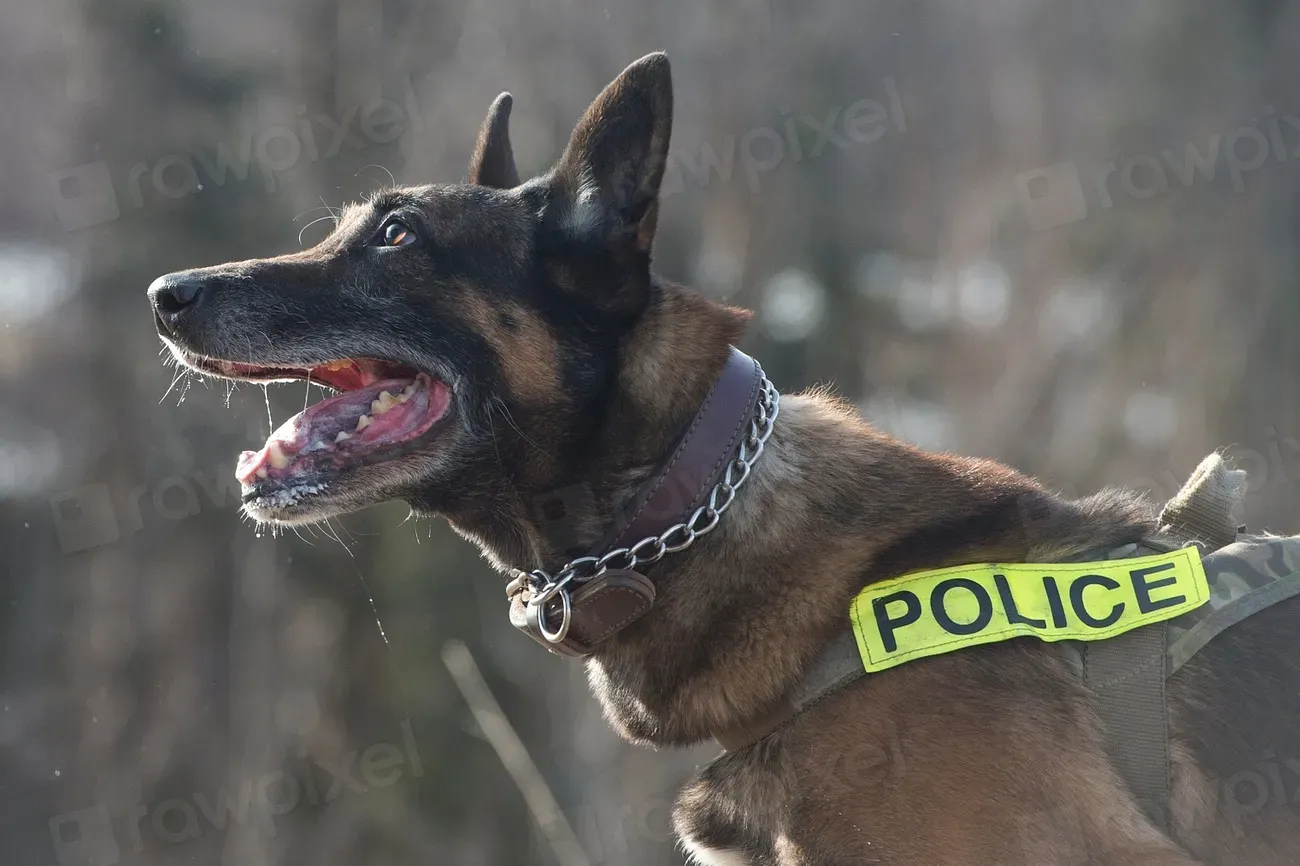
German Shepherds were originally bred for herding and later police and military tasks that demanded sharp senses and focus. Their strong work ethic and powerful olfactory capabilities made them natural fits for scent discrimination from the start. Those same attributes now support their use in advanced biomedical detection.
Handlers value the breed’s protective instincts paired with trainability when dealing with serious health conditions. German Shepherds can cover larger areas during screening events while maintaining precision on individual samples. Their presence often brings a sense of security alongside practical health monitoring.
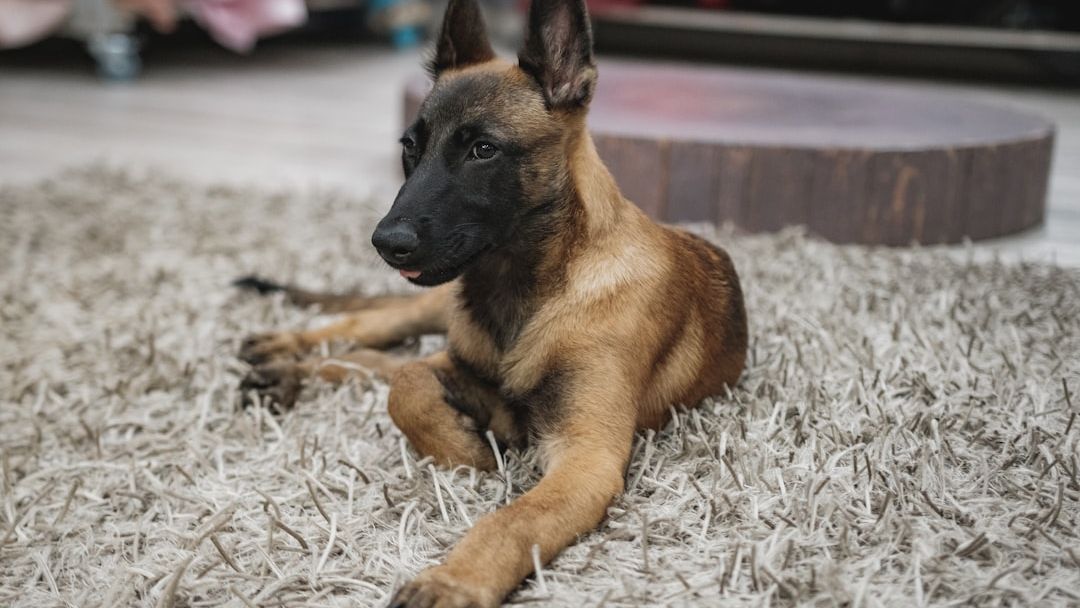
Belgian Malinois
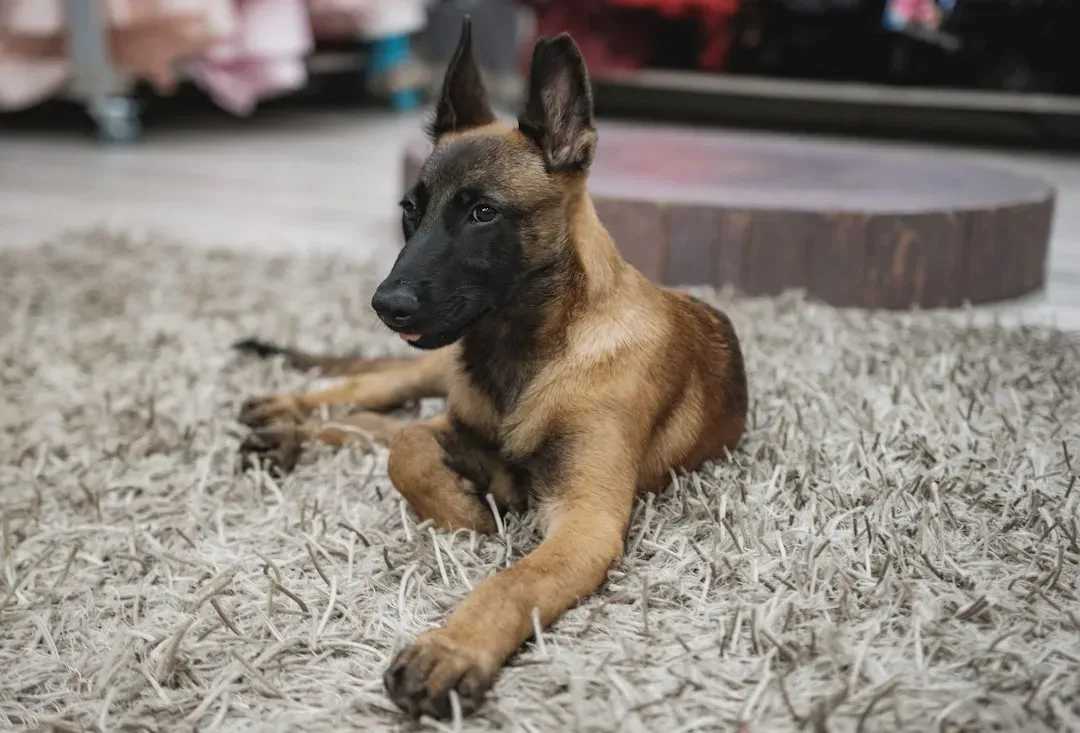
Belgian Malinois developed as versatile farm and herding dogs with intense drive and superior scent tracking. Their original roles required quick decisions and endurance in demanding conditions. Modern programs have tapped into that intensity for disease detection tasks that need sustained concentration.
The breed’s high energy level suits structured training environments where precise alerts are practiced repeatedly. Malinois often demonstrate remarkable consistency once they lock onto a target odor profile. Their athletic build allows them to work effectively in both clinical and home settings.
Beagle
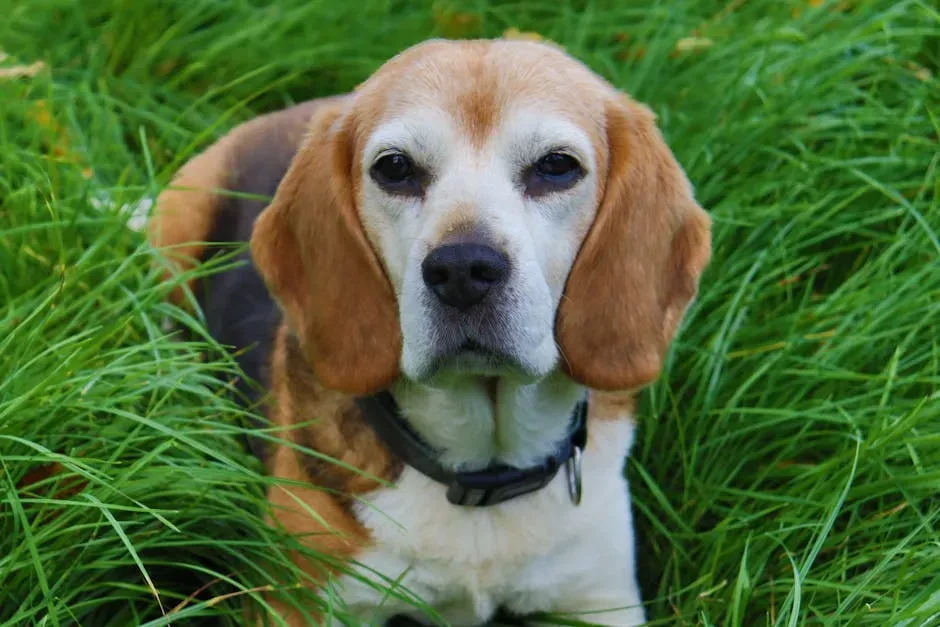
Beagles trace back to scent hound lines used for tracking rabbits and other small game over long distances. Breeders selected for persistence and an outstanding nose that could follow trails through difficult ground. Those instincts remain valuable when the target shifts from game to medical biomarkers.
Beagles bring a cheerful personality that lightens the mood during health related interactions. Their compact size and friendly demeanor make them approachable for people of all ages who need regular monitoring. Training programs note their determination when working through batches of samples.
Poodle
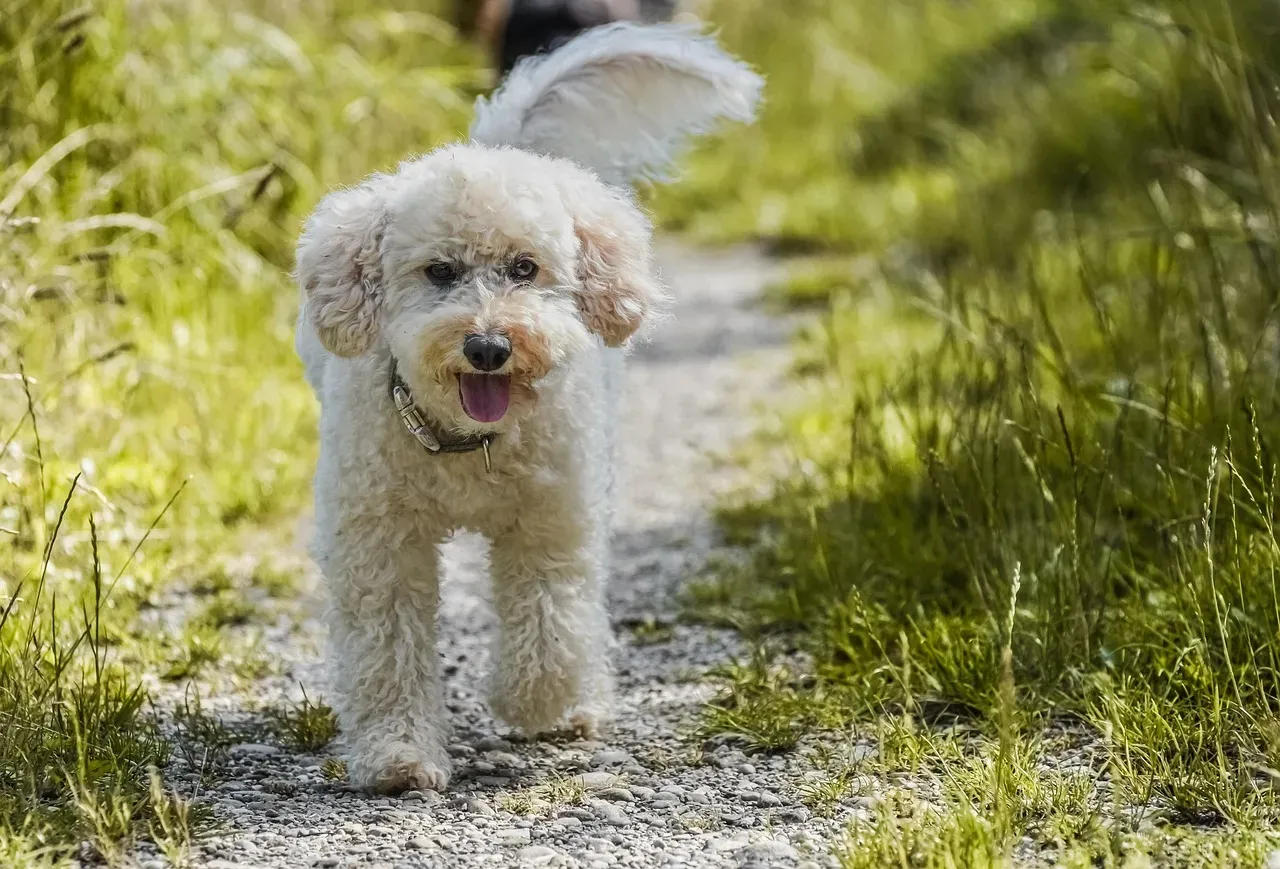
Standard and miniature Poodles originated as water retrievers in Europe with curly coats that protected them during hunts. Their intelligence and scent abilities were honed through generations of retrieving work. These traits now support their success in medical alert and detection fields.
Poodles often surprise people with how readily they take to specialized scent training. Their hypoallergenic coats appeal to households where traditional retrievers might trigger sensitivities. Many owners describe a deep partnership that grows from the breed’s eagerness to stay tuned to their person’s well being.
Looking Ahead With These Remarkable Companions
These eight breeds remind us that centuries old working instincts can still serve people in unexpected ways. Their original purposes centered on scent and focus, yet those same gifts now help catch health issues early. The results feel both practical and deeply moving when a dog quietly saves the day.
Choosing the right breed still depends on individual lifestyle and training commitment. What stands out is how naturally these dogs step into roles that blend ancient talent with modern need. In the end their continued success speaks to a partnership worth preserving and celebrating.


