
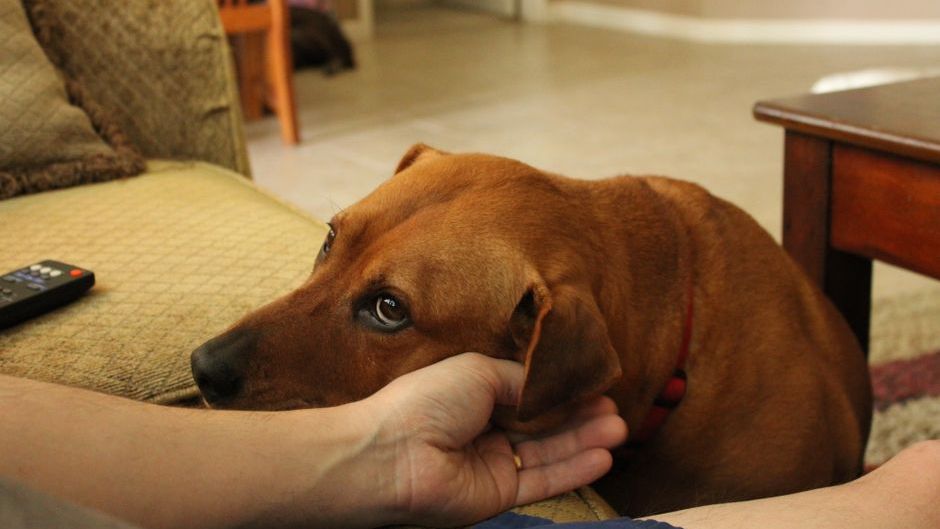
Dogs do not hand out their trust lightly. They watch, they test, and they wait for consistent signals before they truly let someone in. When that shift happens, it shows up in quiet, everyday moments rather than grand gestures.
These signs often appear gradually, sometimes so subtle that owners miss them at first. Paying attention to the small changes can reveal just how deep the connection has grown.
Following You From Room to Room
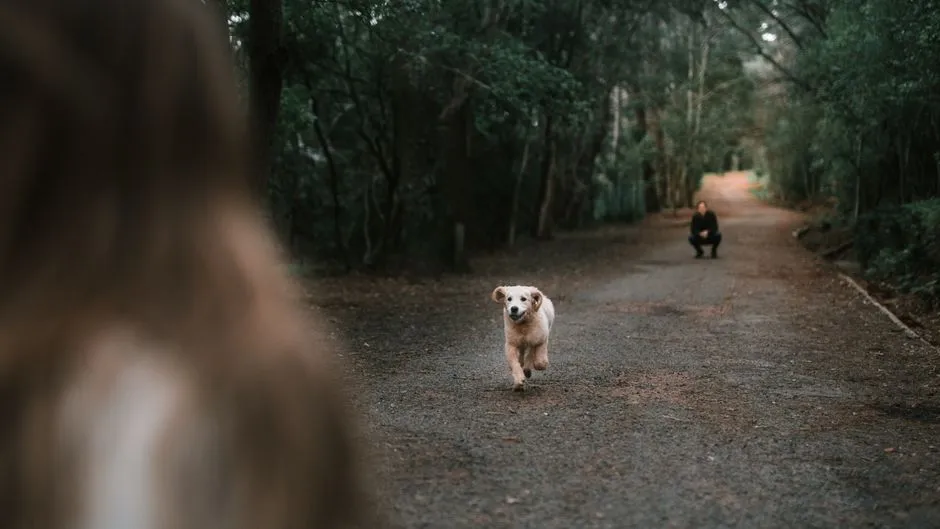
Many dogs start shadowing their person once they feel secure. They move when you move, settling nearby without demanding attention. This quiet presence signals they no longer see you as a potential threat or stranger.
Over time the behavior becomes almost automatic. They choose your company over solitude even when other options exist. It reflects a growing comfort that goes beyond basic pack instinct.
Sleeping or Resting Close By
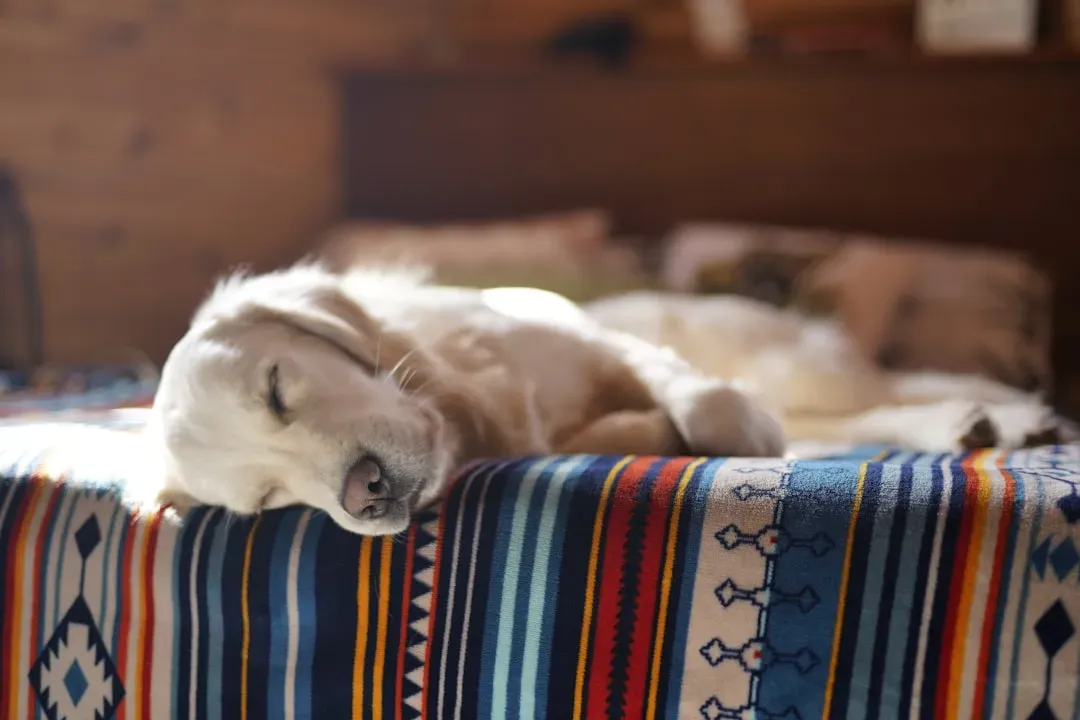
A dog that curls up near your bed or stretches out on the couch beside you is making a vulnerable choice. Sleep requires lowered defenses, so choosing proximity shows real acceptance. The position often becomes consistent rather than occasional.
Some will even adjust their breathing to match the rhythm of the household. This level of ease rarely appears with people they still view as outsiders. It marks a shift toward seeing you as safe territory.
Exposing Their Belly Without Hesitation
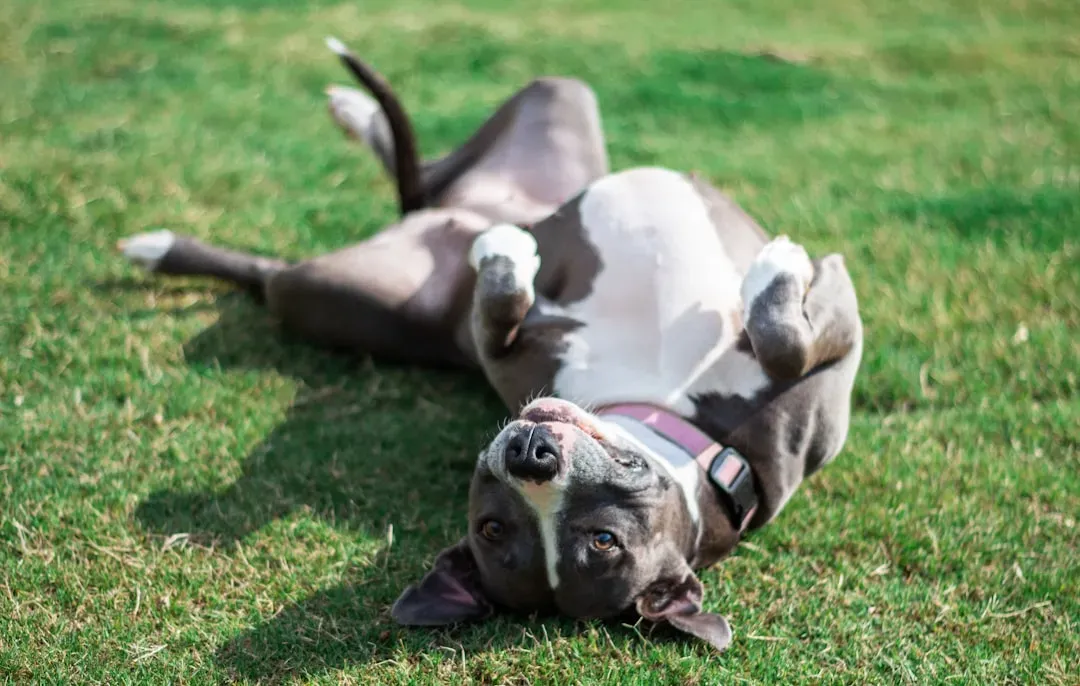
Rolling over to show the stomach is a classic trust signal in dogs. The area is sensitive, and exposing it leaves them open. When the gesture happens freely and without tension, it points to genuine comfort in your presence.
They may stay relaxed even if you reach over to give a gentle rub. The absence of quick flips back to a guarded posture tells you the bond has deepened. This behavior tends to increase as the relationship matures.
Bringing You Their Favorite Toys
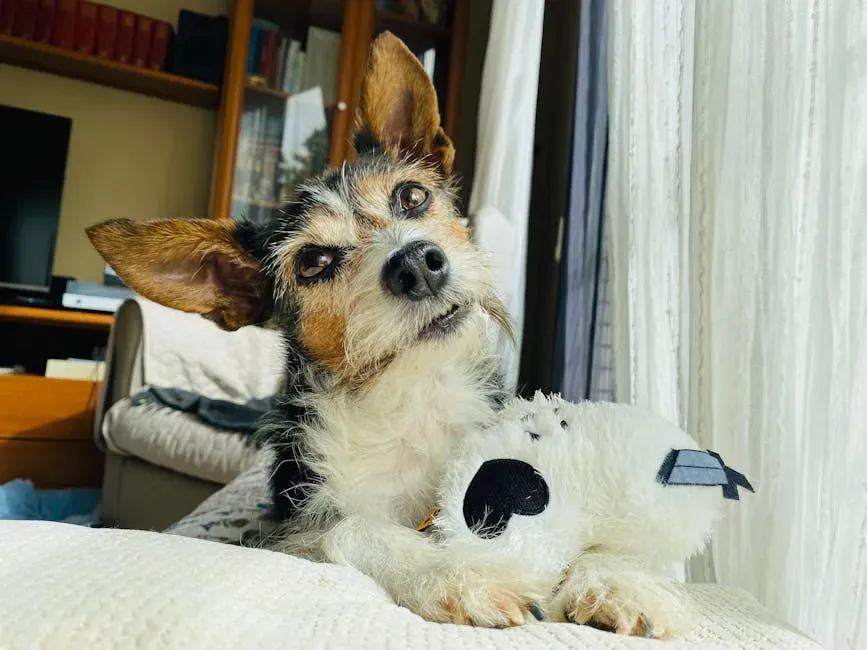
Offering a prized toy or squeaker is more than play. Dogs often reserve these items for individuals they consider part of their inner circle. The act carries an element of sharing resources that matters to them.
You might notice the toy appears specifically when you enter the room or settle down. It serves as an invitation into their world rather than a random drop. Over weeks the pattern becomes a reliable marker of attachment.
Holding Soft, Prolonged Eye Contact
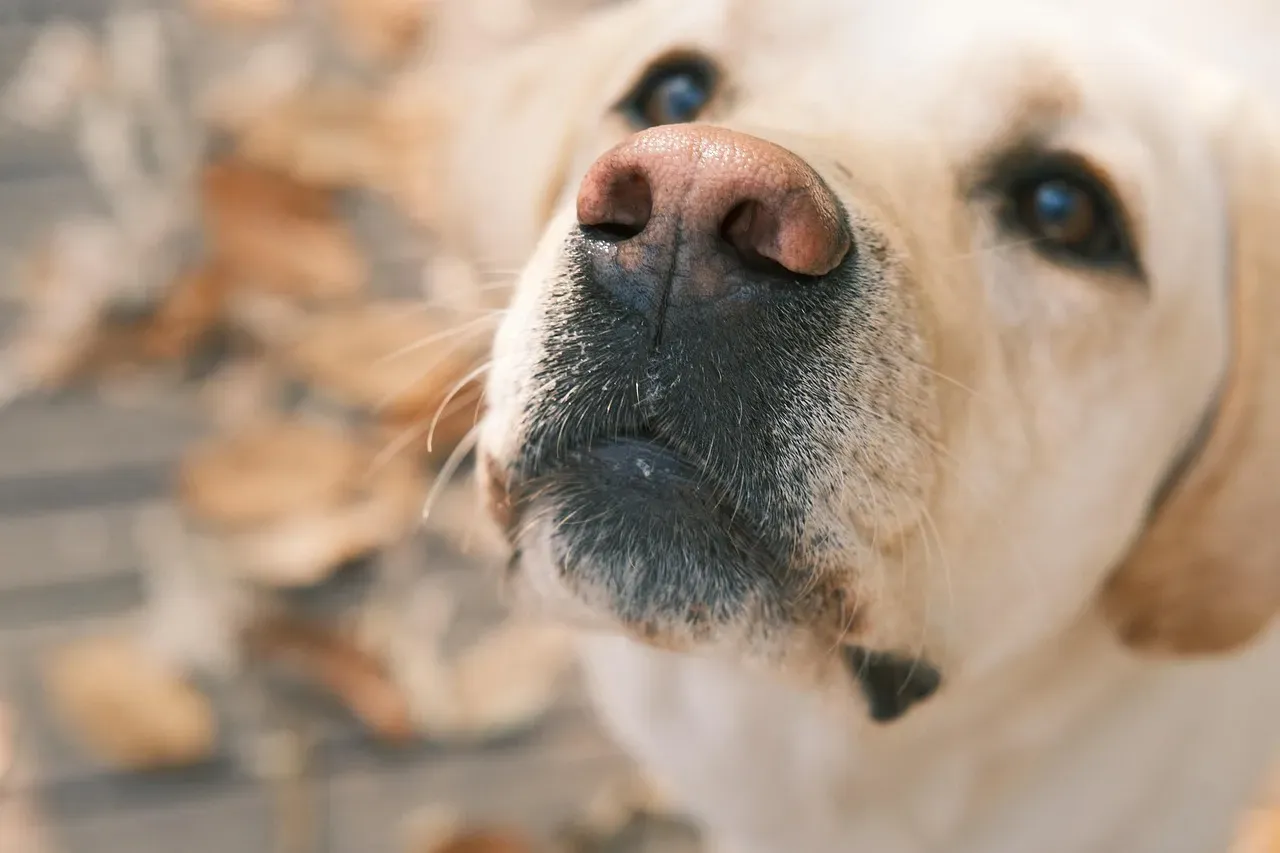
Direct stares can signal challenge in dog language, yet relaxed, blinking eye contact means something different. When a dog looks at you with loose facial muscles and slow blinks, they are communicating calm connection. This gaze often appears during quiet moments together.
They may pair it with a gentle head tilt or slight tail wag. The combination shows they feel no need to monitor you as an unknown quantity. It becomes one of the more intimate daily exchanges once trust is established.
Leaning Their Weight Against You
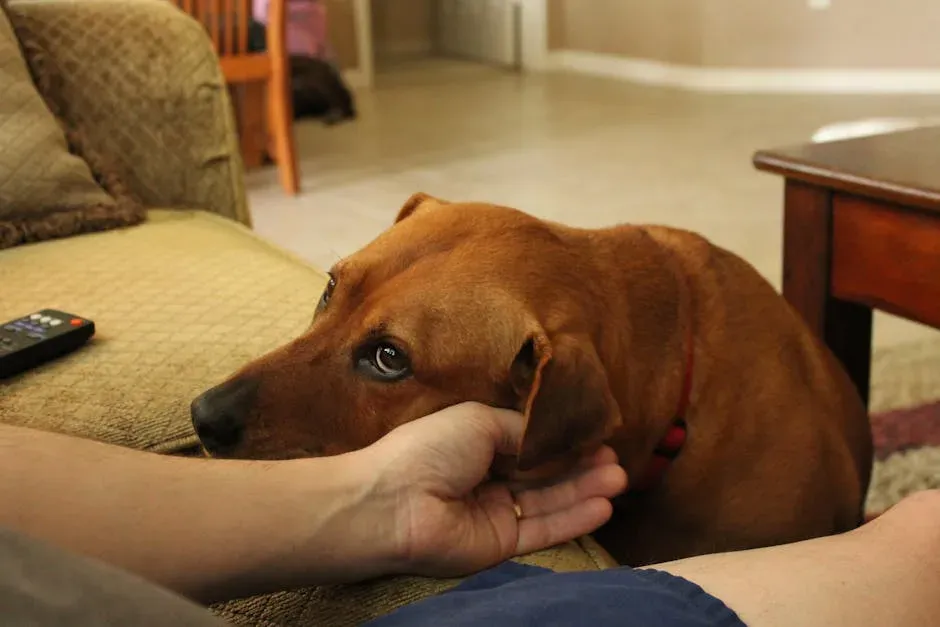
Leaning is a physical way of claiming closeness without words. Dogs that press their side or back into your leg are using you as a stable point in their environment. The pressure is usually steady rather than brief or fidgety.
They tend to do this more when the household feels settled or when they seek reassurance. The choice to rest body weight on you reflects an understanding that you will not move away or react negatively. It grows more frequent as acceptance solidifies.
Grooming You With Gentle Licks
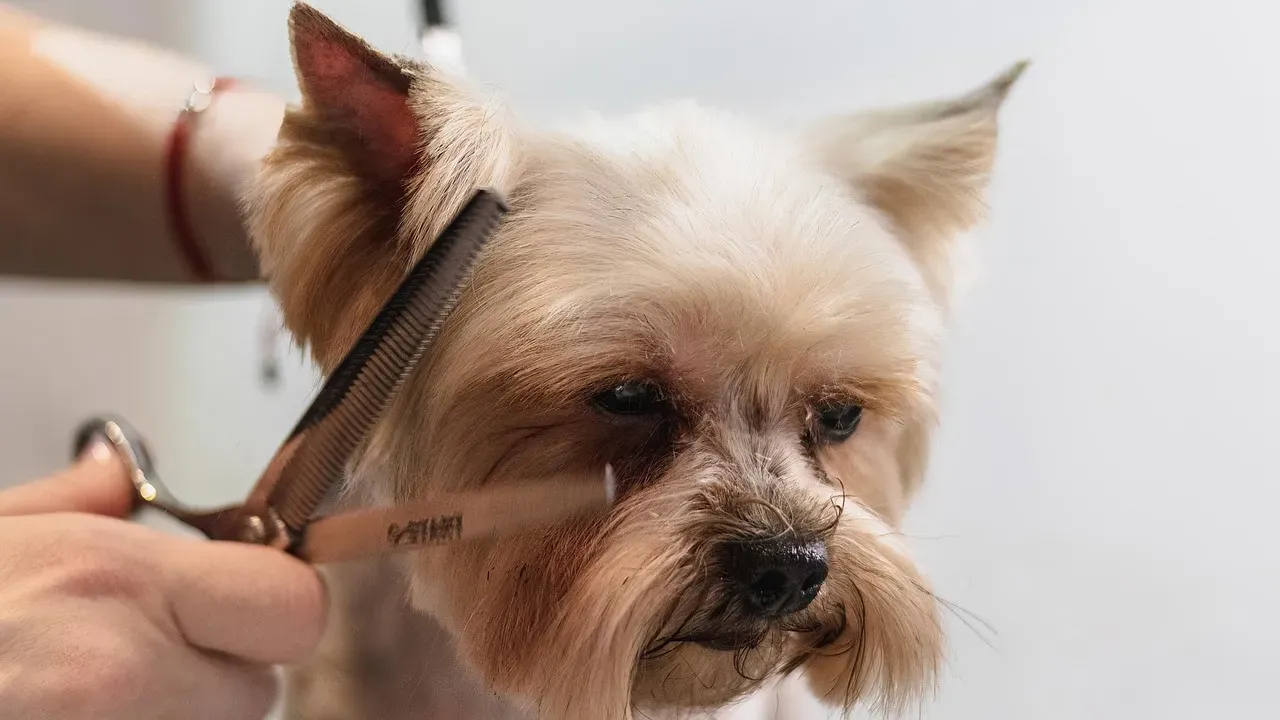
Light licking on hands or arms can function as social grooming among dogs. When directed at a person, it often indicates an attempt to strengthen the bond. The licks remain calm and intermittent instead of frantic or focused on one spot.
Many dogs reserve this behavior for family members they have fully integrated. It rarely shows up early in a relationship and tends to appear alongside other relaxed signals. The consistency matters more than the frequency.
Releasing a Deep Sigh in Your Company
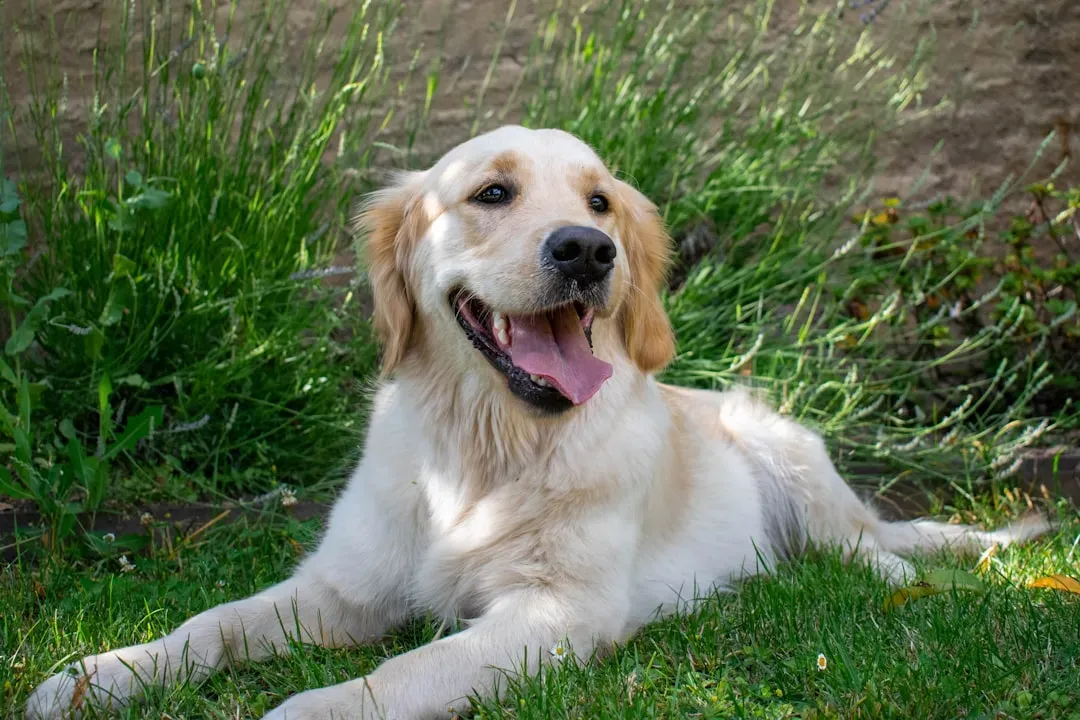
A long, audible exhale while lying near you is a clear release of tension. Dogs do not sigh like this around individuals who still make them alert. The sound usually accompanies a full body flop or stretch into a comfortable position.
Owners often notice it during evening wind-down times when the dog chooses to settle close. It serves as an internal confirmation that all is well. The behavior becomes a quiet daily ritual once the dog views you as home base.
Alerting You to Household Sounds

Some dogs begin directing their attention toward noises and then checking back with their person. They may bark once or simply orient toward the sound before glancing at you for a reaction. This checking-in pattern shows they now include you in their security decisions.
The behavior differs from general barking because it carries an element of partnership. They expect you to respond or at least acknowledge the alert. It marks a transition from solo vigilance to shared awareness.
Inviting You Into Their Favorite Resting Spot
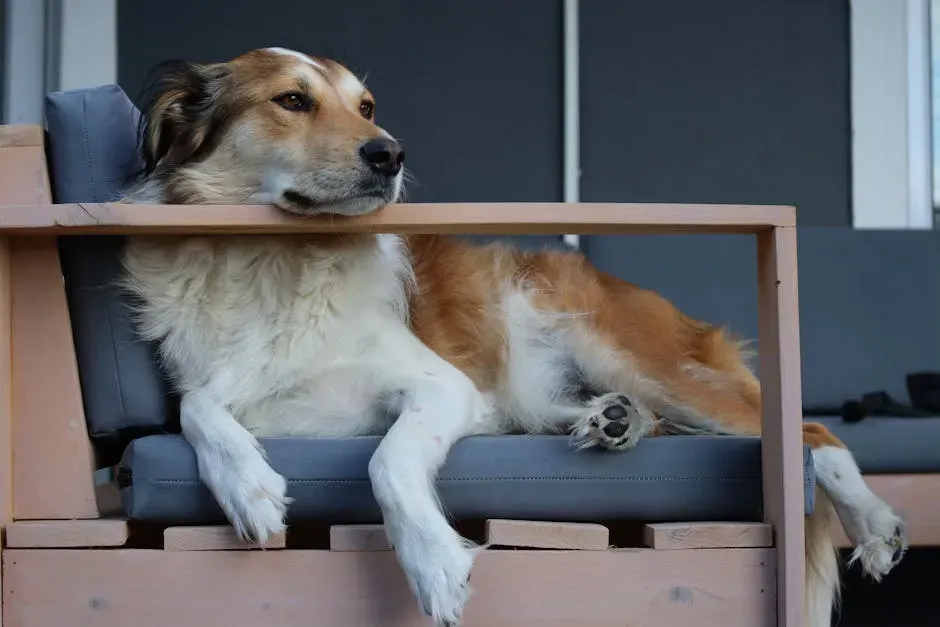
When a dog shifts over or pats the cushion beside them, they are extending an offer. Their chosen sleeping or lounging area holds personal value, so making room demonstrates inclusion. The invitation often comes with relaxed body language and continued eye contact.
They may repeat the gesture across different times of day once the pattern is set. Accepting the spot beside them reinforces the mutual comfort. It becomes a small but meaningful ritual of belonging.
Conclusion
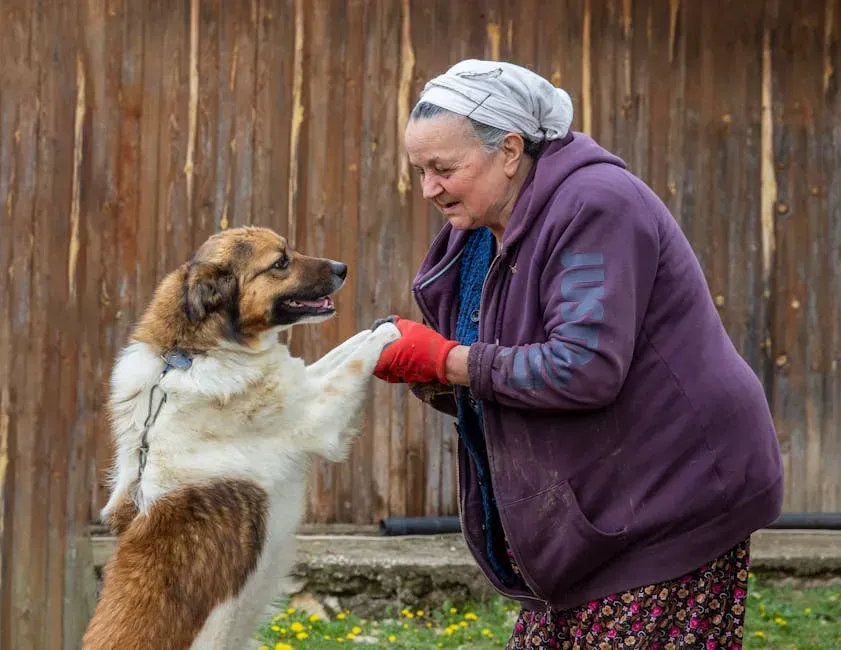
These behaviors rarely arrive all at once. They build through repeated positive interactions and steady presence. Noticing them can deepen the daily experience of living with a dog.
Ultimately the real measure lies in consistency rather than any single dramatic moment. When a dog lets you into their inner world, the relationship shifts from ownership to quiet partnership. That kind of acceptance rewards patience with a loyalty that feels mutual and lasting.


