
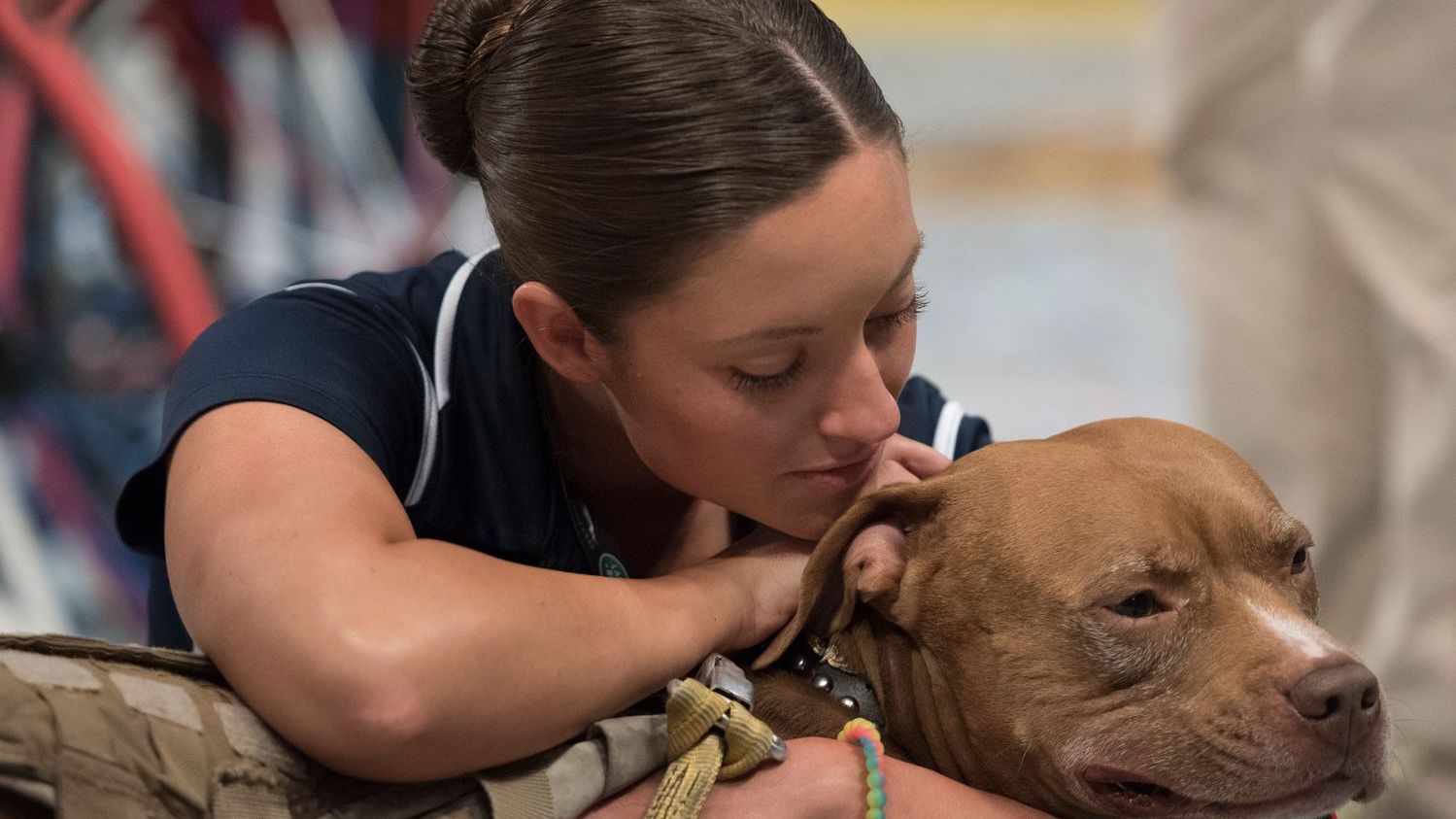
People often notice that some dogs seem to thrive well into their senior years while others fade earlier than expected. Subtle patterns in ownership keep surfacing in conversations among veterinarians and researchers, pointing toward one factor that stands out more than many expect.
Observations from various studies on pet care habits suggest differences tied to the gender of the primary caregiver. These patterns invite a closer look at everyday routines that might quietly shape a dog’s health trajectory over time.
Consistent Veterinary Attention Makes a Difference
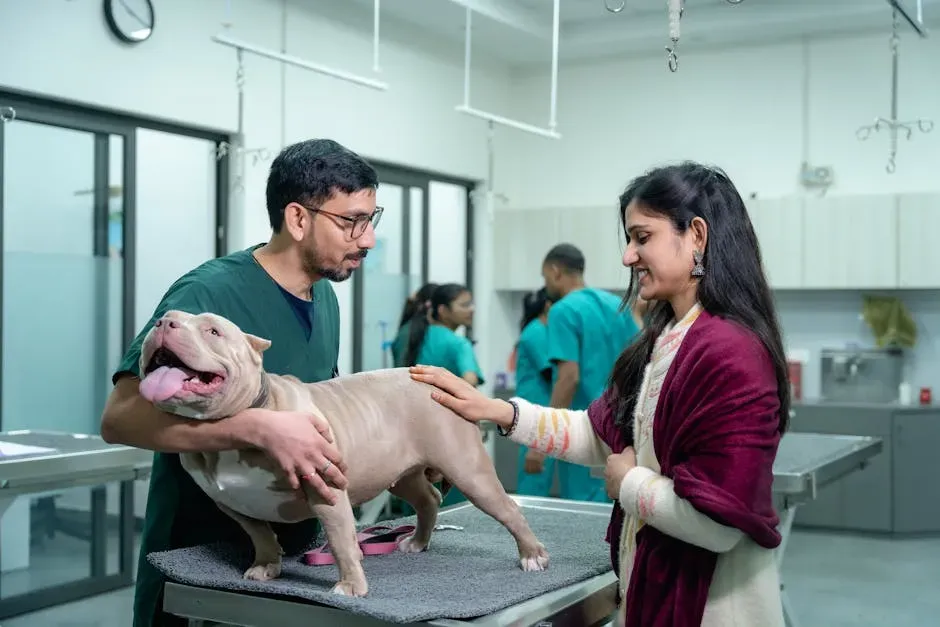
Female owners tend to schedule regular checkups and follow through on preventive treatments more reliably. This steady oversight catches issues like dental disease or early arthritis before they escalate into bigger problems that shorten life.
Over years, those small interventions add up. Dogs benefit from timely vaccinations, parasite control, and weight monitoring that keep chronic conditions at bay and support overall vitality well into old age.
Daily Movement and Outdoor Time Add Up
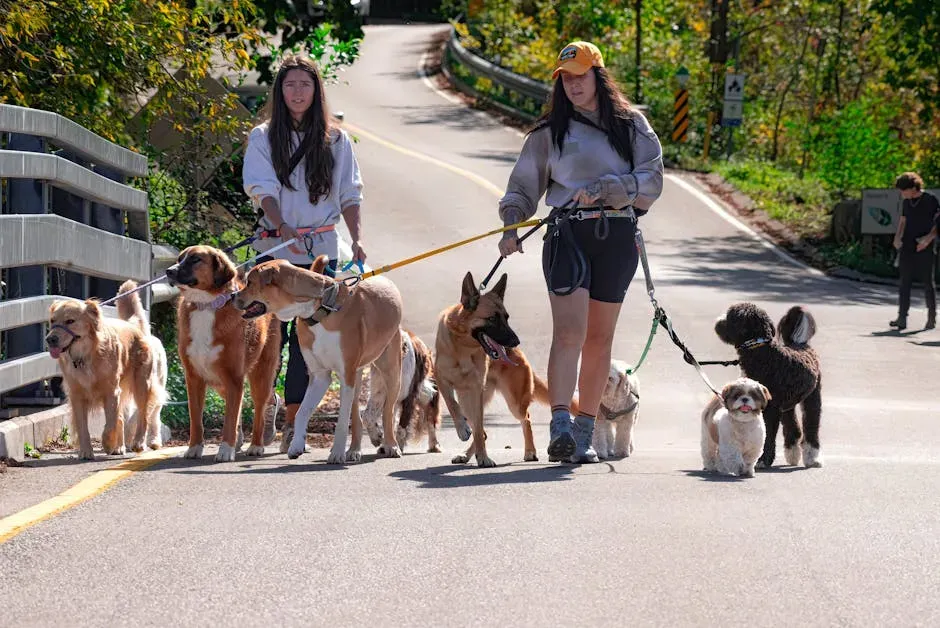
Many households led by women incorporate longer or more frequent walks into the daily rhythm. This built-in activity helps maintain healthy joints, heart function, and mental sharpness in dogs of all ages.
Consistent exercise also combats obesity, a major contributor to reduced lifespan across breeds. The cumulative effect appears in dogs that stay mobile and engaged rather than slowing down prematurely from lack of movement.
Stronger Emotional Connections Influence Wellbeing
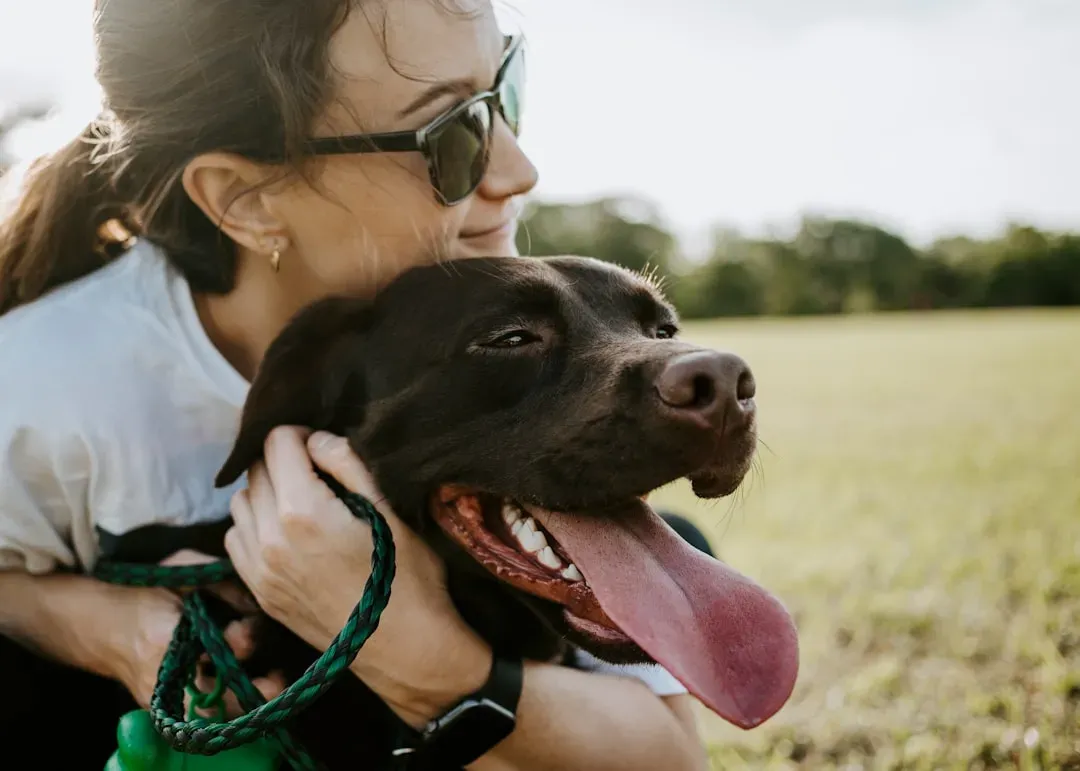
Research on human-animal bonds shows female owners often report deeper emotional closeness with their dogs. This closeness translates into attentive observation of subtle behavior changes that signal emerging health concerns.
Dogs in these environments experience lower chronic stress levels. Reduced stress supports immune function and may delay the onset of age-related decline, allowing pets to enjoy more comfortable years.
Thoughtful Nutrition and Portion Control
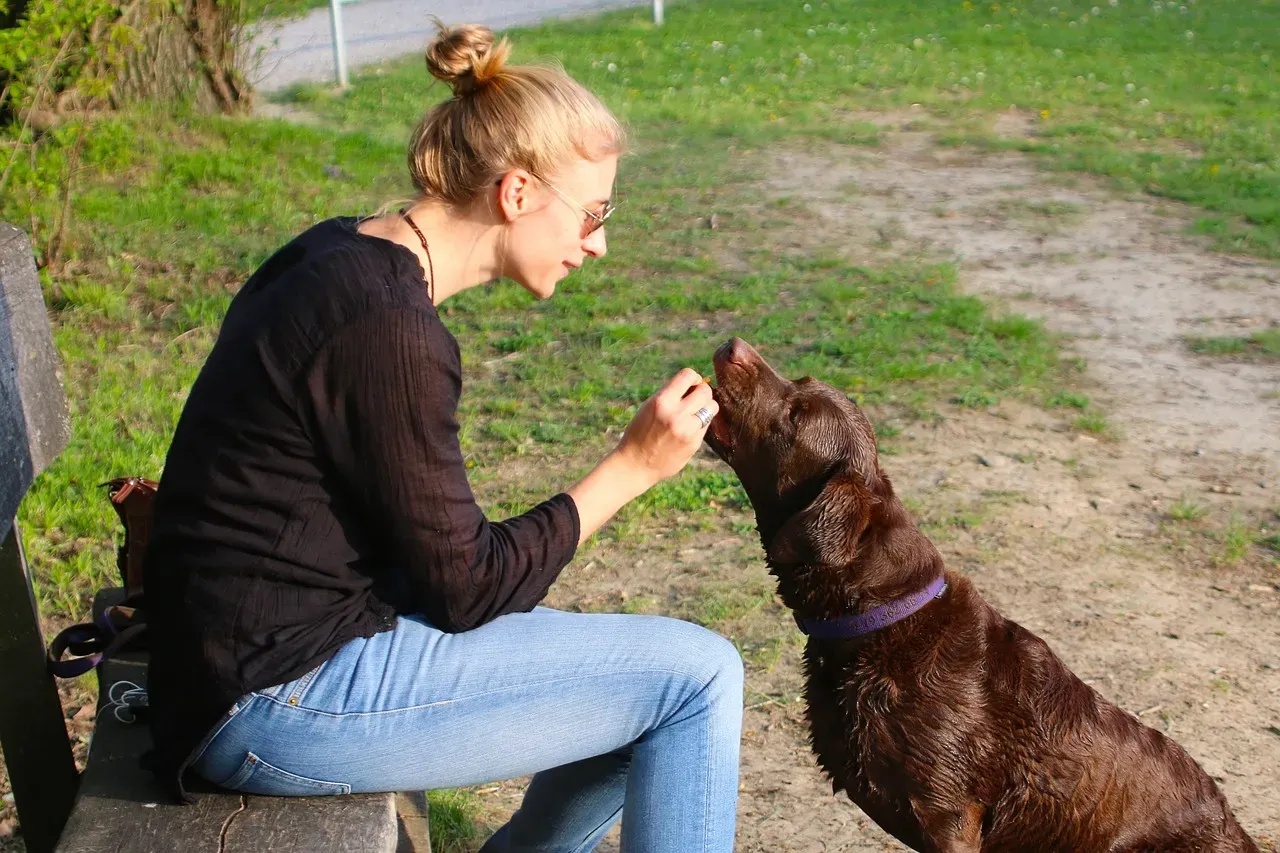
Women as primary caregivers frequently research and adjust diets based on a dog’s specific needs, age, and activity level. Careful portioning prevents overfeeding that leads to excess weight and related complications.
Attention to quality ingredients and balanced meals supports everything from coat health to organ function. These choices compound over a lifetime and contribute to sustained energy and fewer diet-related illnesses.
Proactive Management of Environmental Factors
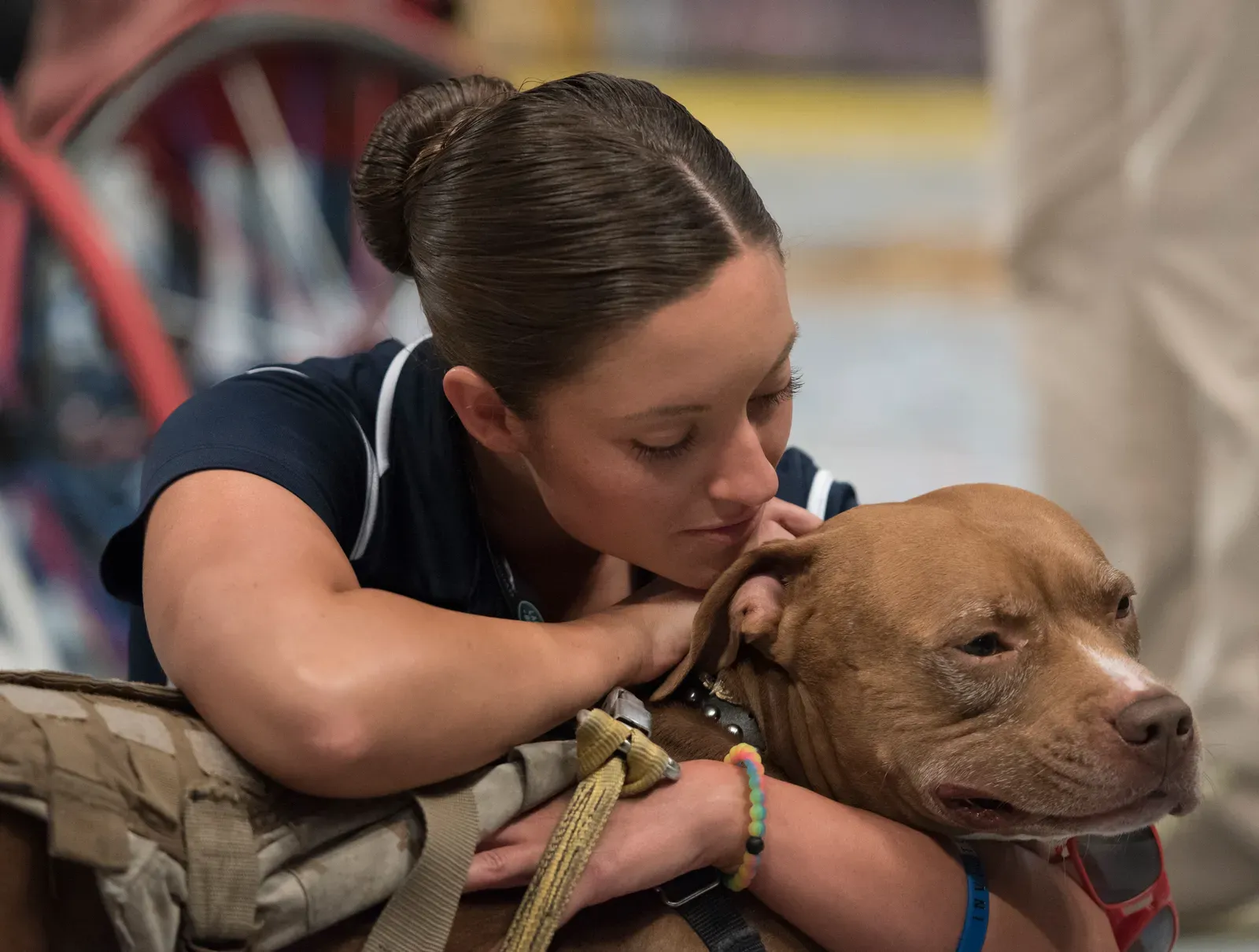
Female-led homes often emphasize safe, enriched living spaces with appropriate toys, resting areas, and mental stimulation. Such setups reduce boredom-driven behaviors and support cognitive health as dogs age.
Attention to household hazards, temperature control, and grooming routines further protects against injuries or skin issues. These layered protections create a stable foundation for longer, healthier lives.
Community and Support Networks Play a Role
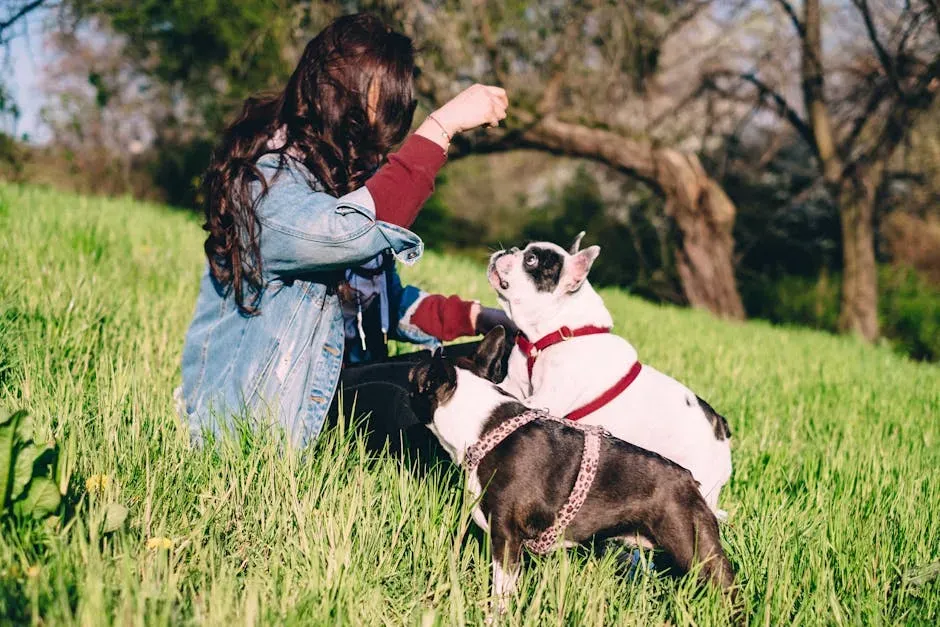
Women frequently connect with other dog owners through classes, parks, or online groups. Shared knowledge about training methods, health trends, and local resources leads to better-informed decisions.
This network effect means quicker access to advice when something seems off. Early input from experienced peers can steer owners toward effective solutions before minor issues grow serious.
Holistic Approaches to Aging and Comfort
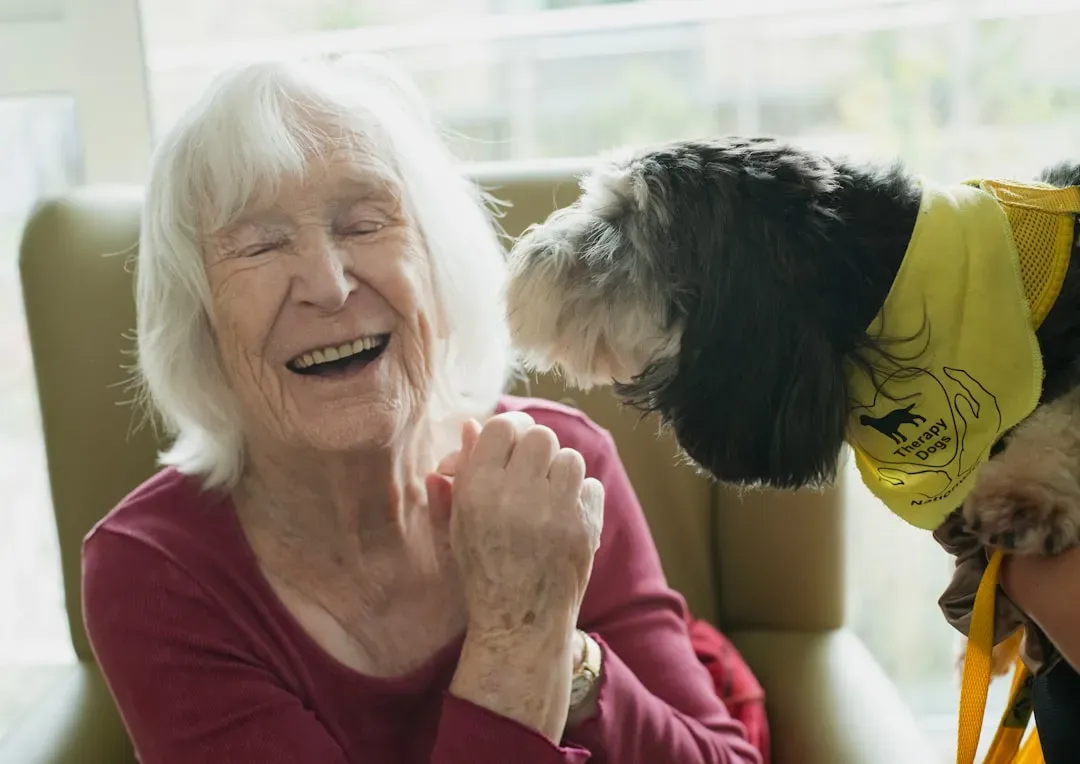
As dogs enter their later years, female owners often explore complementary options like gentle physical therapy or specialized senior diets. These measures help maintain mobility and comfort during the final stages.
The focus stays on quality alongside quantity of years. Thoughtful adjustments keep older dogs engaged and pain-free, extending the period of good living rather than simply prolonging existence.
Patterns in care styles remind us that longevity in dogs rarely comes down to one dramatic change. Small, steady choices made day after day shape outcomes more than any single factor. Owners who notice these differences may find simple shifts in routine bring meaningful results for their own companions.


