
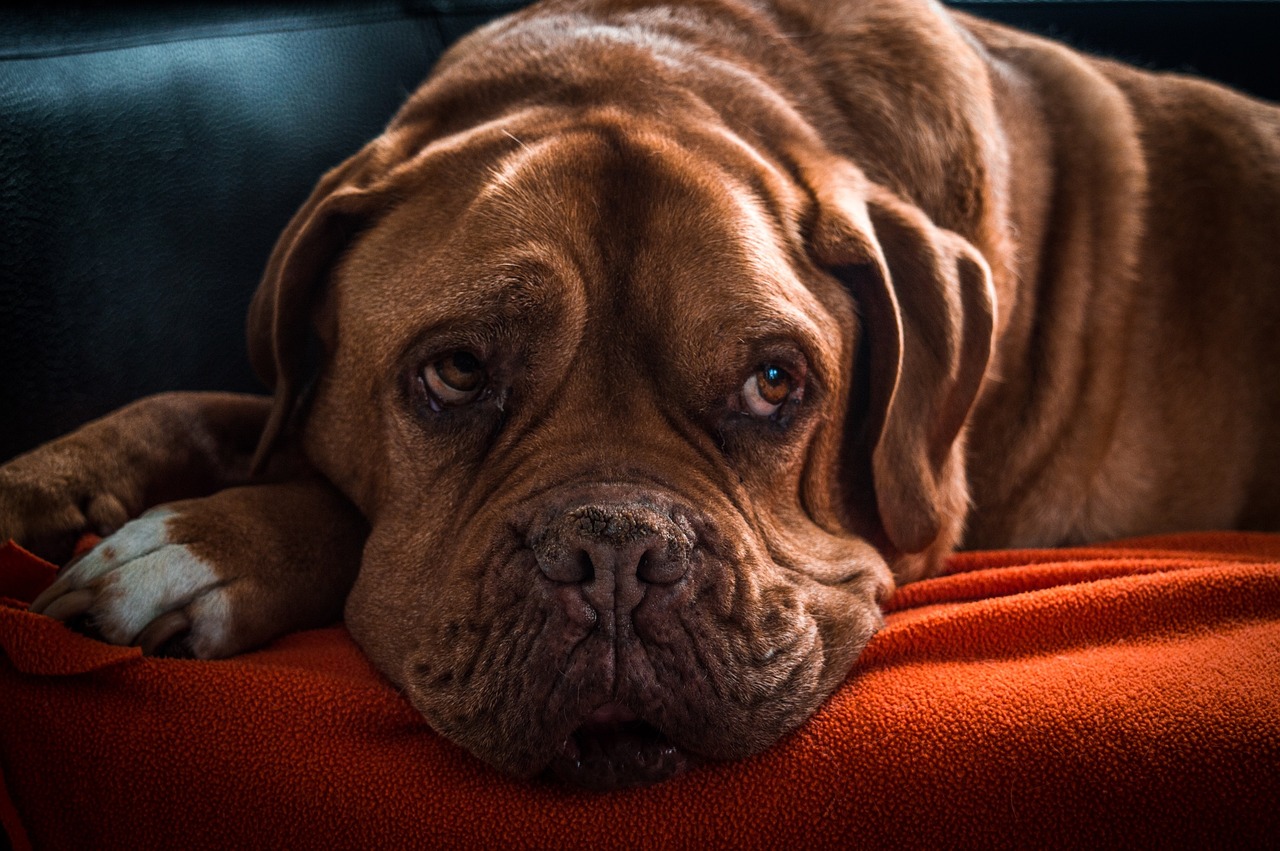
Most people think they already know what it’s like to love an old dog while they’re living through it – the slower walks, the cloudy eyes, the accidents on the rug. They don’t. Ask any owner who’s already lost that dog, and they’ll tell you the truth nobody warns you about: you only understand what those moments actually meant once the dog is gone.
The tiny frustrations, the strange new habits, the way they started staring at you a little longer than usual – none of it reads the same in hindsight. These weren’t just “senior dog symptoms.” They were quiet messages sent in real time, ones most of us were too busy, too tired, or too scared to translate. Here are 18 of them, the ones former owners say they’d give anything to go back and actually see.
#1 – The Day the Walk Quietly Got Shorter
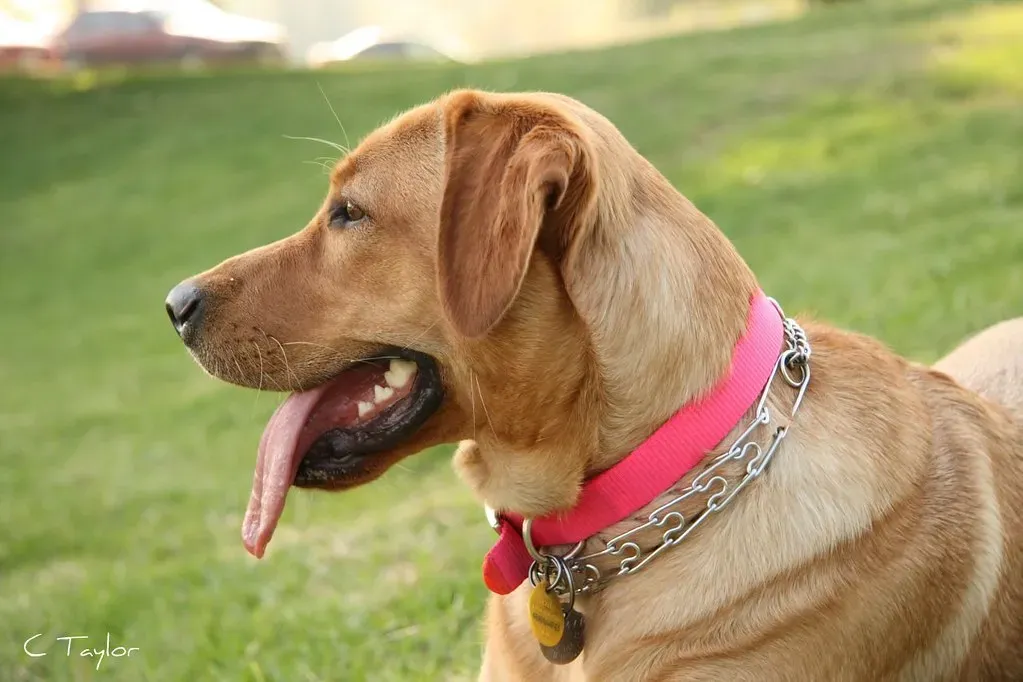
One day you notice your dog doesn’t sprint to the door when they hear the leash jingle anymore. At the time, it’s easy to blame laziness or bad weather. In reality, that hesitation is often the first real sign that their body has started changing underneath them.
Joints ache, muscles tire faster, and an hour-long adventure suddenly feels like a marathon. You start noticing them sniff more and move less, lingering over one patch of grass like it’s a library they finally have time to read. Back then, you might have tugged the leash. Later, most owners realize those slow, sniffy walks were your dog quietly saying: “I can’t go fast anymore, but I still want to go with you.”
#2 – When They Start Sleeping Next to the Bed, Not On It
At first it looks like a strange new habit – your dog suddenly prefers the floor over the bed or couch. Maybe you assume they’re too hot, or just “over it.” In reality, many senior dogs quietly move down because jumping up and down starts to hurt far more than they ever let on.
What stings in hindsight is how polite they are about it. They stay close, still loyal, just lower – removing themselves from the soft spot they once demanded so they don’t have to bother you with their limitations. Many owners say they wish they’d bought a ramp or a set of steps sooner. That small shift in where they sleep is one of those blink-and-you-miss-it moments that only fully lands after they’re gone.
#3 – The First Time They Can’t Hear You Come In
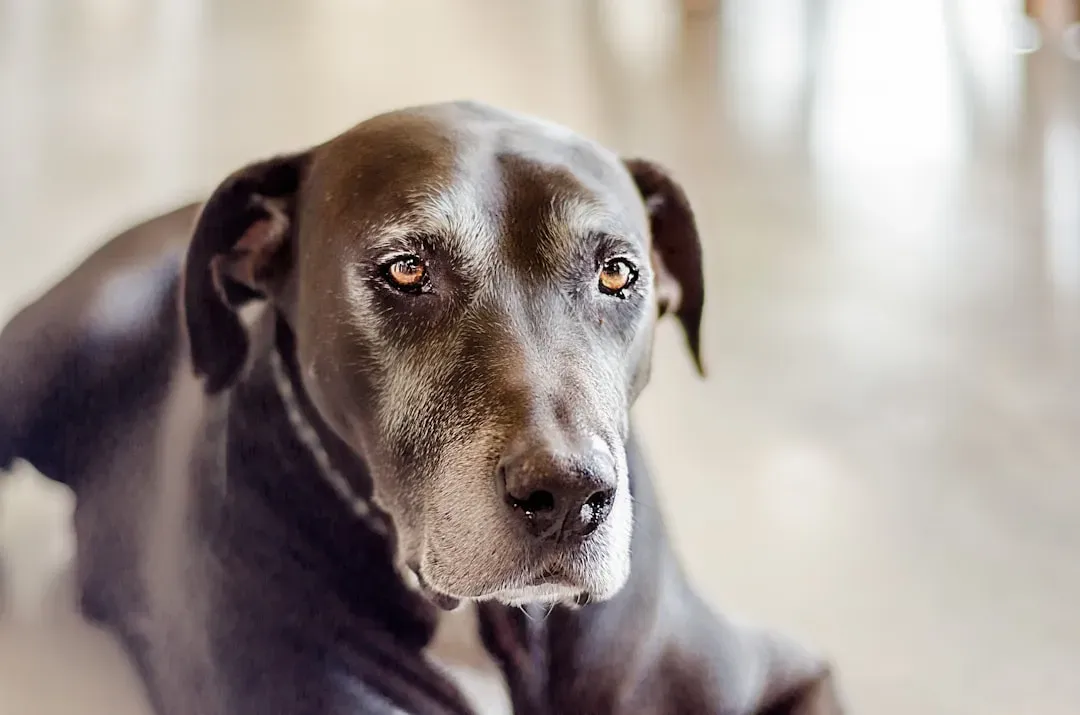
Most owners remember the exact day their dog didn’t leap up when they walked in. Instead, you find them still asleep, slowly lifting their head like they never heard the car, the keys, or your voice. Hearing loss in older dogs is common, but it feels brutally personal the first time you notice it.
Some owners even feel a sting in the moment – did they not miss me? – before it clicks that it was never about love, only biology. Over time you start clapping, stomping, or flicking lights instead of calling their name, quietly adjusting to a world that’s gone a little quieter for them. Many say they’d give anything to go back and be gentler in that transition instead of feeling rejected.
Fast Facts
- Hearing loss in senior dogs usually starts with high-pitched sounds before deeper ones fade too.
- Many owners notice it first when their dog stops reacting to doorbells or their name from another room.
- Hand signals and visual cues can help a dog adjust once verbal commands stop landing.
- A gentle tap on the floor or a light flick can replace a call that no longer gets through.
#4 – When the Stairs Quietly Turn Into a Mountain
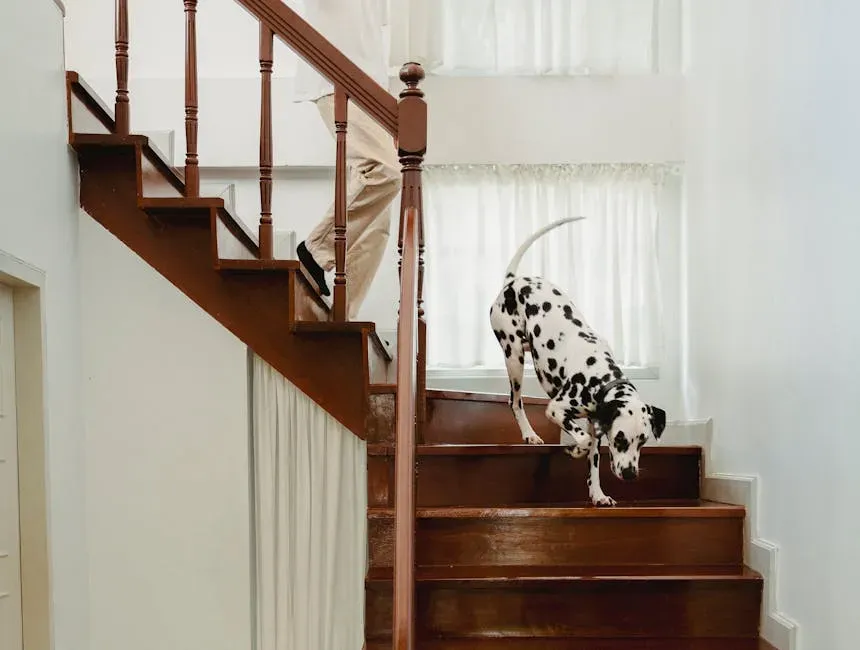
The same stairs your dog used to fly up as a puppy slowly become a careful, calculated mission. You catch them standing at the bottom, looking up like they’re doing math in their head. That pause is your dog negotiating: can I really do this?
Some owners misread it as stubbornness. In reality, every step is a small gamble with pain and balance. First they avoid the stairs at night, then altogether, then they just camp out in one part of the house. Many people only see the full pattern in hindsight, wishing they’d moved the bed, bowl, and toys downstairs long before it became a daily struggle.
#5 – The “Clingy” Phase That Wasn’t Neediness at All
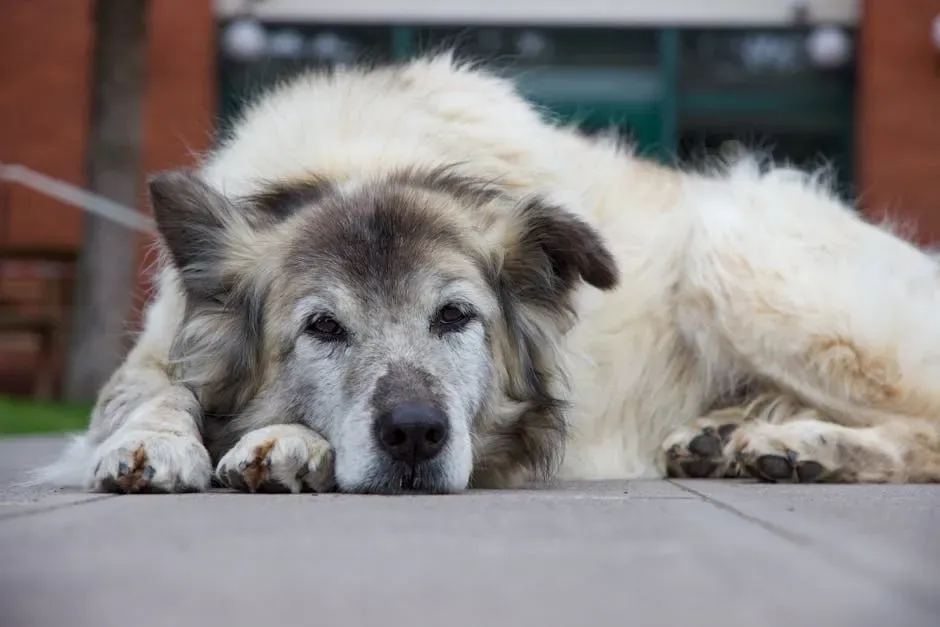
A lot of owners complain that their old dog suddenly got clingy – following them room to room, leaning against their feet, studying their face longer than usual. In the moment, it can feel smothering, like your space is being invaded by a furry shadow. Some owners even gently push them away, not realizing what’s really going on.
Looking back, most realize it was never random attachment. Their dog was losing sight, hearing, or spatial awareness, and you were the one constant that still made sense in a world that had started to blur. That clinginess was quiet fear wrapped in loyalty – and it’s one of the deepest regrets former owners share: not realizing their dog wasn’t being needy, they were being brave.
#6 – The First Accident in the House After Years of Being Perfect
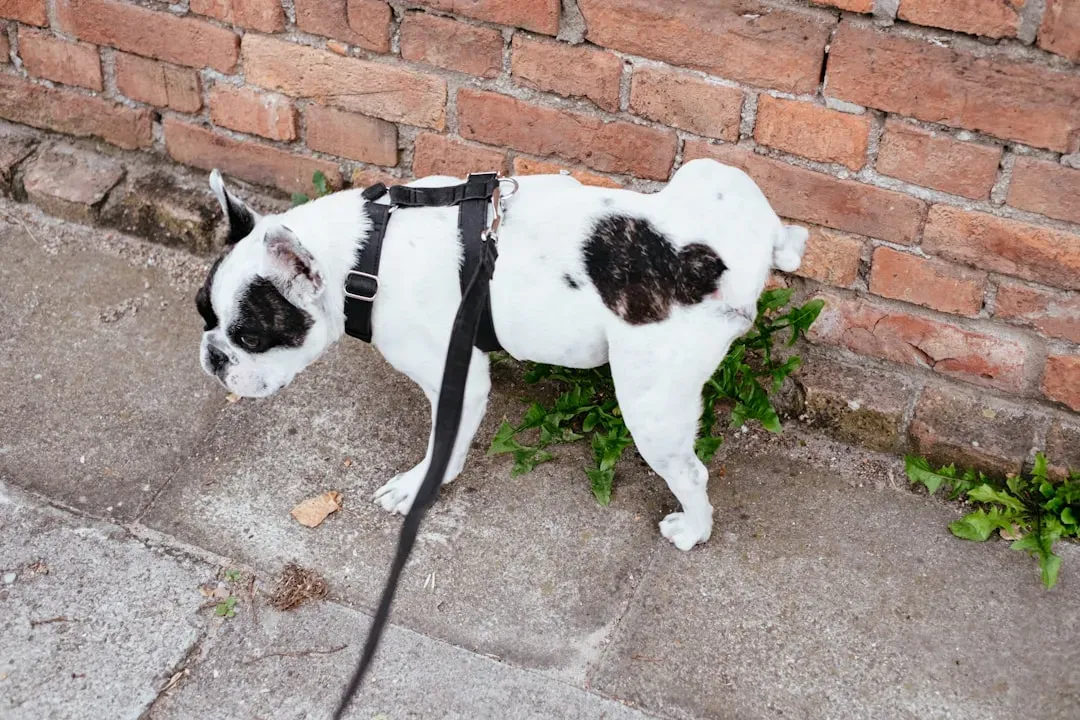
Every long-time owner remembers the first time their well-trained senior had an accident indoors. Annoyance is a very human reaction – you see the mess, not the message. You might sigh, scold, or grumble while cleaning it up.
What no one tells you is that for many old dogs, that accident is confusing and embarrassing for them too. Only later do owners fully understand that a bladder, bowel, or mobility problem simply couldn’t keep up with what their brain still wanted to do. Many say they can still picture the guilty look their dog gave them, and would do anything to erase that shame. Incontinence isn’t a choice; it’s a body giving up control.
#7 – The Day Their Favorite Toy Just Sits There
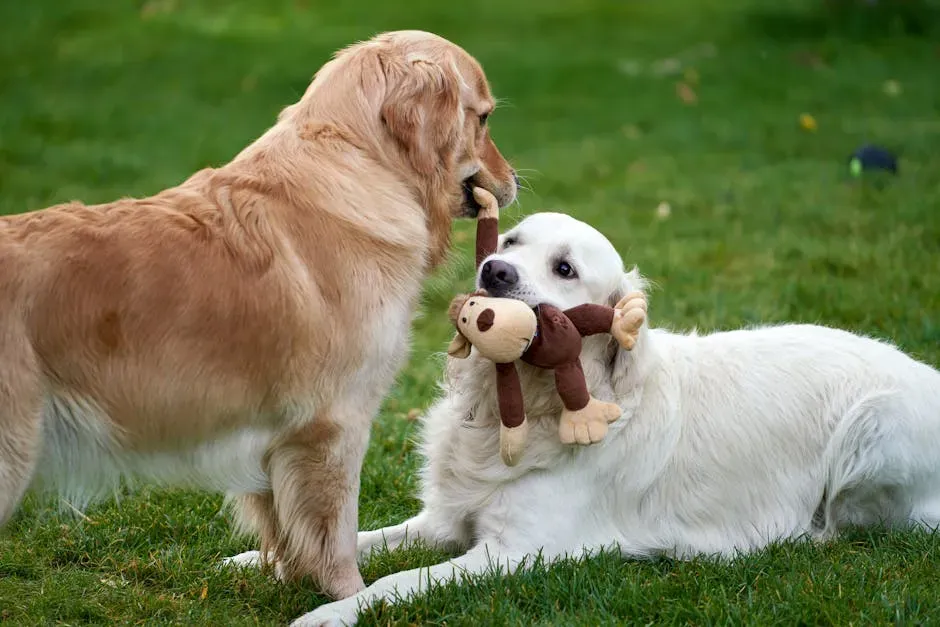
There’s a specific kind of heartbreak in tossing your dog’s favorite squeaky toy and watching them just look at it. No pounce, no sprint – just a polite glance, maybe a half-hearted step, then they lie back down. In the moment, it can feel like the shared ritual is being rejected.
Here’s what hits later: sometimes they still want to chase it, mentally right there with you, but the body simply won’t sign off. That stillness around a toy that once defined their joy is a memory people replay long after their dog is gone. Some regret pushing for “just one more!” instead of gently shifting to quieter games like nose work or puzzle feeders.
#8 – The Slow, Subtle Weight Shift You Almost Missed
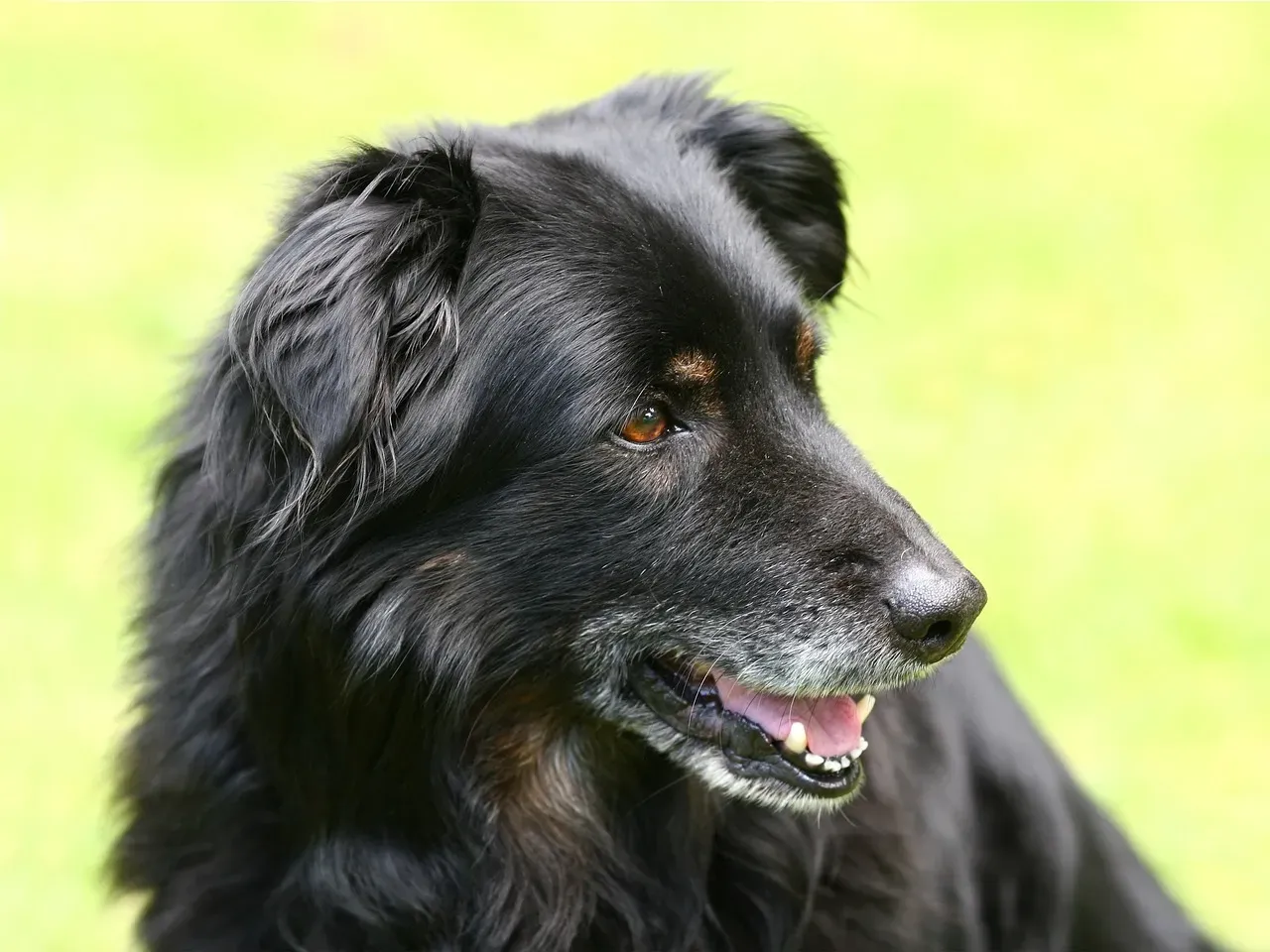
Weight becomes a quiet alarm bell that most owners miss until hindsight forces them to look. Some seniors slowly lose muscle and padding, until one day you can suddenly feel every rib when you pet them. Others gain weight because they move less while eating the same portions, straining joints that are already tired.
Both changes creep in so gradually you almost need an old photo to see the difference. Former owners often admit they only noticed how fragile – or how heavy – their dog had become after scrolling back through years of pictures. Looking back, many wish they’d adjusted food, added joint support, or run more health checks the moment that first photo comparison stung.
#9 – The Strange Little Night Wandering
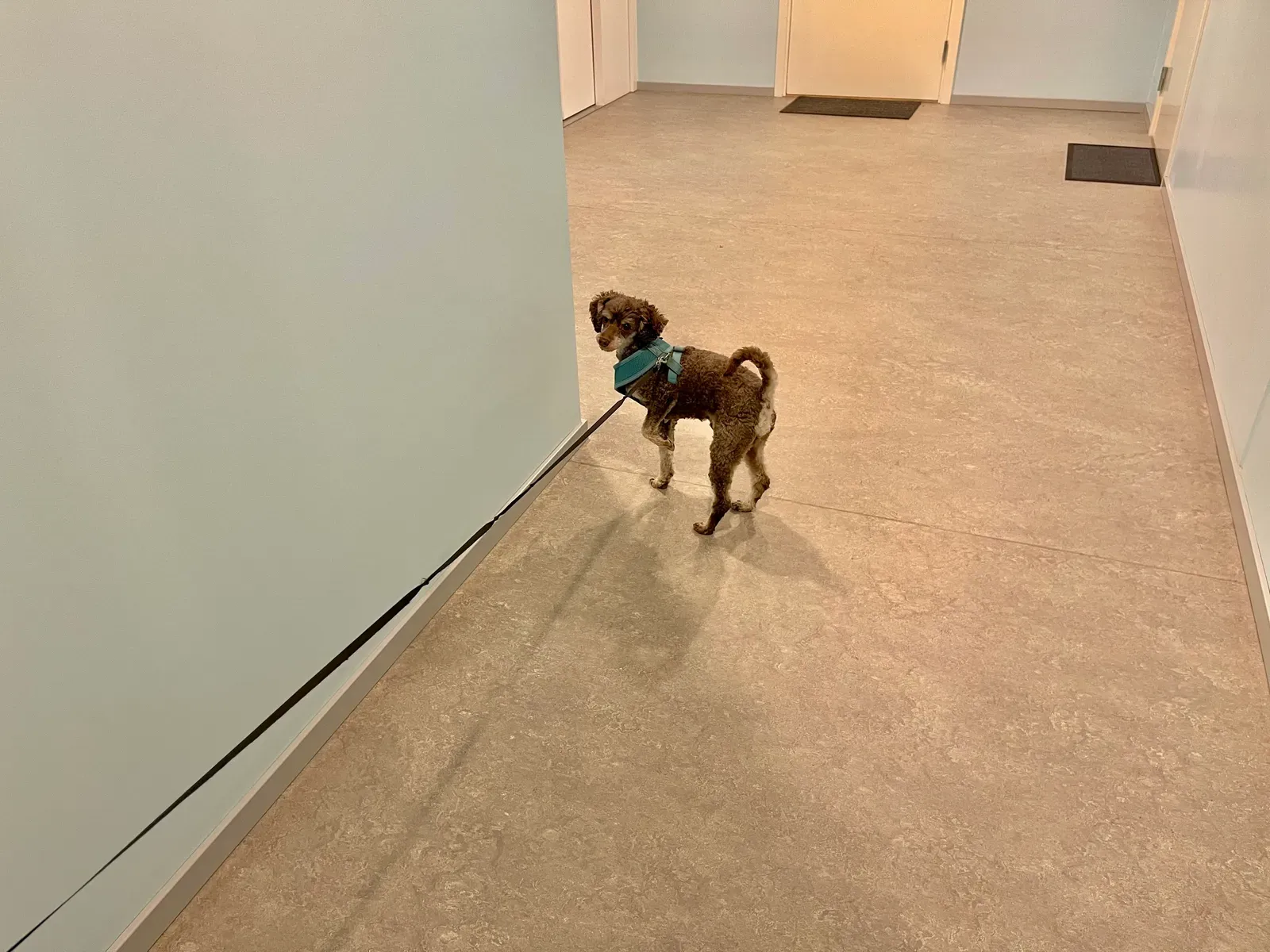
Plenty of senior-dog owners have lived through this one: you wake at 2 a.m. and your dog is just standing there. Or pacing. Or staring at a wall. In the moment, it’s confusing, a little eerie, and honestly annoying when it interrupts your sleep for the third night in a row.
This “sundowning” behavior is deeply tied to aging brains and bodies. Cognitive changes, disorientation, pain, or anxiety all tend to surface at night when the house goes quiet, and those odd little wanderings were your dog trying to self-soothe in a world that suddenly felt less familiar. Many owners say they wish they’d sat up with them more, or given them a soft light and a cozy night corner instead of just telling them to lie down.
At a Glance
- Disorientation in familiar rooms or hallways
- Pacing or restless wandering, especially after dark
- Sleep-wake cycles flipping, with more awake time at night
- Less interaction or eye contact with family members
- House-training lapses with no obvious physical cause
#10 – The Moment Their Eyes Stop Tracking You the Same Way
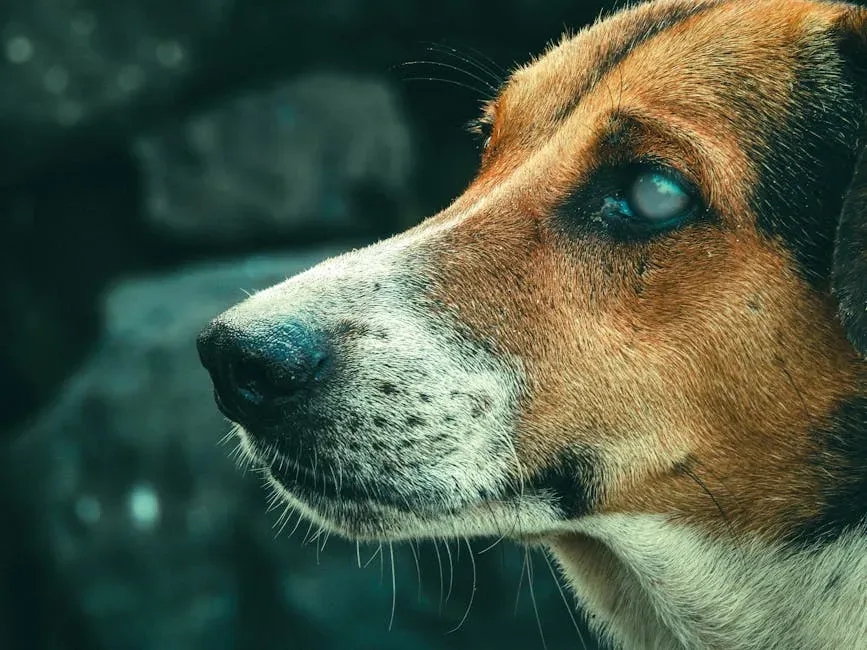
Vision loss rarely announces itself. It shows up in tiny ways – your dog bumps into furniture, hesitates at doorways, gets spooked by things that never bothered them before. Then one day you realize their eyes aren’t locking onto you the way they used to, replaced by a milky glaze or a distant look that feels like they’re staring through you.
In hindsight, many owners admit they misread this as stubbornness or “spacing out.” The reality is they were navigating a dimmer world with the exact same loyalty, leaning harder into your voice and your touch because those senses became their new anchor. What stings later is realizing how many hand signals and eye-contact cues you kept relying on, when they needed sound and touch instead.
#11 – When Grooming Starts to Feel Different Under Your Hands
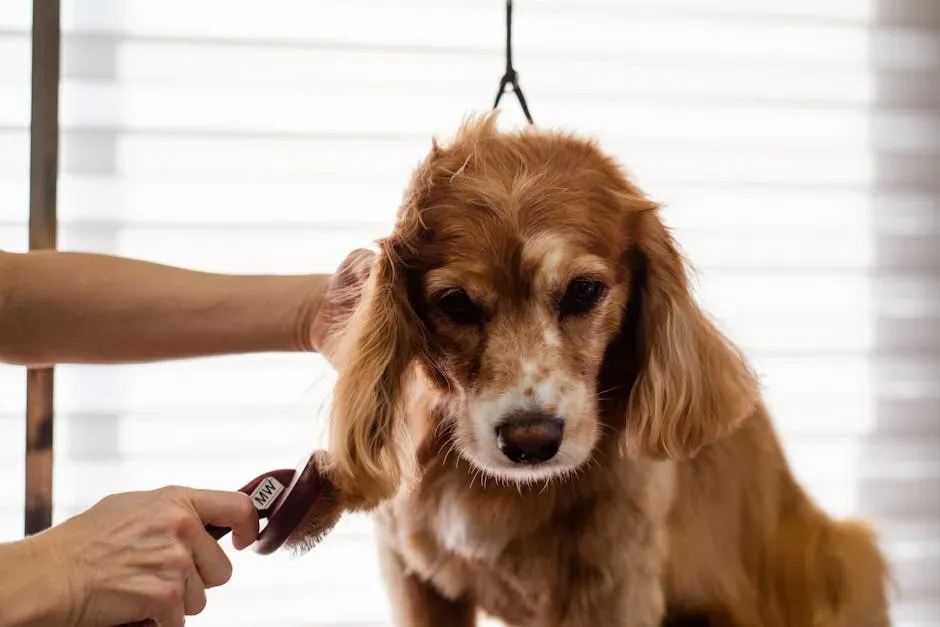
Brushing or petting an old dog stops feeling the way it used to. Their coat thins. New lumps or rough patches appear. Their skin gets papery, or oddly sensitive, and at first you tell yourself it’s just “old dog fur,” nothing to worry about.
Later, many owners can trace a timeline they missed in the moment – the lump that grew, the spot that always made their dog twitch, the time they snapped when touched near the hips. Your hands were the first diagnostic tool you had; you just didn’t know how to read them yet. In hindsight, most people wish they’d pushed harder for vet checks instead of dismissing those changes as ordinary aging.
#12 – The Day They Stop Guarding the Door
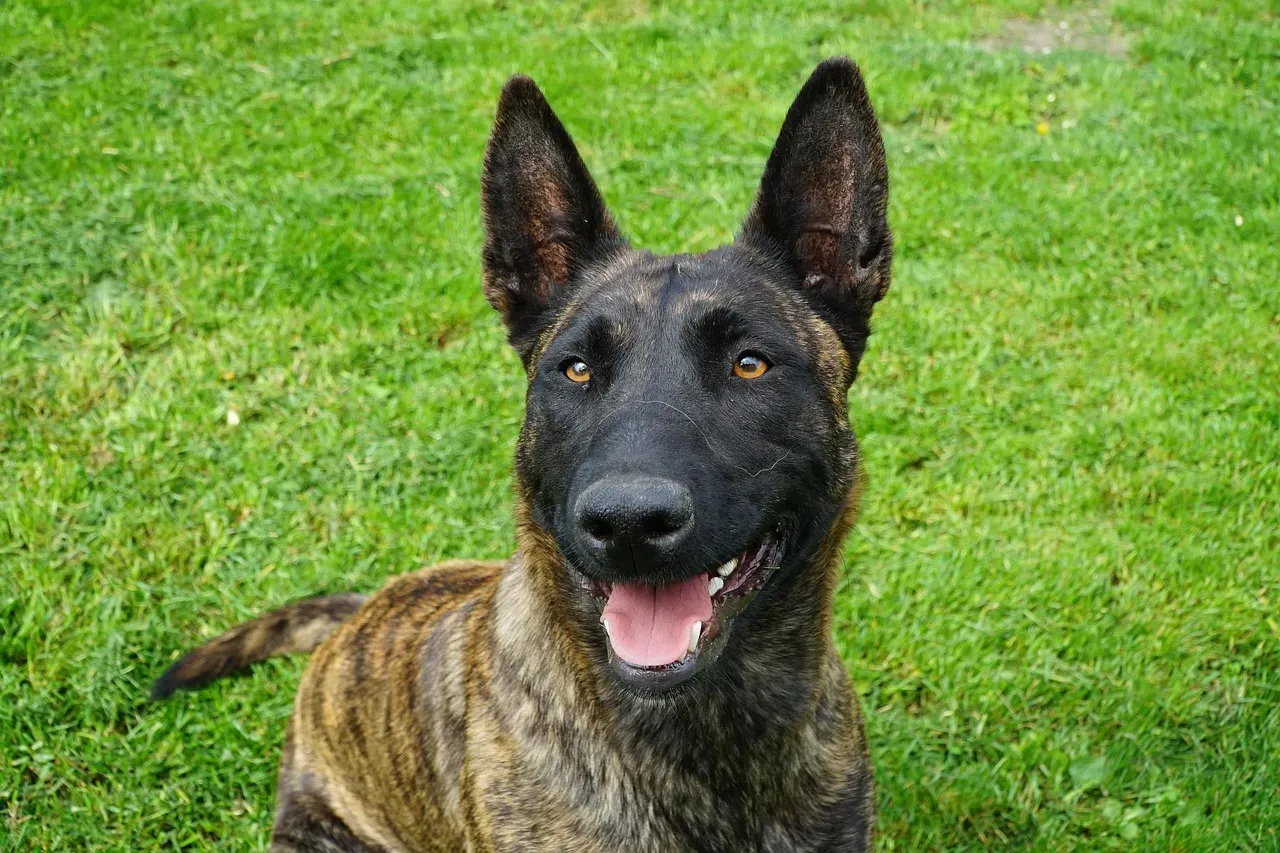
Some dogs are natural sentries – every delivery truck, every knock, every neighbor walking past gets a bark. Then one day, silence. The mail comes, someone knocks, and your dog barely lifts their head. In real time, this can feel like a small blessing, finally some peace and quiet.
But for many owners, this moment hits like a truck later on. That watchdog instinct was part of their identity, and when it fades it usually means hearing, energy, confidence, or all three have shifted at once. You realize your dog is quietly retiring from a job they took seriously for years – keeping watch over your world – and the house feels different once they’re gone, like it knows something went off duty.
#13 – The Sudden “Good Day” After a String of Bad Ones
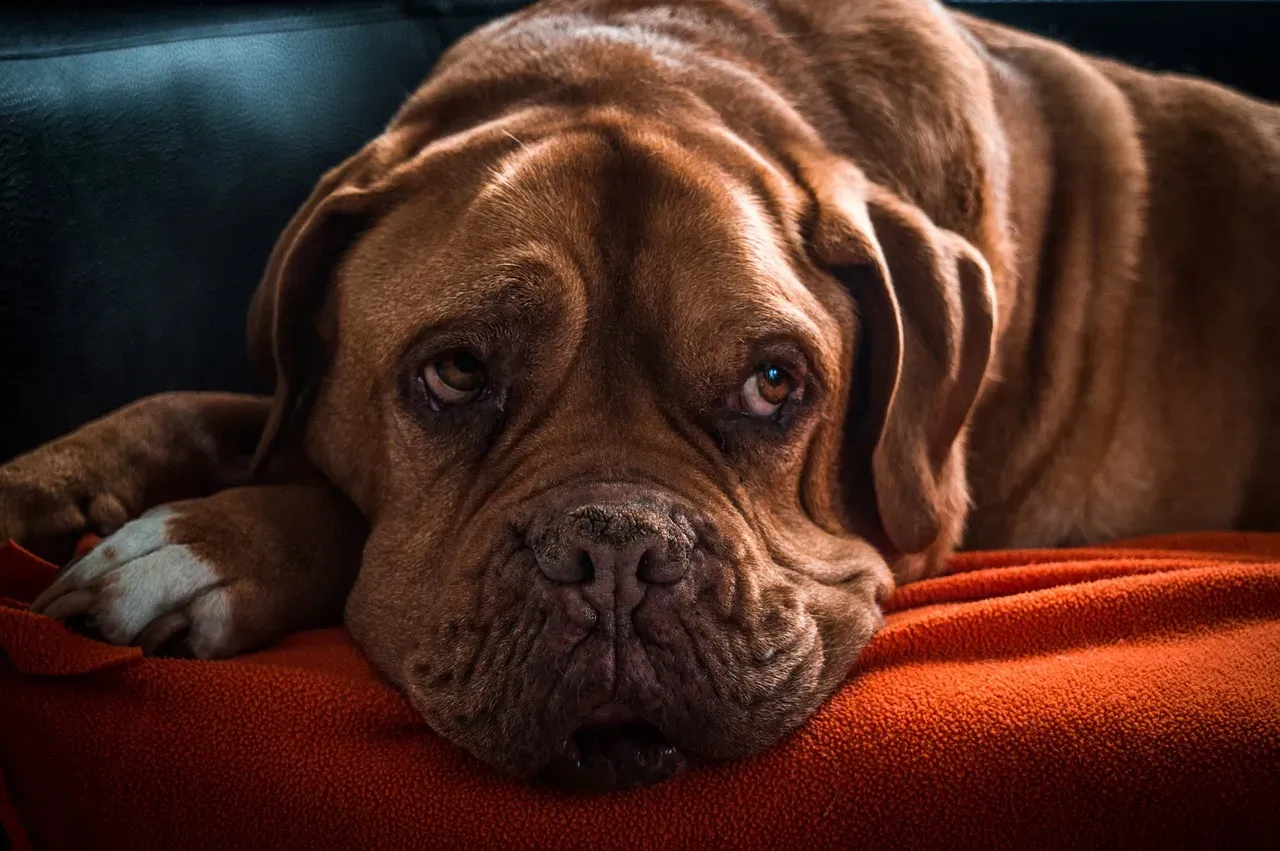
Ask anyone who’s had to make a final decision for their dog, and many will describe the “good day” right before the end. After weeks of struggle, your old dog suddenly has a burst of energy. They eat well, wag more, maybe even chase a toy across the yard. In the moment, it feels like a miracle – like maybe things are turning around.
In hindsight, this day is remembered very differently. Some vets and owners believe it’s a natural last rally, a brief window where instinct gives them one more shot at feeling like themselves. That good day becomes sacred in memory, but bittersweet too, because it sometimes precedes the hardest choice you’ll ever make. Many owners say they’re grateful for it now, but wish someone had warned them what it might actually mean.
Worth Knowing
- Vets often describe a brief burst of appetite and energy near the end as a natural “rally,” not a recovery.
- Hospice-style care for pets focuses on comfort and pain relief rather than trying to cure the underlying illness.
- Keeping a simple daily log of appetite, mobility, and mood can make it easier to spot real patterns versus one good moment.
- A quick check-in call with your vet can help you tell whether a good day is a turning point or a goodbye window.
#14 – The Quiet Shift in How They Look at You
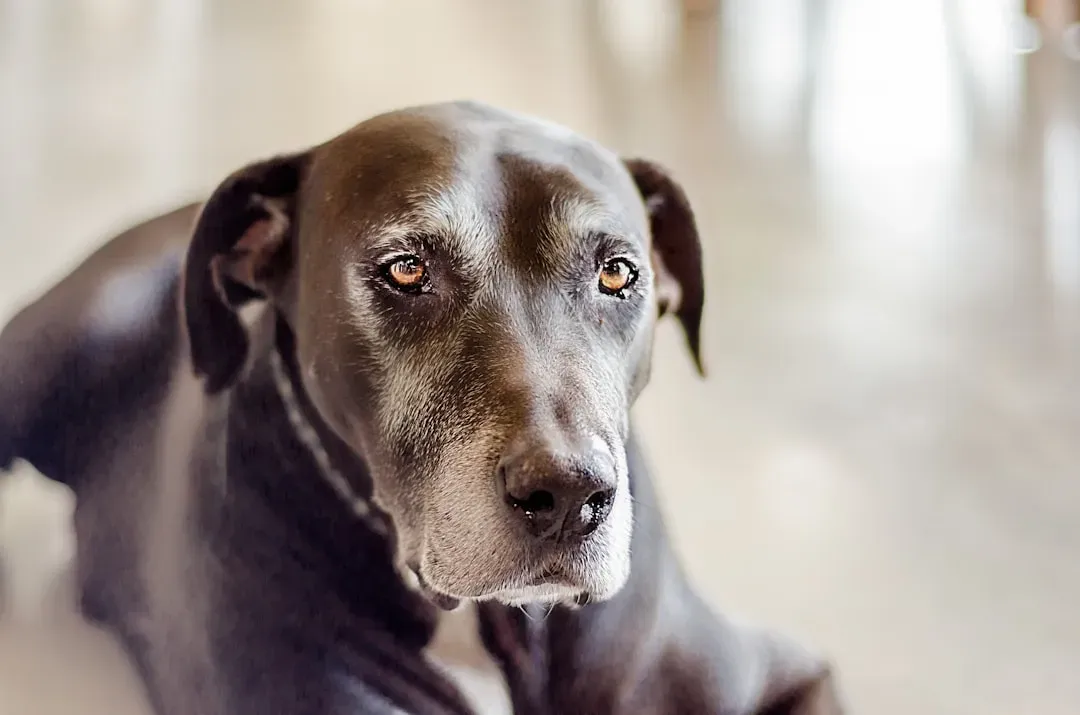
One of the most haunting things owners describe is their old dog starting to look at them differently – not less lovingly, but more searching. A longer gaze, softer, almost like they’re memorizing your face. At the time you might joke about them being intense or “creepy.” Later, that look replays in slow motion.
Some interpret it as their dog silently checking in: are you okay? can you handle what’s coming? do you still see me? Whether or not that’s scientifically provable, emotionally it sticks. Long after they’re gone, owners say those looks feel like conversations they didn’t know they were having – and that they, too, were being memorized, filed away as home base, until they’re the ones staring at old photos trying to look back.
#15 – The New Appreciation for “Boring” Routines
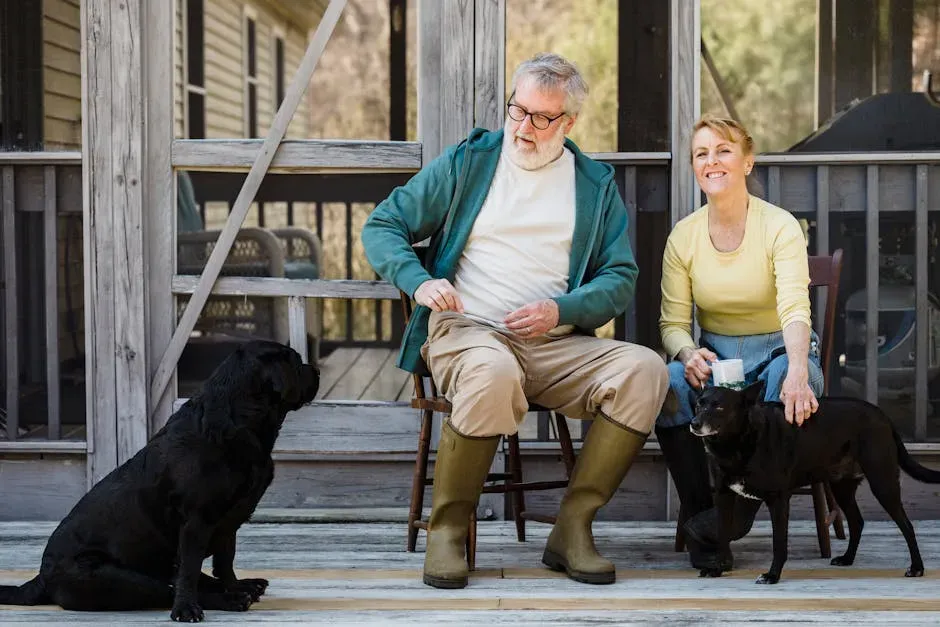
It’s only after your old dog is gone that the most boring moments become the most precious. The slow morning shuffle to the food bowl. The same sunny patch every afternoon. The three-minute ritual of finding the perfect bathroom spot. At the time, these routines can feel repetitive, even mildly annoying when you’re in a rush.
Then one day the bowl is still, the sun patch is empty, and you’d trade almost anything for one more “boring” loop around the yard. Former owners often say they didn’t grasp that these tiny habits were their dog savoring predictability inside an aging body. Old dogs don’t need bigger adventures – they need stable, familiar ones – and you only understand how comforting that stability was once the house runs painfully efficient without it.
#16 – The Guilt You Feel Over Losing Patience
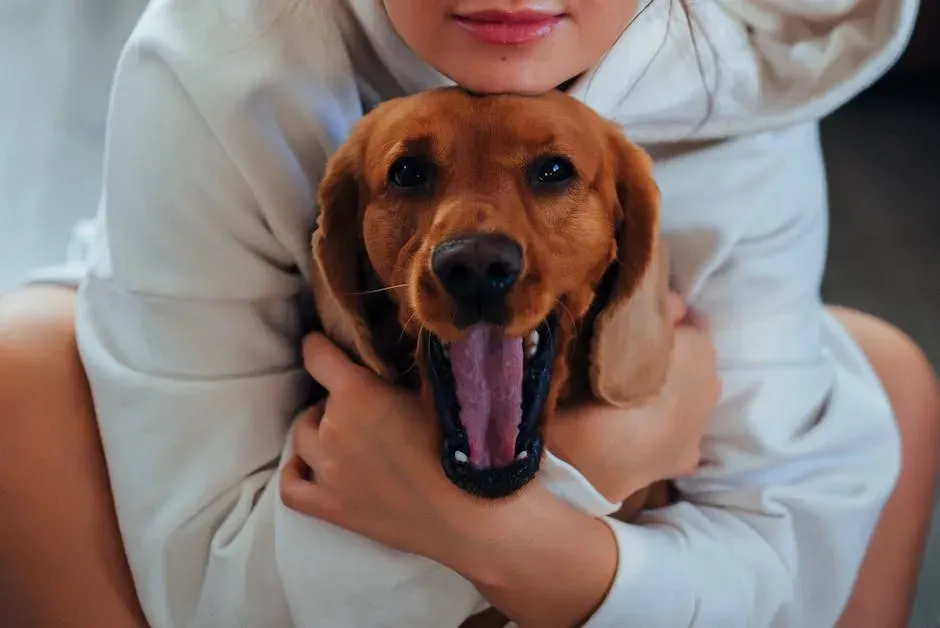
Almost every honest owner admits this: at some point, they snapped. For being slow. For an accident on the rug. For barking at nothing. For needing help again in the middle of the night. In the heat of the moment, frustration is human – you’re tired, stressed, and quietly grieving a future you can feel slipping away, even if you haven’t named it yet.
It’s only afterward, sometimes long after they’re gone, that those flashes of impatience replay on a loop. Many say the guilt hits harder than any vet bill or hard decision ever did.
Dogs are not our whole life, but they make our lives whole.
Roger Caras
What felt like “misbehavior” in the moment was usually confusion, pain, or a plain physical limit. Dogs are famously forgiving; owners rarely extend themselves the same grace.
#17 – The Way Old Photos Hit Differently

You’ve probably scrolled through puppy photos a thousand times. It’s the pictures from those last years – the gray muzzle, the slower stance – that really slam into you afterward. You start zooming in on details you missed in real time: one paw held up slightly, the curve of their spine, a tired but loyal gaze aimed straight at the camera.
Suddenly, every “just another Tuesday” snapshot feels like a document from a world you didn’t fully understand while you were living in it. Former owners often confess they took fewer photos as their dog aged, assuming there’d always be more time. The irony is brutal: by the time you realize how much those last seasons meant, the camera roll is already closed.
#18 – The Moment You Realize They Changed How You See Aging Forever
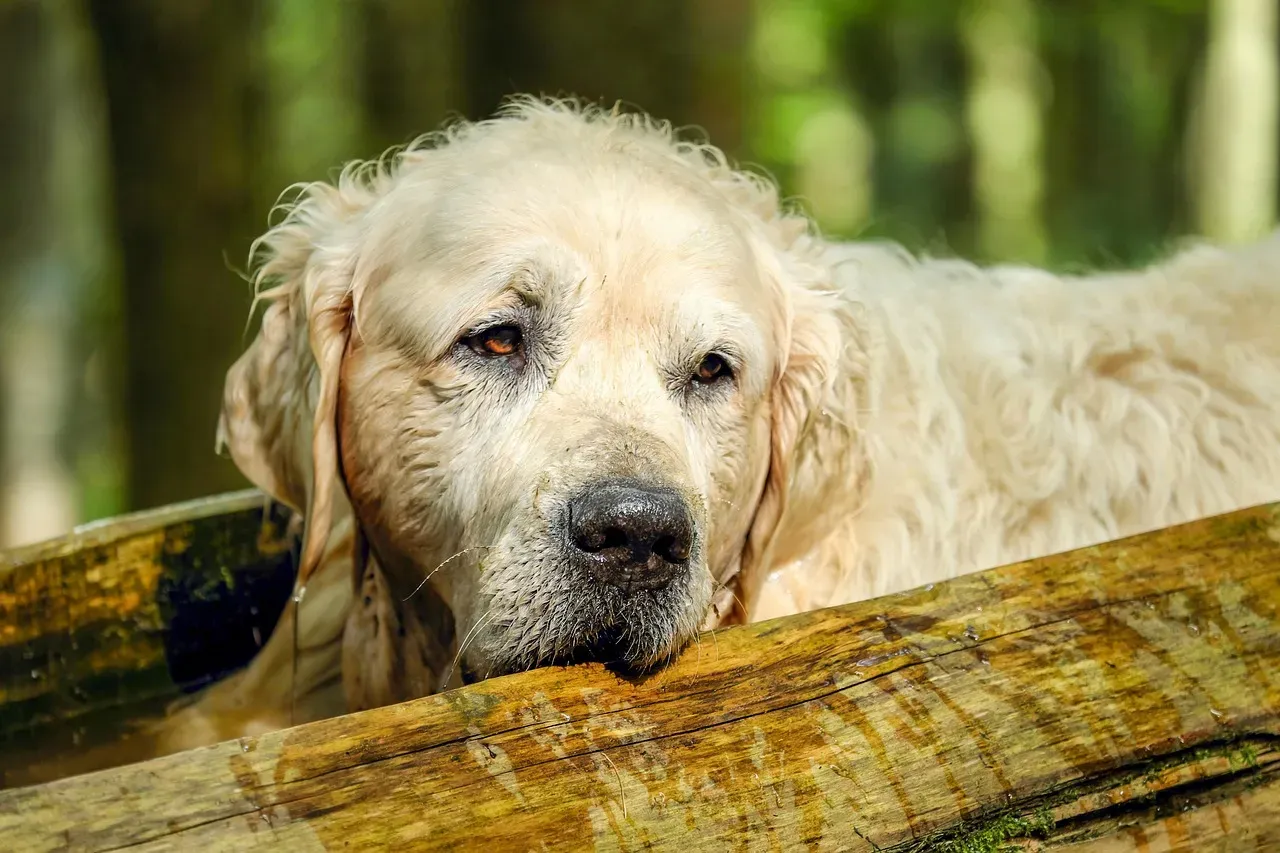
This is the one almost no one understands until years later: living with an old dog permanently rewires how you think about aging, dependence, and goodbye. You start seeing your own parents, yourself, even strangers on the street differently, recognizing the slow steps and the quiet fear of becoming a burden – because you watched your dog live it with uncomplaining dignity.
In hindsight, many owners say their old dog was their first real education in mortality that wasn’t abstract or cinematic. It was daily, messy, gentle, and relentless. You learn that love isn’t just adventures and selfies – it’s cleaning up accidents, lifting them into the car, and making impossible decisions with a shaking hand. Once you’ve done that, you can’t un-know what real loyalty looks like.
The Bottom Line
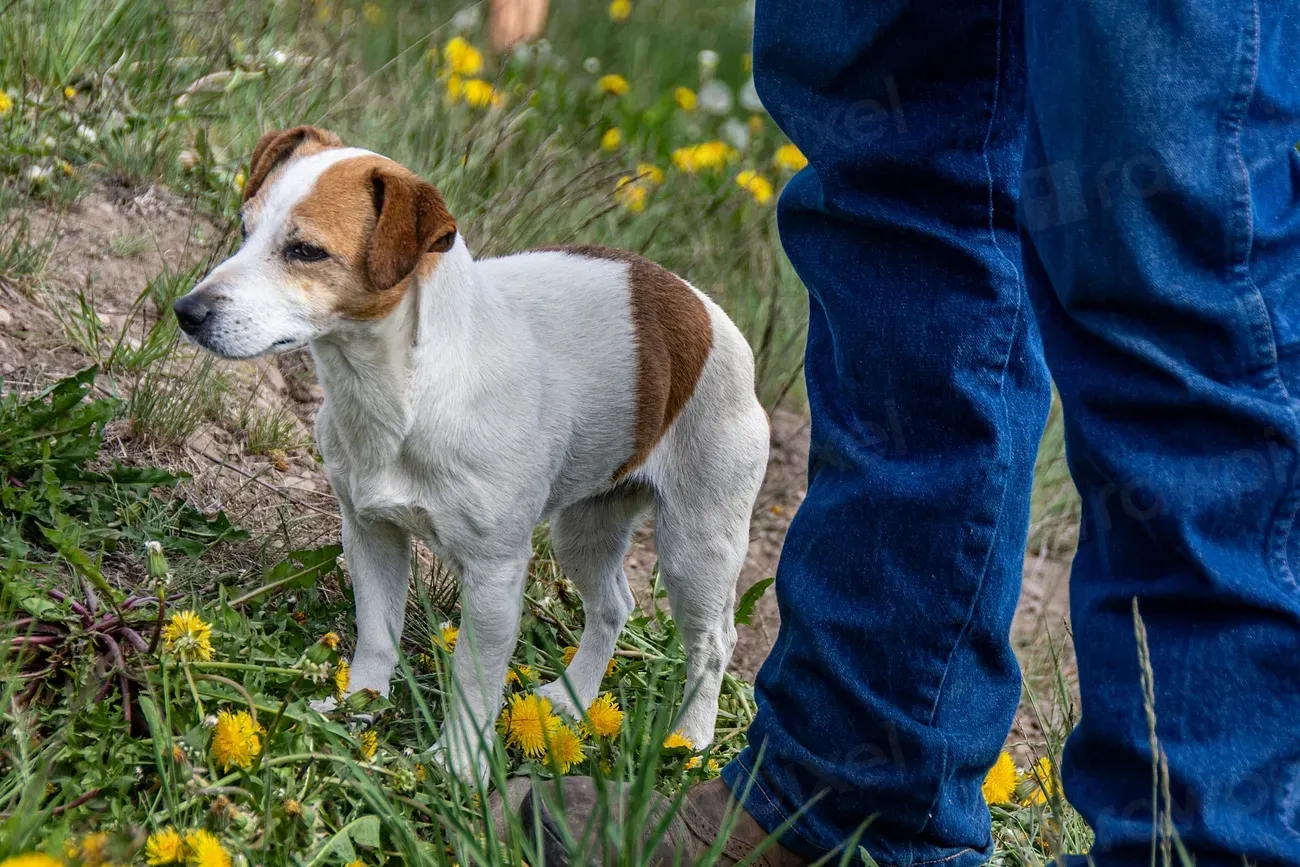
Old dogs shatter the fantasy that love is always easy, cute, or Instagram-ready. They expose the gap between what we say we’re ready for and what it actually feels like when a creature you adore starts slipping away in slow motion.
The short walks, the accidents, the blank stares, the sudden clinginess – none of it was random. It was the language of a body running out of runway but refusing to quit on you. Most of us only decode that language afterward, when the house is too quiet and every corner feels like it’s missing someone.
Here’s the uncomfortable opinion: if you only want the fun years, you don’t really want a dog – you want a prop. The real test of who we are shows up in those final chapters, when loyalty stops being convenient. Did we miss a moment that hit you hard with your old dog? Drop it in the comments and tell the truth most people gloss over.


