

You probably think your dog wakes up a blank slate every morning, tail wagging, memory wiped clean. Trainers and behaviorists say something very different: your dog goes to bed still replaying last night. The rushed walk, the sharp tone, the phone scroll instead of a scratch behind the ears – none of it disappears when the lights go off.
What you do in those last 60 minutes before bed doesn’t just end your day. It quietly writes the opening scene of your dog’s tomorrow. Here are the 13 evening moments your dog is still carrying around long after you’ve forgotten them.
#13 – The Tone You Use Right Before Bed
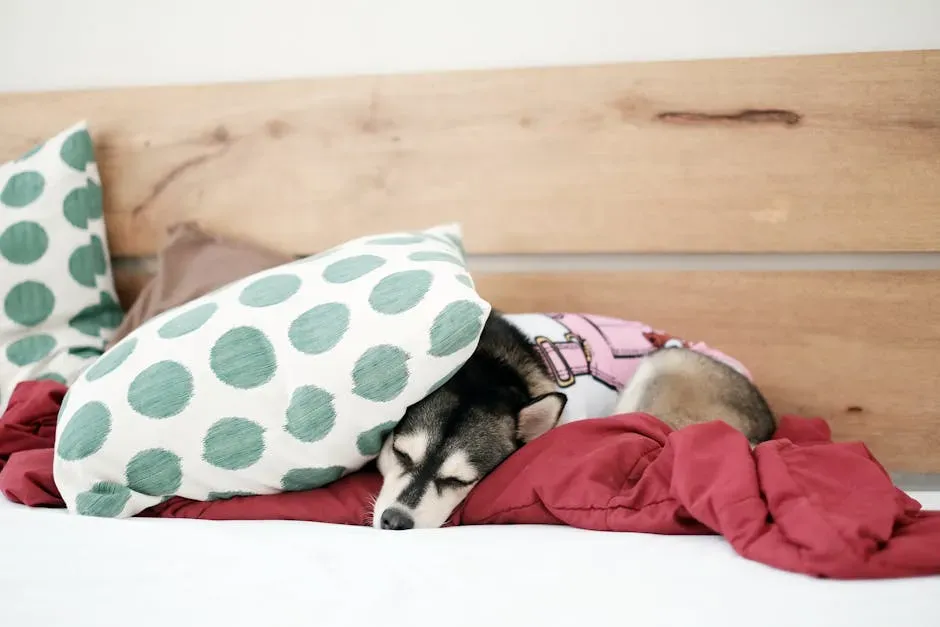
The last words your dog hears at night stick harder than you’d think. Dogs don’t process full sentences, but they absolutely lock onto your tone, volume, and body language. A sharp “Get off!” or a slammed door can leave them unsettled, even if you meant nothing by it.
A calm, low “good night” paired with a soft pat tells them the world is still safe. Owners love to say their dog “just woke up grumpy” for no reason, but often that mood was set the night before. A rushed, frustrated goodnight becomes tomorrow’s tension – while a 10-second reset, a deep breath, a gentle voice, real eye contact, can change their entire emotional baseline before breakfast.
Fast Facts
- Dogs respond more to your tone and pitch than to the actual words you use.
- A higher, gentle pitch usually reads as friendly; a sharp, low tone reads as a warning.
- Voice paired with calm body language sends a much clearer signal than either alone.
- A consistent nightly tone helps dogs predict exactly what “bedtime” is supposed to feel like.
#12 – How Long You Stay on Your Phone Instead of With Them

Your dog notices exactly when you trade them for a screen. To them, that endless scrolling on the couch is lost time they were counting on spending with their “pack.” They don’t know what Instagram is – they just know you’re physically there and emotionally gone.
Dogs run on routine, and when evenings that used to mean play or cuddles quietly turn into you staring at a blue-lit rectangle, they feel the downgrade. That’s often where the next morning’s nudging, whining, and pacing comes from – last night’s emotional debt coming due at breakfast. Even five undistracted minutes before bed can undo most of that damage.
#11 – Whether You Follow Through on Promises
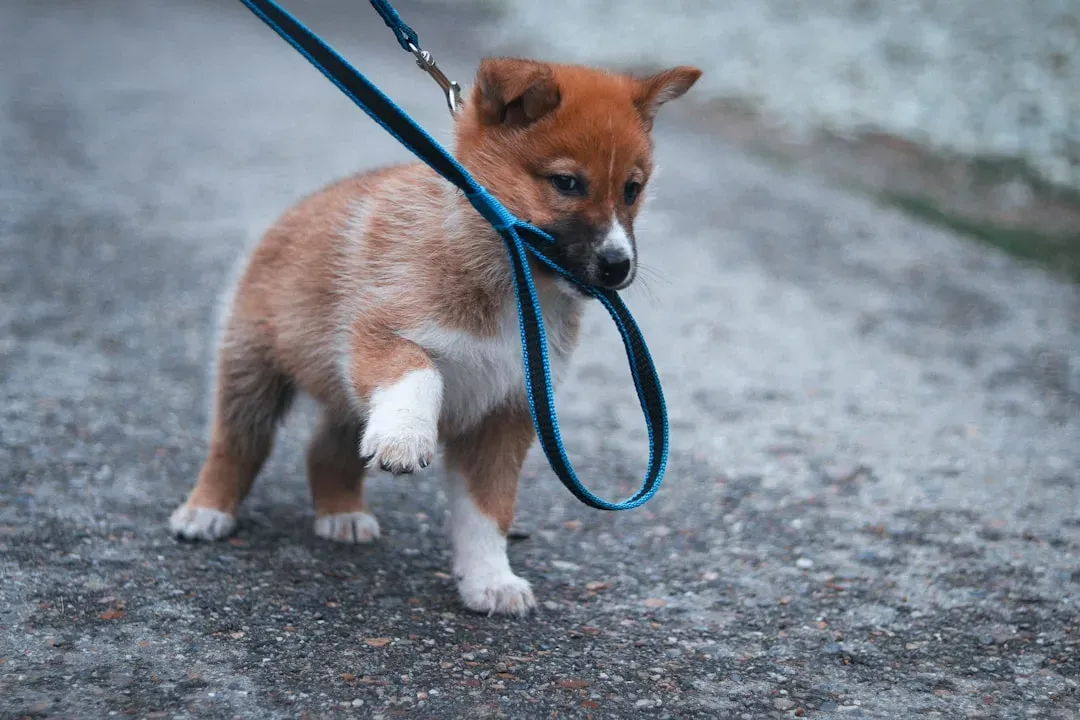
You say “we’ll go out in a minute,” pick up the leash, then get distracted and forget. You move on. Your dog doesn’t. Dogs are shockingly good at pairing cues – like the leash coming off the hook – with outcomes, like actually going outside.
When that pattern breaks over and over, dogs get anxious, restless, or simply stop responding to the cue at all. That’s the real story behind tomorrow’s “stubbornness” or selective hearing – they’ve learned your signals can’t be trusted. Consistency isn’t a training buzzword here; it’s the only way your dog can predict how their world works, and broken promises tonight show up as side-eye at breakfast.
#10 – The Quality of Their Very Last Walk
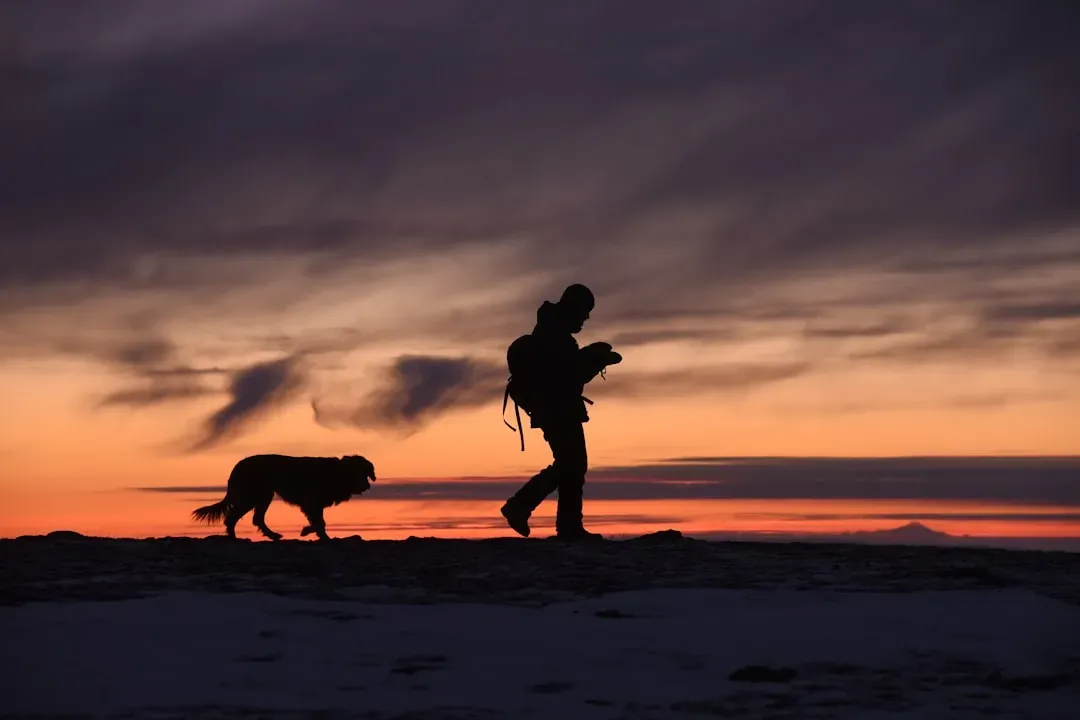
Everyone brags about squeezing in three walks a day, but it’s the last one before bed that shapes tomorrow’s energy the most. A half-hearted shuffle to the corner while you’re texting sends your dog to sleep under-stimulated and mentally bored. That pent-up energy doesn’t vanish – it explodes right when you’re trying to enjoy your coffee.
Compare that to a fully engaged 10-15 minute walk: new smells, a few quick “sit” or “wait” cues, maybe a short trot. That mix of movement and mental work helps your dog mentally file the day away and sleep deeper. Skip it occasionally and it’s no big deal – but make it a permanent afterthought, and you’re basically scheduling tomorrow’s chaos yourself.
#9 – What You Let Them Hear While You Unwind

You might assume background noise is just background. For a lot of dogs, it’s not. The show, podcast, or playlist running while you unwind can quietly set their nervous system for the next day.
Loud action scenes, shouting matches, or true-crime screaming through the speakers can keep sensitive dogs in a low-level fight-or-flight state that takes hours to fully drain. Calm music or a steady-voiced show, on the other hand, can become an actual sleep cue – some dogs visibly sigh and curl up the moment it starts. Dogs who fall asleep to chaos wake up more reactive to ordinary triggers, like the mail truck or kids playing outside.
Quick Compare
- Calm playlist or steady-voiced show: dog settles faster, sighs, curls up, sleeps deeper.
- Loud action, arguing, or true-crime audio: ears stay tense, harder time fully relaxing.
- Morning after calm audio: generally more relaxed, slower to react to noise.
- Morning after chaotic audio: quicker startle response, more barking at ordinary sounds.
#8 – The Last Thing They Smell Before Sleeping
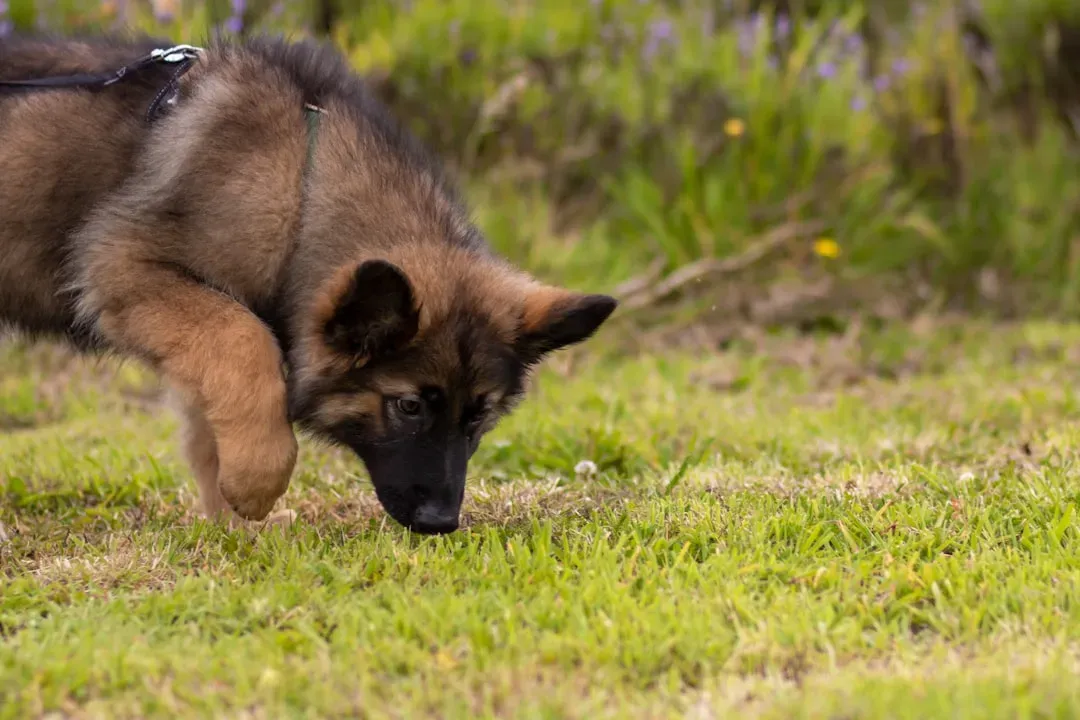
People seriously underestimate how much a dog’s nose is writing their emotional diary. Smell is how your dog catalogs “what happened today,” and that log gets written mostly in the quiet evening hours. A rushed pee break on the same boring patch of grass gives them almost nothing to work with, and that shrunken sensory world often shows up as restlessness the next morning.
Two small habits change this fast:
- Let them linger on a new bush or tree instead of yanking the leash forward.
- Rotate a scent toy or snuffle mat into the evening routine so there’s something fresh to “read.”
Trainers now half-jokingly call this “doggy scrolling” – your dog catching up on the neighborhood news before lights out. Whatever they log at night is exactly what they’ll be desperate to check again tomorrow.
#7 – Whether You Let Small Anxieties Slide

Owners shrug off little evening fears all the time – the flinch at the dishwasher, the single bark at a shadow, the pacing when a door closes a little too loud. “They’ll settle,” you tell yourself. But those micro-anxieties tend to grow overnight, not fade.
Your dog’s brain is quietly rehearsing the idea that this thing might be dangerous. Calmly redirecting – a treat tossed away from the scary sound, a short game, a gentle voice – actively rewrites that memory before it hardens. Ignore it night after night, and you’ll eventually be blaming your “dramatic” dog for a reaction you helped build one quiet evening at a time.
Worth Knowing
- A single flinch at an appliance can turn into a full-blown fear if it’s repeated without reassurance.
- One bark that goes unaddressed often becomes a nightly habit rather than a one-off.
- Pacing after a loud noise is usually a request for comfort, not defiance.
- Small redirections in the moment are far easier than untraining an established fear later.
#6 – How You Handle Roughhousing Before Bed

Here’s the controversial one. A lot of people do wild wrestling and zoomies right before bed, convinced it will “tire the dog out.” For a lot of dogs, especially younger or higher-drive breeds, high-arousal play right before sleep doesn’t burn energy – it carries straight into tomorrow as jumpiness, mouthing, and over-the-top excitement.
The play itself isn’t the problem; the timing is. Tug and wrestle earlier in the evening if you want to, then shift toward calmer interactions as bedtime gets close:
- Short training bursts with a few treats.
- Gentle grooming, massage, or slow petting.
Dogs that fall asleep in “party mode” tend to wake up in it too – and then get labeled “uncontrollable” at 7 a.m. for simply carrying last night’s hype into today.
#5 – The Last Snack Before Lights Out
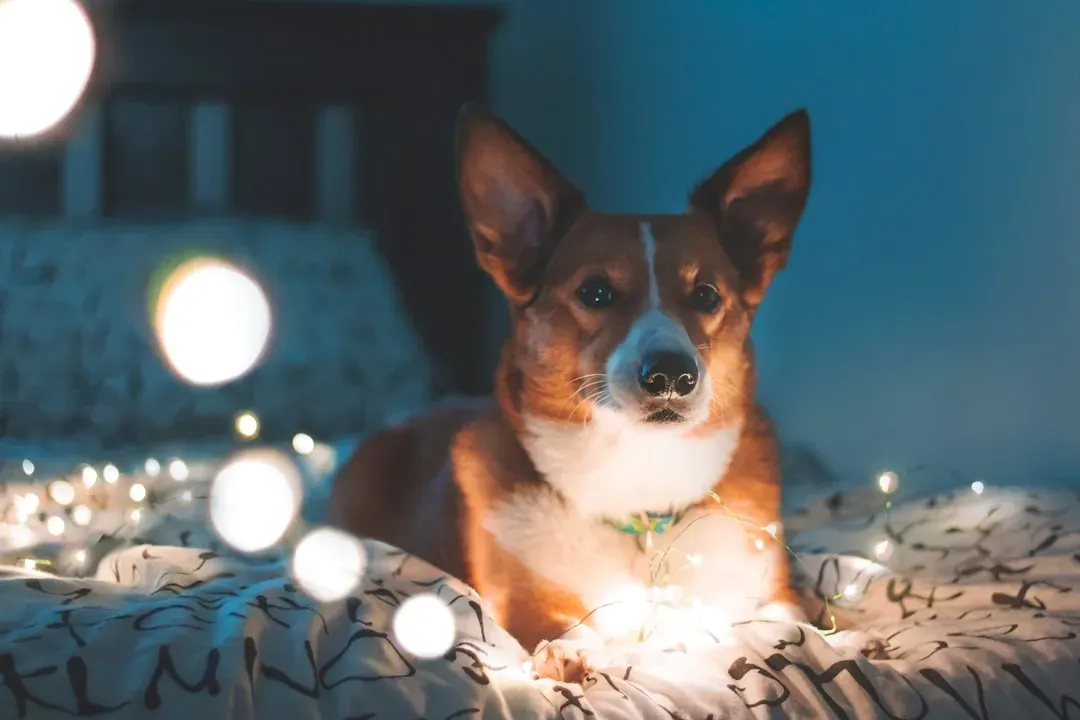
This one starts arguments in every dog group on the internet. Some swear by a bedtime snack, others call it coddling. What actually matters isn’t the treat itself – it’s stability. A dog going to bed with a painfully empty or uncomfortably full stomach tends to sleep worse and act crankier the next day.
A tiny, predictable snack – a few pieces of kibble, a small chew, a lick mat – can signal “evening is ending” and give the stomach something gentle to do overnight. Owners who add this often notice fewer early-morning pukes and less frantic hunger pacing. Heavy, fatty table scraps right before bed, on the other hand, are basically a reservation for gas, discomfort, and 4 a.m. pacing – tomorrow’s “random” upset stomach is often just sponsored by last night’s pizza crust.
#4 – How You React When They Guard the Couch or a Toy

Resource-guarding drama at night doesn’t stay in the evening. If your dog growls when you shift them off the bed, or grabs a toy and dares you to try taking it, your reaction in that exact moment becomes the emotional script for tomorrow. Yelling, yanking, or chasing might stop it in the second, but it usually builds tension that shows up stronger the next day.
Calmly trading instead – a “drop it” followed by something better, or luring them off furniture with a treat – teaches your dog that your approach means good things, not conflict. Do that consistently at night, and mornings start showing fewer standoffs and more voluntary cooperation. Owners love calling their dog “sneaky” the day after a couch fight; more often, that dog is just bracing for round two based on how last night’s script ended.
#3 – The Last Place They Choose to Sleep
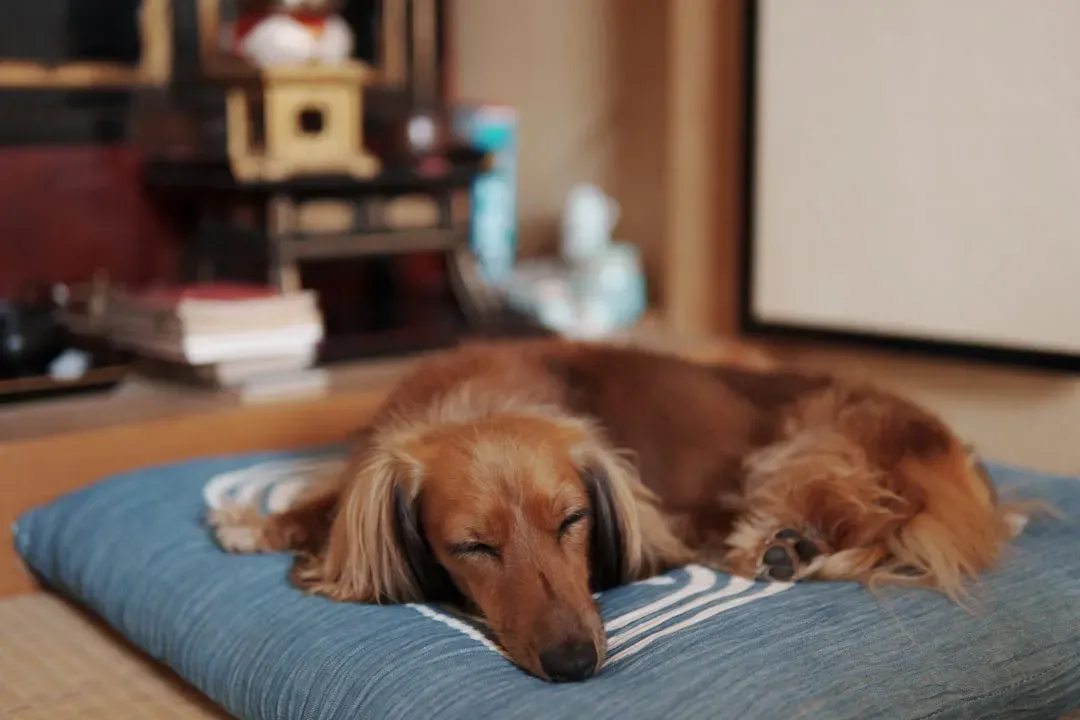
Where your dog finally settles at night is not random – it’s the clearest vote they’ll cast all day about how safe they feel. A dog who suddenly abandons your room for a hallway, bathroom, or the space behind the couch is quietly telling you something shifted, whether it’s temperature, noise, tension, or how you handled them earlier that evening.
Ignore that shift and tomorrow’s behavior can look like avoidance or sulking, when really your dog is just carrying forward one simple decision: “I feel better away from that.” A dog that willingly curls up near you after a calm, predictable evening tends to wake up more confident and less clingy. Where they sleep is basically a report card on your evening – and tomorrow’s mood is the grade.
At a Glance
- Curled up right beside you: comfort, trust, and a secure attachment to you.
- Hallway or bathroom floor: could be temperature, or a subtle sign something felt off.
- Behind furniture or in a crate corner: often a search for extra security or a bit of withdrawal.
- Foot of the bed: closeness balanced with a little independence.
#2 – The Final Eye Contact Before You Turn Away

This is the moment almost nobody talks about. Right before you roll over, grab your phone, or click off the lamp, your dog often holds your gaze a beat longer than usual. That split-second stare is a question: are we okay, is the pack safe, can I power down now?
Meet that look with a soft face and a slow blink, and you’re giving a clear, species-bridging “yes.” Brush it off, or worse, get irritated because they’re “stalling bedtime,” and you leave that question hanging in the air all night. Sensitive dogs carry that uncertainty into lighter, more fragile sleep – waking at every creak, pacing earlier, clinging harder at breakfast, simply because they never got the reassurance they were quietly asking for.
#1 – Whether the Day Ends With Connection or Correction
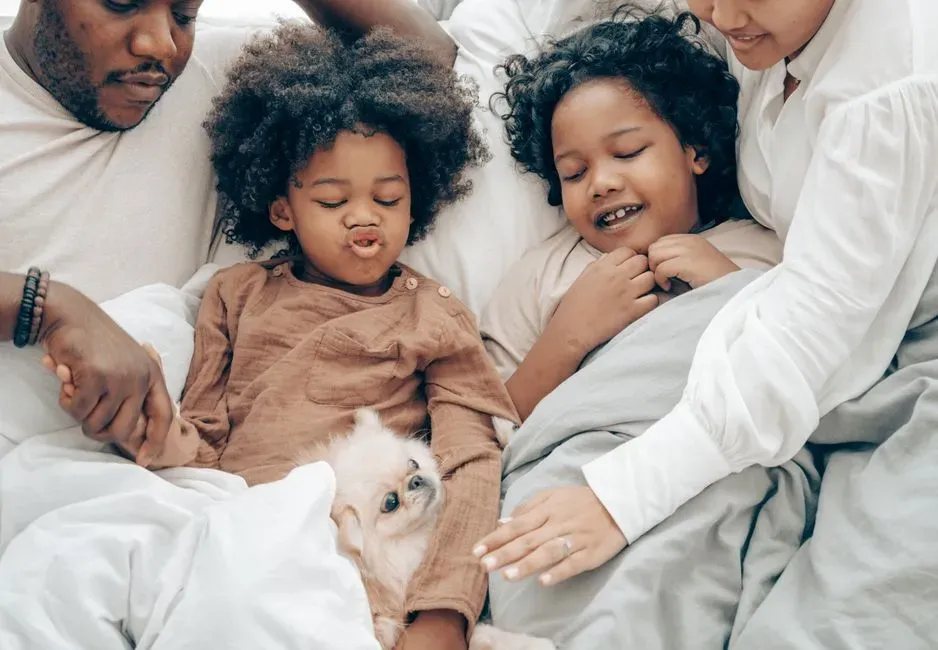
Strip away everything else and your dog is holding onto one simple truth overnight: did the day end in love, or in trouble? If the last big moment is you scolding them for an accident, shoving them off the couch, or snapping because you’re exhausted, that becomes the emotional headline they carry straight into tomorrow. Dogs don’t replay the whole day like a film reel – they cling hardest to whatever felt strongest right before sleep.
Ending on connection doesn’t mean ignoring bad behavior. It means correcting fairly, letting it go, and then deliberately closing the night with something warm:
- A 30-second calm cuddle.
- A gentle ear rub in their bed.
- A quiet “you’re a good dog” said like you actually mean it.
Dogs are not our whole life, but they make our lives whole.
Roger Caras
A dog that ends the night feeling safe and wanted is simply a different dog by morning – more forgiving, more responsive, and far less “difficult.” That final emotional note is the one that echoes through your entire next day together.
Most people blame their dog’s “random” moods on the morning – the barking, the zoomies, the clinginess, the sudden stubborn streak over breakfast. In reality, tomorrow’s behavior is shaped heavily by tonight’s last 60 minutes. Your tone, your phone, the walk you half-did, the anxiety you brushed off, and how you chose to end the night all get packed into the emotional suitcase your dog quietly carries into morning.
If that stings a little, it should. Dogs aren’t resetting robots – they’re pattern-tracking, routine-loving creatures who remember exactly how you made them feel the night before. The good news is you don’t need fancy gear or a viral hack to fix this, just a little more intention in those final, easy-to-skip minutes. Change your evening, and you will absolutely change your dog’s tomorrow.


