
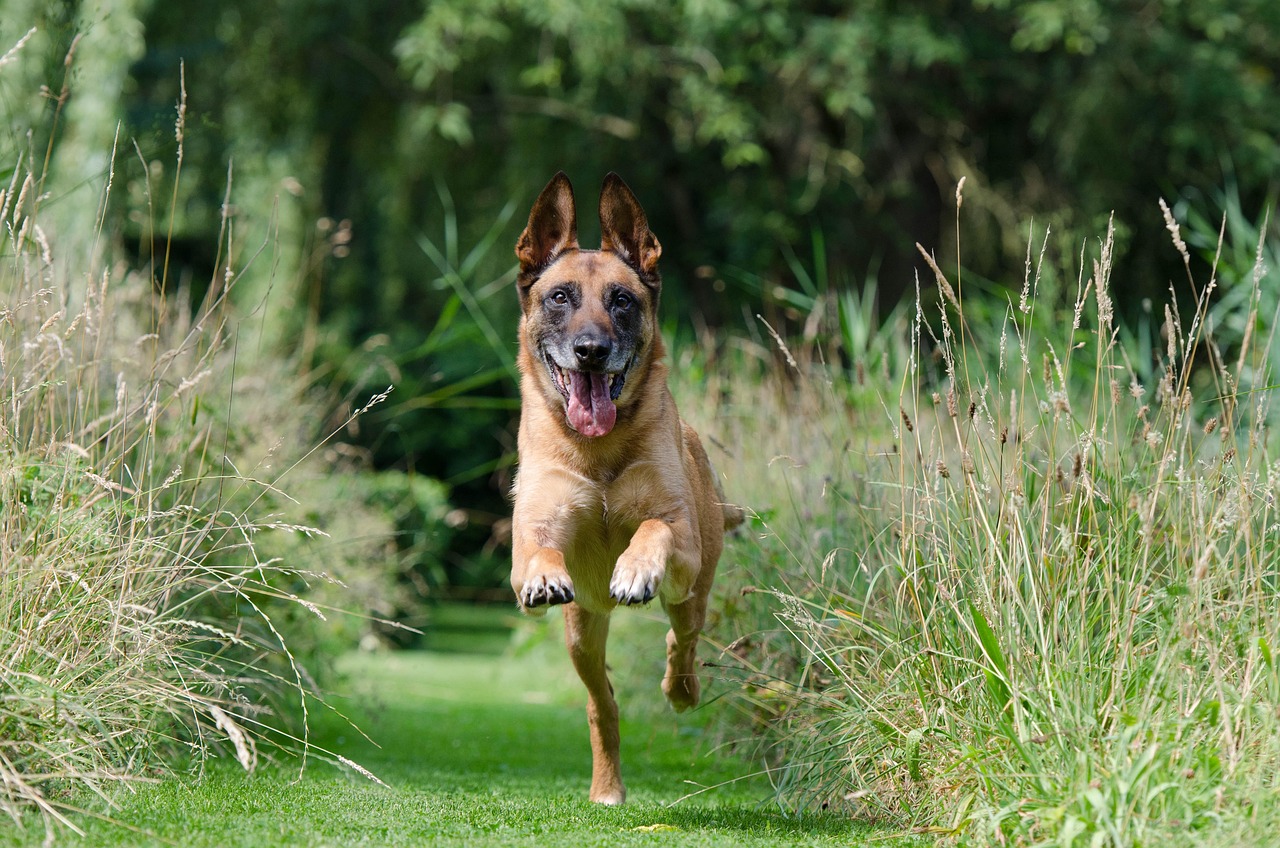
You did the work. You paid for the classes, watched the videos, drilled the sits and stays until your knees ached. Your dog was finally getting it. Then, seemingly overnight, the good behavior evaporated – and you have no idea why.
Trainers do, though. And what they’ll tell you is uncomfortable: it’s rarely one dramatic mistake that unravels a dog’s training. It’s the small, forgivable-feeling habits you repeat without noticing – the ones that quietly teach your dog the opposite of what you think you’re teaching. Here are the 13 habits trainers say wreck progress fastest, and why most owners never see it coming.
#1 – Letting “Just This Once” Become the New Rule
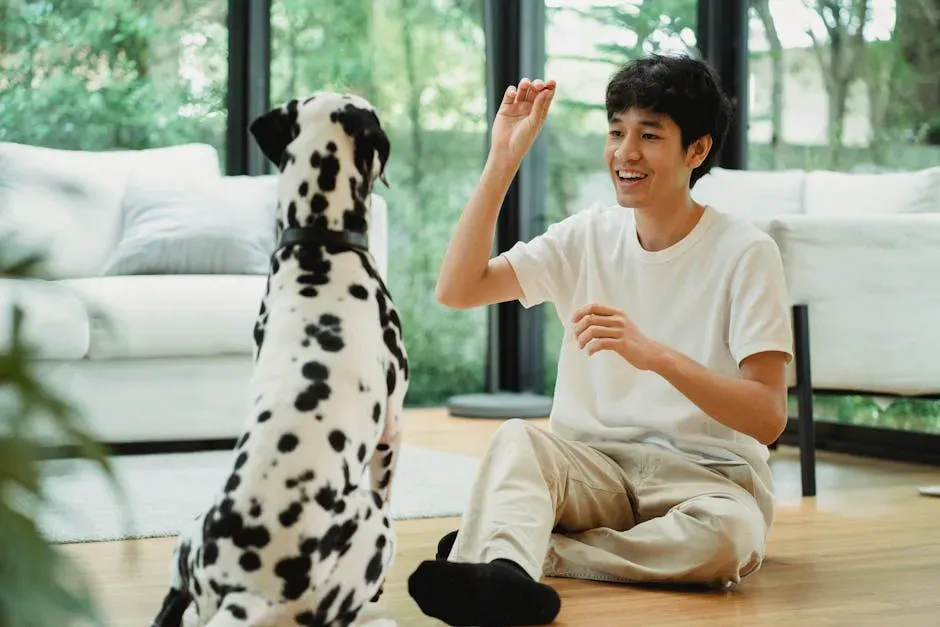
Trainers will tell you “just this once” is the fastest way to erase months of training. Dogs don’t understand exceptions; they understand patterns. When you suddenly allow the couch, share your dinner, or let them pull “because you’re in a hurry,” you’re not bending a rule – you’re writing a brand-new one that quietly overwrites the old.
This shows up hardest with jumping on guests, leash pulling, and begging. You think you’re being kind or flexible. Your dog thinks the rule changed – for good. Consistency is the real love language in dog training: if a behavior isn’t okay, it’s never okay, not when you’re tired, not when company’s over, not when it’s raining. It sounds strict, but it’s what stops your dog from constantly guessing wrong.
#2 – Repeating Cues Until Your Dog Learns to Ignore You
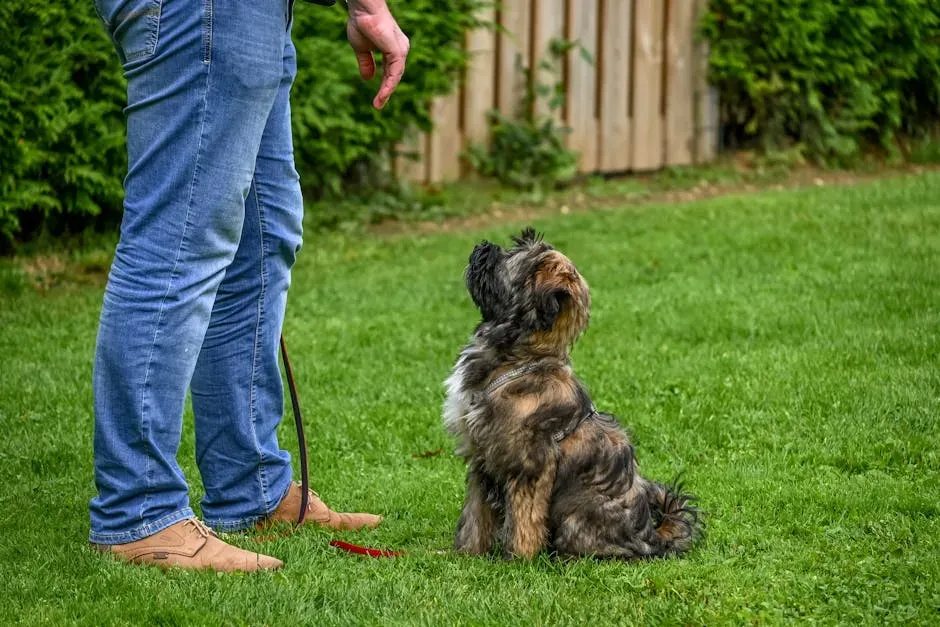
Most people don’t realize they’re training their dog to tune them out. You say “sit… sit… SIT!” or call “come” ten times across the yard, and your dog finally wanders over on the ninth try. Congratulations – you just taught them the cue only matters after it’s been said a bunch of times.
Professional trainers aim for one cue, one response. If the dog doesn’t respond, they don’t get louder – they get closer, reset, and make it easier so the dog succeeds on the first try next time. Repeating cues turns your voice into background noise, and it makes recall – the one command that could genuinely save your dog’s life – weaker every single day you let it slide.
Fast Facts
- One clear cue, given once, works better than repeated commands
- Reward the first correct response, not the fifth or ninth try
- Moving closer to your dog beats raising your voice every time
- A cue said too often becomes background noise your dog learns to filter out
#3 – Comforting Fearful Behavior Like It’s “Kind”
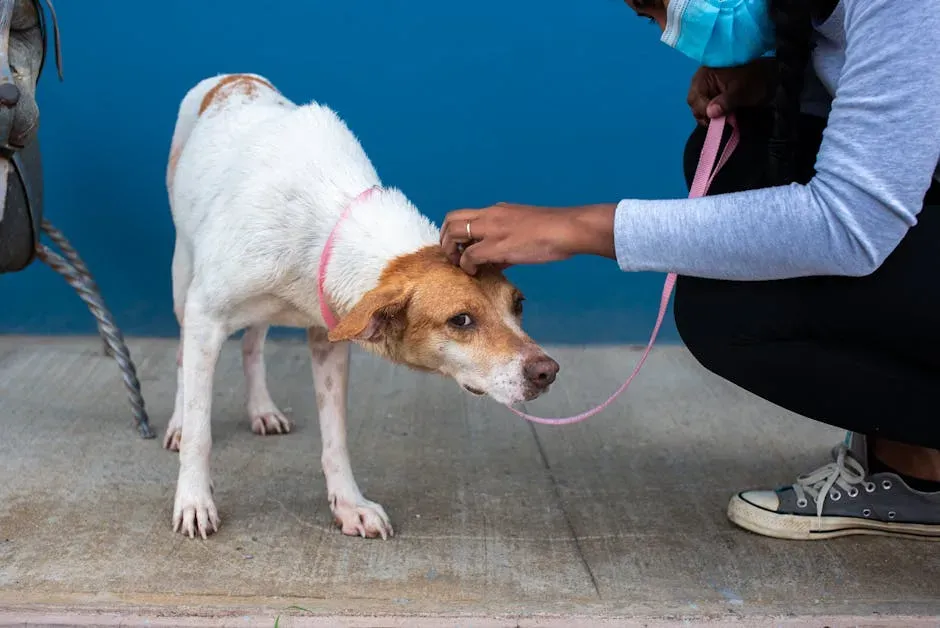
This one sparks arguments even among dog lovers. Your dog trembles during thunderstorms, hides behind you when another dog approaches, or whines at the vet. Your instinct is to hug, coo, and whisper “it’s okay, baby.” Trainers see something different happening in that moment: you’re unintentionally rewarding fear with attention, touch, and soft talk – your dog’s favorite currency.
To be clear, you should never punish fear. But constantly petting, scooping up, or babying a scared dog can lock that response in and make it stronger next time. Many modern trainers recommend calm neutrality instead – relaxed body language, a matter-of-fact tone, and rewarding even a flicker of curiosity or calm. You’re saying “nothing to worry about, life goes on,” instead of confirming “yes, this is a big deal.” It feels colder. It often works faster.
#4 – Letting Your Dog Practice Bad Manners with Strangers
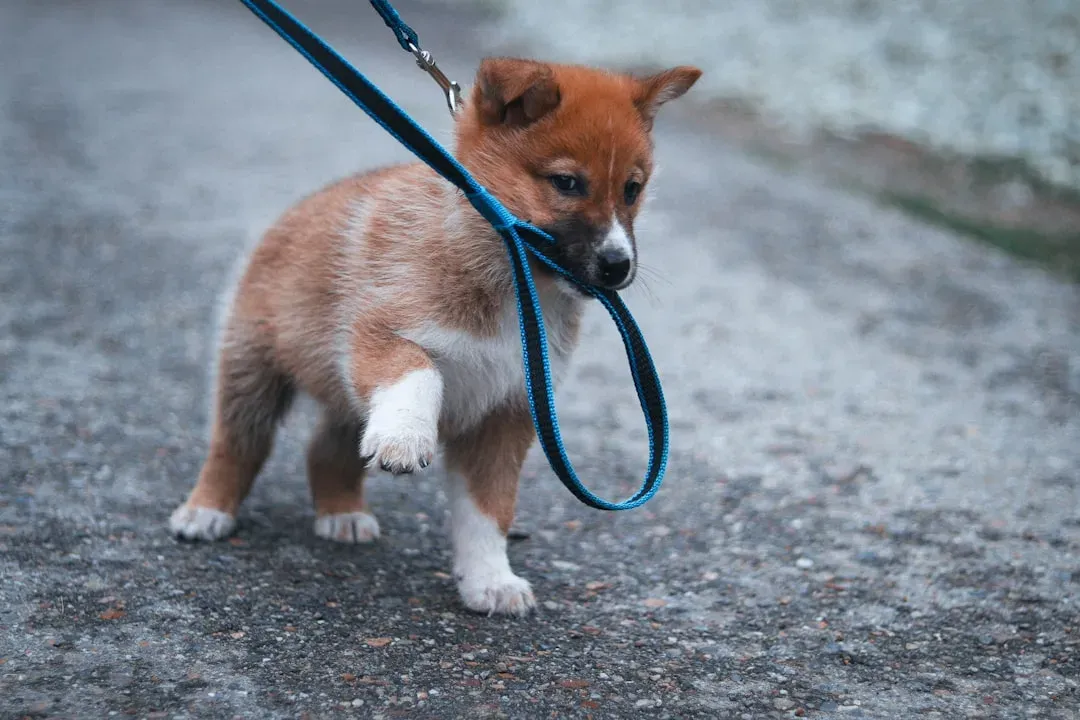
You can run perfect training sessions at home and still lose the war in your own driveway. The second guests arrive or you hit a busy sidewalk, most owners quietly drop every rule. The dog jumps, pulls, crowds, and body-slams strangers – and everyone laughs and pets the exact behavior you’ve spent months trying to fix.
Trainers call this “rehearsal of chaos.” Every rude greeting your dog gets away with makes them better at being obnoxious. You need structure around people: leash on before the door opens, a sit before hello, walking away if things fall apart. Yes, that means telling friends and delivery drivers to ignore your dog until they’re calm. You’ll feel rude. Your future, better-behaved dog won’t care.
#5 – Turning the Dog Park into an Unsupervised Free-for-All
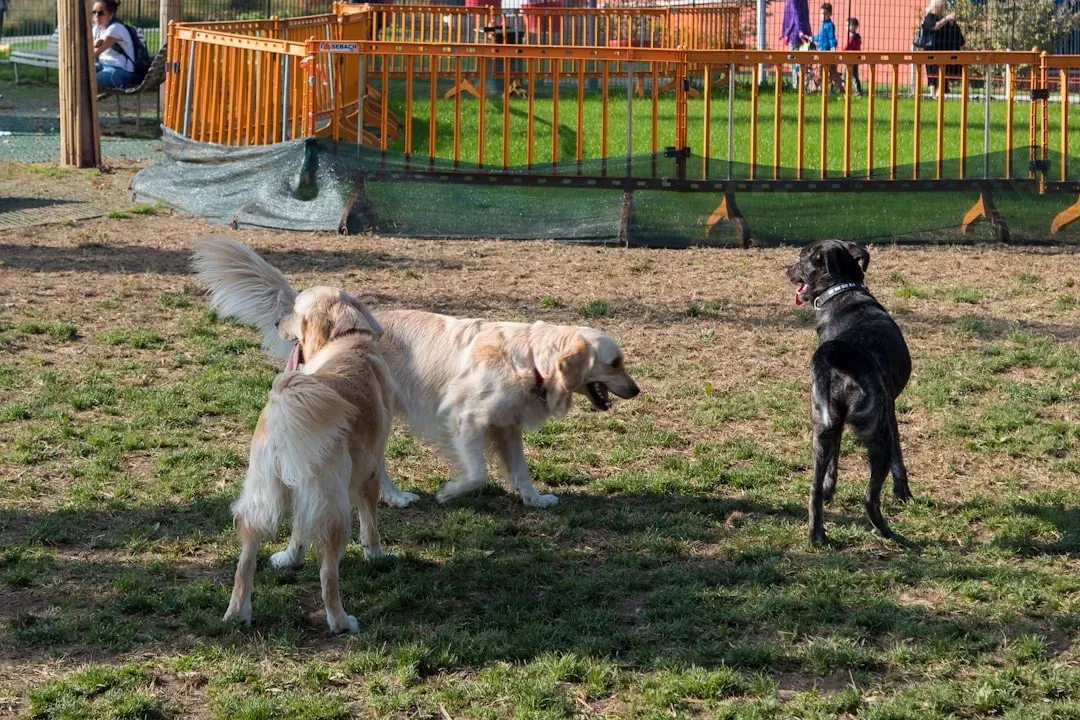
Plenty of owners still believe the dog park equals socialization. Trainers quietly cringe. Most dog parks are actually a mix of pushy dogs, under-exercised dogs, and owners glued to their phones. If your dog is nervous, reactive, or still learning manners, throwing them into that chaos can undo months of careful, controlled training in one afternoon.
Real socialization is supposed to be safe and structured – think calm parallel walks with one stable dog, or short supervised play with frequent breaks. Instead, dogs at the park often learn to be a bully, a punching bag, or simply that other dogs equal stress. Many behavior problems trainers deal with started with the sentence “it was fine until we started going to the dog park.”
Quick Compare
- Dog Park: Unstructured, high-arousal, hit-or-miss supervision
- Structured Playdate: One known dog, calm setting, easy to end if things go sideways
- Parallel Walk: Side-by-side leashed walking, no direct greeting, low pressure
#6 – Using Punishment When You’re Actually Just Angry
Ask any trainer what damages the human-dog relationship fastest, and they’ll mention corrections given out of frustration instead of clarity. You come home to chewed shoes or a trashed trash can. You yell, maybe grab a collar or smack the counter. The dog doesn’t learn “I made a mistake.” They learn “sometimes my human explodes and I can’t predict why.”
Effective consequences are immediate, clear, and proportionate – the opposite of what happens when you discover a mess an hour later and lose your temper. That kind of delayed, emotional punishment doesn’t undo the bad behavior; it undoes your dog’s trust in you. It also tends to suppress warning signs like growling, which makes bites more likely, not less.
I rehabilitate dogs, I train people.
Cesar Millan
#7 – Allowing Inconsistent Rules Between Family Members
You can be a model student of every training book out there and still have a totally confused dog, because your partner, kids, or roommates don’t play by the same rules. One person allows the bed, another yells about it. One hands out table scraps, another insists on “no begging.” From the dog’s perspective, the rules keep randomly shifting – so they push and test more.
Dogs thrive on predictability. Trainers constantly walk into homes where Mom has taught flawless leash manners while Dad hypes the dog up every evening and the kids encourage jumping “because it’s cute.” Then everyone complains the dog is stubborn. In reality, the dog is just collecting data: sometimes this works, sometimes it doesn’t, so why stop trying? A quick family meeting on what’s allowed and what’s never allowed can clean up half your dog’s “behavior problems” within a month.
#8 – Skipping Mental Work and Relying Only on Walks
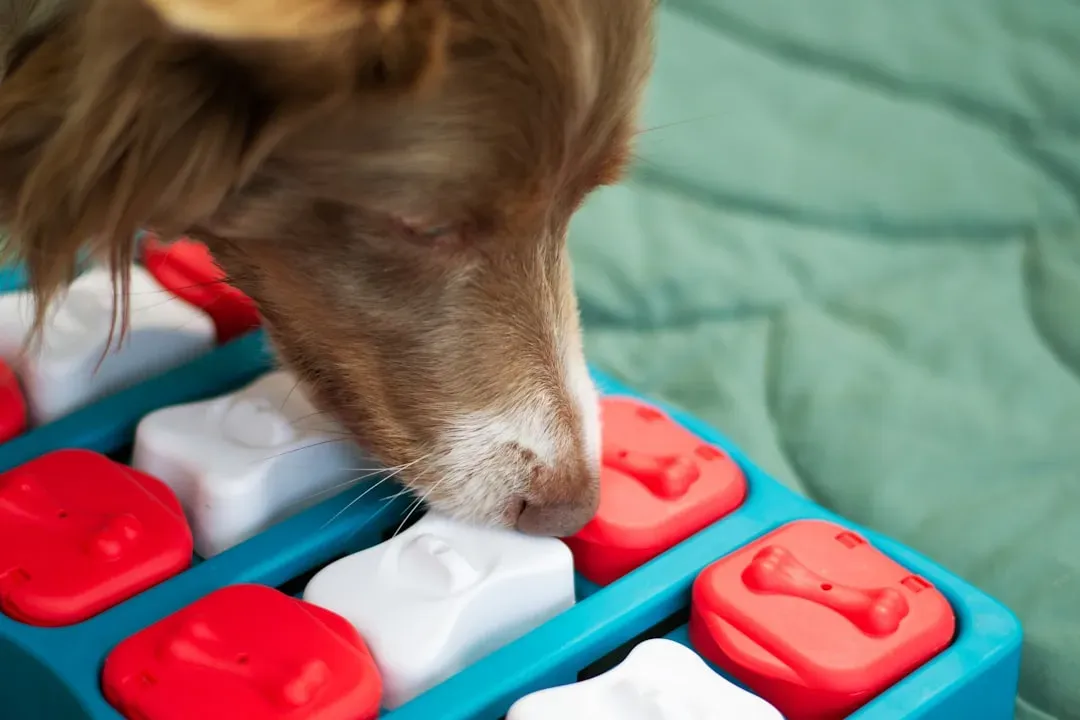
Owners love to brag about two long walks a day like it automatically guarantees a well-behaved dog. Trainers see how incomplete that is. Physical exercise matters, but a physically tired, mentally bored dog will still chew, bark, pace, and push boundaries. You cannot outrun a lack of mental engagement, especially with a smart breed.
When training games stop after “graduation,” your dog’s skills get rusty fast – impulse control, loose-leash walking, and calm settling all fade. A few minutes of daily training, a puzzle feeder, or a sniff-focused walk does more for behavior than another mindless lap around the block. Neglect their brain long enough, and they’ll find their own “job” – usually guarding the window or dismantling the couch.
Worth Knowing
- Puzzle feeders and snuffle mats turn mealtime into mental exercise
- Short daily training sessions reinforce skills better than occasional long ones
- A simple “find it” scent game can tire a dog out faster than a jog
- Boredom-driven chewing and pacing often ease once mental work is added back in
#9 – Using the Crate as “Dog Jail” Instead of a Safe Den
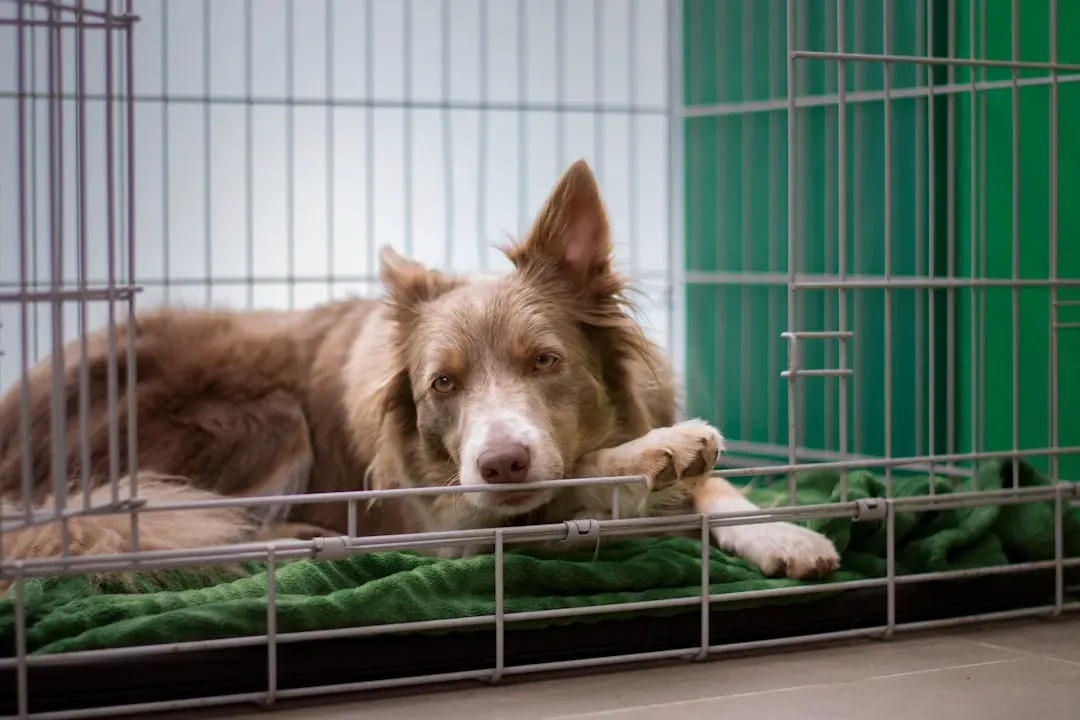
Crate training can be one of the most powerful tools for house training and preventing destruction. But many owners quietly poison it by only using the crate when they’re mad. Dog chewed something? Crate. Dog is overexcited? Crate. Guest is coming over? Crate. If the crate only shows up when life goes wrong, your dog learns to dread it instead of relax in it.
Trainers want the crate to feel boring, safe, and positive – meals fed inside it, special chews reserved for it, and occasional crating even when nothing bad is happening. Once a dog sees the crate as punishment, you lose a huge management tool. They’ll whine, scratch, or refuse to go in, and accidents and destructive habits often creep back in right behind that lost trust.
#10 – Free-Feeding and Ignoring Food as a Training Superpower
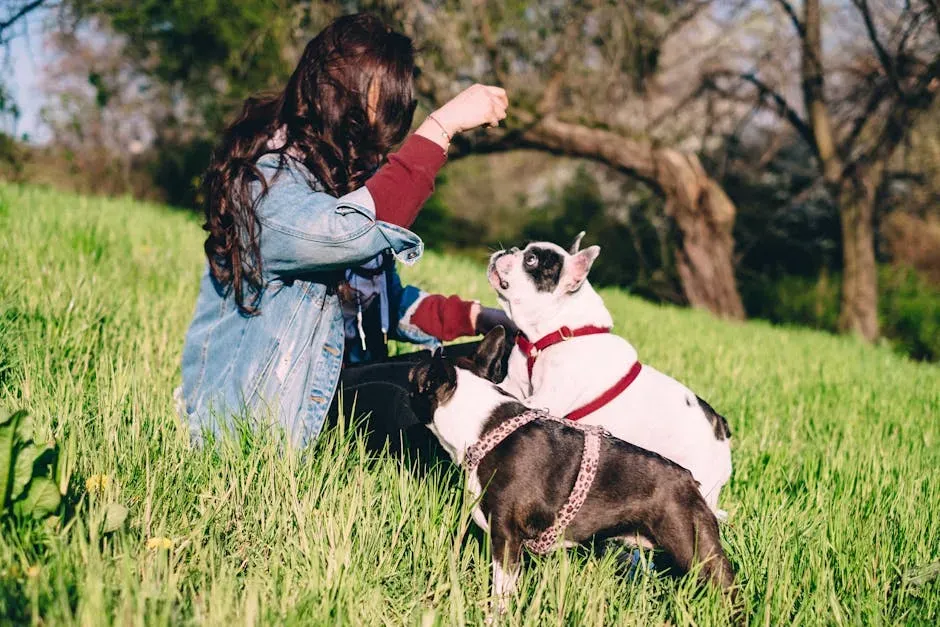
Leaving food out all day feels generous, but trainers see it as a wasted opportunity. A dog who can snack whenever they want often becomes picky, harder to motivate, and less responsive to rewards. If food is always available, it stops being valuable currency, and training progress slows to a crawl.
Most pros recommend structured meals, with a chunk of that daily food repurposed for training sessions. That doesn’t mean starving your dog – it means putting the food they already eat to work. Free-feeding, by contrast, tends to produce overeating, boredom snacking, and dogs who shrug at a treat exactly when you need them to care most.
#11 – Letting Your Dog Practice Ignoring Recall “Because It’s a Safe Area”
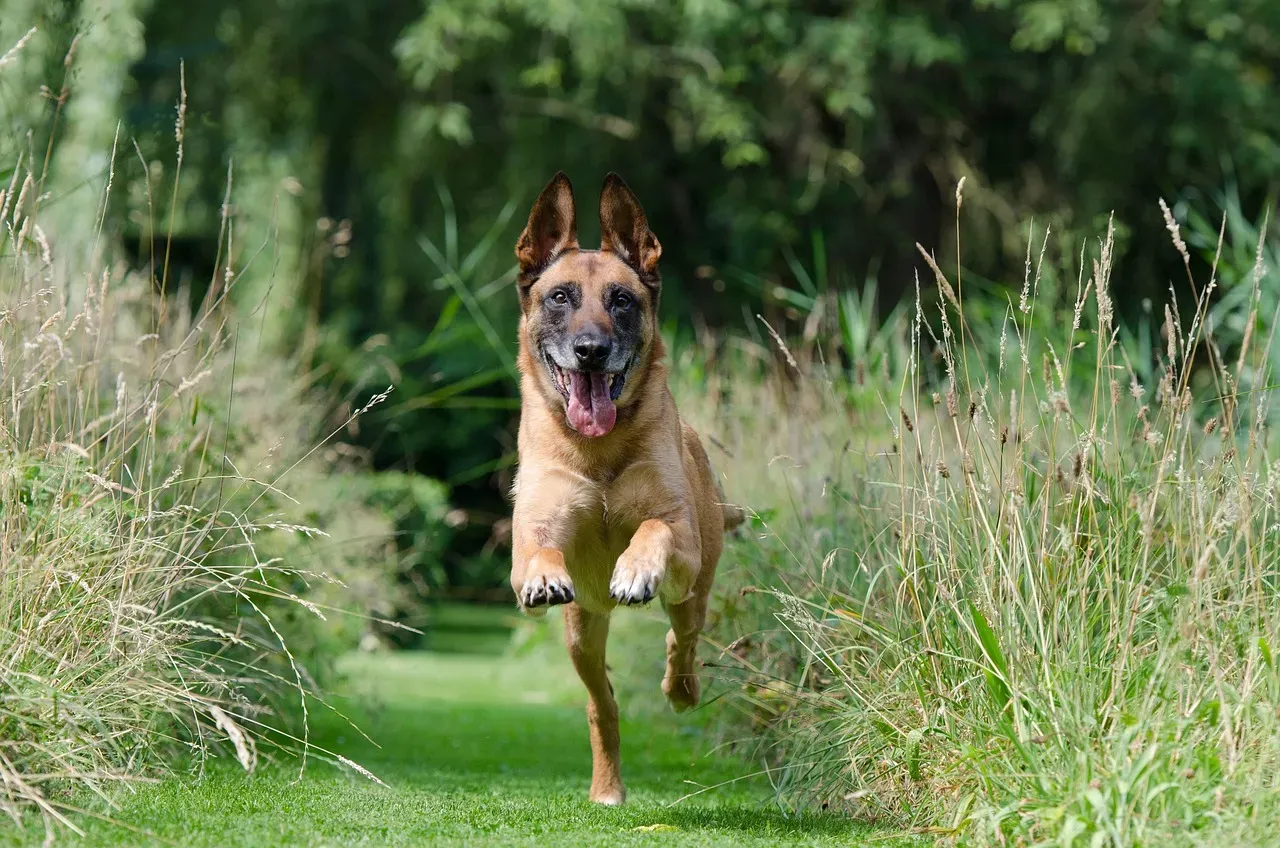
One of trainers’ most common complaints: owners who only call their dog when the fun is about to end, often off-leash in “safe” spaces where the dog is busy chasing squirrels. The dog hears “come,” glances up, and goes right back to the game – and nothing happens. Every ignored recall is a training rep, just in the wrong direction.
Recall should be treated like sacred ground. In the early stages, only call when success is nearly guaranteed, make coming to you wildly rewarding, and occasionally release your dog back to play so “come” doesn’t always mean fun is over. Casually tossing out “come” and accepting being ignored is exactly how you end up with a dog who won’t respond when it actually matters – near traffic, wildlife, or a fight.
At a Glance
- Only call your dog when you’re confident they’ll succeed
- Make “come” the most rewarding word in your dog’s vocabulary
- Occasionally release your dog back to play after they respond
- Never scold a dog once they’ve finally come to you, even if it took a while
#12 – Expecting Training to “Stick” Without Real-Life Practice
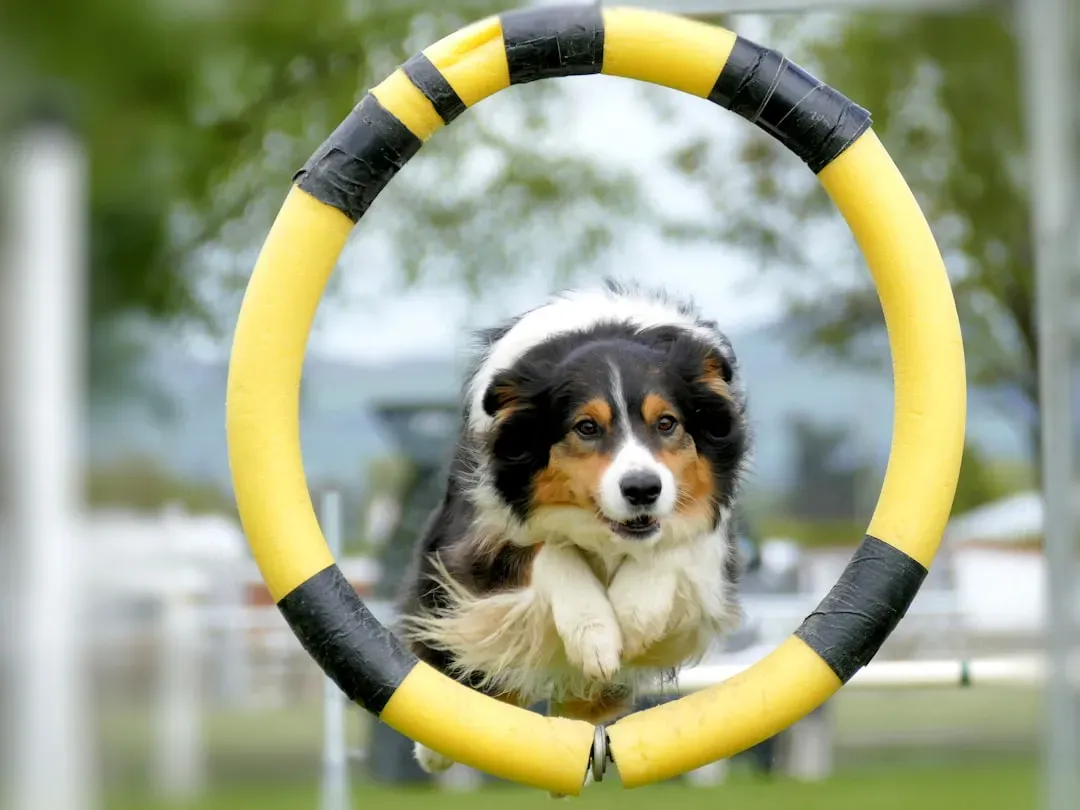
Here’s a dirty secret: plenty of dogs are brilliant in class and useless in the real world. Owners assume one obedience course finishes the job. Trainers know better. If you only practice sit, stay, and heel in quiet living rooms or sterile training halls, your dog hasn’t learned the skill – they’ve learned it applies only in that one place.
Generalization is the magic word. Dogs need practice in different rooms, yards, and sidewalks, around different people and dogs, and while you’re distracted or in a hurry. Skip that step and you’ll hear yourself say “he knows it, he’s just being stubborn outside” – when really, he genuinely doesn’t understand that “sit” still means sit once skateboards and traffic enter the picture.
#13 – Believing Your Dog Will “Grow Out of It” Instead of Training It Out
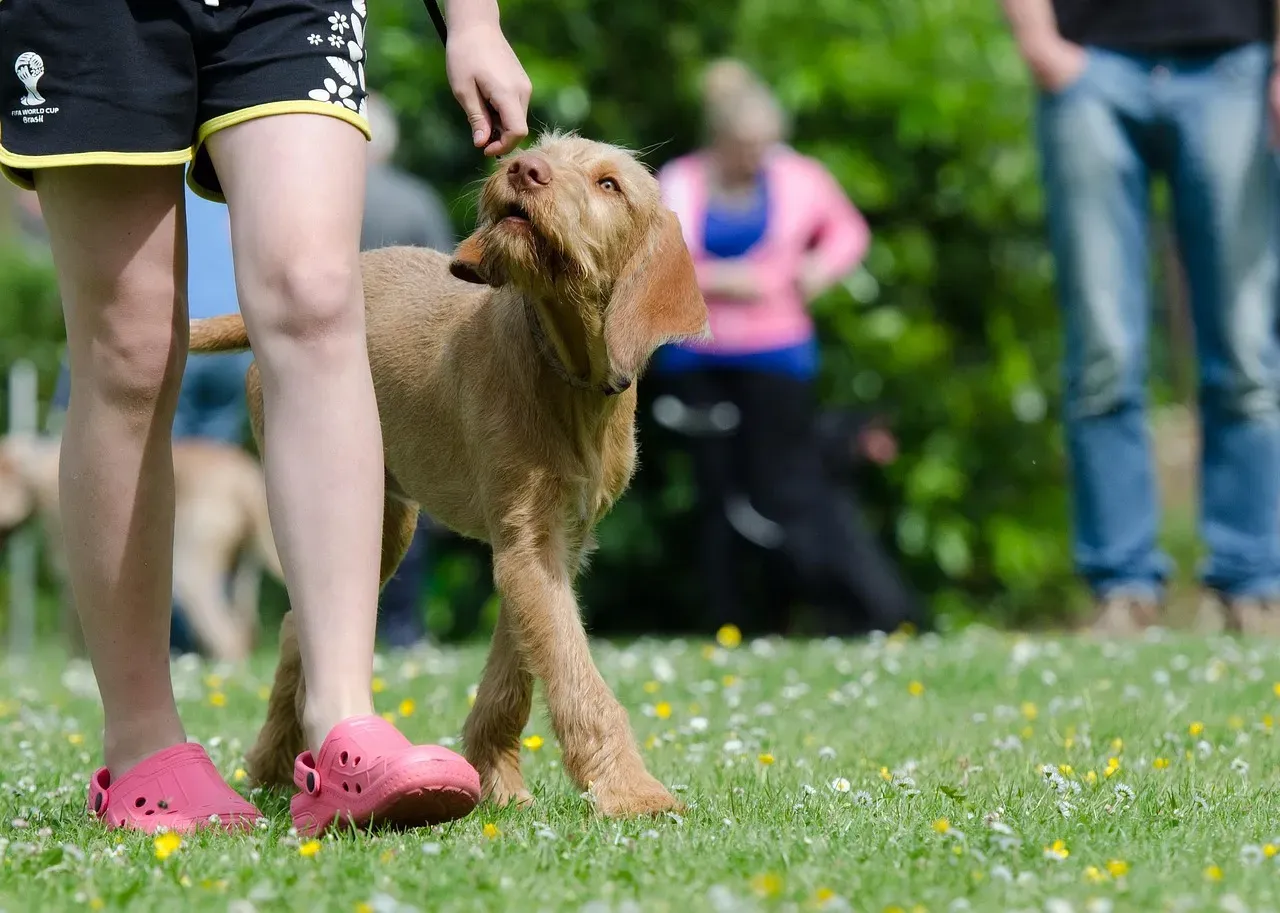
Trainers hear this phrase more than almost anything else: “we thought he’d grow out of it.” The jumping, the mouthing, the resource guarding, the leash reactivity – owners wait and hope age will fix it. In reality, most behaviors get stronger the longer they’re rehearsed. Your adult dog isn’t a different animal from your puppy; they’re simply a more confident version of the same one.
This mindset delays help until problems are big, expensive, and sometimes dangerous. A puppy who grumbles over a bone can become the adult who snaps over a food bowl. A young dog who chases joggers can become the one who body-slams kids. The most successful owners treat early red flags as a to-do list, not background noise, and get guidance while the problem is still small.
Here’s the uncomfortable truth underneath all thirteen of these habits: most “bad dogs” are actually confused dogs living with chaotic, inconsistent rules. Inconsistency, emotional punishment, free-for-all socialization, and wishful thinking about “growing out of it” quietly shred months of good training while owners blame the breed or the dog’s personality.
Your dog isn’t plotting against you. They’re simply becoming an expert in whatever you let them practice every single day – good or bad. The encouraging part is that the same principle cuts both ways: tighten up the human habits on this list, and most dogs bounce back faster than anyone expects. If you recognized yourself in even three or four of these, you’re not a failure – you’re just finally seeing the pattern most owners never do.


