
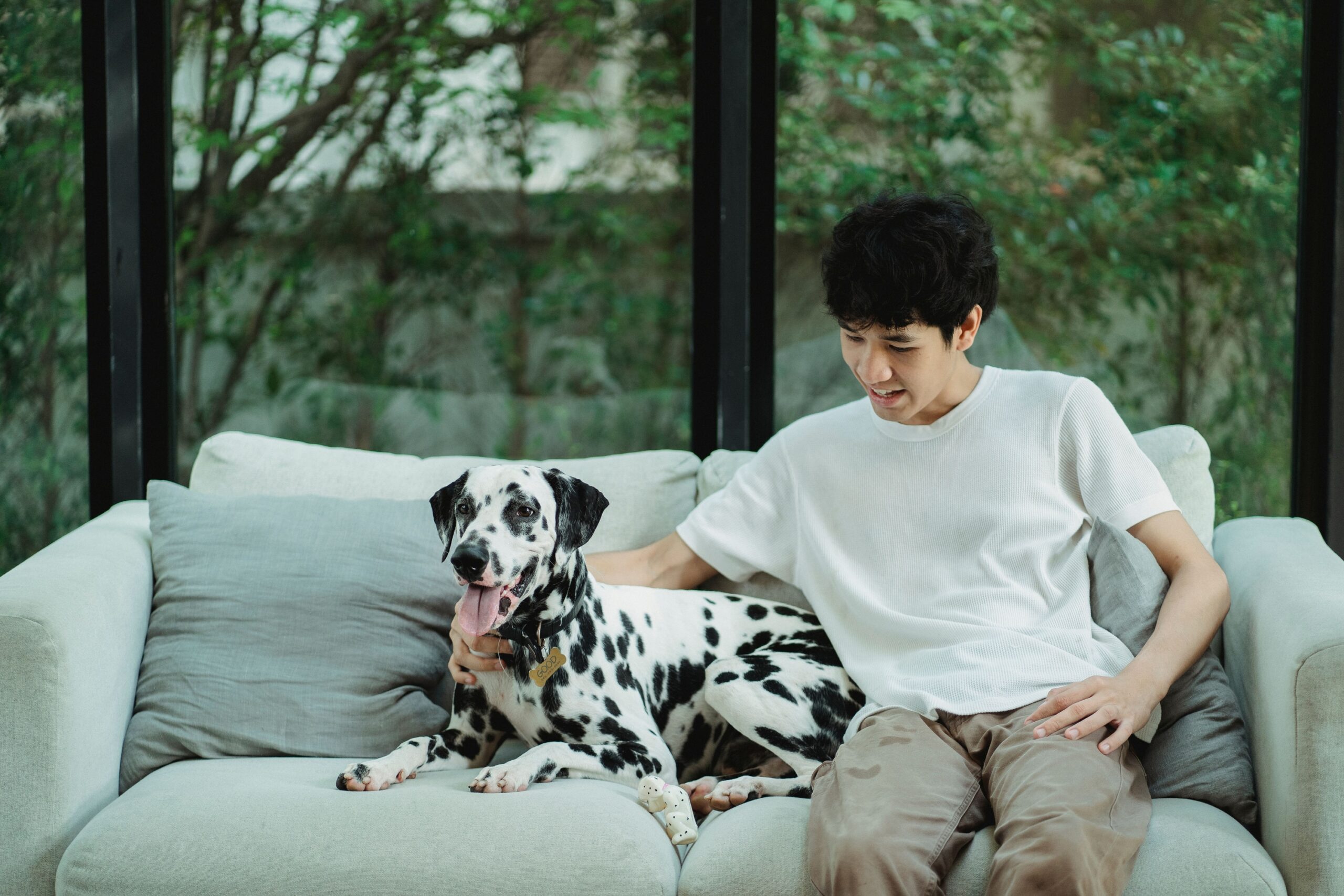
You feed him. You walk him. You scratch behind his ears on your way out the door. Case closed – your dog is living the easy life, right? Napping, staring out the window, killing time until you get home.
Except that’s not even close to what’s really happening. Behind that half-closed eye and slow tail thump, your dog is quietly running a countdown clock all day long, tracking tiny signals you’ve never once thought to call a “moment.” Some of what’s coming will make you feel a little guilty. All of it will change how you see your dog by tonight.
#1 – The Exact Second You First Move in Bed
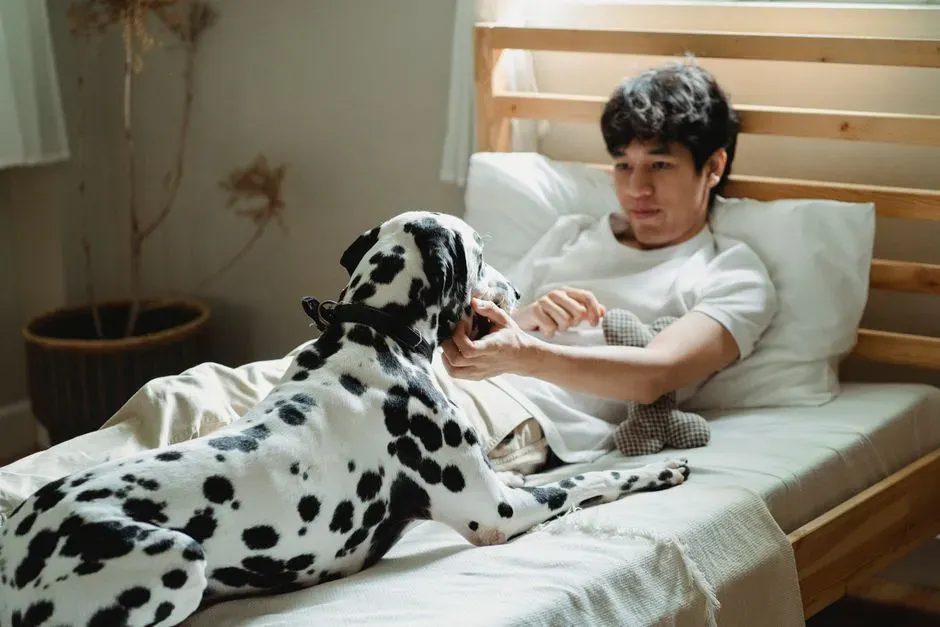
Your dog doesn’t actually wait for your alarm. He waits for your first conscious twitch under the covers – the tiny shift that flips his internal switch to “system online.” Dogs have remarkably sharp internal clocks and sound sensitivity, so they learn your breathing pattern, your micro-movements, even how your weight shifts when you’re genuinely waking up versus just rolling over in your sleep.
Most owners assume their dog just “happens” to be standing by the bedroom door. In reality, that’s often the finish line of a 10-to-20-minute watch session that started before you were even aware of being awake. To your dog, that first movement predicts everything: food, a walk, affection, access to the outside world. Some dogs quietly reset their own sleep cycles just to be “on duty” the moment you stir – which is also why a sudden shift in your wake-up time can spike a surprising amount of low-grade anxiety in them.
#2 – The First Time You Touch Your Phone
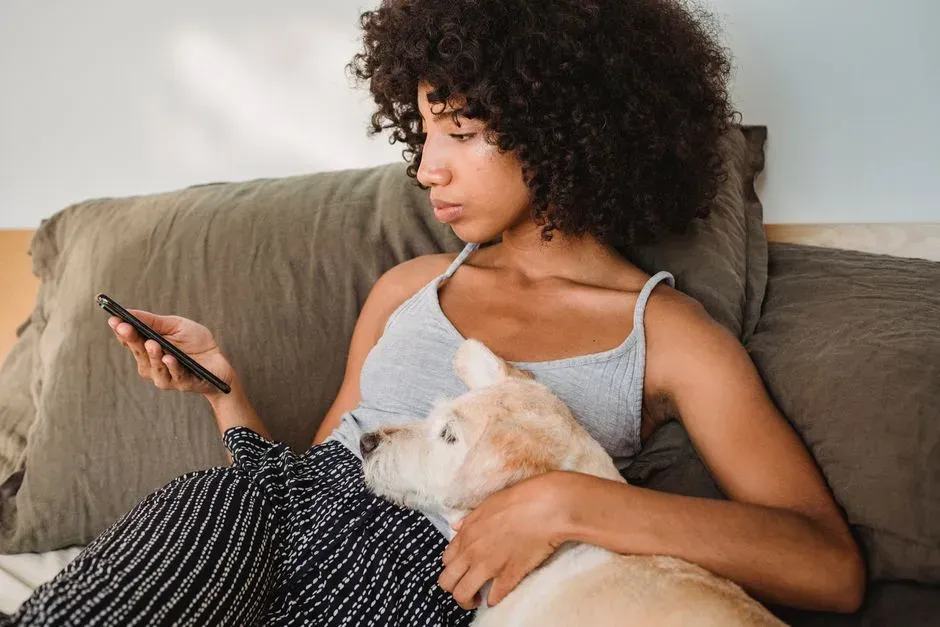
You might assume your dog resents your phone. Actually, he’s using it as a daily signal. The instant you grab, tap, or scroll first thing in the morning, your dog is already calculating what comes next. Dogs are expert pattern-matchers, and in most households, “phone in hand” reliably means you’re up for real – bathroom, kitchen, coffee, then food and the door.
Fast Facts
- Dogs learn routine cues fastest when the same object shows up before the same event, day after day.
- A phone pickup often precedes a walk or meal by only a few predictable minutes in most homes.
- In multi-person households, dogs frequently watch to see who reaches for a device first before deciding who to follow.
He doesn’t care what’s on the screen; he cares what the scrolling predicts. Some trainers now argue phone use has become a bigger environmental cue for dogs than any alarm clock ever was. In homes where people wake at different times, dogs will often watch to see who reaches for a device first, then quietly shadow that person’s routine for the rest of the morning. If your dog seems extra clingy while you’re glued to your screen, it’s usually because he’s learned “phone in hand” means you’re physically there but mentally somewhere else entirely.
#3 – The Moment You Stand Up From Your Chair
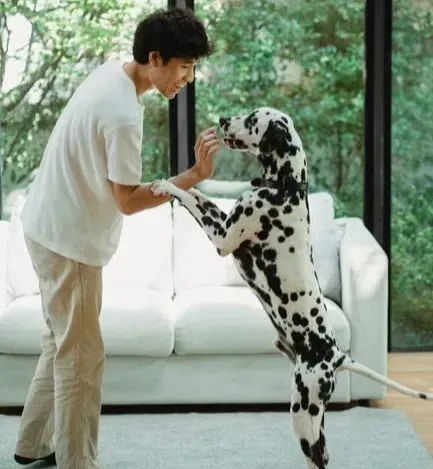
To a dog, you standing up is never just you standing up. It’s a fork in the road: food, door, play, or goodbye. Dogs track postural changes obsessively – hips shifting, feet sliding back, a hand pressing on the armrest – because those small movements predict the next ten minutes of their life. That’s why so many dogs “teleport” to the kitchen the second you rise from the couch, even if you only stood up to stretch.
Over time, dogs build what behaviorists describe as an internal probability map. Standing up at 7:15 a.m. usually means breakfast. At 5:30 p.m., it’s probably a walk. Late at night, it might mean bed – and separation. That’s exactly why some dogs get visibly tense or start shadowing you closely in the evening. Your own body is telling them, loud and clear, that a lonely stretch is coming.
#4 – The Sound of Keys or a Specific Door
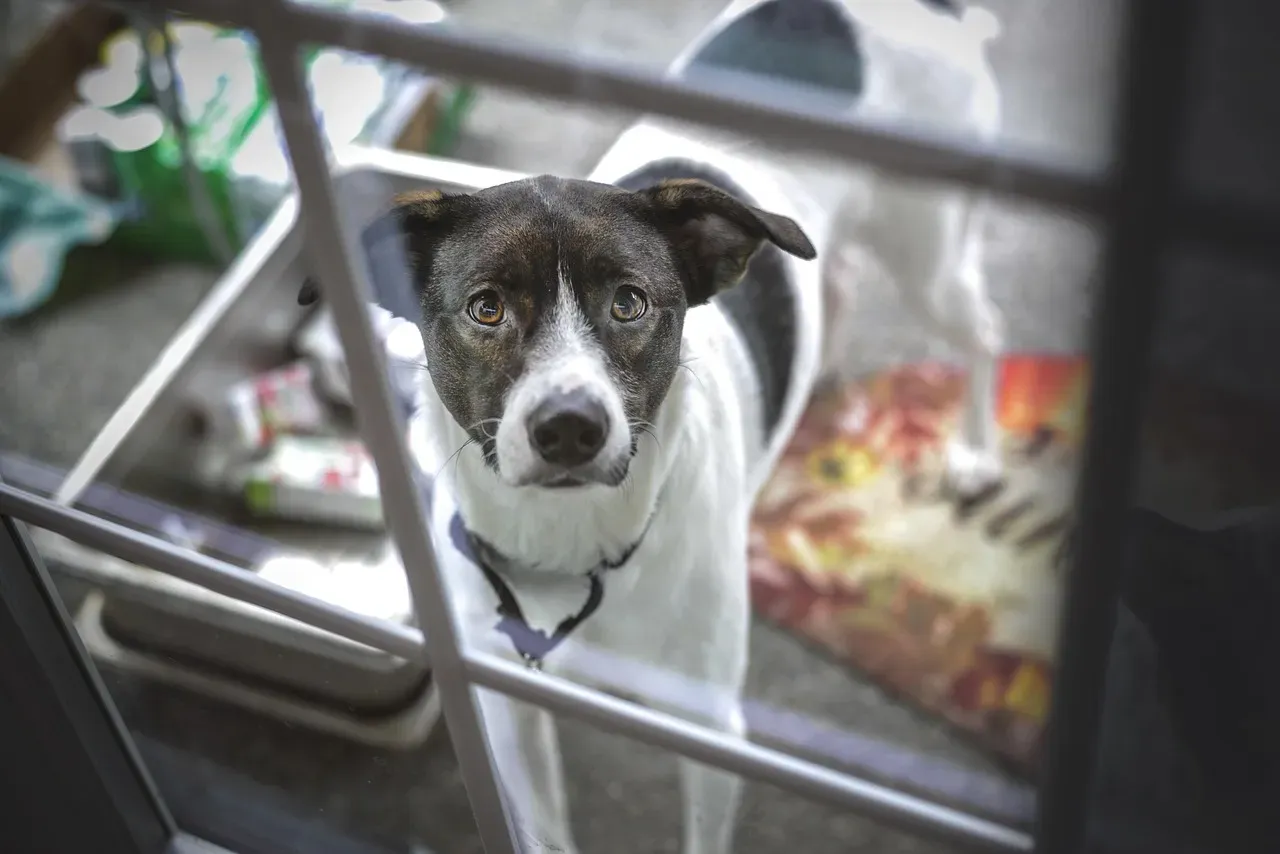
Everyone knows dogs react to jingling keys, but most people underestimate how surgical that reaction actually is. Many dogs can tell the difference between “leaving keys” and “just moved the keys” based on frequency, speed, and whatever noises come with them – shoes, a bag zipper, a particular tone in your voice. That precision is why a dog might panic at the sound of keys at 8 a.m. and completely ignore the same sound at 2 p.m.
For a lot of dogs, keys trigger one of two emotional extremes: their favorite person is about to leave, or their favorite person is finally coming home. What’s wild is that some dogs start waiting minutes before you ever touch the keys, simply by reading the lead-up – your walking pattern, a closing laptop, a subtle change in your voice. If your dog starts hovering by the door in the late afternoon, he isn’t just hanging around. He’s already listening for that metal jingle.
#5 – The First Food-Related Sound (Not the Bowl)
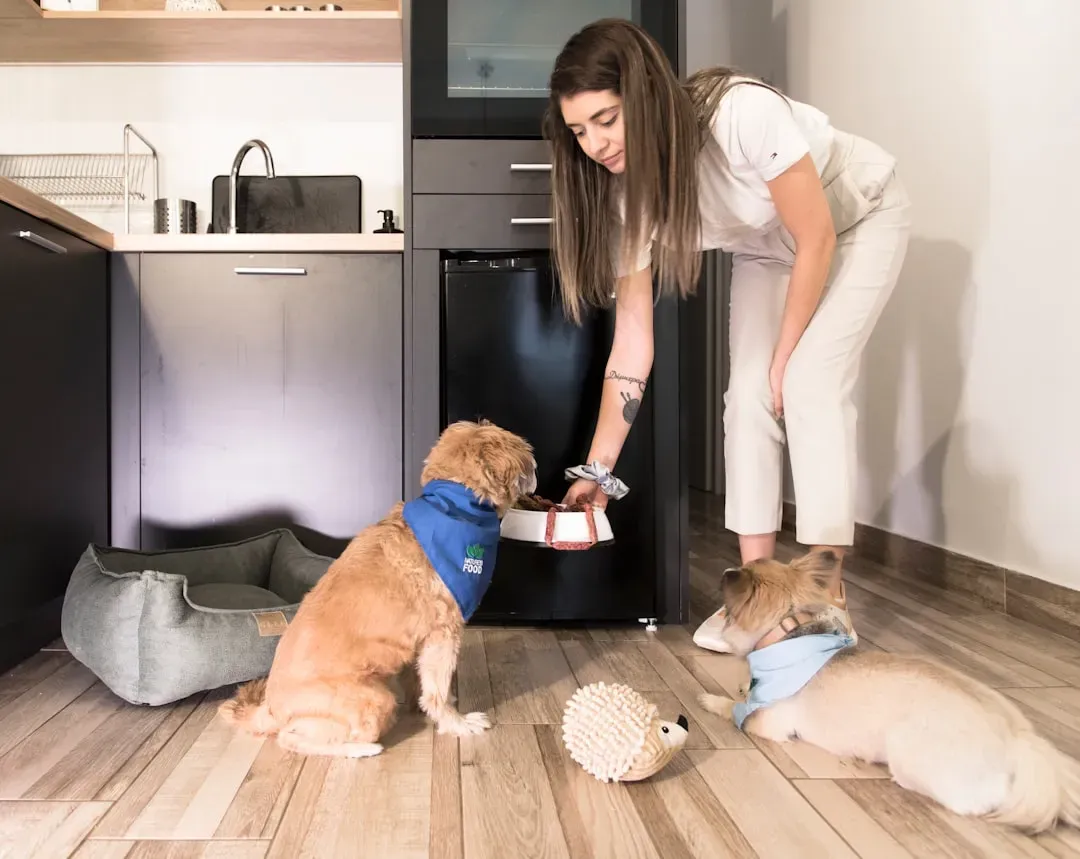
Owners love to blame the food bowl clink for their dog’s sudden appearance in the kitchen, but the real obsession usually starts earlier. Dogs often cue off the fridge door, the pantry hinge, or a specific bag crinkle long before the bowl ever hits the floor. They’ve learned exactly which sounds reliably lead to calories, right down to one particular cabinet or the beep of a microwave.
- You open the cheese drawer they get a sliver from.
- You crinkle the treat bag brand they recognize.
- You touch the cutting board used for their veggies.
From a survival standpoint, this makes total sense – reacting early to food cues meant a better shot at getting a share back when dogs had to compete for scraps. At home, it just turns into full “shadow mode” in the kitchen. If your dog is lying in one spot with ears just barely perked, he’s not napping. He’s waiting for the one specific sound that means the meal is finally starting.
#6 – The Quiet 10 Minutes Before the Usual Walk
Most people assume their dog’s excitement starts the moment the leash appears. Realistically, it usually kicks in 10 to 20 minutes earlier, during a stretch so quiet you’d never notice it. Dogs anticipate routine walks with startling precision, often within a 15-minute window, based purely on your own micro-habits – closing a laptop, stretching, changing your shoes.
Behaviorists call this “pre-anticipatory behavior,” and it shows up as subtle pacing, ears perking every time you shift in your seat, or a dog that just seems restless for no visible reason. For high-energy breeds, this window can genuinely be the most stressful part of the day – heart rate climbing, cortisol rising, eyes locked on you. And when the walk suddenly doesn’t happen, that agitation doesn’t just fade away. It builds, day after day, into frustration or destructive habits.
#7 – The Instant Your Work Day “Feels” Over
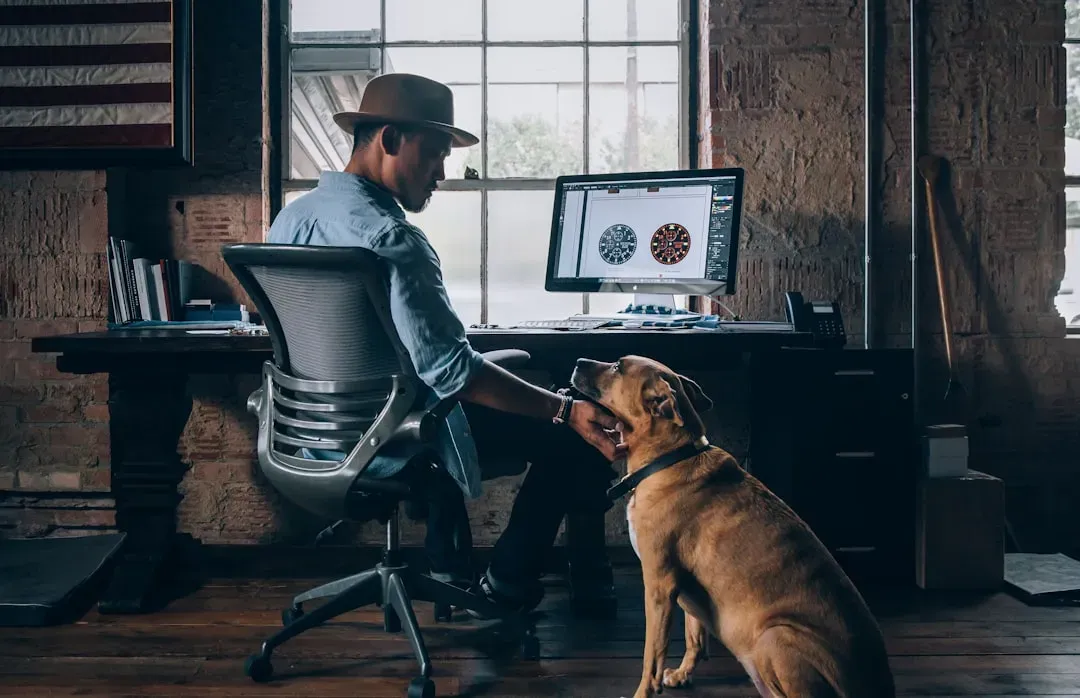
Your dog has no concept of what “5 p.m.” means, but he knows exactly what it looks and sounds like when you’re finally done working. Dogs memorize entire sequences – a laptop closing, a sigh, a change in your tone of voice, a light flicking off – long before you actually stand up. Many work-from-home dogs start waiting for this moment hours in advance.
At a Glance: Signs Your Dog Is Already Waiting
- Ears lift at every chair creak or keyboard pause, even when nothing changes.
- Restless pacing near the desk with no obvious trigger.
- A toy gets dropped at your feet around the same time each day.
- An instant shift from flat-out lying down to alert sitting the moment you sigh or stretch.
Here’s the frustrating part: remote-work schedules are inconsistent, so the “end of work” signal keeps shifting. One day you shut down at 4:30, the next it’s 8 p.m. Your dog waits for that first “this might be it” cue, and when nothing follows – no walk, no play – he starts testing you with nudges, dropped toys, or a bark. That isn’t random attention-seeking. It’s your dog quietly asking, “Is the good part of the day starting now, or not?”
#8 – The First Real Eye Contact After Being Ignored
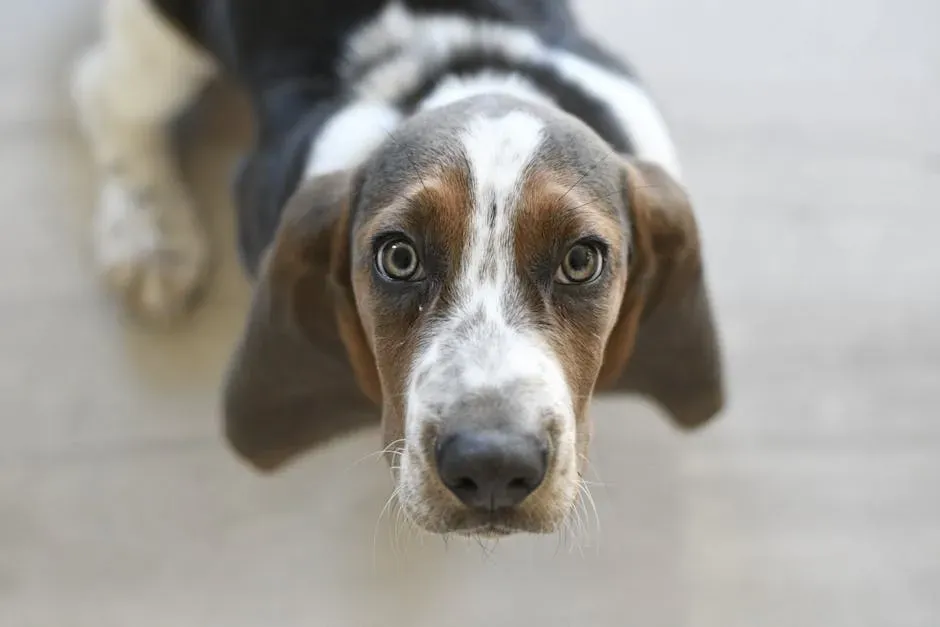
This one stings a little once you notice it. Owners scroll, type, or watch TV for hours, and their dog quietly waits for exactly one thing: sustained eye contact. Dogs are among the very few species wired to respond to a human gaze almost the way infants do. That first real look, the moment your eyes actually meet his, functions like flipping his emotional “online” switch.
- He sits or lies nearby, head angled slightly toward you.
- He glances up, then away, careful not to seem too pushy.
- The moment your gaze lingers, his whole body softens or breaks into a wag.
To you, it’s a casual glance. To him, it’s the true start of his social day. Some veterinarians now argue that a chronic lack of this small daily “connection moment” can contribute to low-grade stress in highly social breeds – a quiet cost that never shows up on a checkup form.
#9 – The Sound of the Mail, Trash Truck, or Regular Street Noises
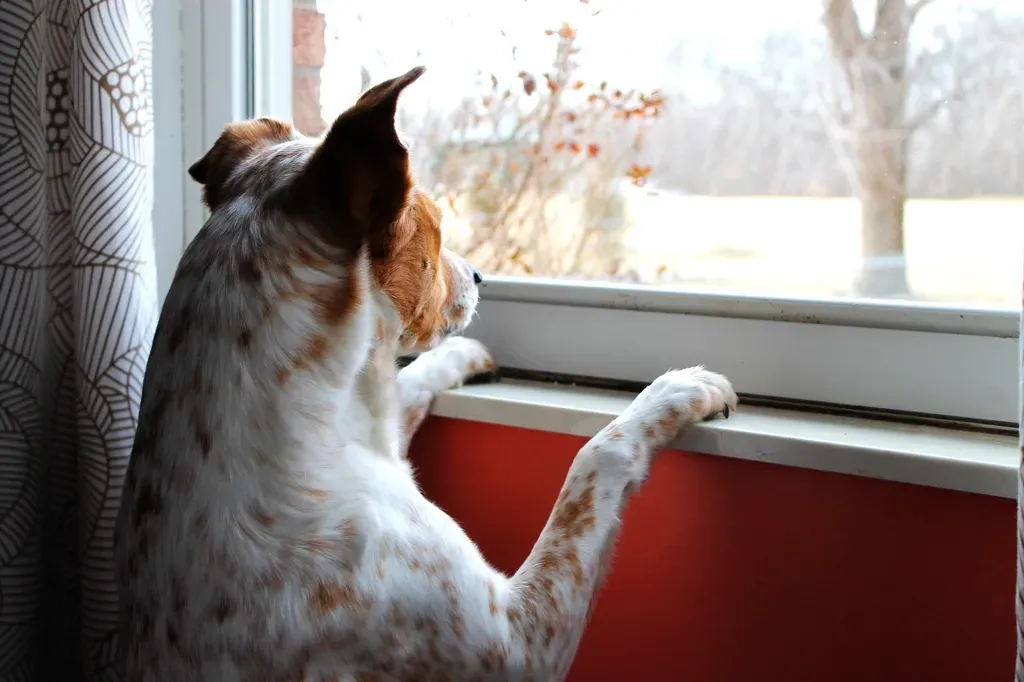
It looks like your dog randomly loses it whenever the mail carrier shows up, but this is actually one of the most tightly timed events of his entire day. Dogs learn the schedule of predictable neighborhood sounds – the mail slot, the garbage truck, the school bus – down to startling precision. The waiting usually starts 5 to 10 minutes before the noise you actually notice.
Why It Stands Out
- He tells apart the mail carrier, delivery trucks, and neighbors by sound alone.
- He tracks near-fixed schedules, like weekday mail runs or weekly trash pickup.
- He confirms hearing cues with sight or scent before reacting.
- He treats the alert as a self-assigned job, not just noise he can’t ignore.
For many dogs, this is their self-appointed guard-duty window. They drift to windows or doors at the same time daily, hold a tense alert posture you might mistake for calm, then explode into barking the second the sound arrives. They’re not just reacting – they’re preparing. Some experts argue our obsession with “quiet, well-behaved dogs” completely ignores this job they’ve assigned themselves. In reality, your dog may be counting down to this exact moment all day, finally getting to perform the one role he believes is his in the household.
#10 – The One Household Member Coming Home
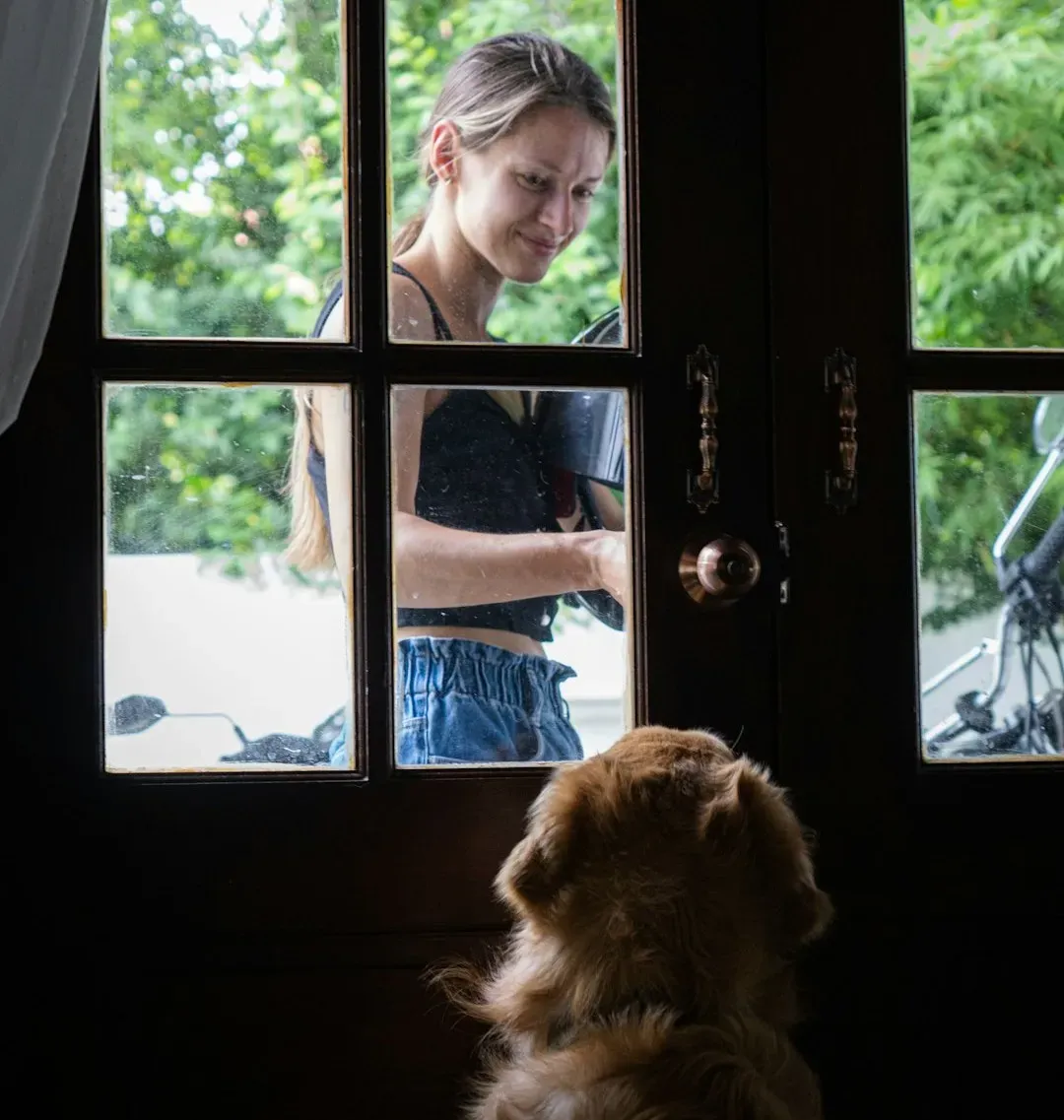
In almost every multi-person household, there’s one person the dog quietly builds his entire afternoon around. Dogs can learn the rough arrival window of a specific car engine, a certain footstep pattern, even a scent drifting in from the hallway. That’s why you’ll find him parked by the door at 5:45 p.m. sharp, even if that person doesn’t actually walk in until 6:10.
- The primary walker.
- The main feeder.
- Or simply the most predictable person in the house.
This isn’t always romantic loyalty – sometimes it’s just reward for predictability. Weirdly, some dogs will ignore an earlier arrival entirely and save the full celebration for this one specific person. When that schedule breaks – overtime, travel, a new job – dogs can keep waiting at the exact same time for days, visibly confused when “their person” doesn’t show up. It’s not just sweet. It’s a genuinely vulnerable spot in their emotional routine.
#11 – The First Hint You’re Heading to Bed
Humans think bedtime starts with brushing their teeth. Dogs know it starts earlier – dimming lights, the TV volume dropping, curtains closing, certain objects getting put away. Sleep researchers note that many dogs pre-position themselves in the hallway or by the bedroom 10 to 15 minutes before their owners officially move, waiting for that final migration of the “pack.”
For dogs who sleep near or with you, this is a genuinely huge attachment moment. It tells them the group is safe for the night, separation is finally over, and their job is about to shift from watching to resting. Interestingly, in homes where family members go to bed at wildly different times, dogs often look exhausted but refuse to truly settle until the very last person is down. They keep waiting for a bedtime that never clearly arrives, which can quietly stack into real sleep debt – even if they nap plenty during the day.
#12 – The Split-Second You Reach for the Leash (or Shoes)
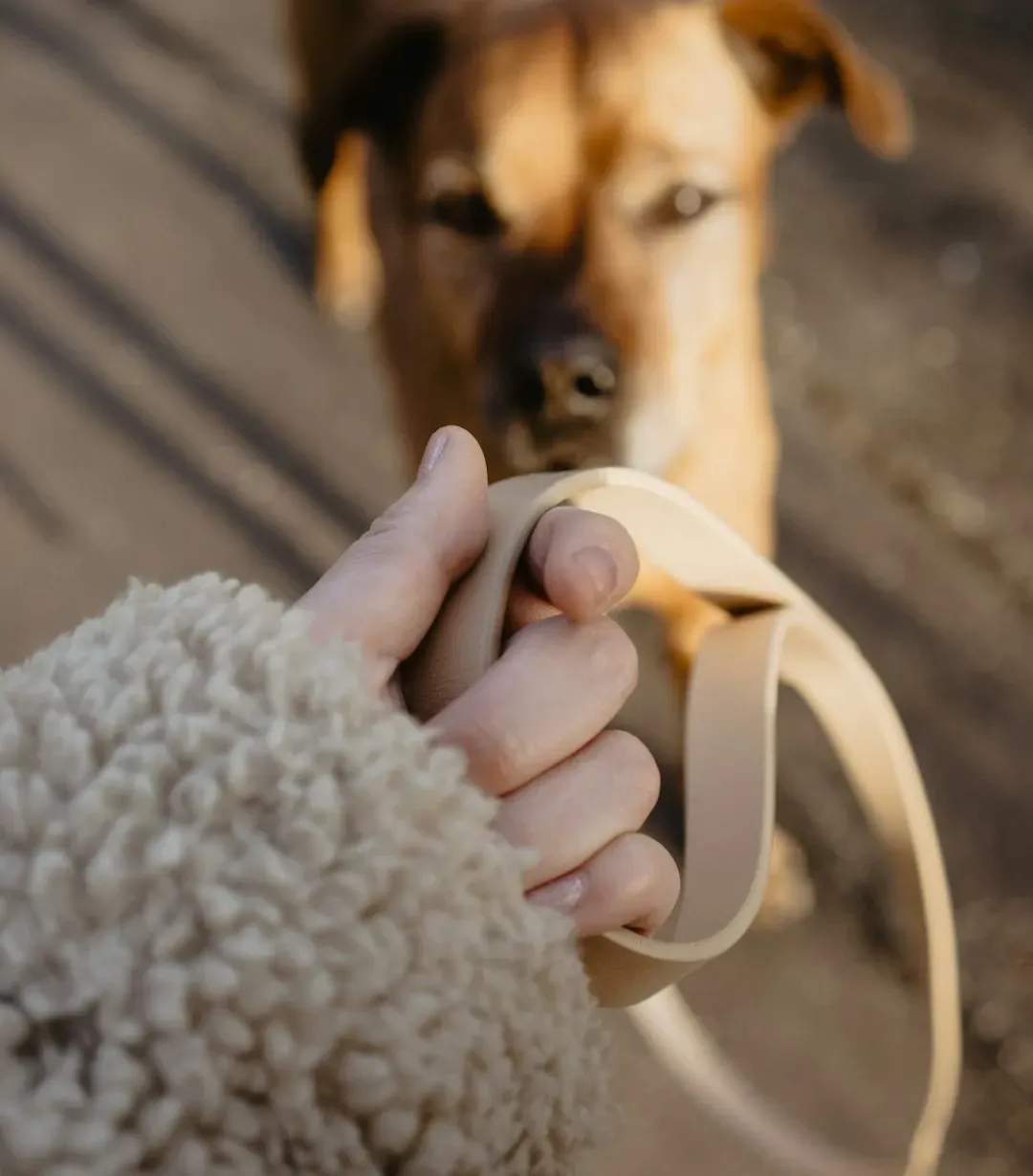
Leash? Shoes? Jacket? Your dog can tell the difference between “work shoes” and “walk shoes” better than your own partner can. Dogs use smell, shape, and body language to decode whether a movement means inclusion or exclusion. Reaching for the leash is the highest-reward cue of the day; reaching for the same hook to grab your bag and leave without him can feel like a small daily heartbreak.
Worth Knowing
- Dogs can tell shoes apart by scent and shape association, not just sight.
- The real anticipation often starts when you check the weather or change clothes, not when you touch the leash.
- A leash only becomes an emotional trigger after repeated pairing with something rewarding, like a walk.
- Reaching for keys or a bag without touching the leash usually signals exclusion, and dogs pick up on that fast.
Many dogs run little rituals right here – spinning, whining, sitting with perfect posture – because they’ve learned this is the most influence they’ll have all day. Nail the moment, and they might score a longer route, a quicker start, or even a rare solo outing. What most people miss is that the waiting actually began much earlier, back when you changed clothes, shifted your voice, or checked the weather. By the time your hand touches the leash, your dog’s brain is already fully locked in.
#13 – The Rare Moment You’re Fully Offline and Present
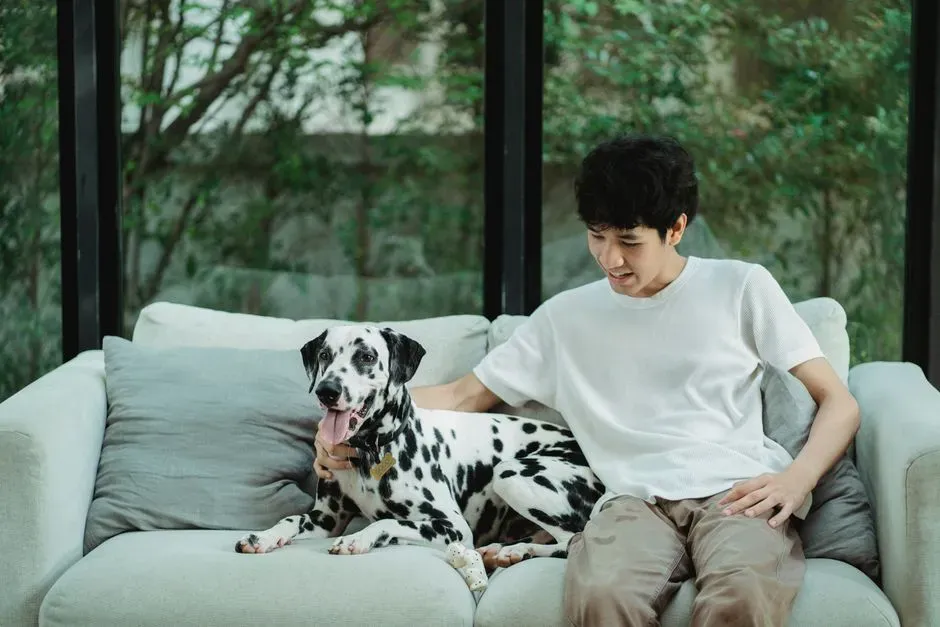
This is the one moment almost nobody realizes their dog is waiting for. Dogs learn the difference between “you’re here but distracted” and “you’re actually with me,” reading your shoulders, your breathing, your speed of movement, even how often you check a screen. The moment you put everything down – no phone, no TV, no laptop – and actually lean into them, their entire nervous system visibly shifts.
Dogs are not our whole life, but they make our lives whole.
Roger Caras
Sit on the floor with no devices, or talk to your dog in a soft, steady voice without glancing away, and you’ll usually see a long exhale, slow blinks, a loose and heavy body. That’s not sleepiness – that’s a parasympathetic “safe” response. Some behaviorists quietly argue that modern dogs suffer more from half-present owners than from a lack of walks. They spend enormous stretches of the day simply waiting for this tiny window of real, undivided attention.
#14 – The Very Last Sound Before the House Goes Completely Quiet
This one’s eerie once you notice it. Just as your day begins with that first bed movement, your dog’s waiting cycle ends with the final sound of the night – the last light click, the TV shutting off, the door lock, your footsteps finally going still. Dogs track this “closing ceremony” as the all-clear signal that the environment is stable for the night.
- No more waiting for one more person to come home.
- No more waiting for one more round of noise from the hallway.
- No more waiting for one more unpredictable interruption.
For anxious or highly vigilant dogs, this is the first true moment they stop waiting all day. Once that last sound lands, many dogs reposition – the end of the bed, in front of the door, a favorite mat – and settle into a noticeably deeper sleep. It isn’t just physical rest. It’s the emotional relief of knowing the job of monitoring the entire day is finally done, at least until your first twitch in the morning resets the whole system.
The Bottom Line

Zoom out, and a slightly uncomfortable truth appears: your dog’s entire day is stitched together by human-controlled moments he quietly waits for, one after another, from the second you wake up to the second the lights go off. That’s not sentimentality. It’s biology – pattern recognition, attachment behavior, and old survival instincts repurposed for apartment living.
Here’s the part that should actually bother you: the moments your dog cares about most – real eye contact, genuine presence, a predictable ending to the day – are exactly the ones we treat as optional. Filling the food bowl and walking the block is basic maintenance. Noticing these micro-moments is how you actually protect a dog’s mental health, not just his physical one.
If you started paying attention to even two of these rituals tonight, your dog would notice before you finished reading this sentence. Whether that changes how you move through your own home is entirely up to you.


