
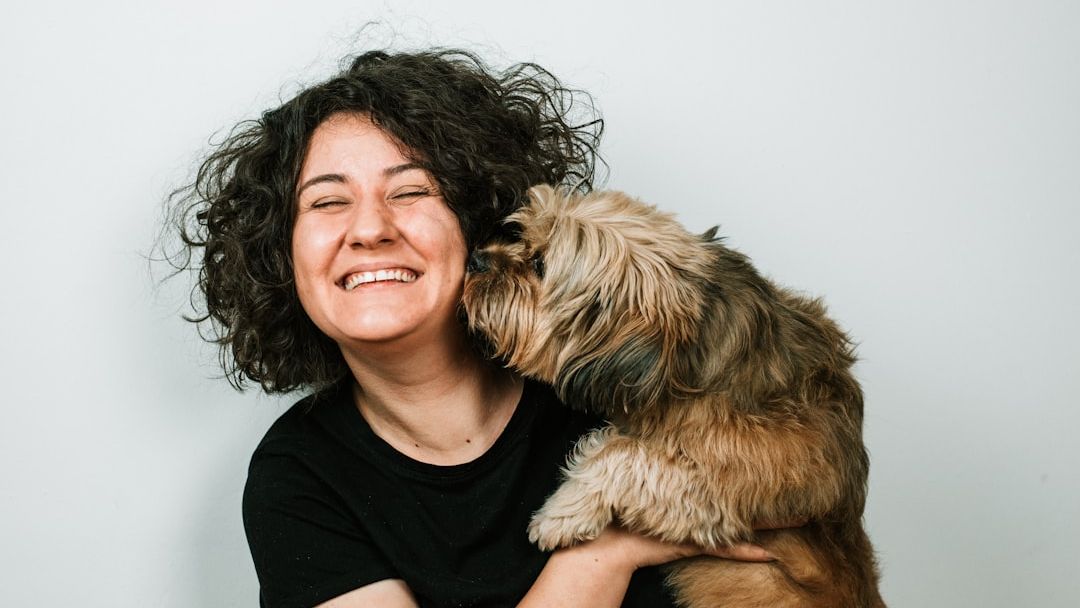
Early Life Experiences Shape Lasting Preferences
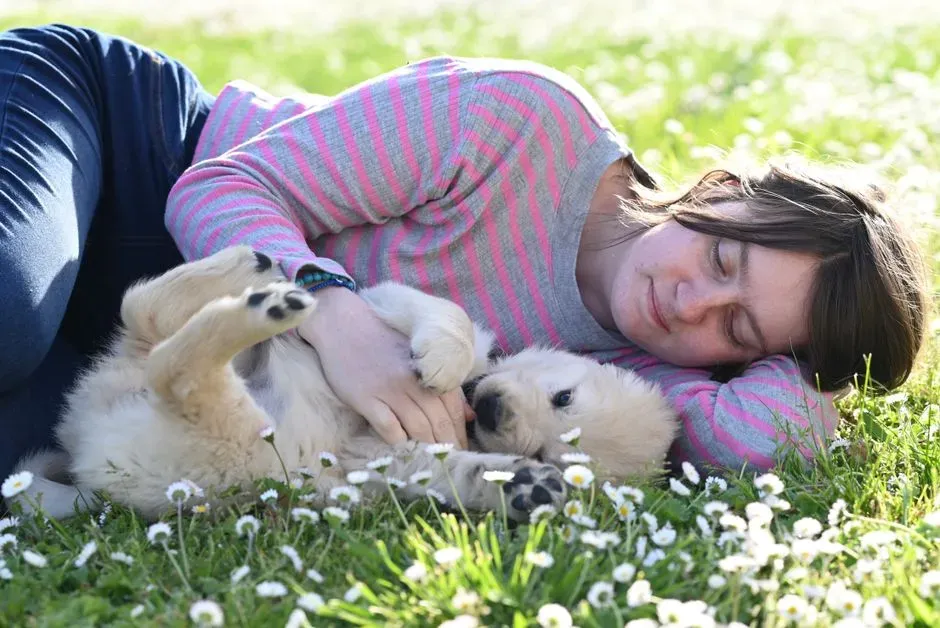
The critical window for puppies opens right after birth and stretches through the first six months. During this time their brains stay highly receptive to new social cues. Positive interactions with one consistent caregiver can wire a preference that lasts for years.
Dogs that receive steady care and gentle handling from a single person in those early weeks often treat that individual as their primary source of security later on. This pattern mirrors the way human infants develop strong bonds with their main caregivers. The foundation gets laid before the dog even understands commands or routines.
The Chemistry of Connection Through Oxytocin
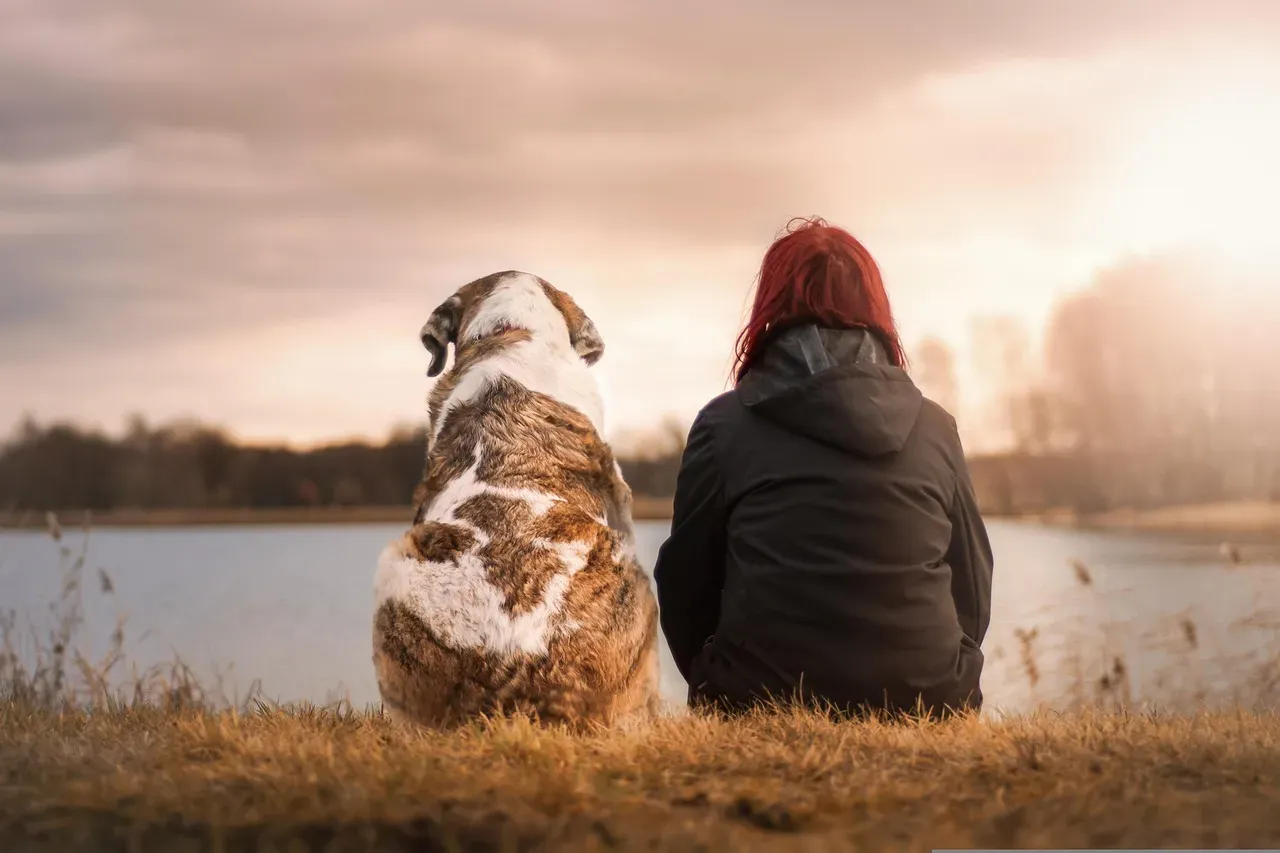
Shared moments of calm eye contact trigger a measurable rise in oxytocin for both dog and human. This hormone plays the same role in canine bonding that it does in parent child relationships. Over repeated interactions the chemical loop strengthens and turns a casual connection into something far more selective.
Research shows this mutual release happens most reliably when the pair already shares daily routines and relaxed time together. The effect builds gradually rather than appearing overnight. Once established it helps explain why some dogs remain glued to one person even when other family members offer treats or playtime.
Matching Personalities Create Deep Bonds
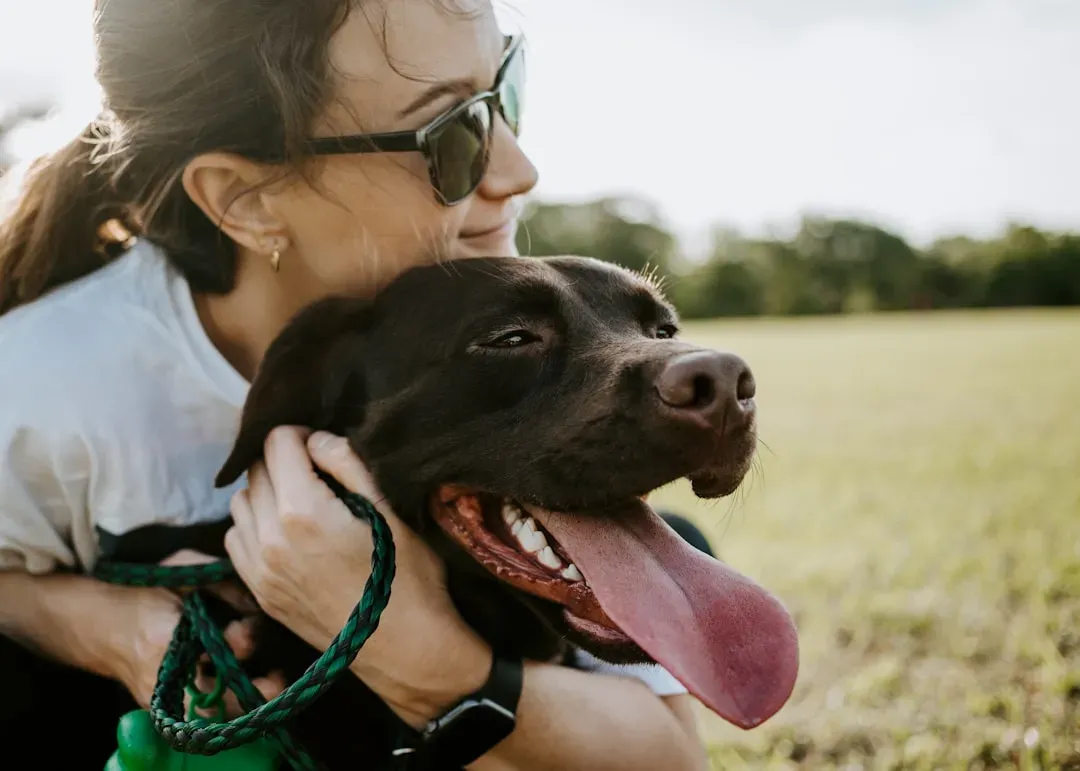
Dogs often gravitate toward humans whose energy levels and temperaments align with their own. A reserved dog may seek out the quieter member of the household while an outgoing breed might shadow the most active person. This natural fit reduces stress and increases the sense of safety the dog feels in that presence.
Over time the similarity reinforces itself through shared activities and mutual understanding. The dog learns to read subtle cues from their chosen person with remarkable accuracy. That intuitive match makes the bond feel almost effortless on both sides.
Consistent Care Builds Unbreakable Trust
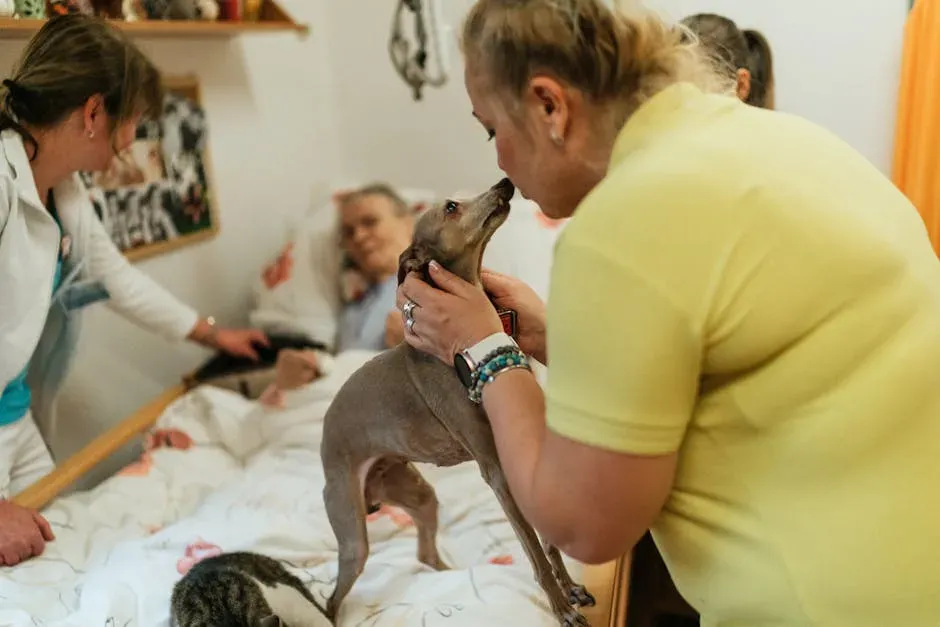
Reliable routines around feeding walks and comfort create a predictable world for the dog. When one person consistently meets those needs the animal begins to associate that individual with stability and relief from uncertainty. Trust accumulates through hundreds of small predictable moments rather than grand gestures.
In households with several people the one who handles the daily essentials often ends up as the favorite by default. The dog notices who shows up when it matters most. This pattern holds even if others spend more total hours at home.
How Dogs Signal Their Chosen Person
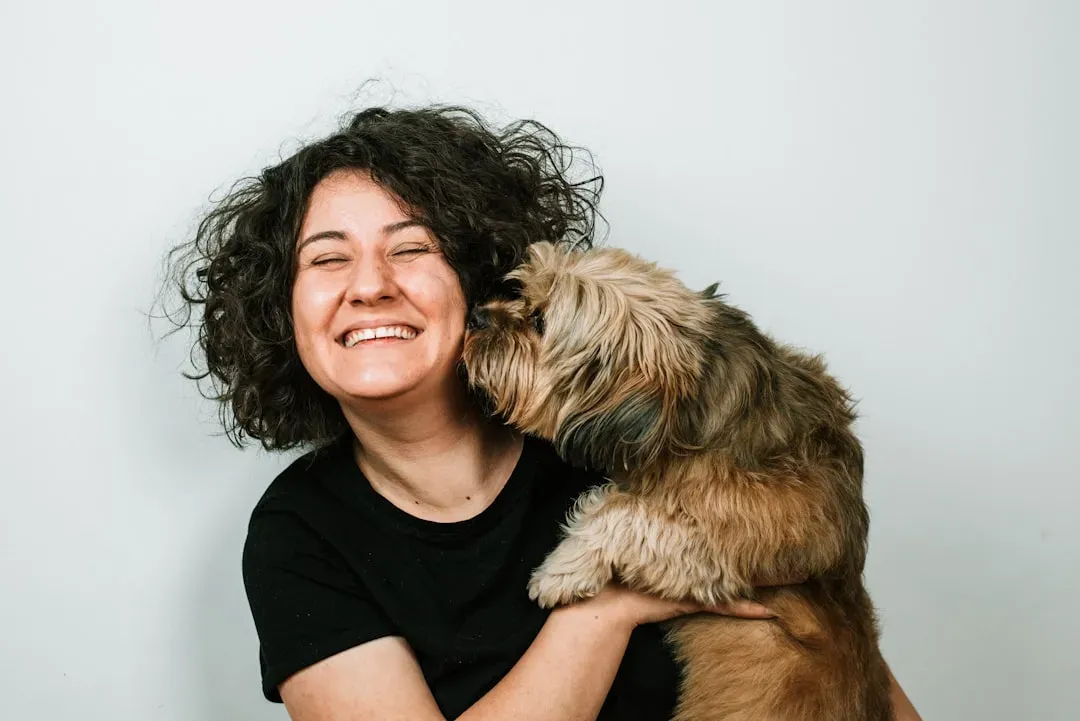
Behavioral signs include seeking proximity during stress following the person from room to room and showing relaxed body language only around that individual. These actions reflect a secure attachment style rather than simple preference. The dog uses its chosen person as a safe base from which to explore the rest of the environment.
Separation from that specific person can trigger more pronounced anxiety than absence from other family members. Owners sometimes notice the dog checks in visually or physically more often with their favorite. Such signals confirm the depth of the selective bond.
The Influence of Breed and Individual Temperament
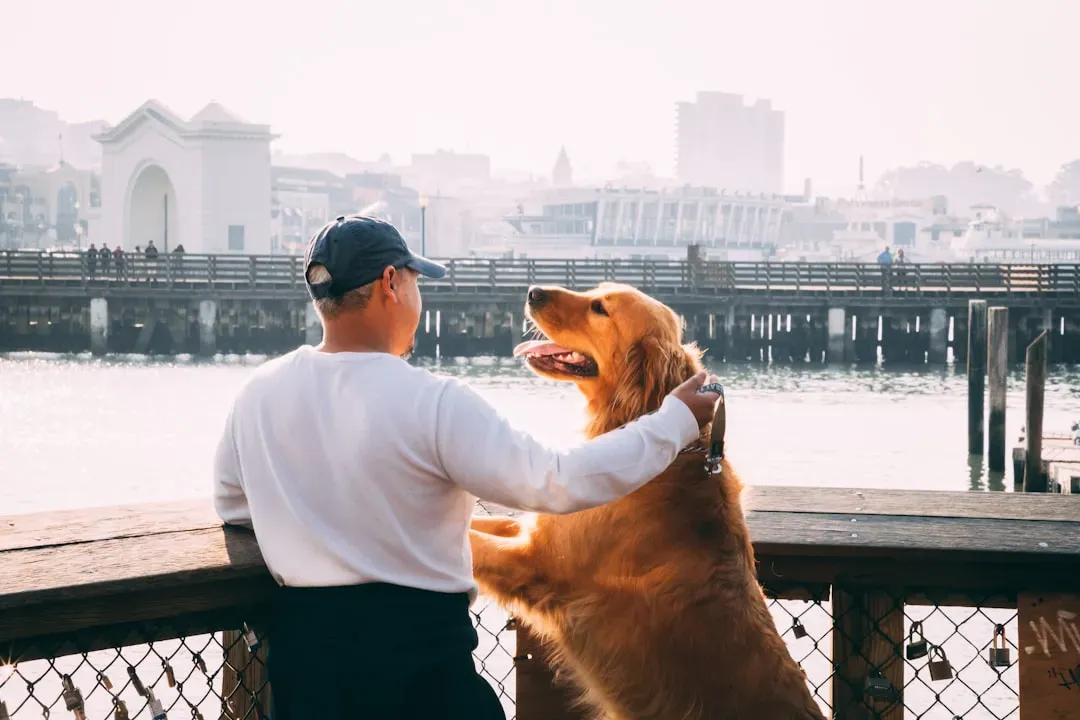
Certain breeds carry genetic tendencies toward intense one person loyalty though individual variation always plays a role. Working breeds developed for close partnership with a single handler often display this trait more strongly. Still any dog can form a primary attachment depending on its unique history and experiences.
Temperament testing and observation reveal that some dogs simply possess a higher need for focused connection. These individuals thrive when they have one reliable anchor in a busy household. Breed tendencies provide a starting point but lived experience shapes the final outcome.
Implications for Multi Person Households
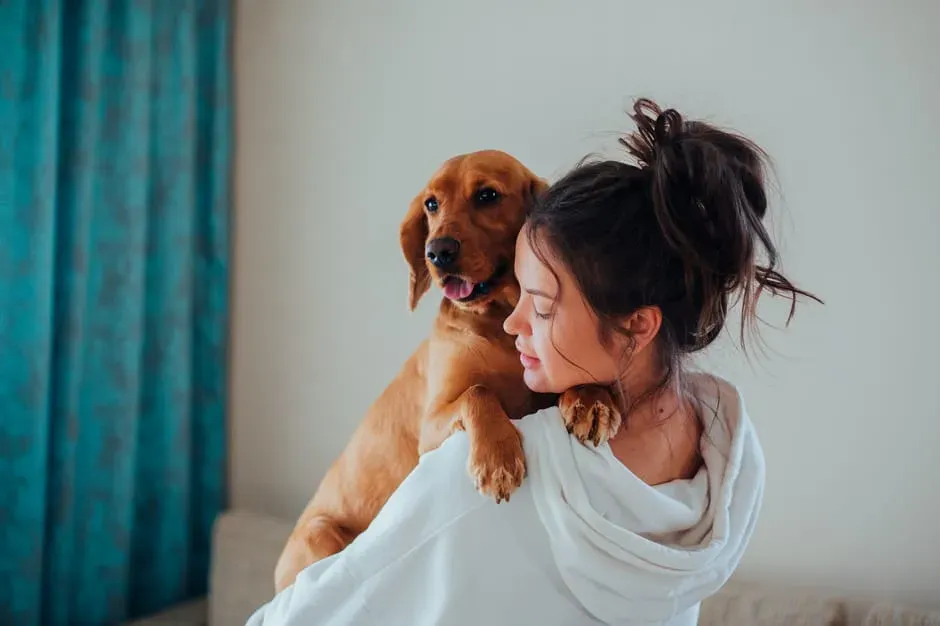
Families can support a strong primary bond while still encouraging healthy relationships with everyone else. Simple steps like shared walks or rotating care duties help distribute attachment without weakening the main connection. Understanding the psychological roots reduces frustration when a dog appears to play favorites.
Recognizing that the preference stems from real attachment needs rather than stubbornness changes how people respond. It encourages patience and thoughtful interaction instead of competition for affection. In the end the dog benefits from feeling secure with its chosen person while still enjoying the wider circle of care.
The pull some dogs feel toward one person reflects a genuine psychological process built on early wiring chemistry and consistent trust. It reminds us that loyalty in dogs arises from the same fundamental needs that shape human relationships. When we honor that depth the bond becomes one of the most rewarding parts of sharing life with them.


