
The Unique Scent They Carry
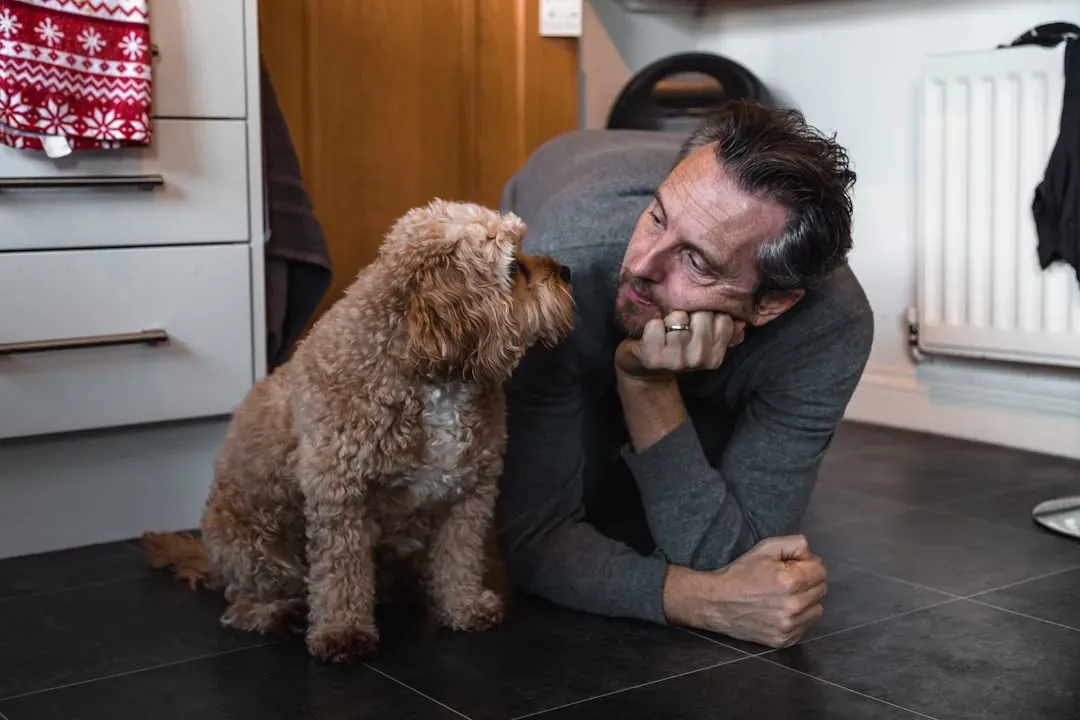
Dogs rely heavily on smell to gather first impressions. A new person brings in a mix of personal odors, from skin and hair to any lingering traces of their environment or recent activities. These scents can reveal stress hormones or other emotional signals that dogs detect easily.
This olfactory information helps them decide if someone feels safe or carries tension. Even subtle differences in body chemistry stand out to a dog’s nose in ways humans cannot match. It sets the tone for their initial reaction before anything else happens.
How They Hold Their Body
Posture speaks volumes to dogs. They notice whether someone stands tall and open or keeps arms crossed and shoulders hunched. A relaxed stance often signals calm intentions that put dogs at ease quickly.
Tense or closed off positions can trigger caution instead. Dogs read these physical cues as part of their natural social awareness. It influences whether they approach or keep their distance from the start.
Facial Expressions and Micro Movements
Faces hold plenty of information for observant dogs. They pick up on smiles versus tight lips or furrowed brows even in passing glances. These details help them gauge friendliness without needing verbal confirmation.
Small shifts around the eyes or mouth register clearly too. Dogs have learned to interpret human expressions through everyday interactions. This visual read happens in seconds and guides their behavior accordingly.
The Way They Move Across the Room
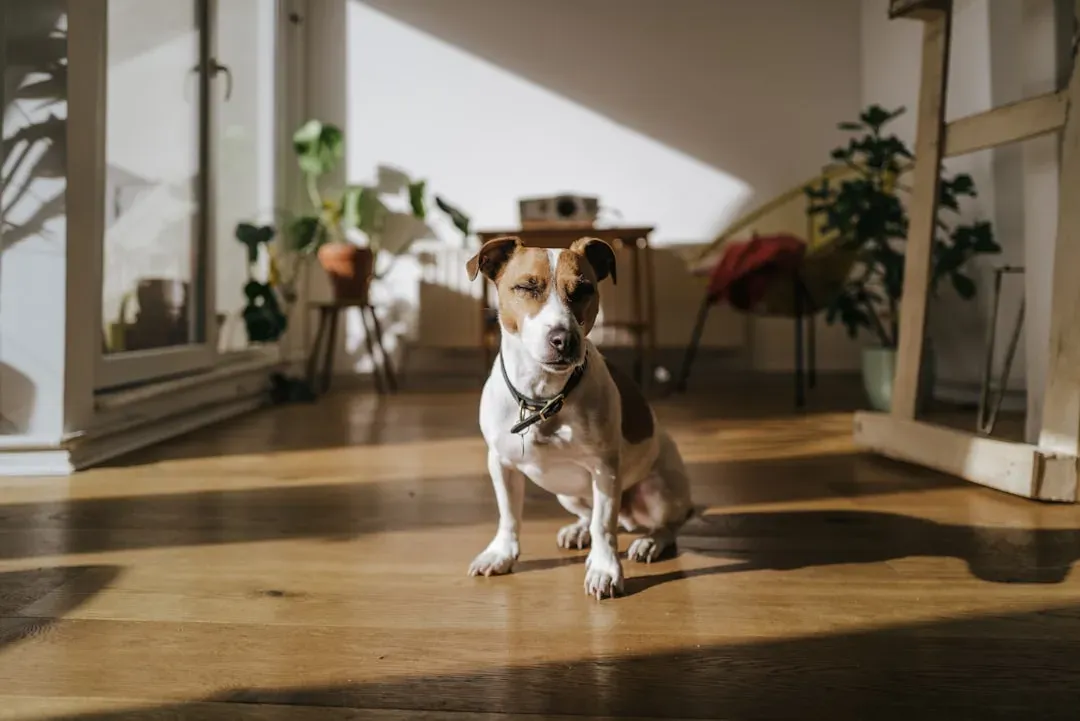
Movement patterns reveal a lot about comfort levels. Dogs watch for smooth, confident steps versus hesitant or jerky motions that might indicate uncertainty. Steady pacing tends to feel more reassuring to them.
Quick or unpredictable gestures can raise flags right away. This attention to motion comes from their own pack instincts and daily observations. It helps them anticipate what might come next from the visitor.
Directness of Eye Contact
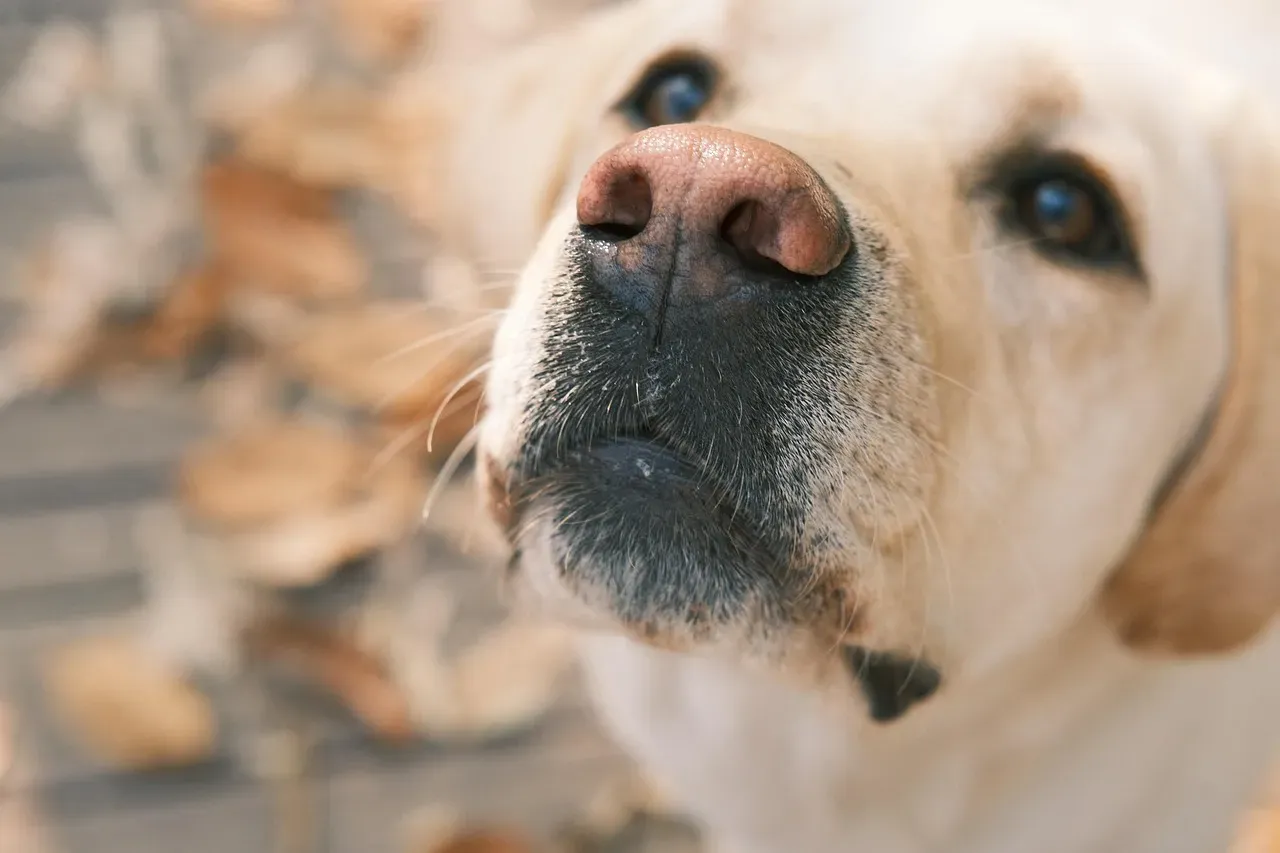
Eye contact forms another key signal. Dogs notice if someone meets their gaze softly or stares too intensely. A gentle look often invites curiosity while prolonged staring can feel like a challenge.
They also track where eyes go around the room. Avoiding eye contact entirely might read as shy or evasive depending on other cues. These visual exchanges happen fast and shape early trust.
The Energy or Vibe They Project
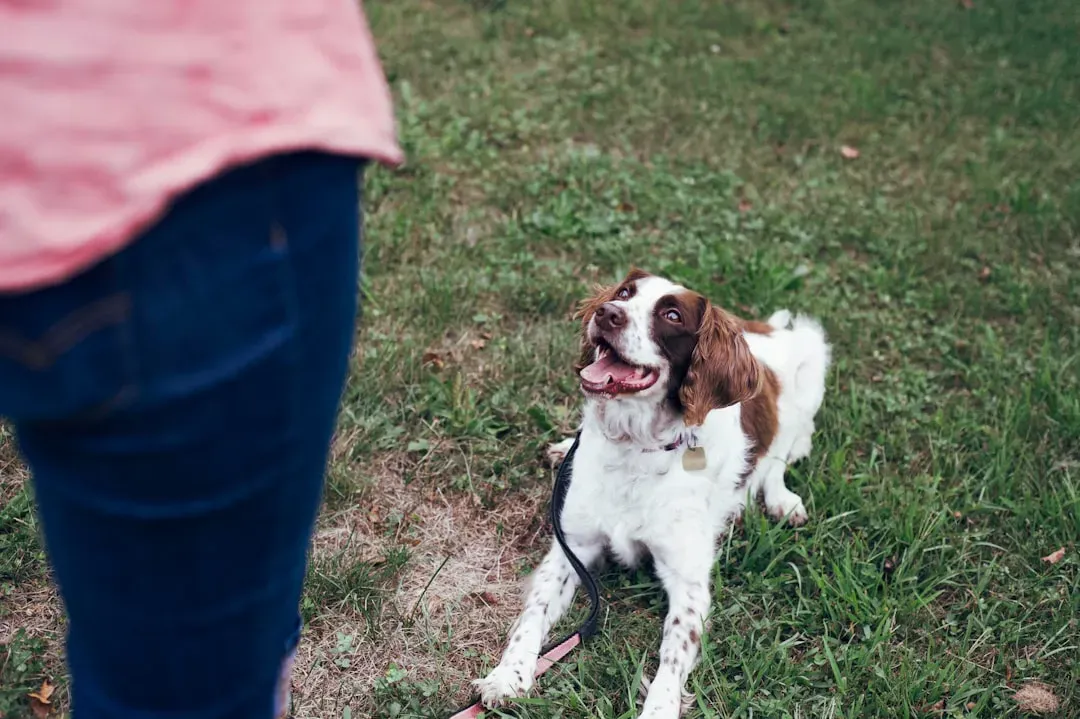
Dogs sense overall emotional energy without words. Calm and steady presence tends to draw them closer while high anxiety or excitement can make them pause. This intuitive read draws from combined scent and body signals.
They respond to the quiet atmosphere someone brings into the space. Over time dogs learn which energies match safe interactions. It becomes a reliable shortcut for deciding how to engage.
Subtle Breathing and Nonverbal Sounds
Even breathing patterns catch a dog’s attention. Shallow or rapid breaths might hint at nerves that dogs pick up alongside other clues. These quiet rhythms add another layer to their assessment.
Small sounds like sighs or throat clears register too. Dogs integrate these auditory details with what they see and smell. The combination builds a fuller picture before conversation begins.
Clothing and How It Shifts With Movement
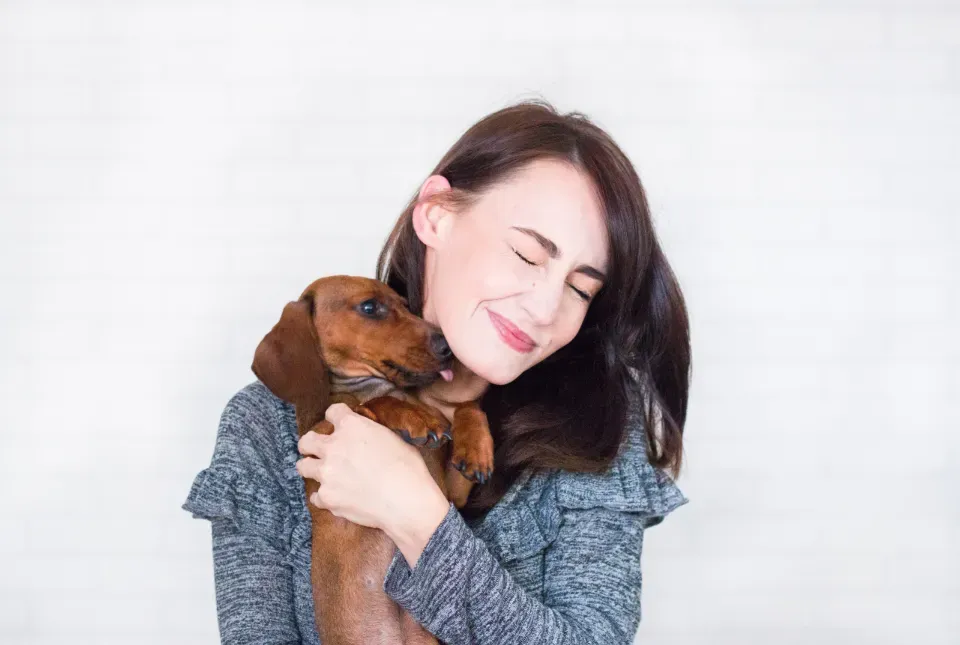
What someone wears and how fabric moves matters more than it seems. Loose layers that sway gently can appear nonthreatening while stiff or bulky outfits might look imposing at first. Dogs notice these visual textures during approach.
Accessories like bags or hats add extra elements they evaluate. Familiar items from daily life often feel less startling than unusual ones. This attention helps them adjust their comfort level quickly.
Overall Approach and Personal Space
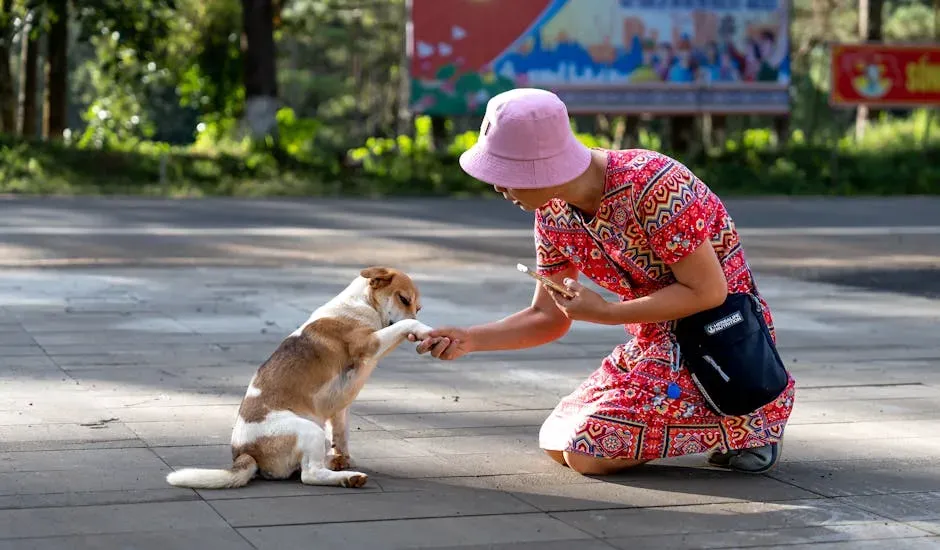
The speed and direction of someone’s entry set expectations. Dogs observe if a person moves directly toward them or gives space naturally. Respectful distance often earns quicker acceptance.
Hesitation at the threshold or bold advances both register as distinct choices. These spatial decisions tie into dogs’ own preferences for interaction styles. They form part of the silent evaluation that happens instantly.
Dogs have spent thousands of years tuning into these human signals as part of living alongside us. Paying attention to how your dog reacts can reveal insights worth noticing in return.


