
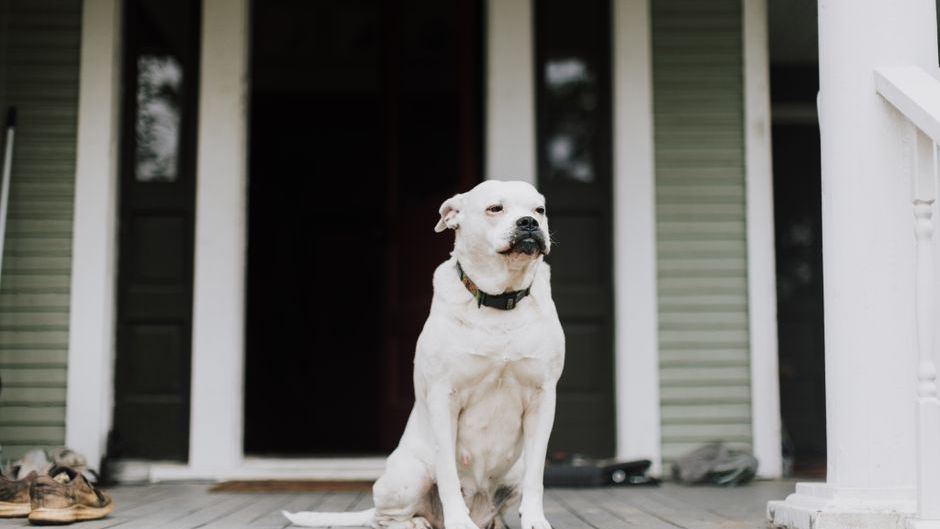
Fear of Unfamiliar People
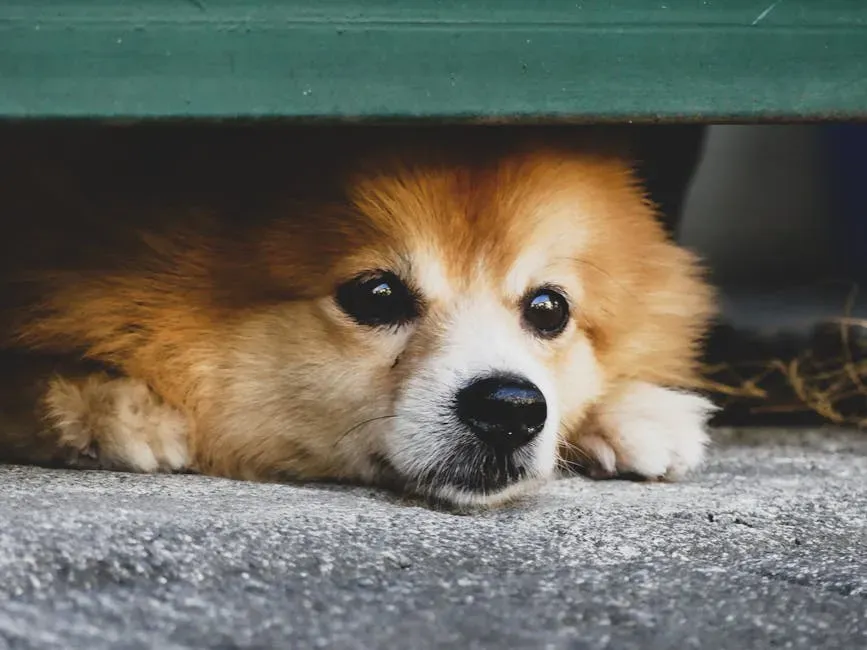
Studies consistently link higher owner anxiety levels to increased fear responses in dogs toward strangers. Dogs may cower, avoid eye contact, or retreat when new people approach, behaviors that owners sometimes misread as shyness rather than learned caution. This pattern shows up across multiple questionnaires where owners reporting their own trait anxiety also note stronger fear scores in their pets on standardized behavior assessments.
The connection appears tied to how anxious owners interact during everyday encounters. They might tighten the leash or speak in a worried tone, signaling to the dog that unfamiliar faces warrant vigilance. Over time this repeated cue reinforces the dog’s wariness, creating a feedback loop that strengthens the fear response even in neutral situations.
Separation-Related Distress
Dogs belonging to owners with elevated anxiety often display more intense reactions when left alone. Whining, pacing, or destructive chewing at doors and furniture become common outlets for the unease they sense in the household dynamic. Questionnaire data from hundreds of owners reveal a measurable uptick in these separation behaviors when the human reports higher baseline stress or neurotic tendencies.
Owners who worry excessively about their dog’s well-being may inadvertently create unpredictable routines around departures. Short, tense goodbyes or hovering before leaving can heighten the dog’s anticipation of absence. The result is a dog that associates being alone with the same unsettled feeling its owner carries throughout the day.
Stranger-Directed Aggression
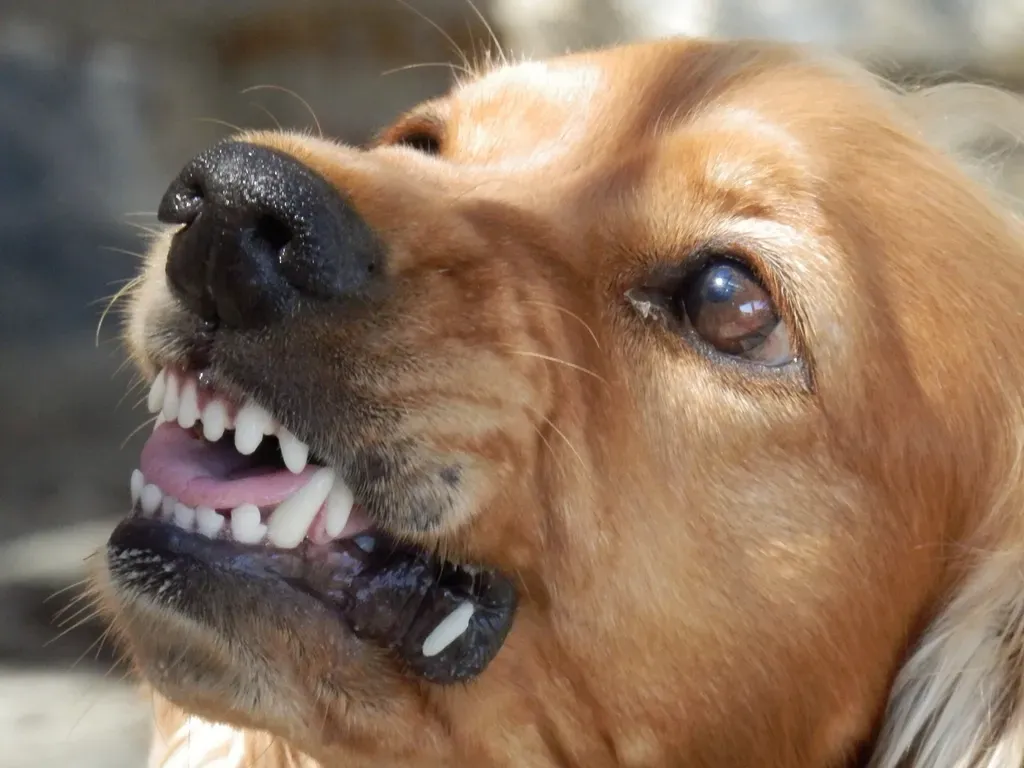
Aggression toward unfamiliar people surfaces more often in dogs whose owners score high on anxiety measures. Barking, lunging, or growling at visitors or passersby reflects an amplified protective or defensive posture. Large-scale surveys of owner personality and canine behavior problems document this overlap, particularly when owners also describe themselves as emotionally reactive.
The mechanism likely involves subtle modeling during walks or at home. An anxious owner may stiffen or issue sharp corrections at the first sign of another person, teaching the dog that approach equals threat. Repeated exposure to this heightened state embeds the aggressive pattern as a default response rather than an occasional reaction.
Noise Sensitivity
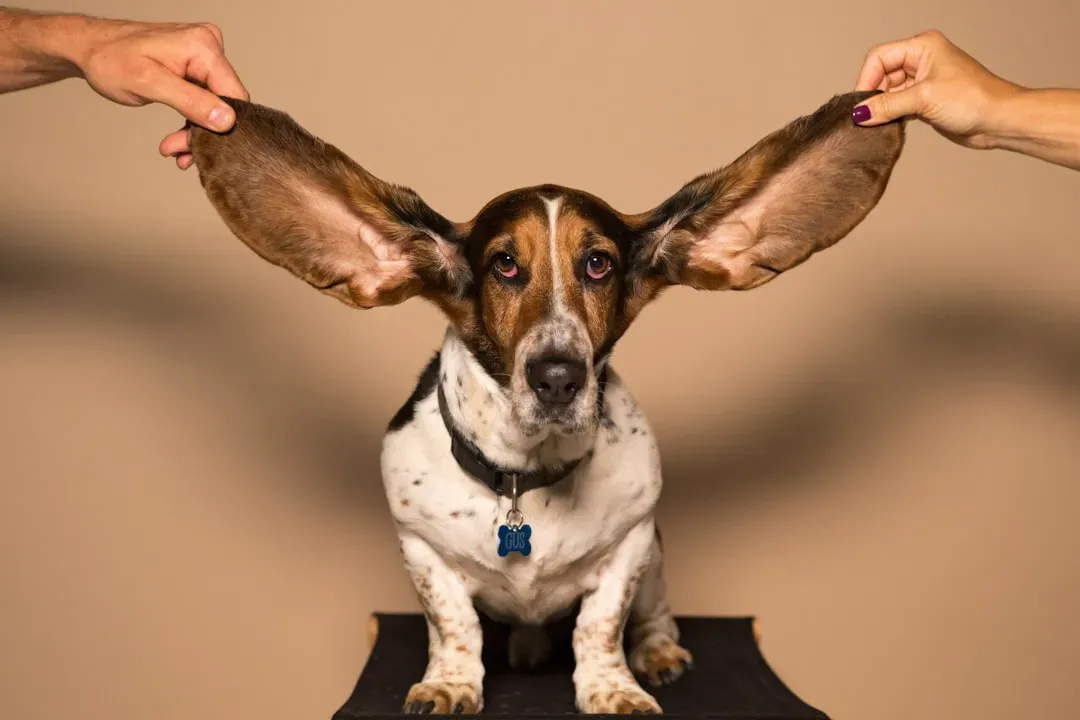
Many dogs with anxious owners show pronounced reactions to everyday sounds like doorbells, vacuum cleaners, or distant traffic. They may startle, hide, or vocalize excessively where other dogs remain calm. Owner reports collected in behavior studies tie these sensitivities to the human’s own tendency toward overstimulation and worry.
Anxious owners often react visibly to sudden noises themselves, providing a live demonstration of alarm. Their quick movements or raised voices during these moments give the dog a clear social reference for interpreting the sound as dangerous. Over repeated instances the dog internalizes the response and begins reacting independently even when the owner stays composed.
Attention-Seeking Behaviors
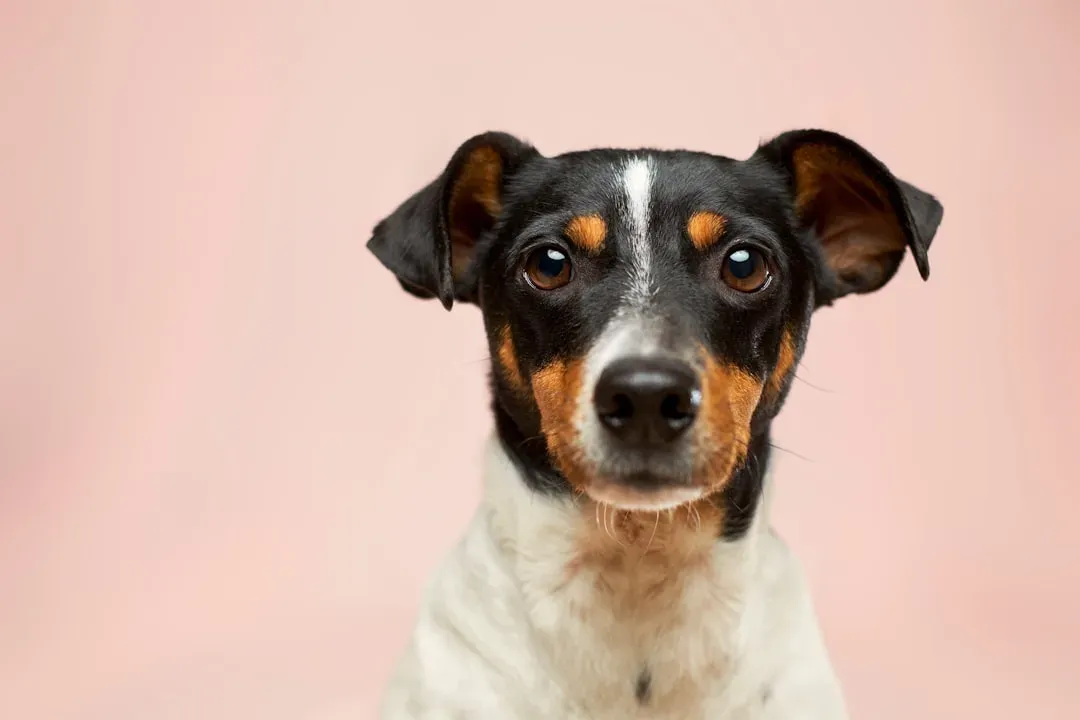
Constant nudging, pawing, or following the owner from room to room appears more frequently when the human partner experiences ongoing anxiety. These actions serve as the dog’s attempt to monitor and perhaps soothe the emotional climate. Data from owner surveys link higher human anxiety scores directly to elevated attention-seeking scores in the dog on validated behavior scales.
The pattern can stem from inconsistent responses on the owner’s part. Moments of distraction or worry may lead to variable attention, prompting the dog to increase efforts to reconnect. What begins as a bid for reassurance evolves into a persistent habit that fills the space left by the owner’s fluctuating presence.
Touch Sensitivity and Avoidance

Dogs of anxious owners sometimes flinch or pull away during routine handling such as grooming or petting. This touch sensitivity shows up in behavior inventories as a distinct cluster tied to owner psychological traits. The reaction often extends beyond pain to a general wariness of physical contact that feels unpredictable.
Owners who carry tension may handle their dogs with quicker or firmer movements without realizing it. Brief moments of frustration during brushing or nail trimming communicate discomfort through body language the dog reads instantly. The accumulated effect leaves the dog anticipating discomfort during any close interaction, even gentle ones.
Research makes clear that these behaviors arise from a combination of emotional contagion and learned responses rather than any single cause. Owners who recognize the link can adjust their own stress management and interaction style to support calmer patterns in their dogs. Small shifts in predictability and calm handling often yield noticeable improvements over time. The bond between human and dog remains a two-way street where awareness on one side benefits both.


