
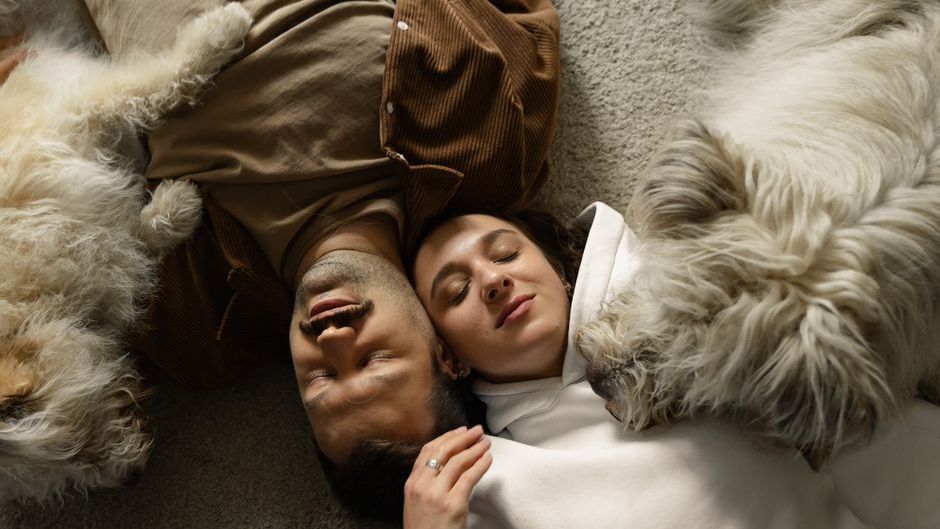
Dogs have an uncanny way of picking up on shifts in the home long before humans sit down to talk about them. Their senses and instincts often flag tension that feels invisible to the people living through it.
Many owners notice their pets acting differently during rough patches, from extra clinginess to sudden avoidance. This pattern raises a quiet question about what dogs actually sense in the air around a struggling relationship.
1. Picking Up on Shifts in Stress Hormones

Dogs can smell changes in cortisol and other stress chemicals that rise when tension builds between partners. Their noses detect these subtle differences even when the people involved try to keep things calm on the surface.
Owners often report their dogs becoming restless or overly attentive during periods of unspoken strain. This reaction stems from the animal responding to chemical signals rather than any dramatic scene.
2. Reading Body Language and Posture Changes

A dog watches how two people hold themselves around each other, noting stiff shoulders or turned away faces that signal distance. These visual cues come across clearly to an animal tuned to every movement in its pack.
Over time the dog may start positioning itself between the couple or avoiding certain rooms where the energy feels off. Such behavior reflects a steady reading of nonverbal signals that humans often overlook in daily life.
3. Noticing Changes in Daily Routines
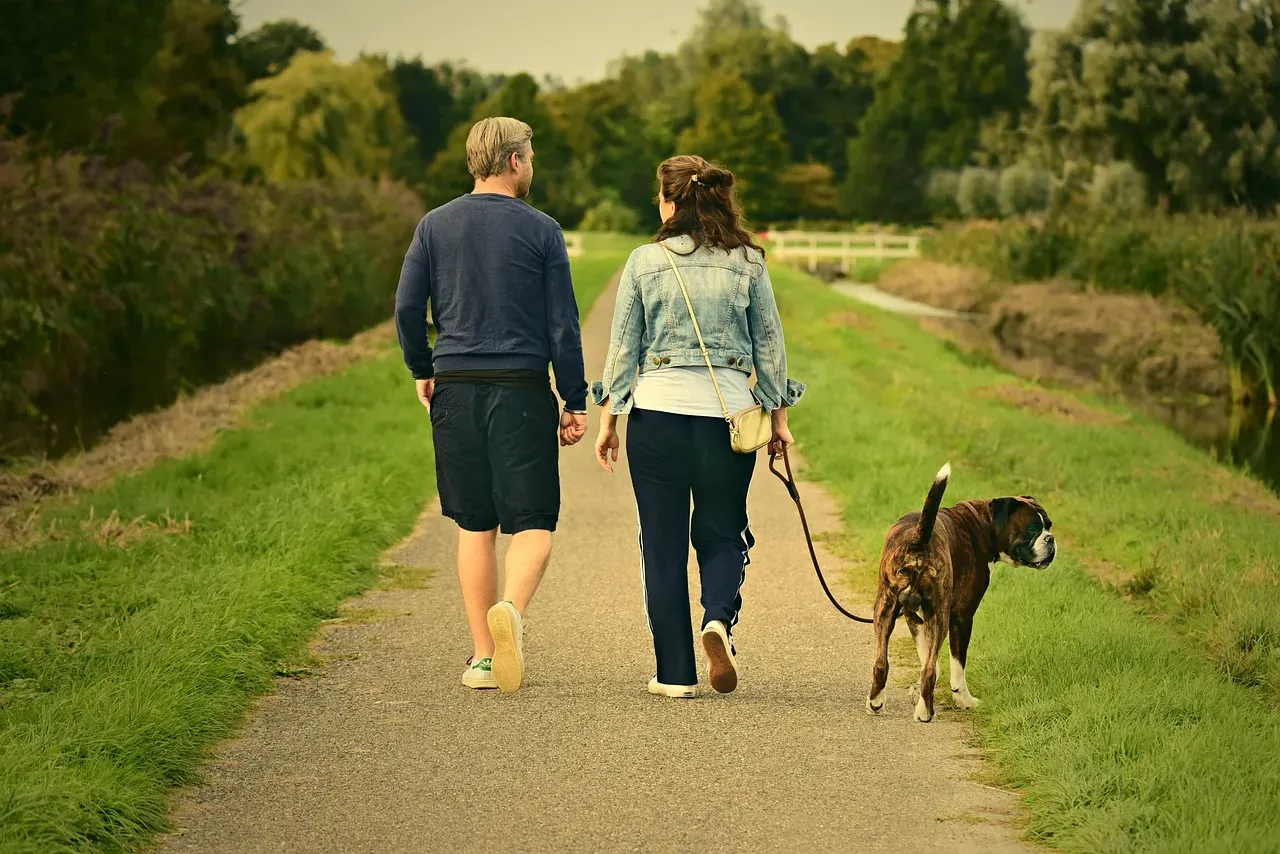
Marriage strain frequently disrupts shared habits like evening walks or joint meals, and dogs thrive on predictable patterns. When those rhythms break, the animal registers the inconsistency right away.
A dog might linger near one person more or wait longer for attention that used to arrive on schedule. This adjustment shows the pet tracking the new flow of the household without needing words.
4. Responding to Raised Voices or Silence

Arguments create spikes in volume that dogs associate with conflict, even if the words themselves mean little to them. Prolonged quiet after a fight can feel equally unsettling to an animal used to normal conversation.
Pets sometimes retreat to another room or seek extra reassurance during these shifts. Their reactions highlight how sound and its absence both carry emotional weight in the home.
5. Sensing Emotional Energy Between People
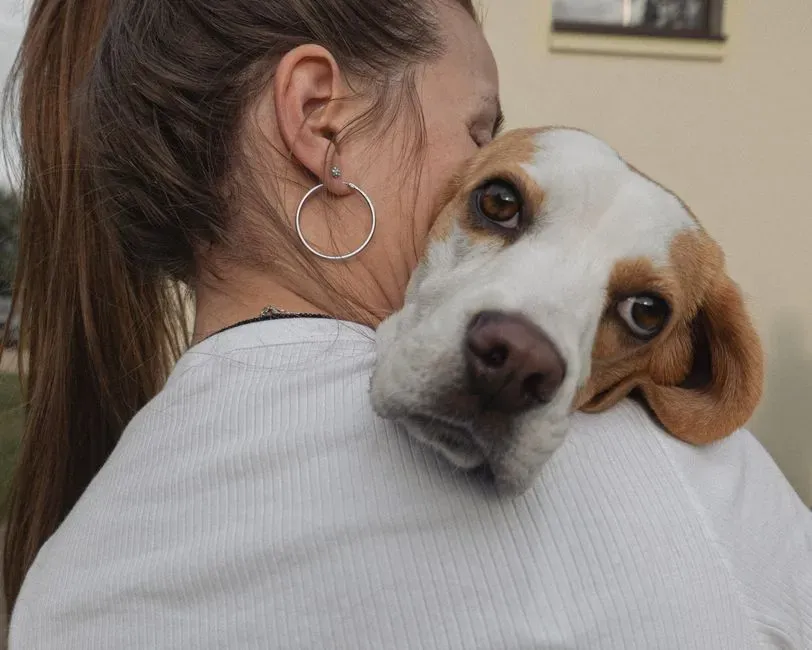
Dogs appear sensitive to the overall mood in a room, picking up on frustration or sadness that lingers after difficult conversations. This awareness goes beyond single incidents and reflects a broader reading of the atmosphere.
Owners describe their dogs offering comfort to one partner while keeping distance from the other during tense times. The pattern suggests the animal tracks emotional currents that build gradually.
6. Adjusting to Altered Sleep and Rest Patterns
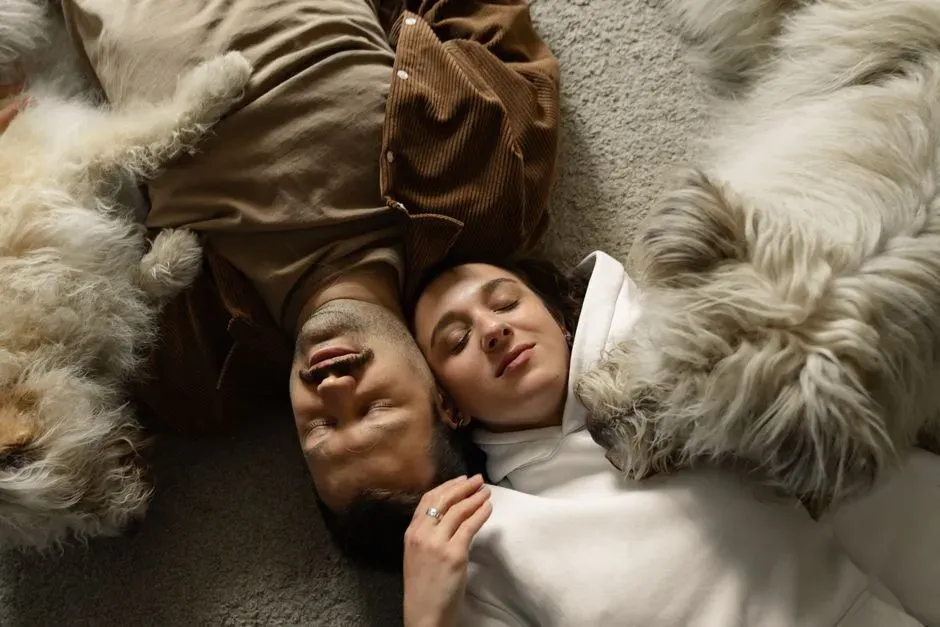
When couples struggle, sleep often suffers through late nights or restless tossing, and dogs notice these changes in their humans. A normally calm bedtime routine might turn into pacing or checking on owners more often.
The pet may mirror the unease by staying awake longer or choosing new sleeping spots. This response ties directly to the disrupted peace that stress introduces into shared spaces.
7. Observing Shifts in Affection and Attention

Reduced physical closeness between partners registers with dogs that rely on touch and proximity for security. Less petting or fewer group activities can leave the animal seeking connection elsewhere.
Some dogs become more protective of one person or start following them from room to room. These moves reflect the pet filling gaps left by changing human interactions.
8. Relying on Pack Instincts for Stability
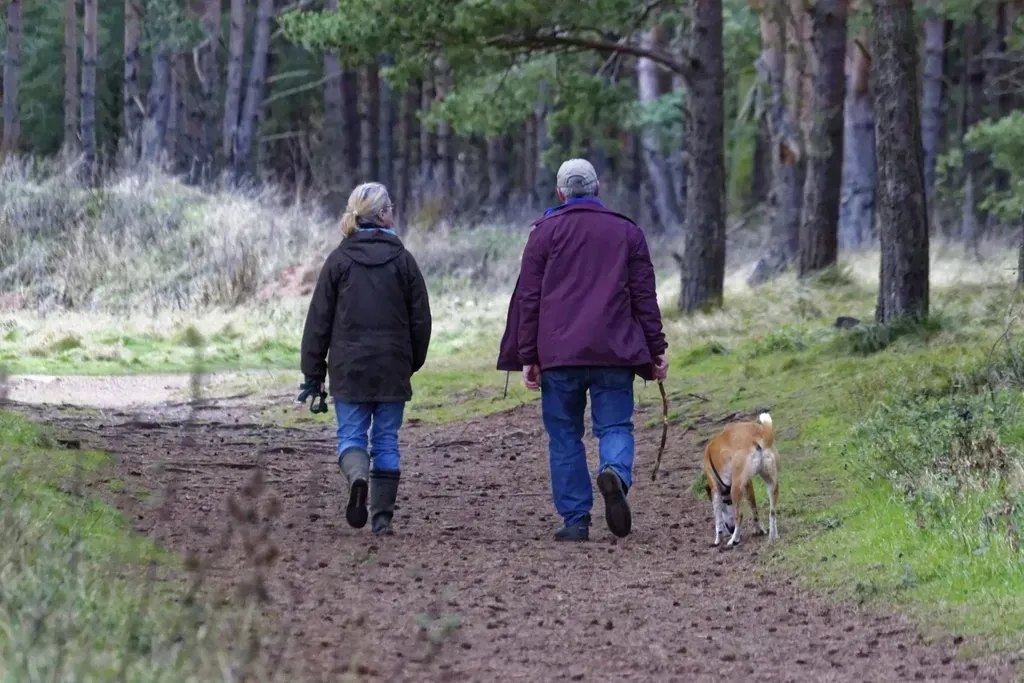
Dogs view the household as their pack and grow alert when the usual balance feels threatened. They may try to restore calm through their own calming behaviors or by staying close during uncertain moments.
This instinct helps explain why some pets seem to act as early warning systems for relational drift. Their actions come from a drive to keep the group steady rather than any human style analysis.
Dogs offer a mirror to the quiet signals that relationships send out long before words catch up. Paying attention to those signals can prompt earlier conversations that matter.


