
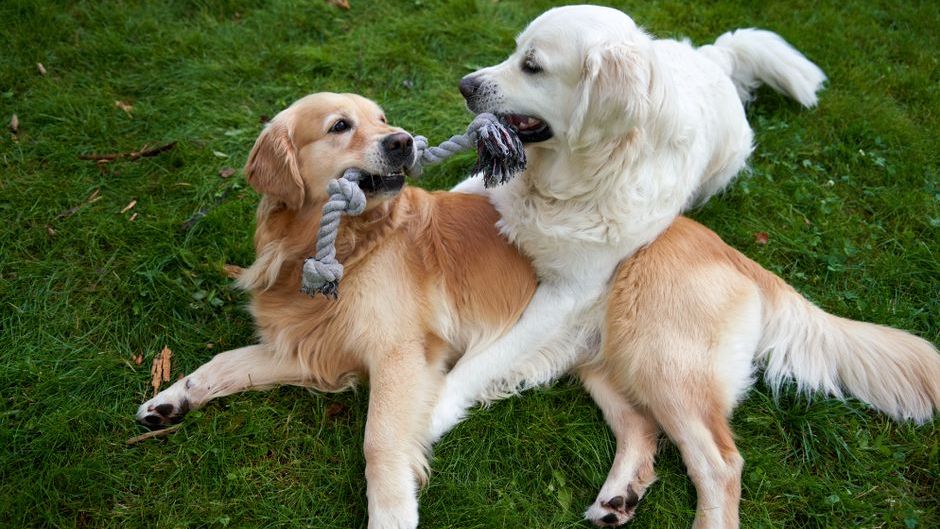
Most dog owners have moments when their pet does something that makes them pause and wonder what went wrong. A sudden roll in something foul or an enthusiastic jump that knocks over a guest can feel like a setback in training. Yet these same actions often reveal a dog that feels secure enough to express its natural self without fear or anxiety holding it back.
The real surprise comes when you look past the surface mess and notice how these behaviors connect to confidence, trust, and overall well being. What seems like a problem from a human perspective can actually mark a dog that is emotionally balanced and deeply bonded with its people.
Rolling in Strong Scents
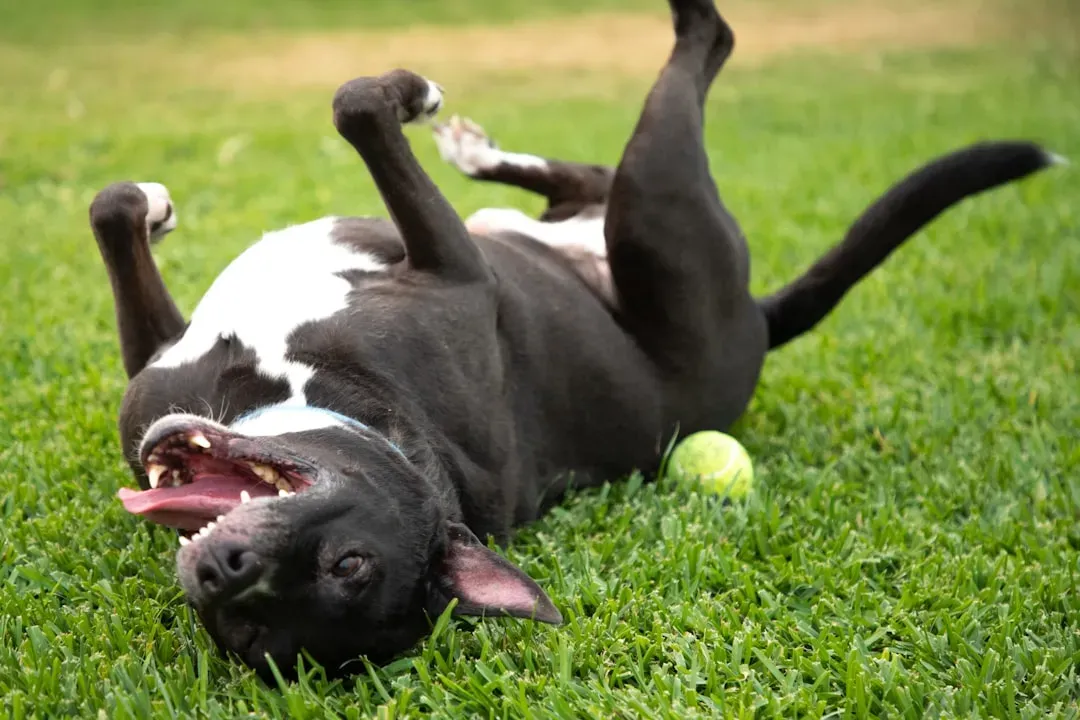
Dogs that seek out and roll in pungent smells are often showing a healthy curiosity about their world. This instinct traces back to their wild ancestors who used scent to communicate and gather information. A dog comfortable enough to indulge in this habit usually feels safe in its environment and secure with its family.
When a dog rolls without hesitation it signals low stress levels and a willingness to explore. Owners sometimes see this as defiance or poor manners. In reality it reflects an emotionally resilient animal that trusts its surroundings enough to follow its nose freely.
Eating Grass or Other Plants
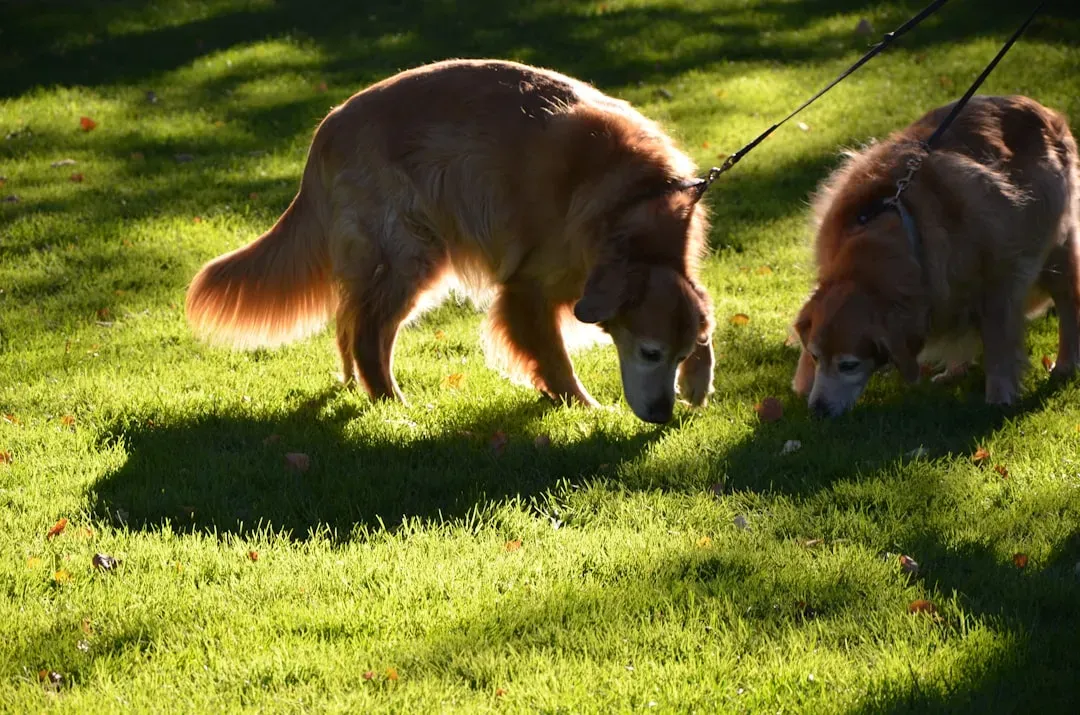
Many dogs graze on grass during walks or in the yard even when their meals are complete. This behavior can stem from a natural digestive urge or simple enjoyment of textures and tastes. A dog that does this calmly demonstrates it feels relaxed and in tune with its body signals.
Far from a sign of illness or boredom the occasional plant nibble often points to a content animal that knows how to self regulate. Dogs with strong emotional health tend to experiment with their surroundings without panic or fixation. This quiet exploration shows they trust their home and routine.
Chasing Their Own Tail
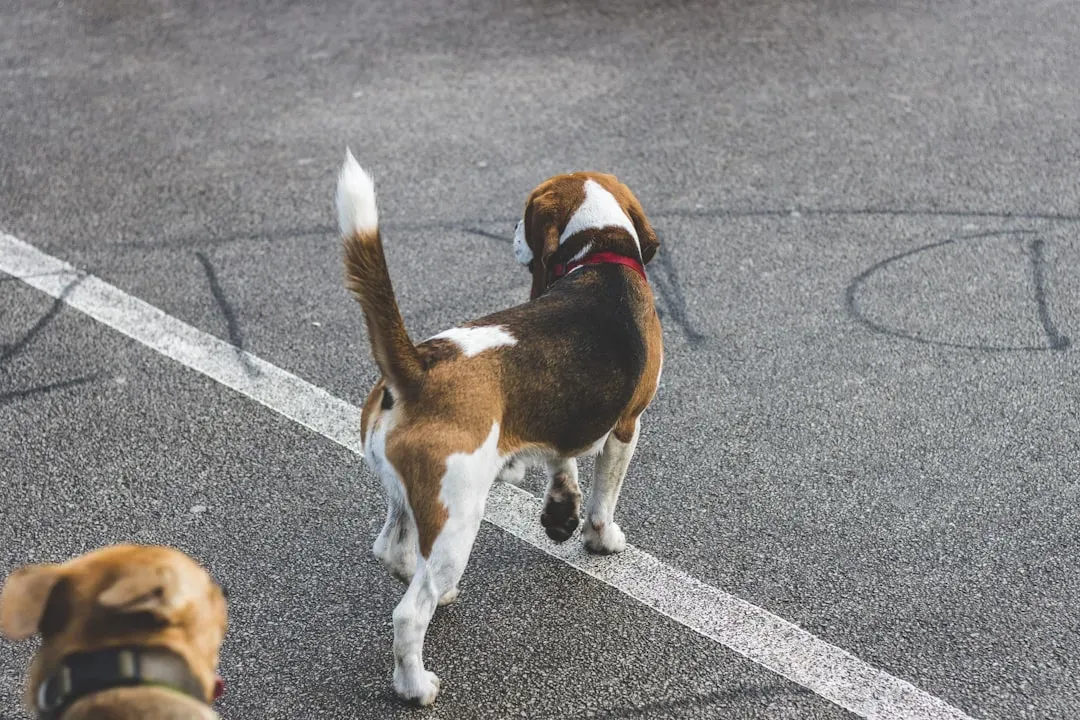
A quick spin after the tail can look silly or even obsessive at first. Yet for many dogs this playful pursuit serves as a burst of self entertainment and physical release. It appears most often in dogs that feel playful and unburdened by worry.
When the chase stays light and ends quickly it usually marks a dog with good energy balance and a positive outlook. Such behavior rarely occurs in anxious or withdrawn animals. Instead it highlights a pet that enjoys its own company and feels free to play on its own terms.
Digging Enthusiastically in the Yard
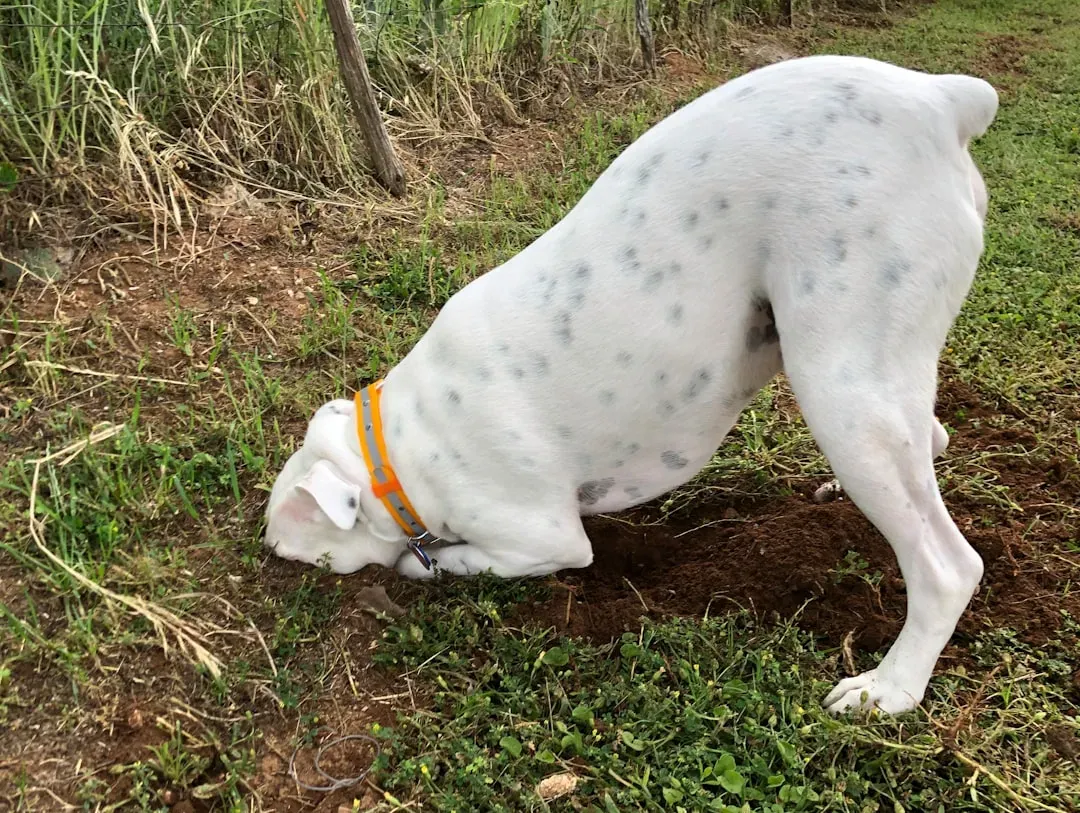
Dirt flying from enthusiastic paws can frustrate gardeners yet it often comes from a dog that feels safe enough to engage in natural digging instincts. This activity provides mental stimulation and physical exercise that supports emotional stability. Secure dogs tend to channel their energy into these instinctive outlets rather than destructive anxiety driven habits.
The act itself can serve as a form of stress relief after a long day or simply a joyful way to interact with the environment. Dogs that dig with focus and then settle down afterward show they know how to self soothe. This pattern reflects emotional maturity and a strong sense of territory that feels protected.
Jumping Up to Greet People
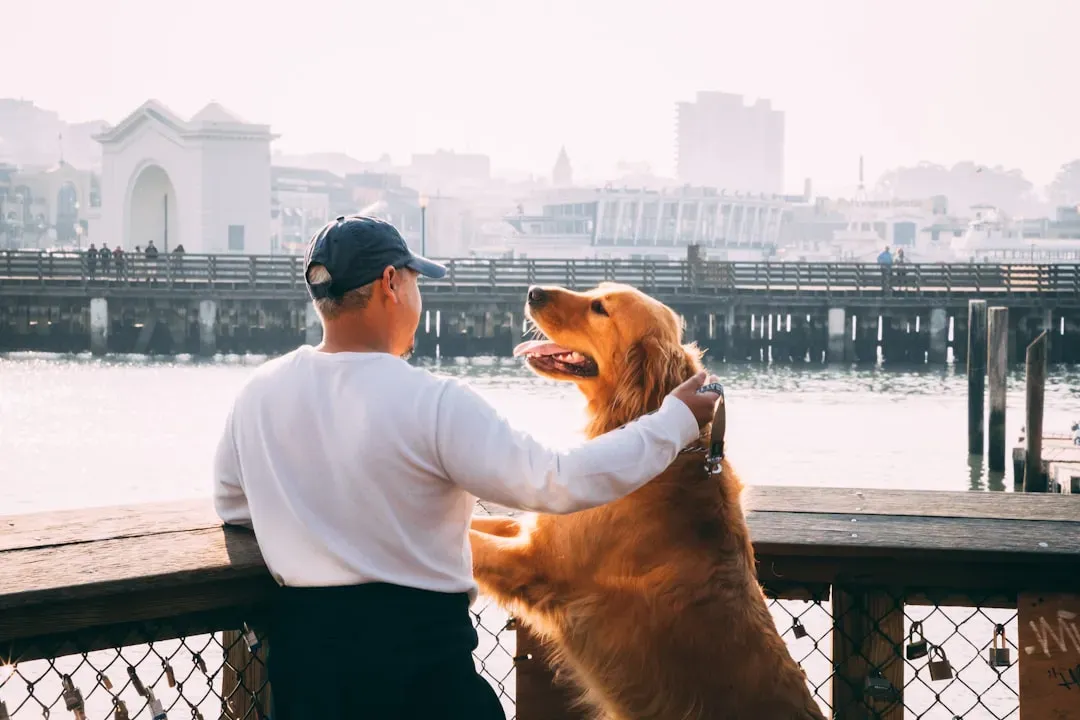
Leaping toward faces during greetings looks like poor manners but frequently signals high excitement and affection. A dog that jumps freely usually believes its people will respond positively and welcomes close contact. This openness stems from secure attachment rather than insecurity.
Over time the behavior shows the dog views visitors and family as sources of positive interaction. Emotionally healthy dogs often express joy through physical movement instead of shrinking back. The jump becomes a clear marker of confidence in social situations.
Barking at Passing Sounds or Sights
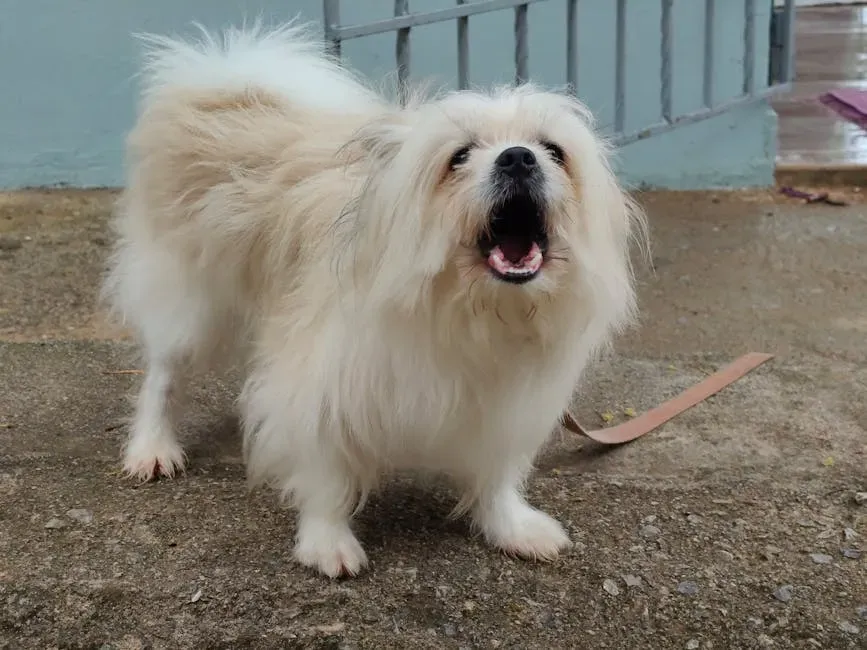
Alert barking at distant noises can seem excessive yet it often indicates a dog that feels responsible for its home and bonded to its humans. This protective instinct arises in animals that trust their environment enough to speak up. The bark serves as communication rather than fear driven reaction.
Dogs with solid emotional foundations tend to vocalize briefly then return to calm once the moment passes. They know their warning has been heard and they can relax again. Such measured responses point to confidence and a clear understanding of their role within the household.
Destroying Toys During Play
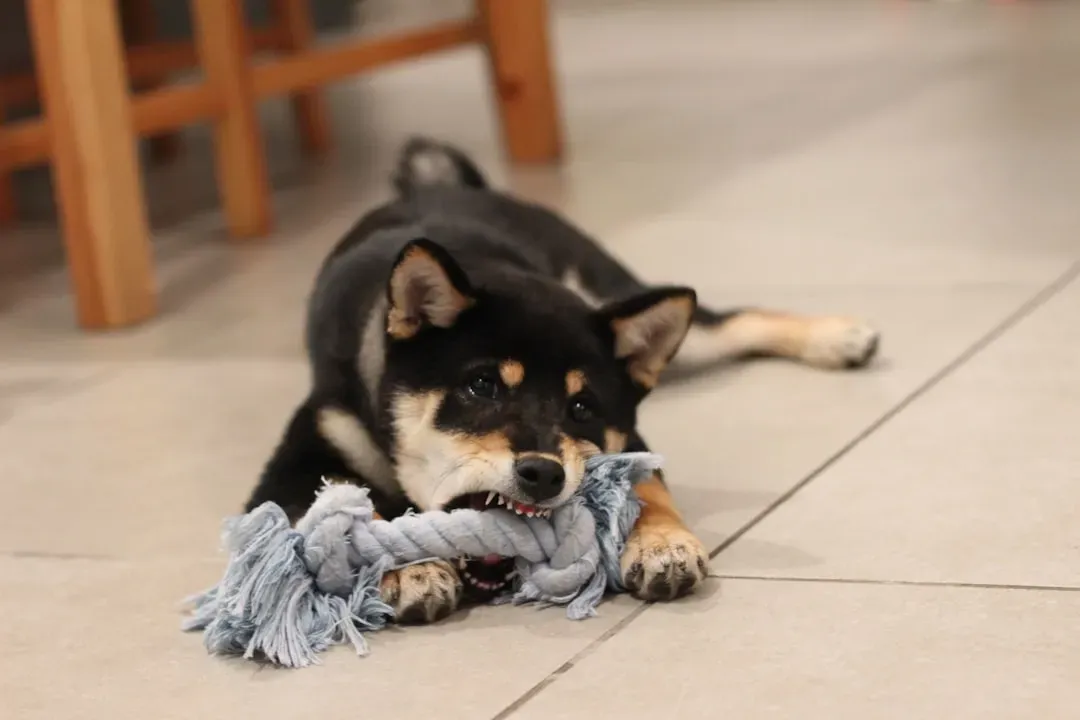
Shredded toys scattered across the floor might appear wasteful but they usually mark a dog that plays with genuine enthusiasm. This destruction comes from healthy drive and engagement rather than frustration. Emotionally balanced dogs invest energy in their favorite objects because they feel safe to do so.
The act of tearing apart a toy can release pent up energy and provide satisfaction that supports overall mood. Dogs that destroy toys in short bursts and then rest show they understand boundaries between play and calm. This pattern reflects strong emotional regulation and enjoyment of life.
Pulling on the Leash Toward Interesting Spots
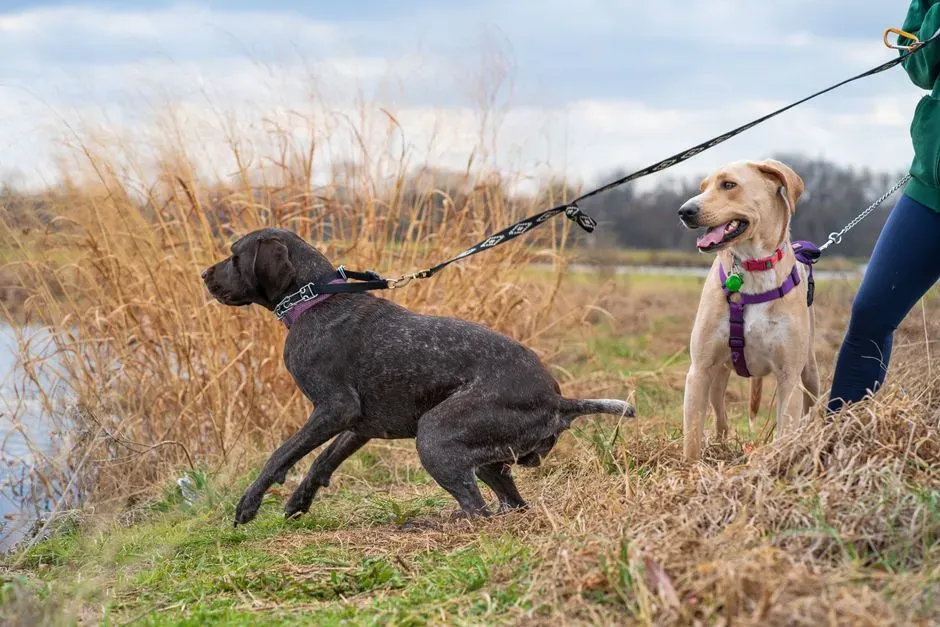
Forward pulling during walks often frustrates handlers yet it reveals a dog curious about its surroundings and eager to investigate. This forward momentum comes from confidence rather than anxiety about what lies ahead. A dog that pulls toward smells or sights trusts that its person will keep it safe.
Such behavior indicates the animal feels secure enough to lead the exploration at times. Emotionally healthy dogs balance their own interests with responsiveness to their owner. The pull becomes a sign of vitality and engagement with the world outside the home.
Mounting During Play or Excitement
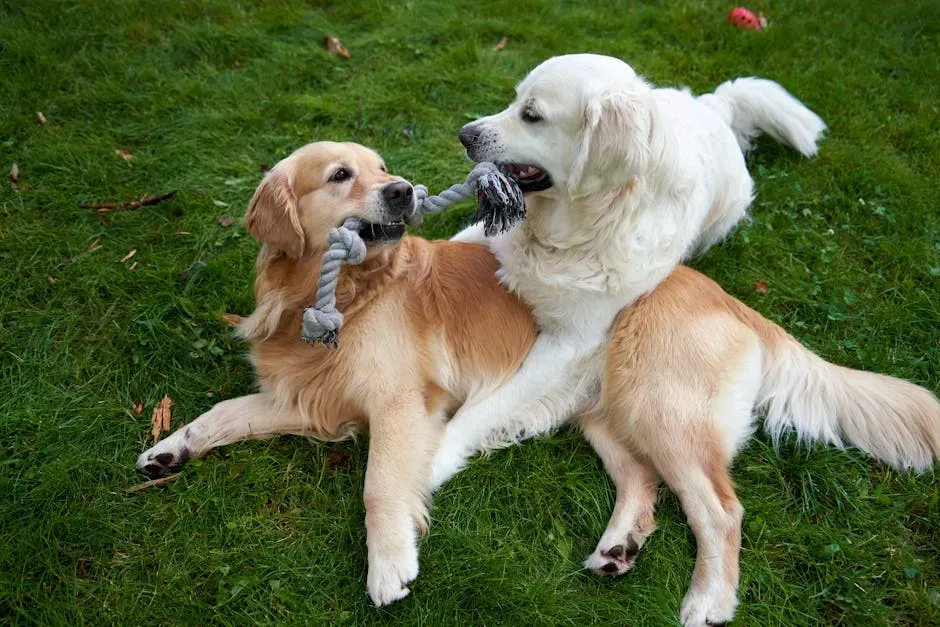
Occasional mounting can look awkward or inappropriate but it frequently appears in dogs experiencing high arousal in a positive context. This action often serves as an outlet for excitement rather than dominance or stress. Secure dogs express these impulses without shame or fear of correction.
When the behavior stays brief and context appropriate it points to emotional openness and healthy social energy. Dogs that mount during play usually feel comfortable with their bodies and their relationships. This freedom reflects a deep sense of safety within their pack.
Licking People or Themselves in Moderation
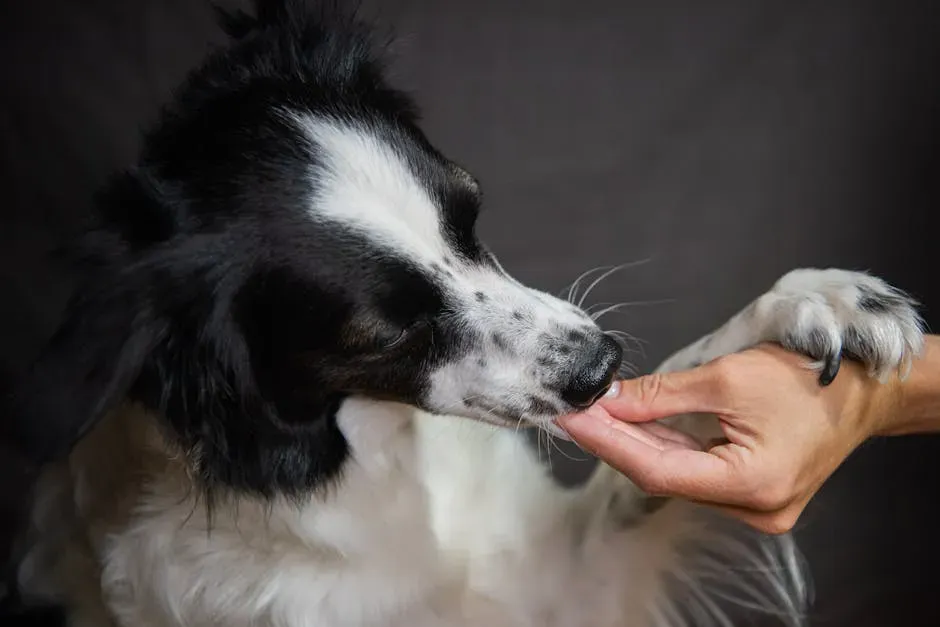
Gentle licking of hands or paws can seem excessive yet it often functions as a calming self soothing mechanism or a way to bond. Dogs that lick in measured amounts demonstrate they know how to regulate their own emotions. The action provides comfort without becoming compulsive.
This behavior appears most in dogs that feel connected to their humans and secure in their daily routines. It serves as a quiet signal of affection and trust. Emotionally healthy dogs use licking as one tool among many for maintaining balance.
Howling Along With Sounds or Music
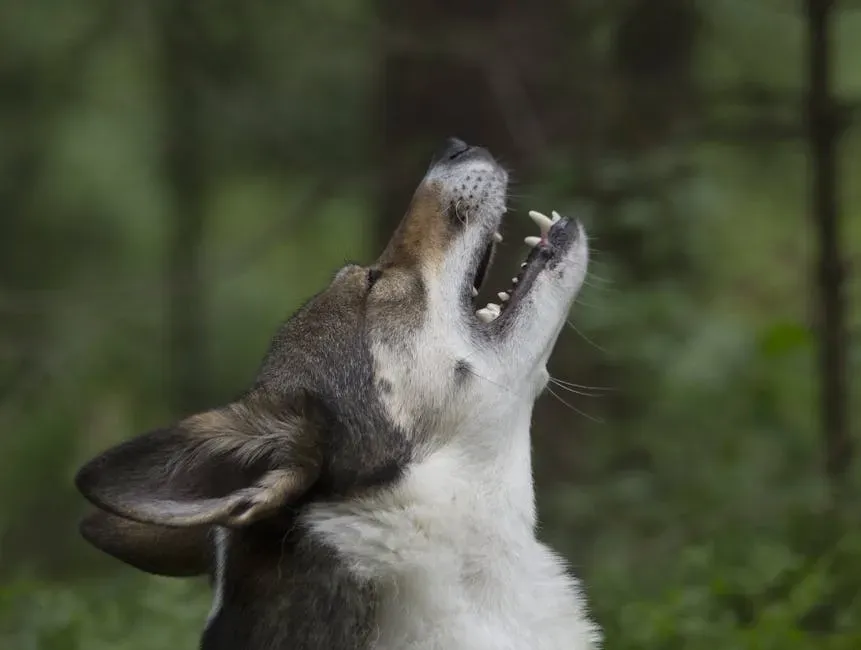
Joining in with sirens or songs can seem disruptive but it usually marks a dog that enjoys social vocalization and feels part of the household rhythm. Howling allows expression of energy in a natural way. Dogs that participate freely tend to have strong bonds and low anxiety about making noise.
The behavior often occurs when the dog feels relaxed and included rather than isolated. It reflects an emotional state where the animal trusts its environment enough to add its voice. Such participation highlights confidence and a sense of belonging.
Ignoring Commands Briefly During High Distraction
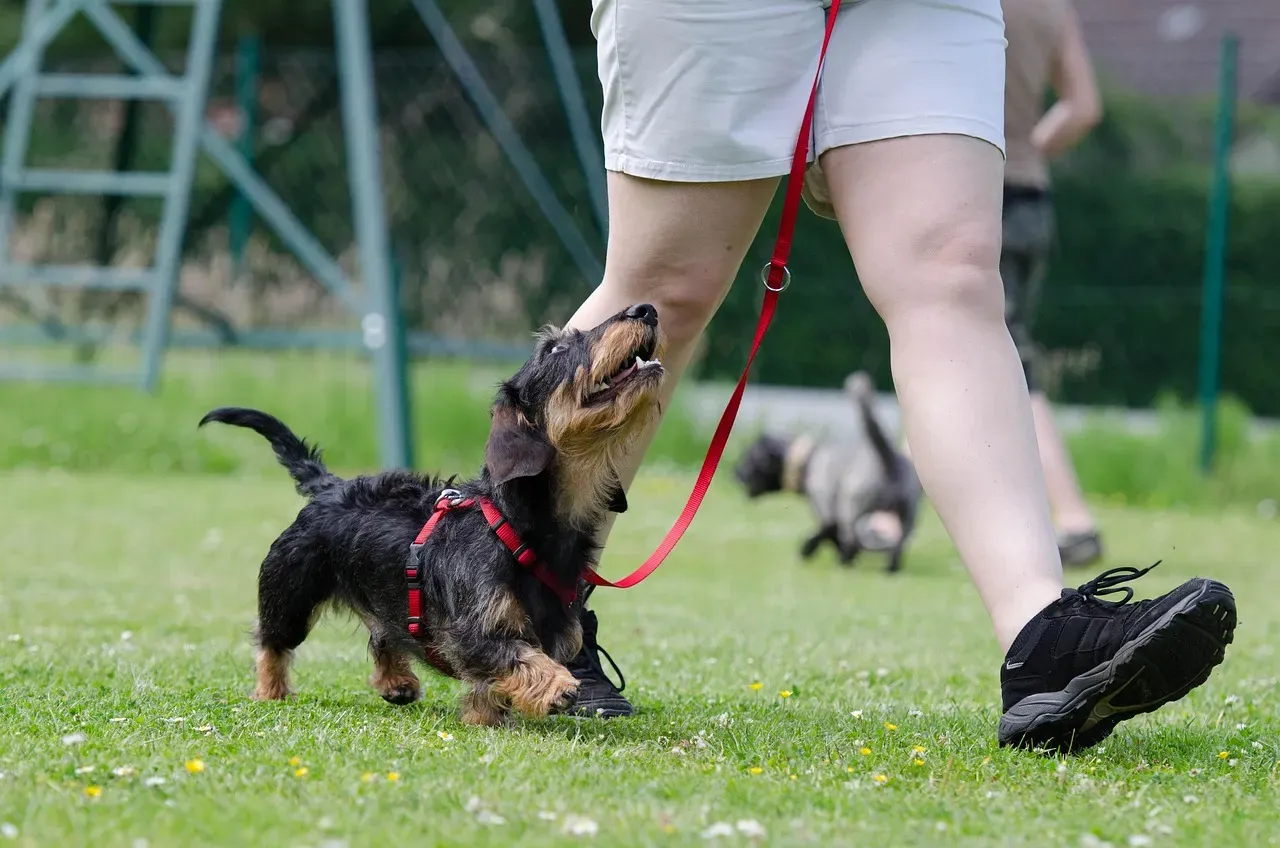
A momentary lapse in obedience when something exciting appears can frustrate trainers yet it often shows a dog that processes its environment thoughtfully. This pause reflects curiosity and decision making rather than defiance. Emotionally secure dogs weigh options before responding.
The brief ignore usually resolves once the distraction passes and the dog returns to its person. This pattern indicates the animal feels safe enough to explore without constant checking in. It marks a healthy balance between independence and attachment that supports long term well being.
Dogs that display these behaviors consistently tend to live with less hidden stress and more genuine connection to their people. Paying attention to the context around each action helps owners recognize the difference between a true problem and a sign of inner strength. Over time this understanding builds a deeper partnership where both sides feel seen and respected. The most rewarding part comes from realizing that what once seemed like trouble actually points to a dog living with real emotional richness.


