
Shadowing Your Every Move
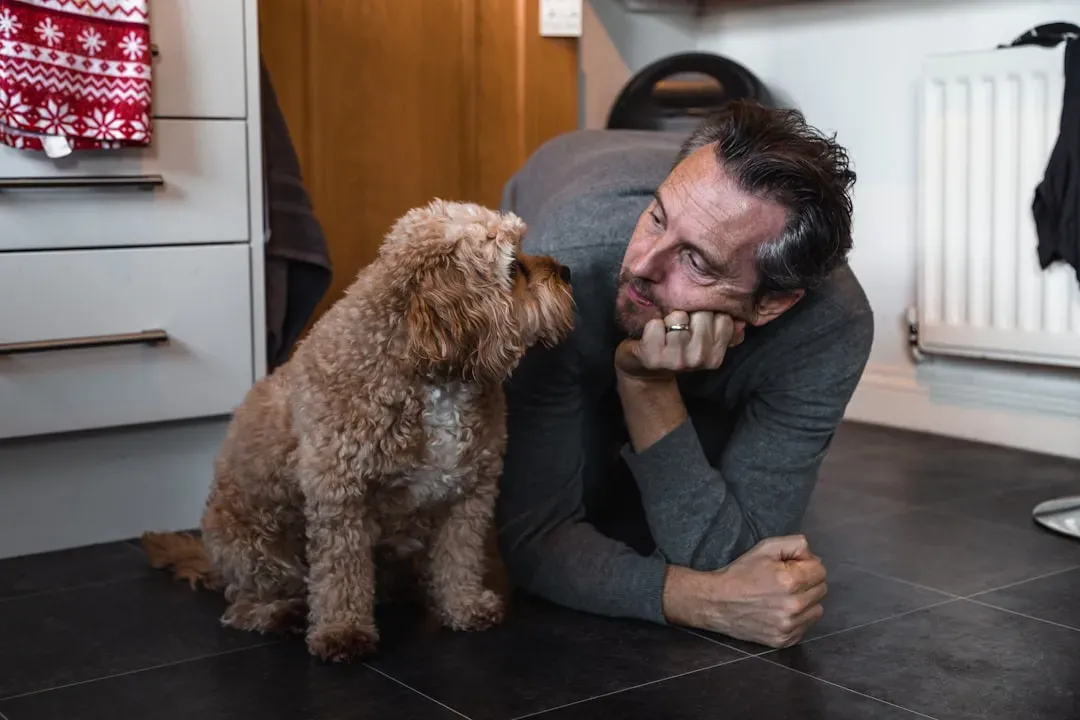
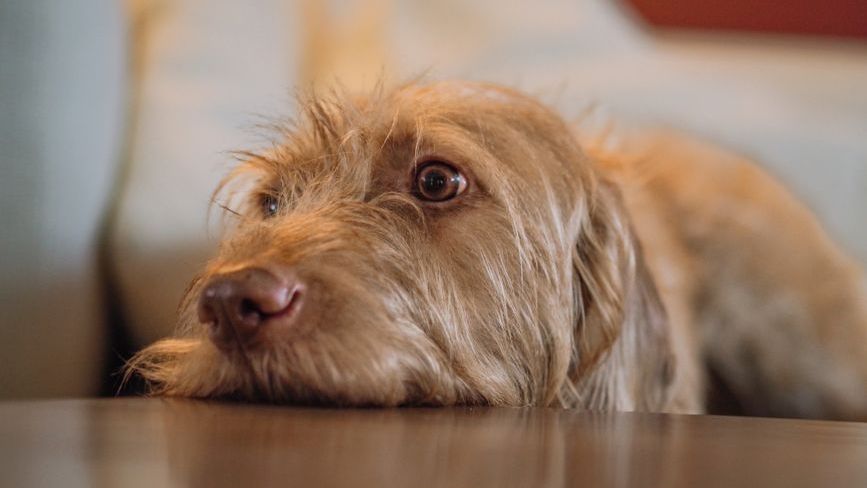
Many dogs start following their owners from room to room when stress levels rise at home. They trail behind during routine tasks like cooking or working, rarely letting you out of sight. This behavior often stems from their sensitivity to elevated cortisol, which they detect through scent and subtle body language changes.
Owners frequently notice the pattern intensifies during busy periods or after arguments. The dog may even wait outside the bathroom door or settle nearby while you scroll on your phone. Over time this constant presence can feel comforting yet also signals that your tension is registering with them.
Frequent Yawning Without Tiredness
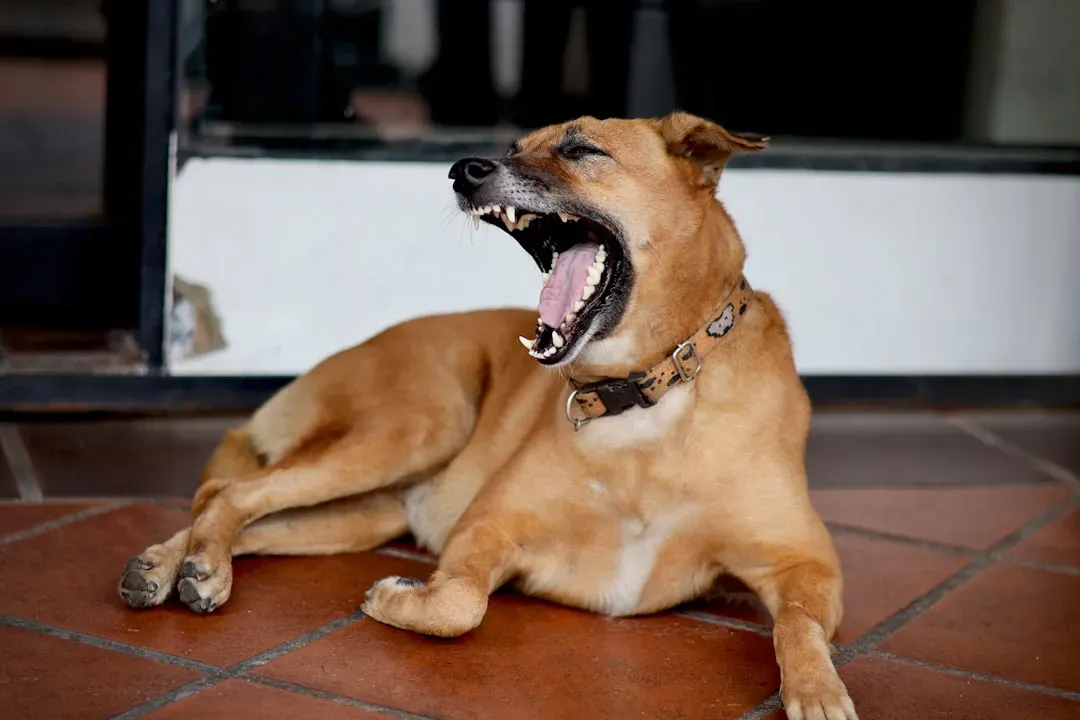
A dog that yawns repeatedly during calm moments may be responding to your stress rather than feeling sleepy. These yawns serve as a displacement behavior that helps them self soothe when they sense unease in their person. The action tends to appear more often in the evenings after a demanding workday.
Pets sometimes pair the yawns with deep sighs that mirror the heavy breathing patterns humans show under pressure. Watching for clusters of these yawns during otherwise relaxed interactions can highlight spikes in household tension. The habit usually fades once routines stabilize again.
Shifts In Appetite Or Treat Interest

Stress in owners can quietly alter a dog’s eating rhythm, leading to skipped meals or sudden disinterest in favorite snacks. Some dogs graze less while others finish bowls faster as a way to cope with the emotional climate. These changes often coincide with periods of high workload or family conflict.
Veterinarians note that such fluctuations rarely indicate medical issues when they align with owner mood swings. Tracking food intake over a week or two reveals patterns tied to external pressures. Restoring calm routines typically brings appetite back to normal without extra intervention.
Excessive Self Grooming Or Licking
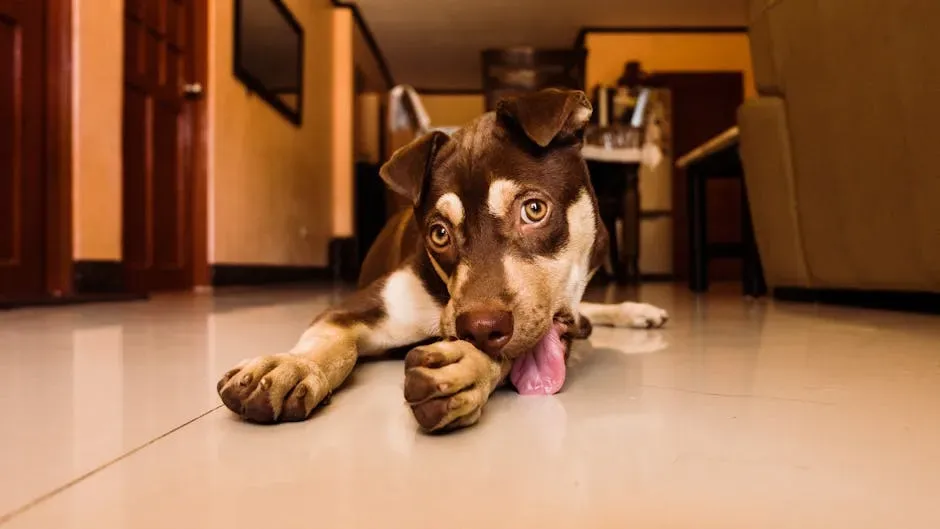
Dogs may lick their paws or fur more than usual when absorbing stress from their surroundings. The repetitive motion provides a calming outlet similar to how people fidget or bite nails. This grooming often concentrates on one area and appears during quiet times rather than after play.
The behavior tends to increase in homes where arguments or deadlines create ongoing tension. Owners sometimes overlook it until bald spots or irritated skin develop. Addressing the root stress at home usually reduces the licking within days or weeks.
Restlessness During Downtime
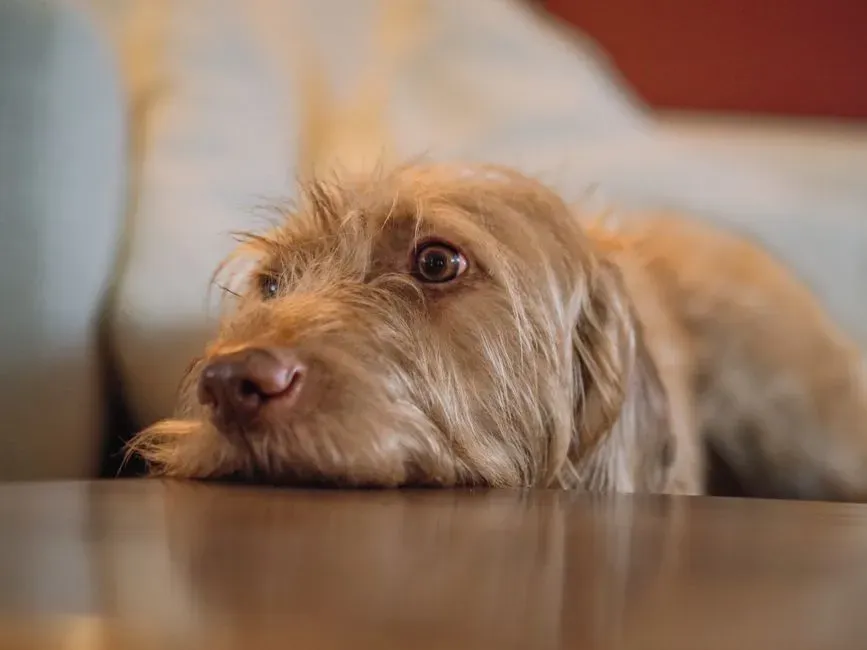
A normally settled dog might pace or shift positions frequently when the household carries extra tension. They struggle to relax even in familiar spots like their bed or favorite corner. This restlessness mirrors the mental load their owner is carrying throughout the day.
The pattern shows up most clearly in the hours after work or during family evenings. Dogs may circle before lying down or stand up again shortly after settling. Consistent observation helps link these movements to specific stressful events rather than random energy.
Changes In Sleep Location Or Duration

Some dogs begin sleeping closer to their stressed owner or move to new spots altogether. They may wake more often or choose the couch over their crate when tension feels high. These adjustments reflect an attempt to stay near the source of emotional cues.
Longer naps during the day sometimes follow nights of fragmented rest tied to owner anxiety. The shift usually reverses once daily pressures ease. Noting where and how long your dog sleeps offers a simple window into shared stress levels.
Increased Vocalizations At Odd Times

Whining or soft barking that occurs without obvious triggers can indicate a dog reacting to human stress. These sounds often surface during moments of quiet reflection or right after tense conversations. The vocalizations serve as an outlet for the unease they pick up.
Owners report the noises cluster around periods of personal overwhelm rather than external events like visitors. The volume stays low and infrequent compared with alert barking. Tracking timing helps connect the sounds to internal household dynamics.
Submissive Postures Around You
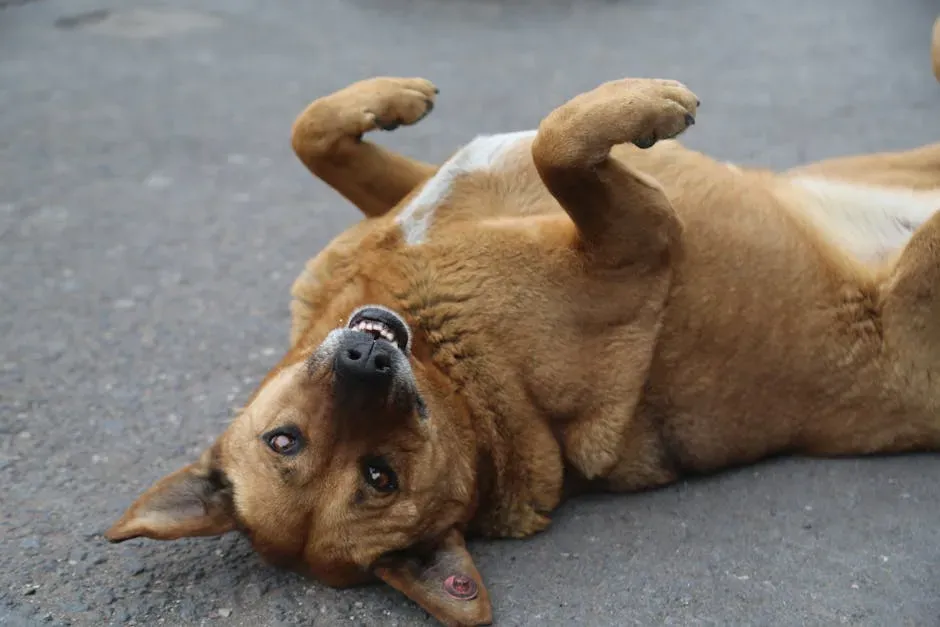
Ears pinned back or a lowered tail when approaching their owner can signal a dog sensing stress. These postures appear even during positive interactions like greeting at the door. The body language reflects caution rather than fear of punishment.
The signals intensify after long days or during arguments overheard from another room. Dogs may also crouch slightly or avoid direct eye contact until the mood lifts. Recognizing these cues early allows owners to adjust their own energy and ease the shared tension.
Play Style That Turns More Intense Or Withdrawn
Normal play sessions can shift when stress filters down to the dog. Some pets become overly rough or insistent during fetch or tug, channeling absorbed energy. Others lose interest midway through games they usually enjoy.
The change often aligns with owner deadlines or emotional strain rather than boredom. Sessions that once lasted twenty minutes might shorten or stretch depending on the underlying pressure. Returning to baseline play habits usually follows a calmer period at home.
Paying closer attention to these quiet signals from your dog can turn everyday interactions into useful feedback about your own state. Many people find that small adjustments in routine benefit both sides of the partnership without needing major changes. Over time the bond deepens when both human and dog feel steadier together.


