
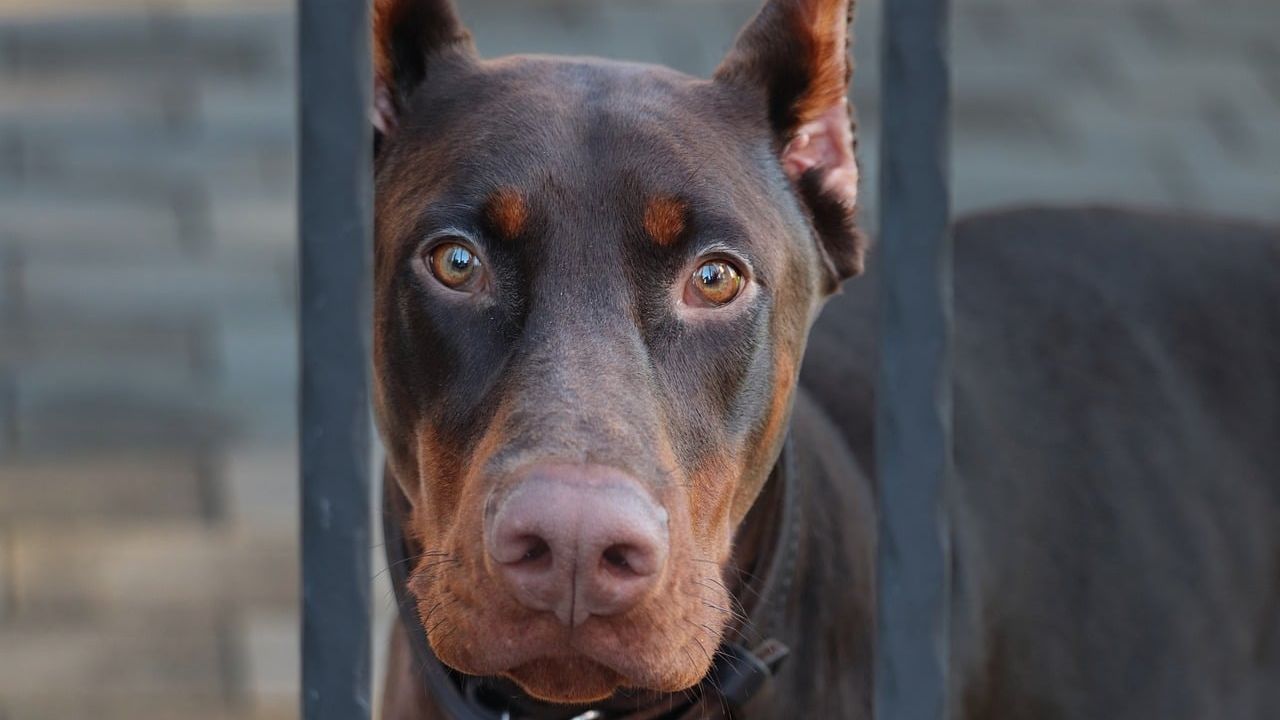
Fixating on a Blank Wall or Empty Corner
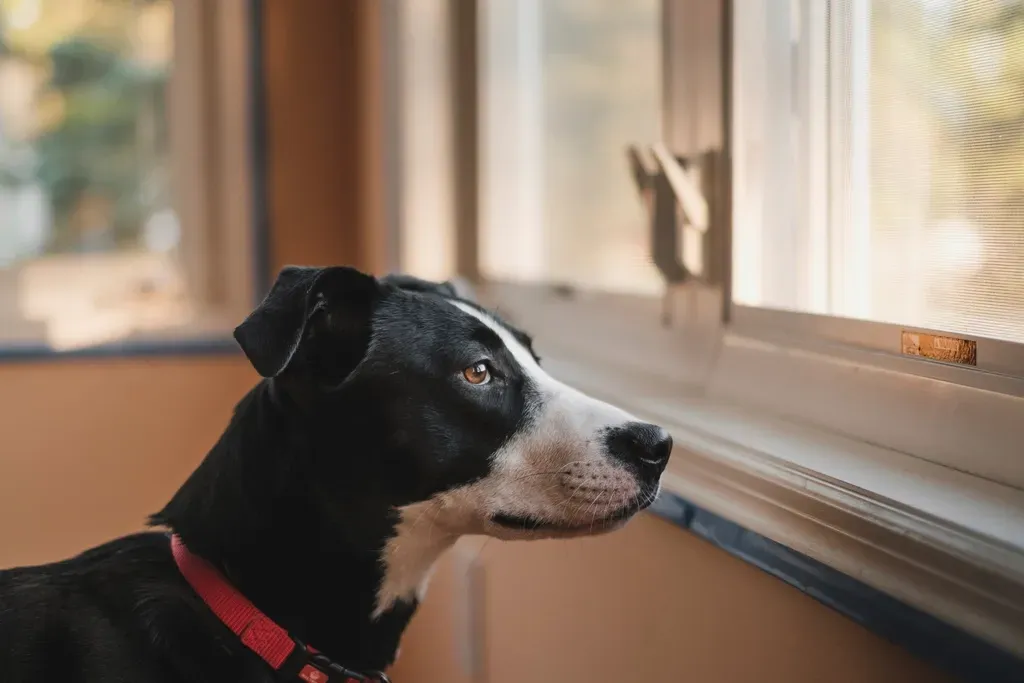
Dogs sometimes plant themselves in front of a plain wall and stare without blinking for minutes at a time. Their body stays rigid, ears forward, as if tracking movement only they can detect. This focused attention often happens in rooms that feel completely still to everyone else.
The behavior repeats in the same spots night after night. Owners notice the dog refuses to look away even when called, suggesting the focus feels urgent. Over time the pattern becomes familiar enough that people start checking the area themselves, though nothing visible ever appears.
Barking at Thin Air in the Middle of the Night
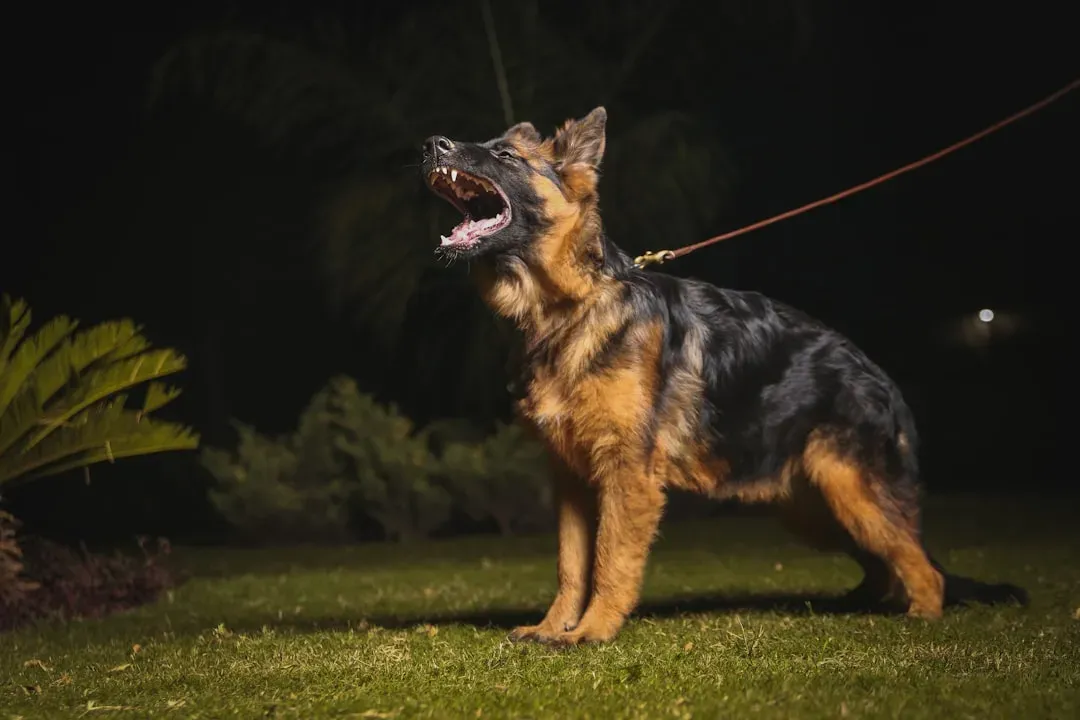
A sudden burst of barking with no person or animal nearby can jolt anyone awake. The dog directs the sound toward a specific direction, often the same side of the room or hallway. The tone carries urgency rather than playfulness.
After the barking stops the dog may continue scanning the space or settle only once the perceived issue passes. This nighttime alertness tends to occur in homes where the dog feels responsible for the household. The pattern suggests the dog registers something that fades before humans register any change.
Growling Low at an Unoccupied Doorway
A low, steady growl aimed at an empty doorway signals the dog senses an approach. The sound stays controlled rather than explosive, as if the dog is issuing a warning first. Body language stays tense with weight shifted forward.
The growl may continue until the dog decides the coast is clear or moves to block the path. Owners who watch closely notice the dog positions itself between the family and the doorway. The reaction repeats in the same locations, creating a reliable signal that something feels off.
Following an Invisible Trail With Their Nose
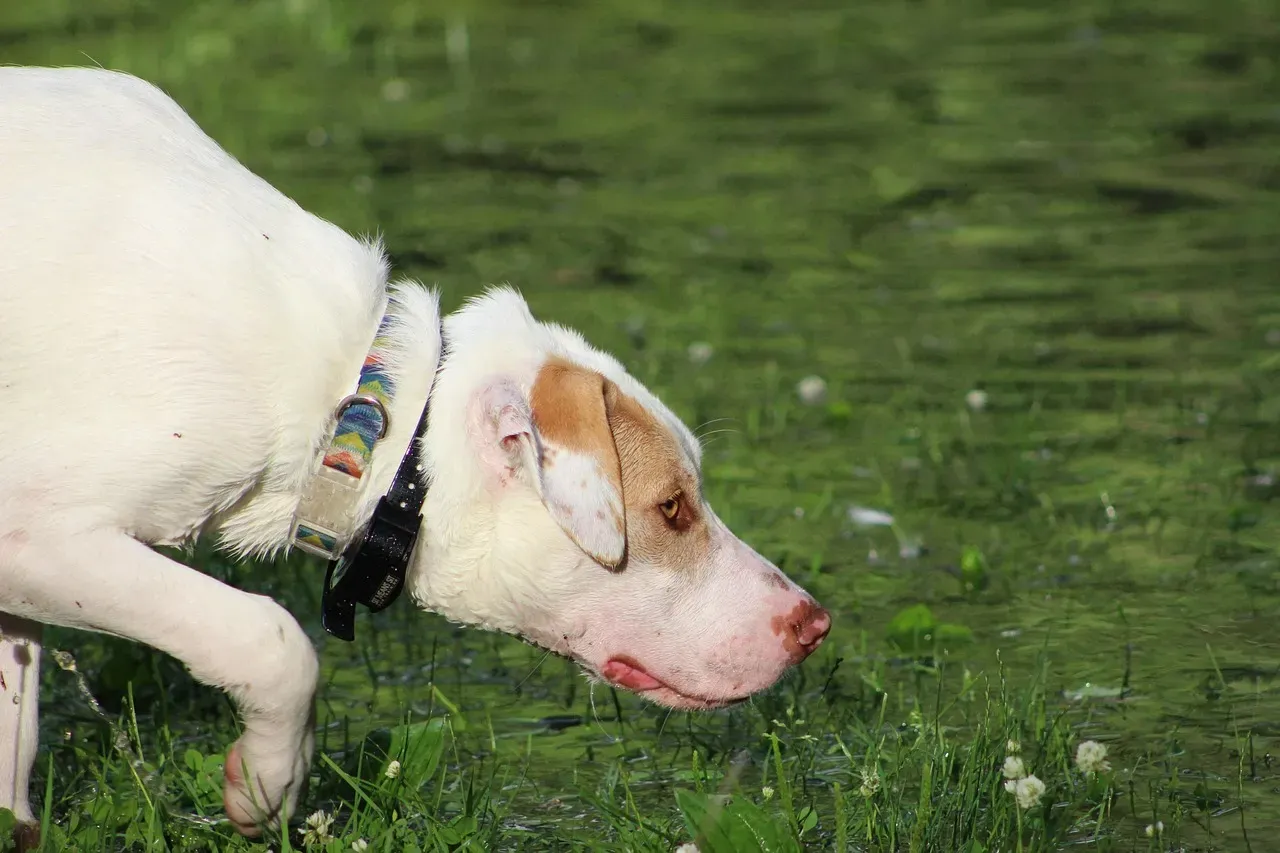
Dogs lower their heads and track a scent line across the floor that leads nowhere obvious. Their nose works methodically, pausing at certain points before continuing. The path sometimes circles furniture or leads straight into a wall.
Once the trail ends the dog may sit and watch the spot or return to it later. This careful investigation differs from casual sniffing during walks. The focused effort suggests the dog treats the scent as worth monitoring closely.
Positioning Themselves Between You and Empty Space
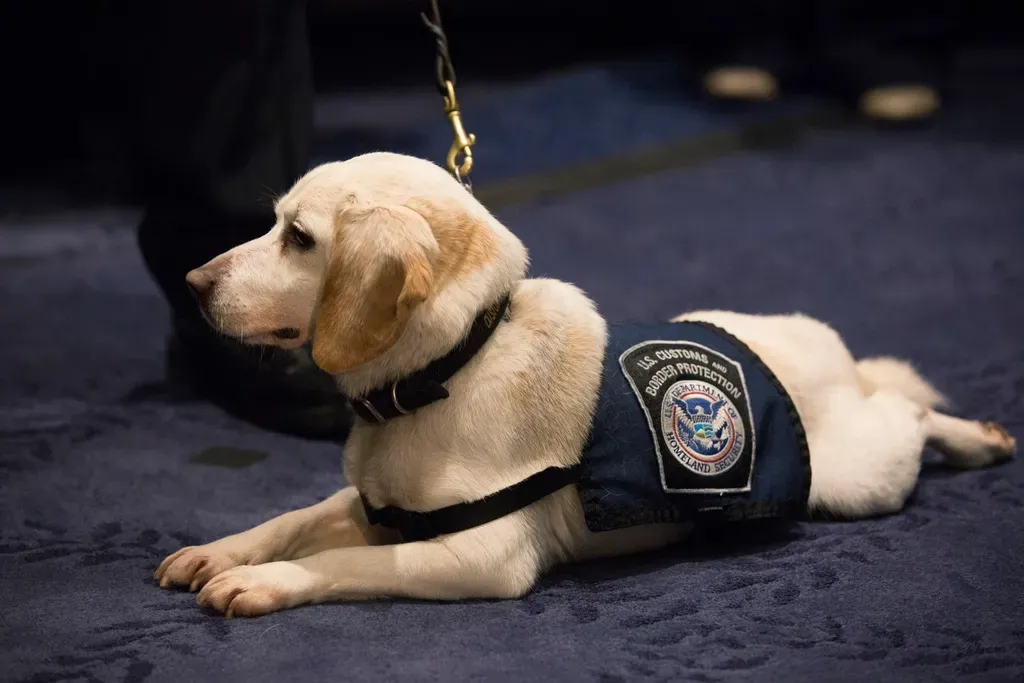
A dog will step in front of its owner and face an open area of the room without any visible reason. The stance blocks access while the dog remains alert. This protective placement happens even when the space looks harmless.
The dog stays in position until the person moves or the moment passes. Owners often feel the shift in the dog’s attention before noticing anything themselves. The action feels deliberate, as though the dog has assigned itself a guard role.
Sniffing the Air in Sharp, Repeated Bursts
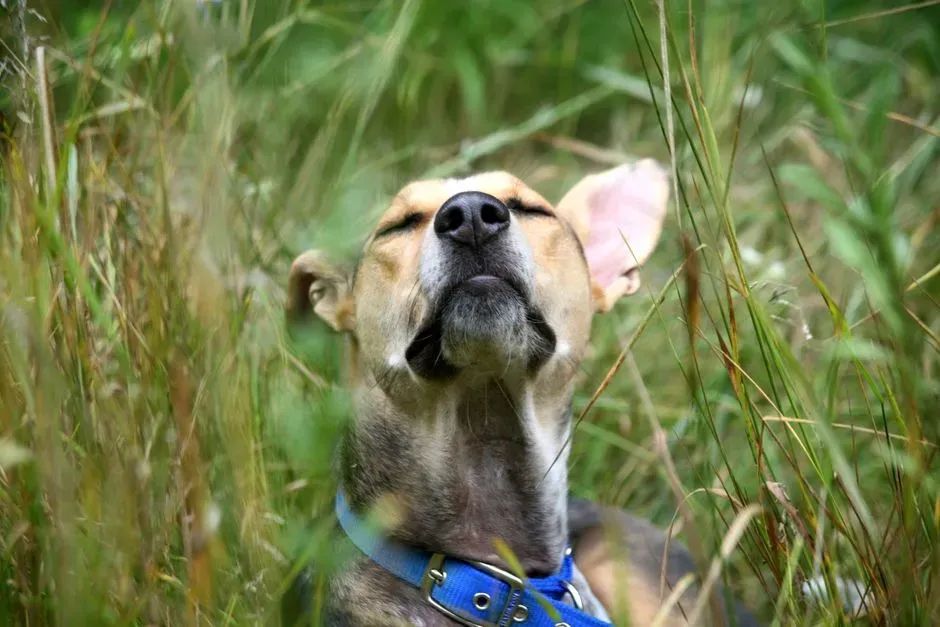
Quick, forceful sniffs directed upward or toward a corner show the dog is processing new information. The nostrils flare and the head tilts as the dog samples the air repeatedly. The behavior stops once the dog seems satisfied.
These air checks occur without any change in temperature or visible particles. The dog may then relax or move to another room after finishing. The pattern points to detection of something too faint for people to notice.
Pacing a Specific Route Without Cause
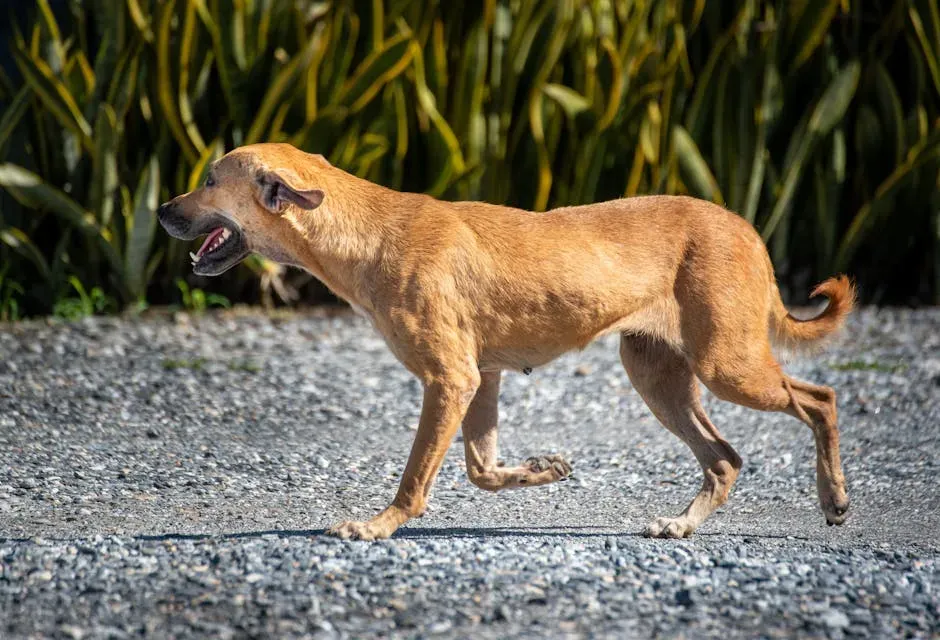
A dog walks the same short path back and forth, pausing at each end to listen or look. The route avoids furniture and stays consistent across different evenings. The movement carries purpose rather than restlessness.
After several laps the dog may lie down at a vantage point that overlooks the area. The pacing rarely happens during relaxed playtime. It appears tied to moments when the dog feels the need to monitor boundaries.
Refusing to Enter Certain Rooms or Areas
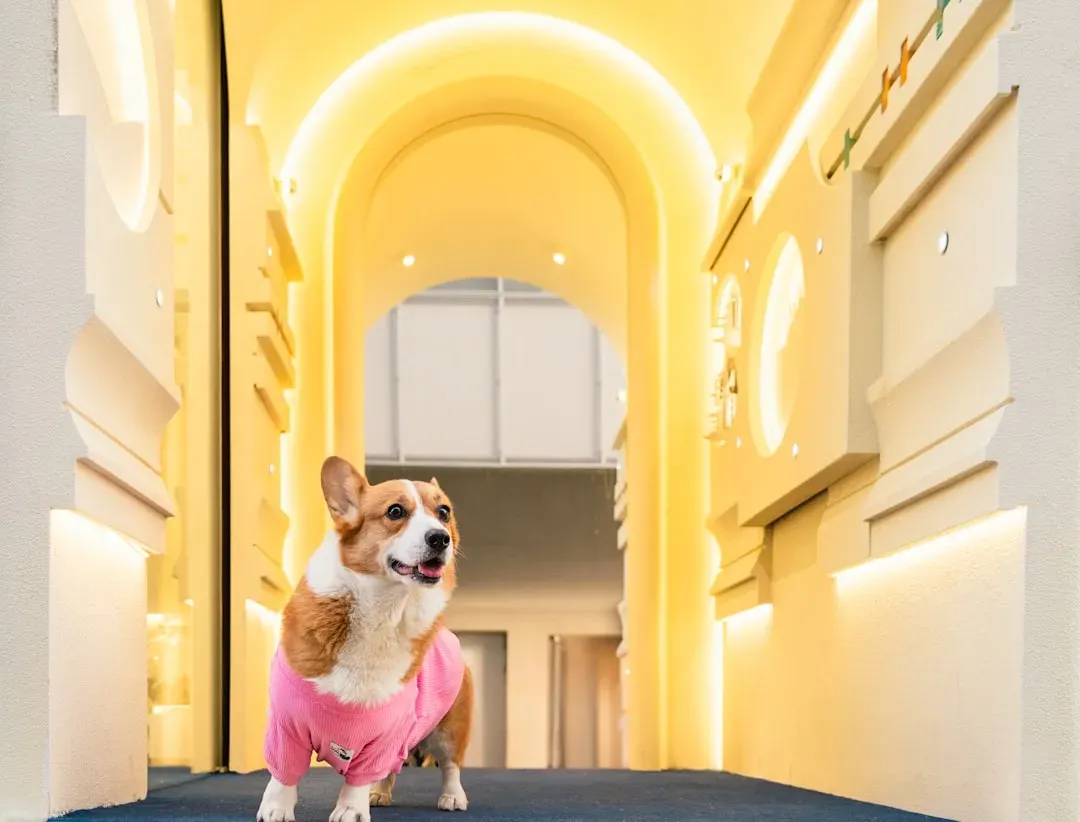
A normally curious dog will stop at the threshold of a room and refuse to cross. The hesitation lasts until the person enters first or the dog feels reassured. This avoidance can appear suddenly in familiar spaces.
The dog may whine or circle outside the room instead of going in. Once inside the dog stays close to the exit or to its person. The reluctance suggests the space carries an unseen quality the dog prefers to avoid.
Sudden Head Tilts Toward Silent Spots
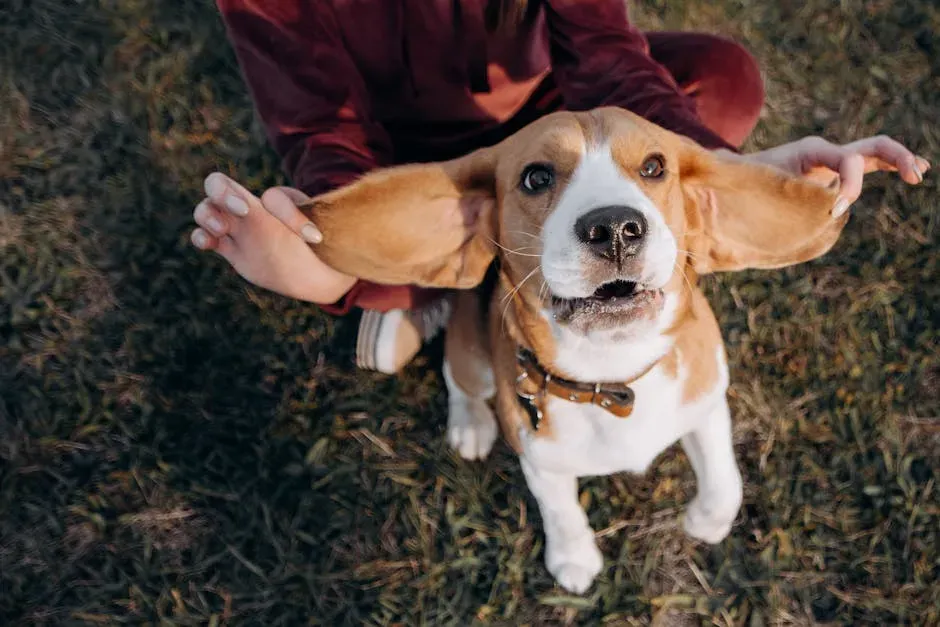
A quick head tilt toward a quiet corner or ceiling shows the dog registering a sound outside human range. The ears swivel and the body stills completely during the moment. The tilt lasts only seconds before the dog returns to normal.
These micro-reactions happen multiple times in one evening without any external trigger people can identify. The dog may follow the tilt with a soft huff or continued watching. The pattern reveals how finely tuned canine hearing remains even in calm settings.
Whining Softly While Staring at Nothing
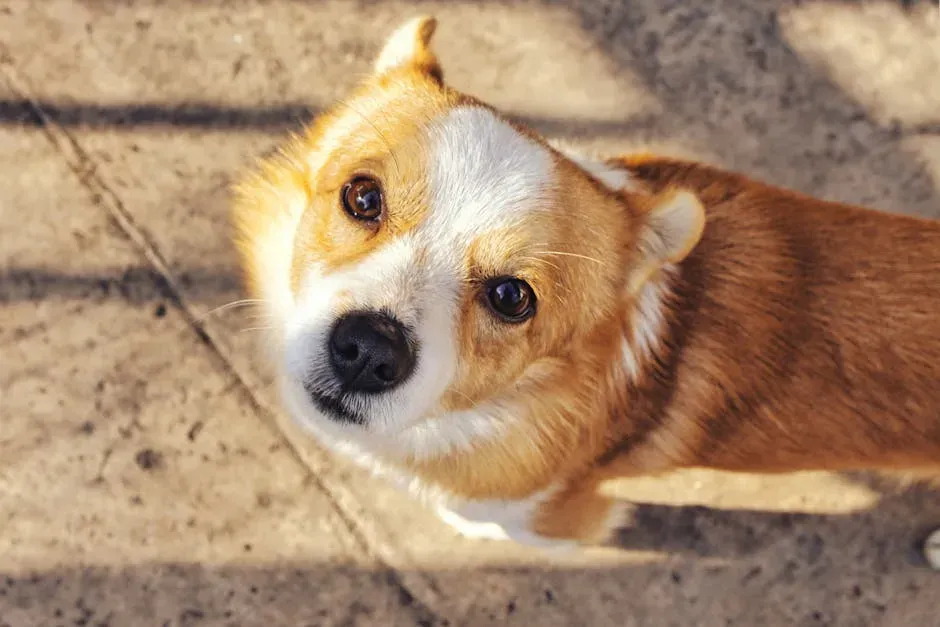
A low whine paired with a fixed gaze communicates concern rather than demand for attention. The sound stays quiet and steady, almost like the dog is thinking out loud. The eyes stay locked on one point in the room.
The whining stops when the dog decides to move closer to its person or when the moment passes. Owners learn to recognize the tone as different from boredom or hunger. The vocalization feels like an attempt to share information about an unseen presence.
Circling and Sniffing One Spot Repeatedly
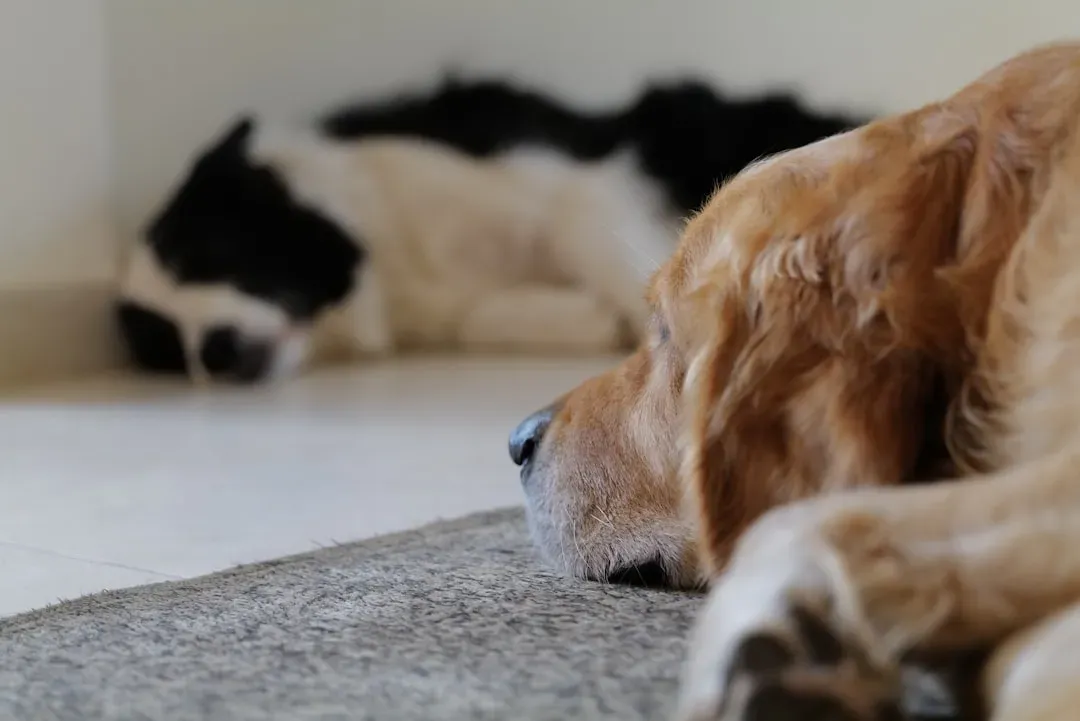
A dog returns to the same patch of floor or rug and circles it several times before settling. Each pass includes careful sniffing and occasional pauses. The ritual repeats even when the area looks unchanged.
After circling the dog may lie down facing outward as if keeping watch. The behavior stands out because it occurs without any toy or treat involved. It suggests the dog is marking or monitoring a boundary only it perceives.
Alert Scanning of the Room From a High Vantage
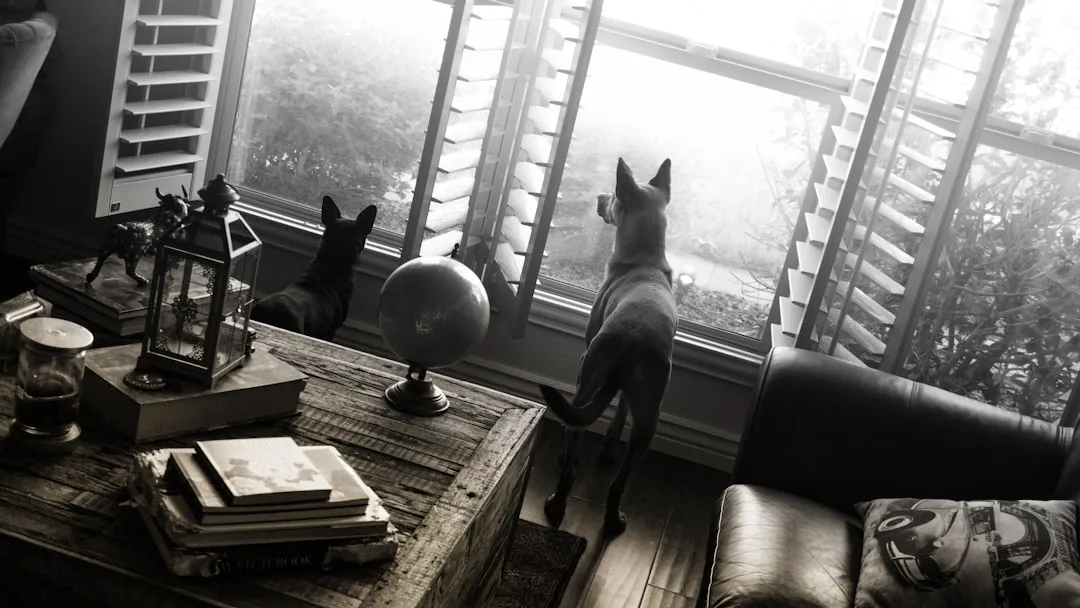
From a raised spot like a couch or bed the dog sweeps its gaze across the entire room in slow arcs. The head moves methodically while the body stays still. The scan covers areas the dog normally ignores during play.
Once the sweep finishes the dog may relax or repeat the scan minutes later. The vantage point gives a wider view that seems intentional. Owners notice the dog chooses elevated spots specifically during these quiet checks. Dogs have guarded people long before homes had locks or lights. Their reactions to the unseen remind us how much of the world stays hidden from our senses alone. Paying attention to these quiet signals can deepen the bond and the sense of safety they already provide.


