
Labrador Retriever
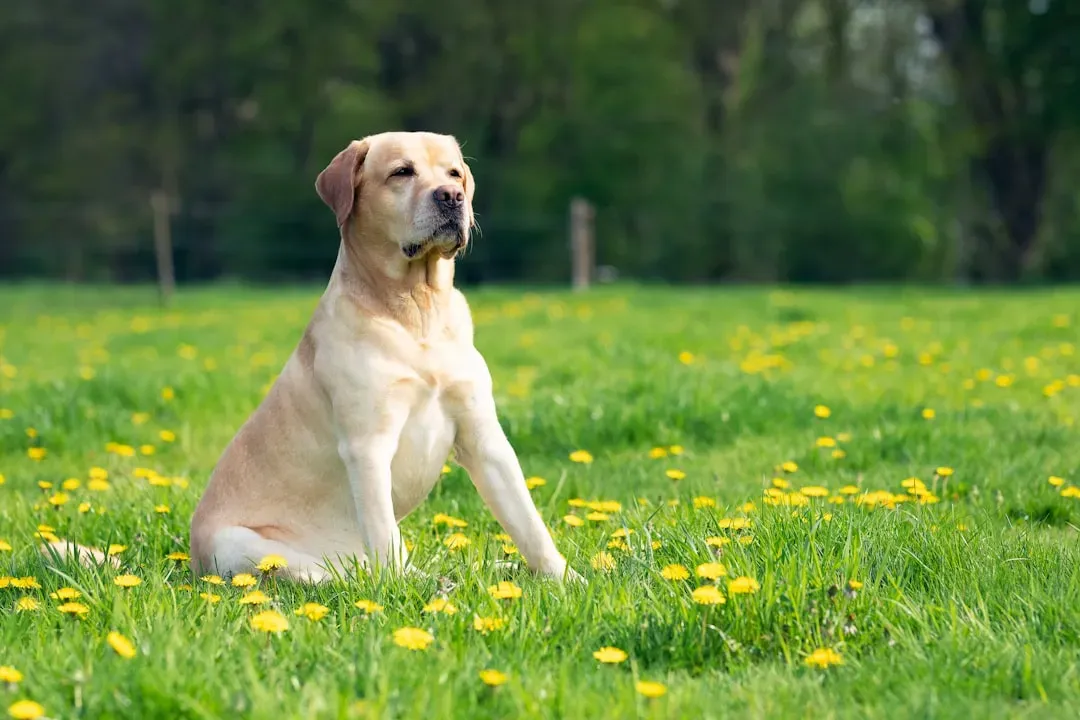
Labradors have long been trusted in roles that demand calm reading of human cues, from therapy work to search and rescue. Their willingness to stay close during stressful moments often feels instinctive rather than trained. Owners frequently describe them as dogs that slow down when a person is tired and perk up when energy returns.
This breed tends to form strong attachments without becoming overly clingy. They notice small changes in routine and respond with gentle persistence rather than dramatic displays. That balance keeps them reliable companions across different households and lifestyles.
Golden Retriever
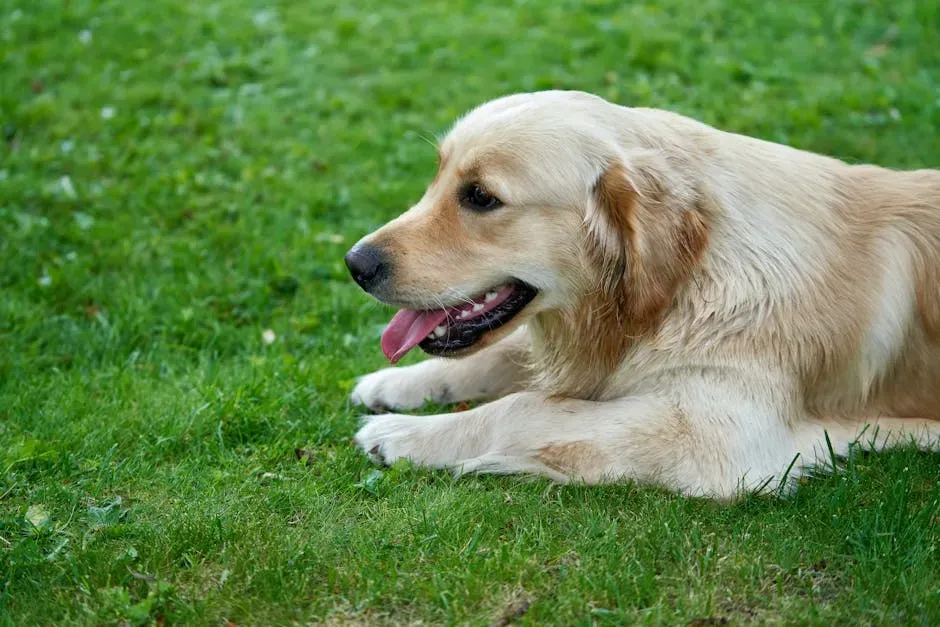
Goldens carry a reputation for warmth that goes beyond their friendly faces. They often position themselves near family members who seem withdrawn, offering quiet company instead of demanding attention. Their patience shows up in everyday settings, whether waiting through a long workday or sitting through a difficult conversation.
Many handlers note how quickly these dogs learn individual preferences, from favorite resting spots to the tone that signals playtime versus rest. That attentiveness makes them easy to live with even when schedules change unexpectedly. Their steady nature helps them fit into both active and quieter homes.
Border Collie
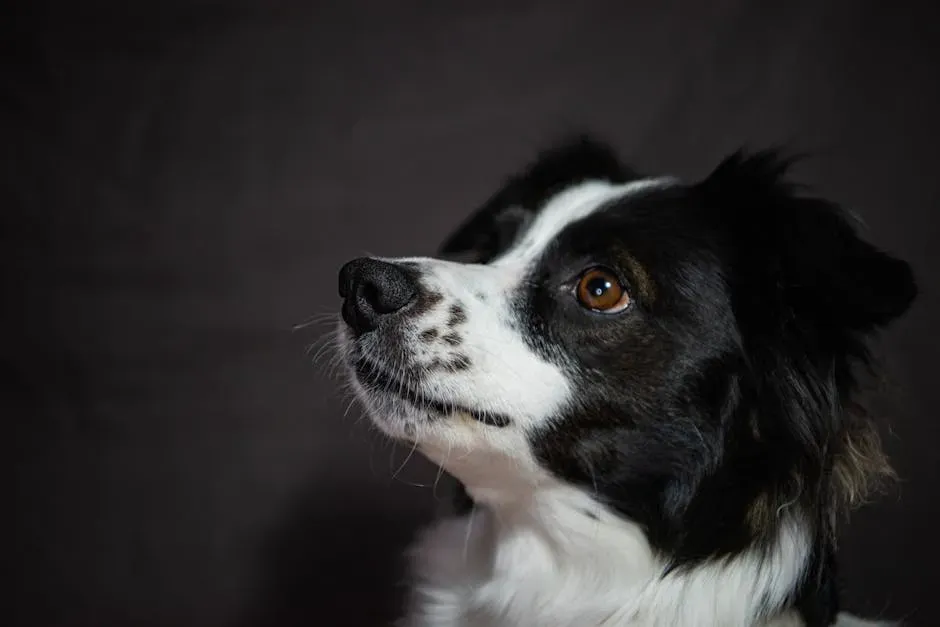
Border Collies bring sharp focus to emotional signals as well as physical ones. They watch faces closely and adjust their energy to match the person in front of them. This trait shows up in herding work but translates just as clearly to home life when they sense tension or excitement.
Their intelligence allows them to pick up on subtle shifts that other dogs might miss. Owners often find these dogs anticipate needs, such as bringing a toy during low moments or settling down when rest is required. That level of awareness can make daily interactions feel unusually connected.
Poodle
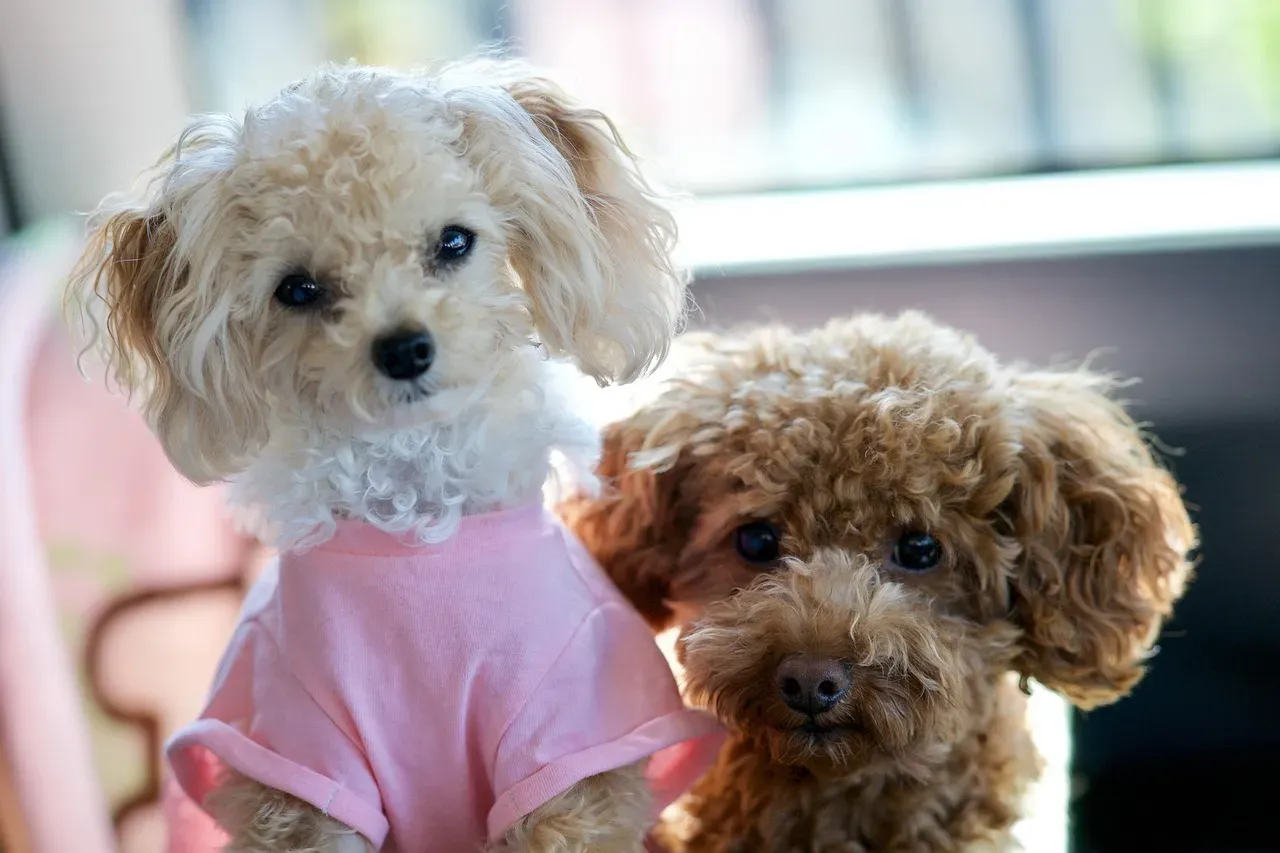
Poodles combine alertness with a surprising amount of emotional sensitivity. They tend to stay near people who appear upset and offer physical closeness without overwhelming them. Their quick learning extends to reading household rhythms and responding accordingly.
Because they come in different sizes, the breed adapts well to varied living situations while keeping the same core attentiveness. Many families report that poodles seem to mirror moods, growing calmer when the room quiets and more playful when spirits lift. This adaptability keeps them engaging companions over many years.
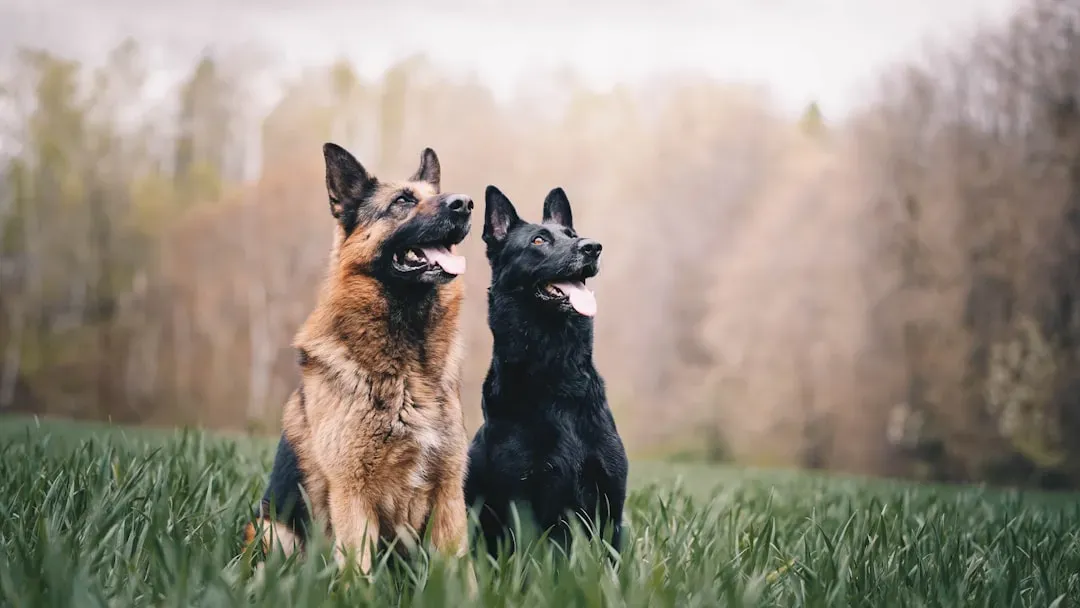
German Shepherd
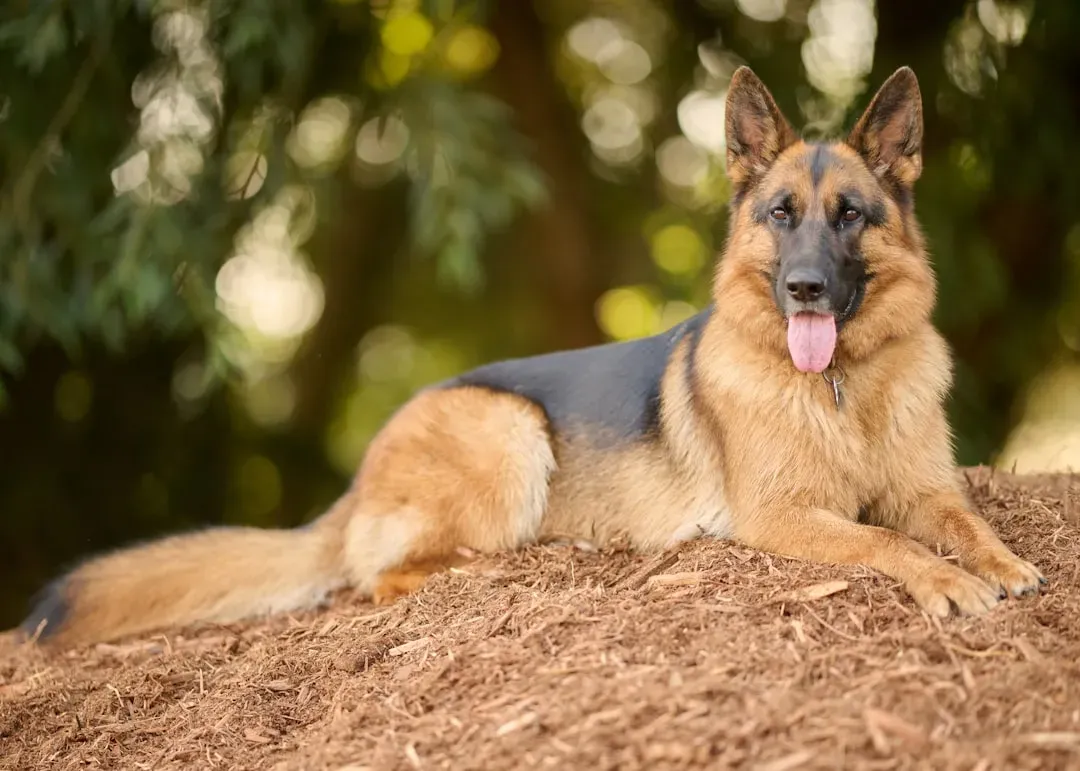
German Shepherds are often seen as serious workers, yet they also display notable sensitivity to their handlers. They pick up on stress through posture and tone, then offer steady presence rather than added pressure. That protective instinct includes emotional guarding as much as physical safety.
Their loyalty shows in consistent behavior across changing circumstances. Handlers describe dogs that remain composed during family transitions or personal setbacks. This reliability makes them suitable for roles that require both strength and quiet understanding.
Cavalier King Charles Spaniel

Cavaliers bring a gentle attentiveness that suits smaller living spaces and varied routines. They often seek out lap space during quiet evenings and stay nearby during busier times without demanding constant interaction. Their soft approach to companionship appeals to people who value calm presence.
This breed tends to notice when someone feels under the weather and responds with patient closeness. Owners appreciate how little training is needed for them to fit into emotional rhythms of a household. Their affectionate nature feels consistent rather than overwhelming.
Australian Shepherd
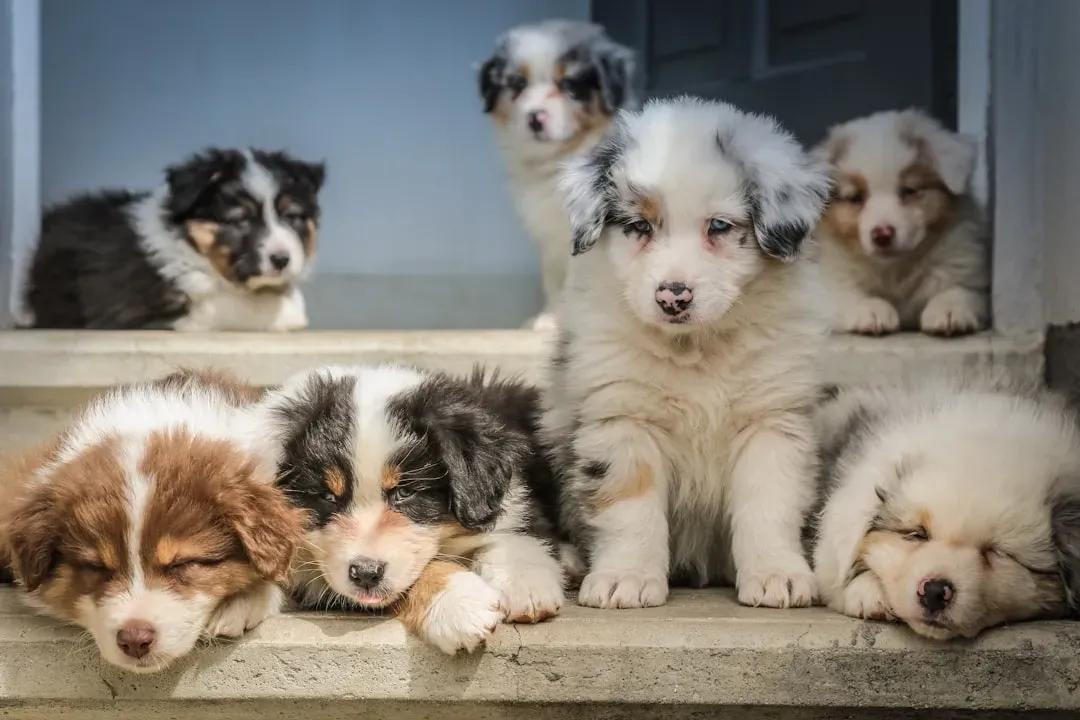
Australian Shepherds combine high energy with strong people focus. They watch for cues about when to engage and when to give space, which helps them thrive in active families. Their herding background translates into an ability to keep track of multiple household members at once.
Many owners observe that these dogs adjust their play style based on the mood around them. A tired child might receive gentler nudges, while an energetic adult gets more vigorous interaction. That flexibility keeps them interesting companions without becoming exhausting.
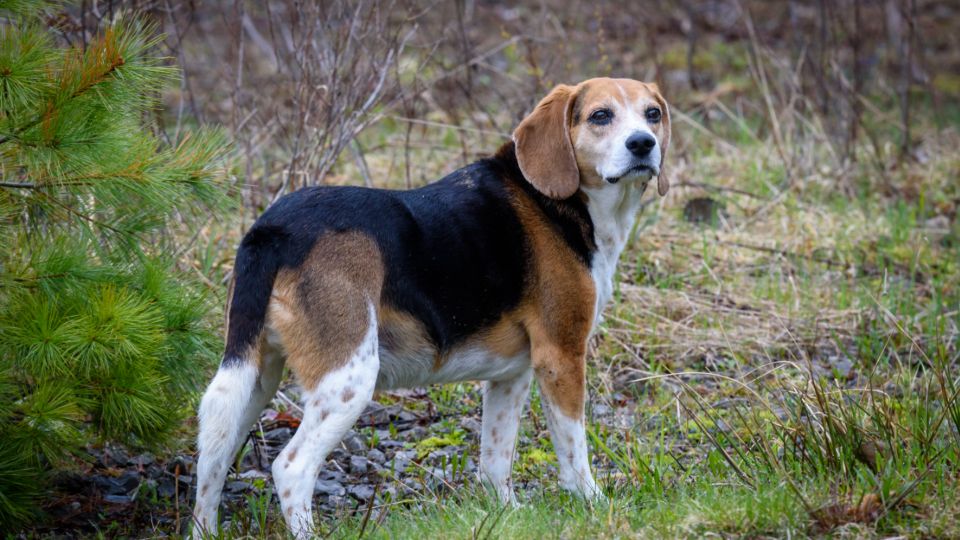
Beagle
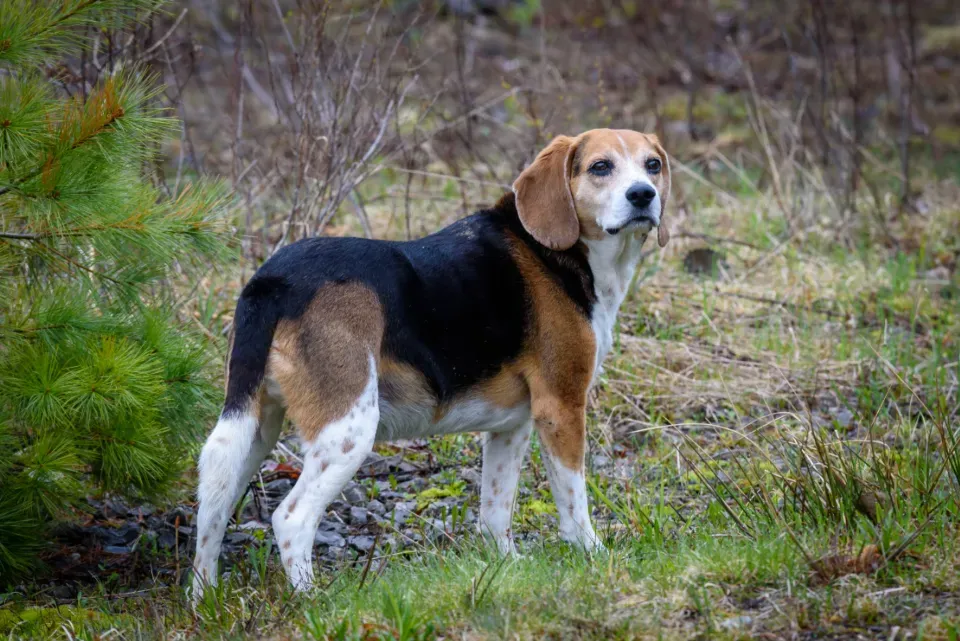
Beagles bring curiosity and a nose for emotional undercurrents. They often check in with different family members throughout the day, sensing who needs a moment of company. Their sociable streak makes them quick to notice when someone feels left out.
Despite their independent streak in the field, beagles at home show steady loyalty to the people they know best. They respond to tone changes with tail wags or quiet sitting, offering small comforts that add up over time. This blend of independence and affection suits households that value both space and connection.
Why These Breeds Stand Out
Each of these dogs brings a different flavor of emotional awareness shaped by their history and temperament. Some lean toward quiet support while others offer more active engagement. The common thread is an ability to stay tuned in without constant direction from their people.
Choosing one of these breeds often means gaining a companion who notices more than commands given. That extra layer of connection can turn ordinary days into something steadier and more shared. The result feels less like having a pet and more like living alongside another perceptive presence.


