
Labrador Retriever
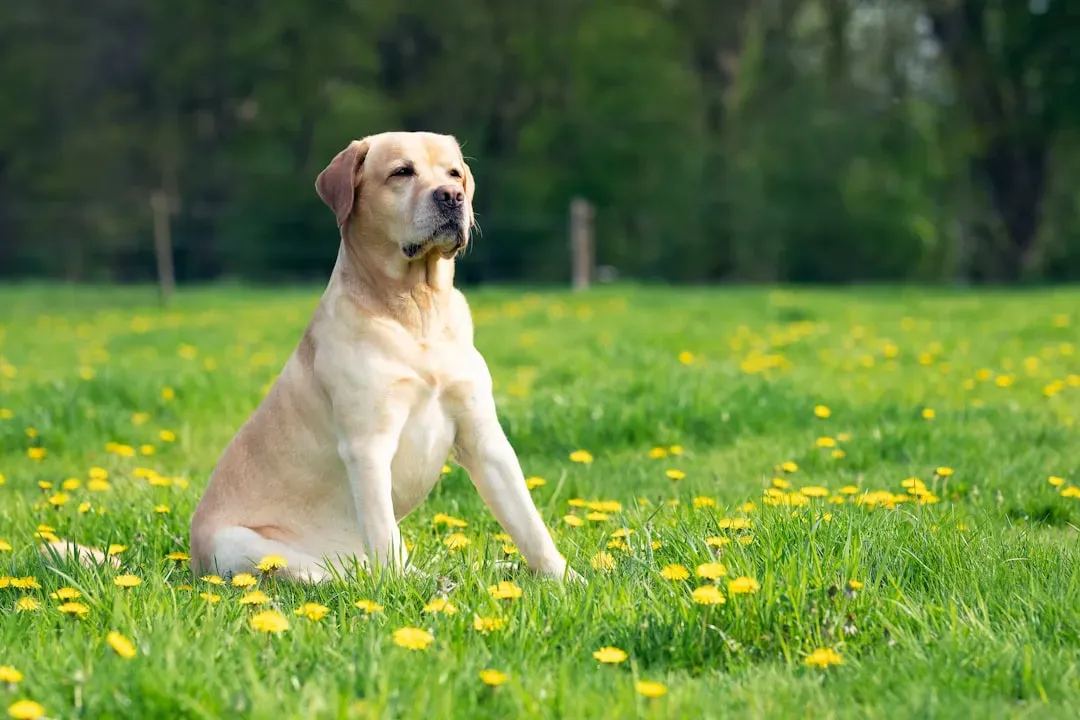
Labrador Retrievers have long been favorites in households where steady affection matters most. Their even temperament helps create a predictable presence that many older adults appreciate during quieter days. These dogs often settle easily beside a favorite chair and respond well to gentle routines like short walks or simple games of fetch.
Therapists note that Labs tend to mirror the calm energy around them, which can ease feelings of isolation without demanding constant activity. Their loyalty shows up in small ways, such as following their person from room to room. This breed also adapts readily to different living spaces, from apartments to homes with yards.
Golden Retriever
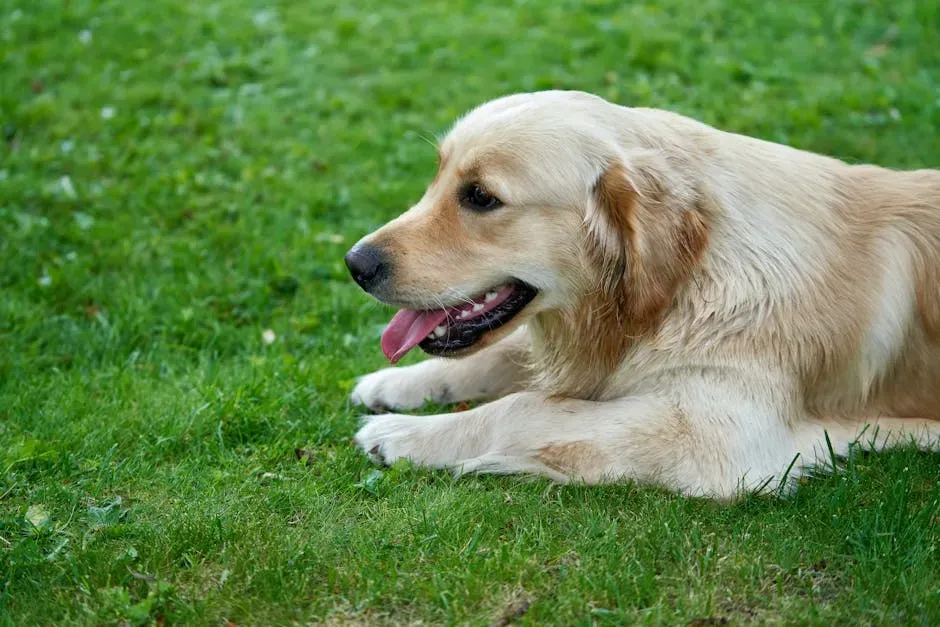
Golden Retrievers bring a warm, patient quality that fits well with slower daily rhythms. They often enjoy quiet time on the couch as much as brief outings, making them easy companions for those who prefer relaxed schedules. Their soft coats invite petting, which many people find soothing during moments of stress or reflection.
These dogs usually form strong bonds quickly and show it through consistent, low key affection rather than high energy displays. Therapists observe that Goldens can help encourage light movement through short walks without overwhelming their owners. Their friendly nature also makes visits from family or friends feel more welcoming.
Cavalier King Charles Spaniel
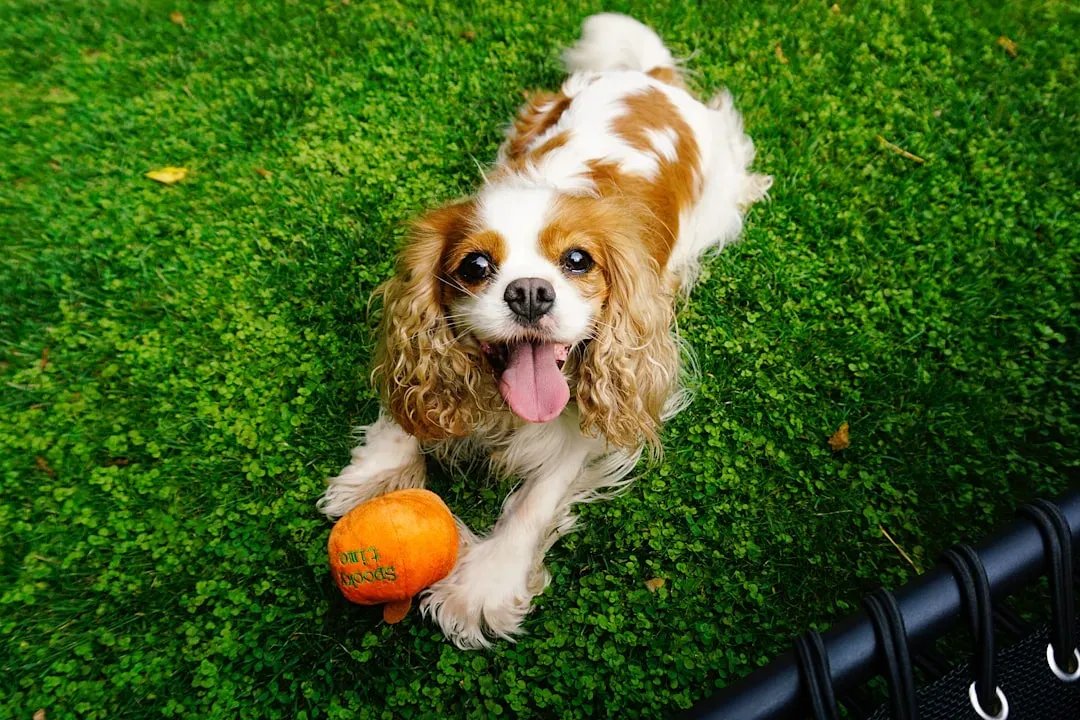
Cavalier King Charles Spaniels are small enough to share a lap yet sturdy enough for gentle companionship. Their affectionate personalities often shine through in quiet moments, where they seem content simply to stay close. This breed tends to thrive on human contact and responds well to a steady voice or soft touch.
Many therapists highlight how Cavaliers adapt to indoor living with minimal fuss, which suits apartments or smaller homes. They rarely require intense exercise, preferring instead a few short strolls or play sessions each day. Their expressive eyes and gentle demeanor can provide a comforting presence during evenings at home.
Beagle
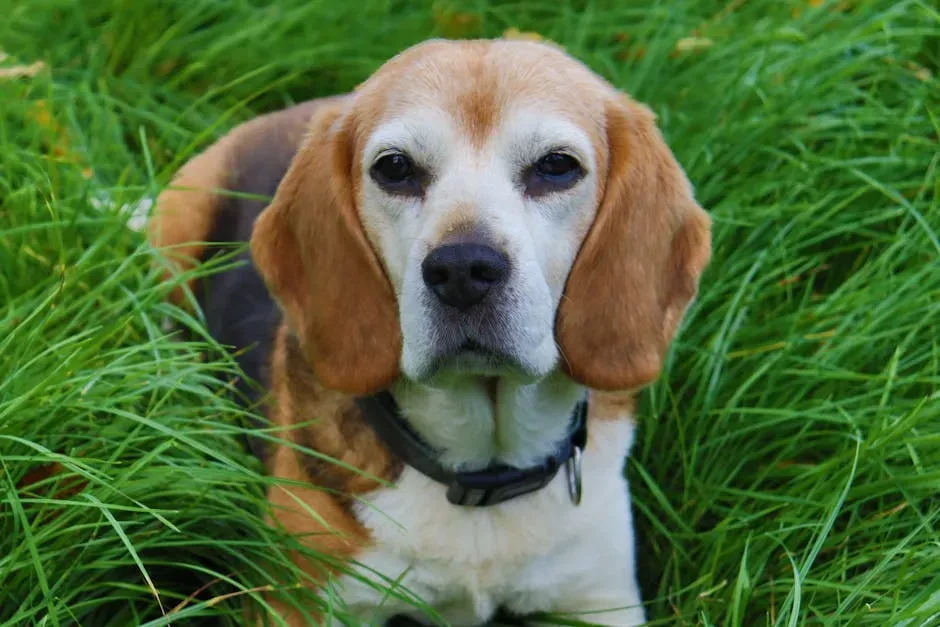
Beagles offer a cheerful yet manageable energy that many older adults find uplifting without being exhausting. Their curious nature often leads to enjoyable, low pressure explorations during neighborhood walks. These dogs usually settle happily once back indoors and enjoy curling up near their person.
Therapists point out that Beagles respond well to consistent routines, which can bring structure to days that might otherwise feel unstructured. Their moderate size makes them easy to handle, and their friendly outlook tends to lift spirits during ordinary moments. A Beagle often becomes a reliable source of lighthearted company over time.
Pug
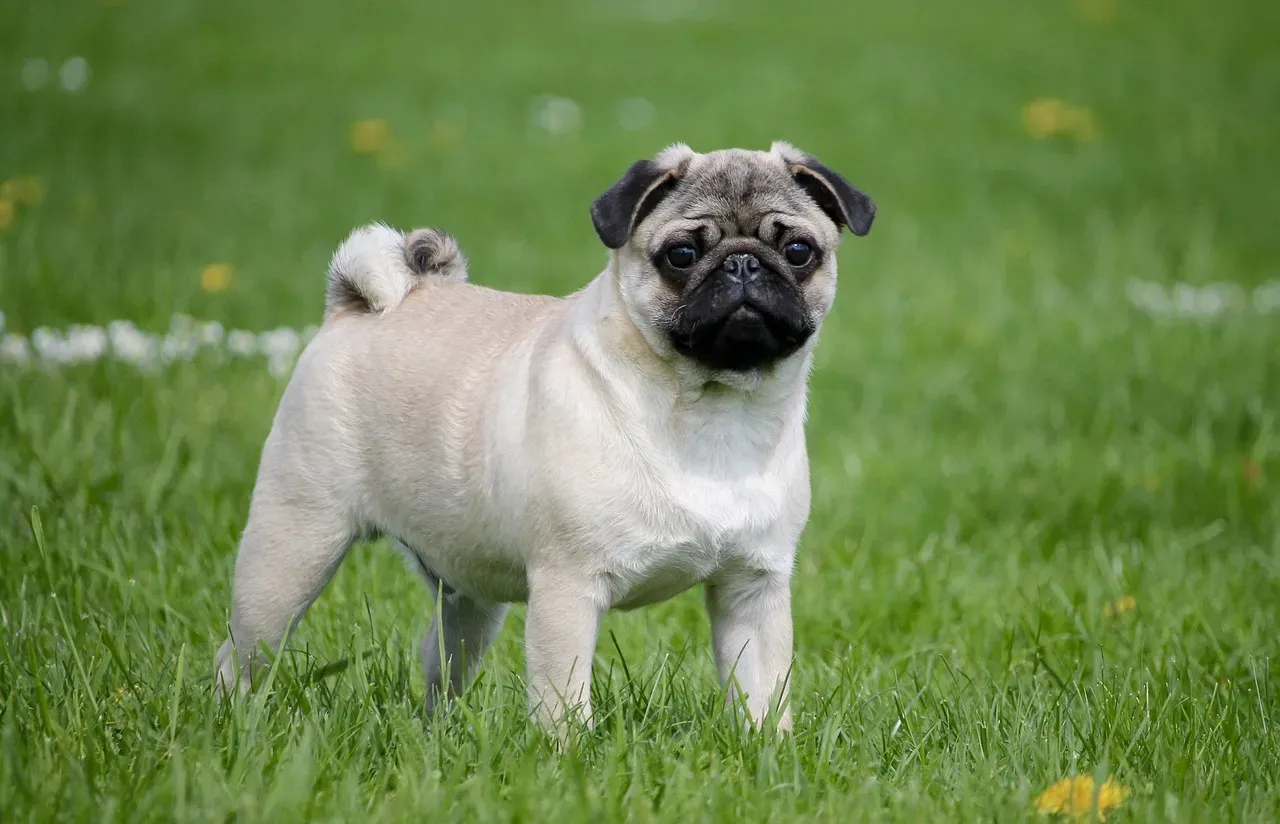
Pugs bring a compact, affectionate presence that fits neatly into many senior lifestyles. They tend to prefer short bursts of activity followed by long periods of rest, aligning well with varied energy levels. Their expressive faces and playful snorts often add a touch of humor to daily life.
These dogs usually bond closely and show it by staying nearby throughout the day. Therapists note that Pugs adapt easily to apartment living and require only modest exercise, such as brief walks around the block. Their loyal nature makes them steady companions during both active and restful hours.
Shih Tzu
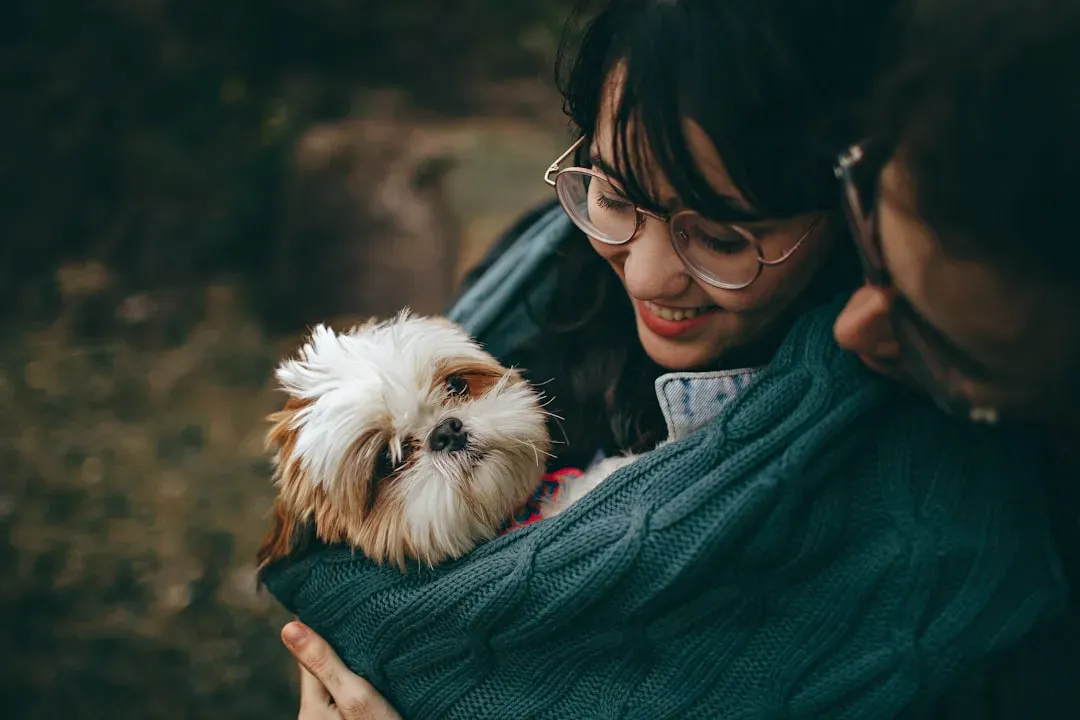
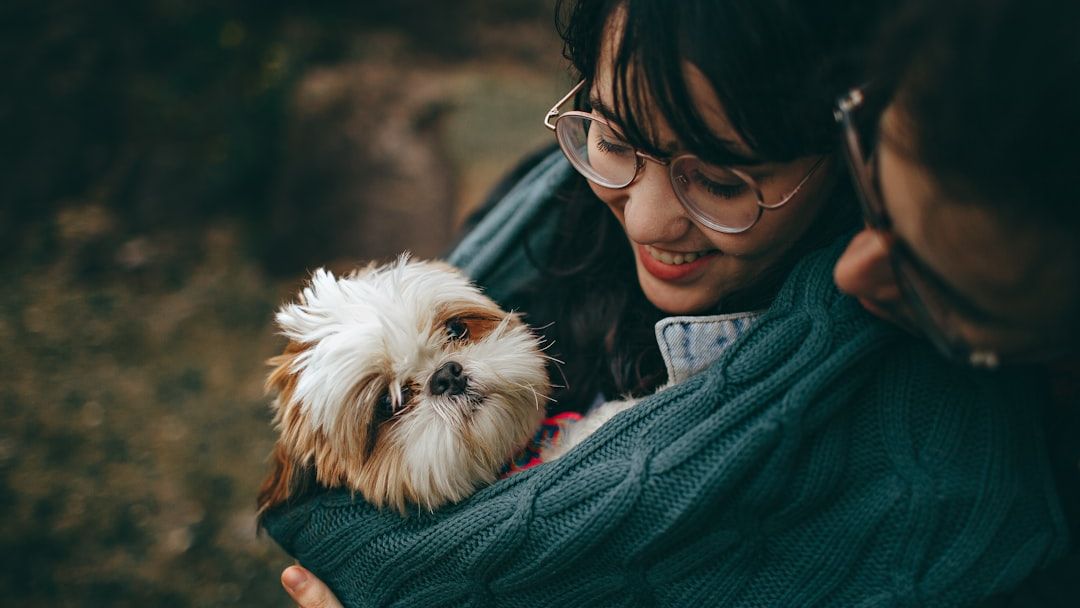
Shih Tzus are known for their calm demeanor and preference for close human contact. They often enjoy being held or sitting beside their owner, which can create comforting moments of connection. This breed tends to have lower exercise needs, making them suitable for those who move at a gentler pace.
Therapists frequently mention how Shih Tzus bring a quiet steadiness to the home without adding pressure for long outings. Their small size allows them to travel easily if needed, and their affectionate habits can help ease feelings of loneliness. Many owners appreciate the breed’s adaptable and even tempered personality.
Bichon Frise
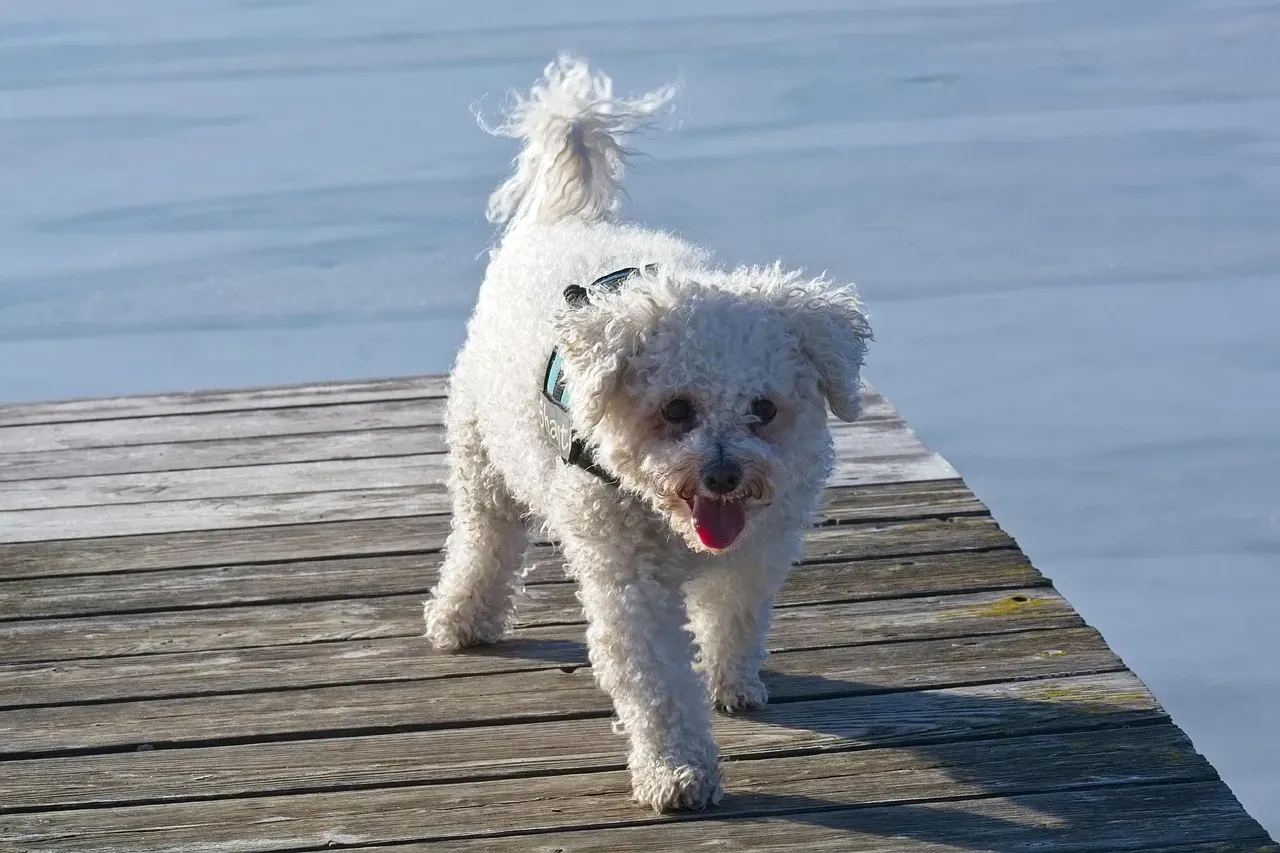
Bichon Frises carry a cheerful disposition wrapped in a small, fluffy package. They usually enjoy short play sessions and then settle contentedly for the rest of the day. Their friendly outlook often makes them quick to bond with their primary caregiver.
These dogs adapt well to indoor environments and require only moderate grooming to stay comfortable. Therapists observe that Bichons can encourage light social interaction through their approachable nature during visits or walks. Their size and temperament make them a low maintenance source of steady companionship.
French Bulldog
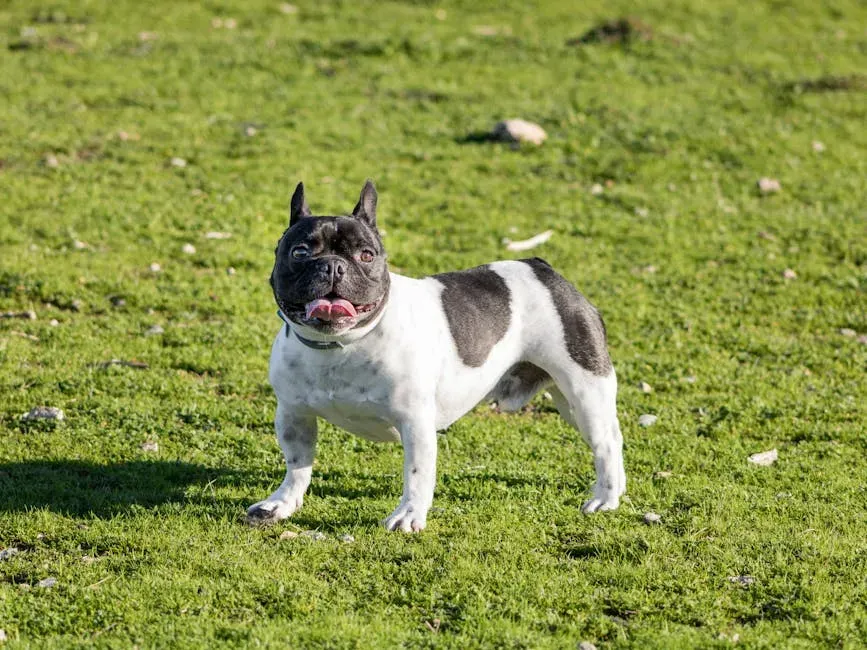
French Bulldogs offer a sturdy yet compact build that many older adults find easy to manage. They tend to prefer relaxed indoor time over vigorous activity, which matches well with slower daily rhythms. Their affectionate habits often include leaning against a leg or curling up nearby.
Therapists note that French Bulldogs respond positively to consistent routines and gentle handling. Their moderate exercise needs usually involve short walks or indoor play, keeping things simple. This breed often becomes a quiet anchor in the home, providing presence without added demands. A thoughtful choice of companion can quietly reshape how days unfold for many adults over 60. These eight breeds stand out because they meet people where they are, offering comfort through presence rather than performance. In the end, the best dog is the one whose natural rhythm feels like an extension of your own.


