
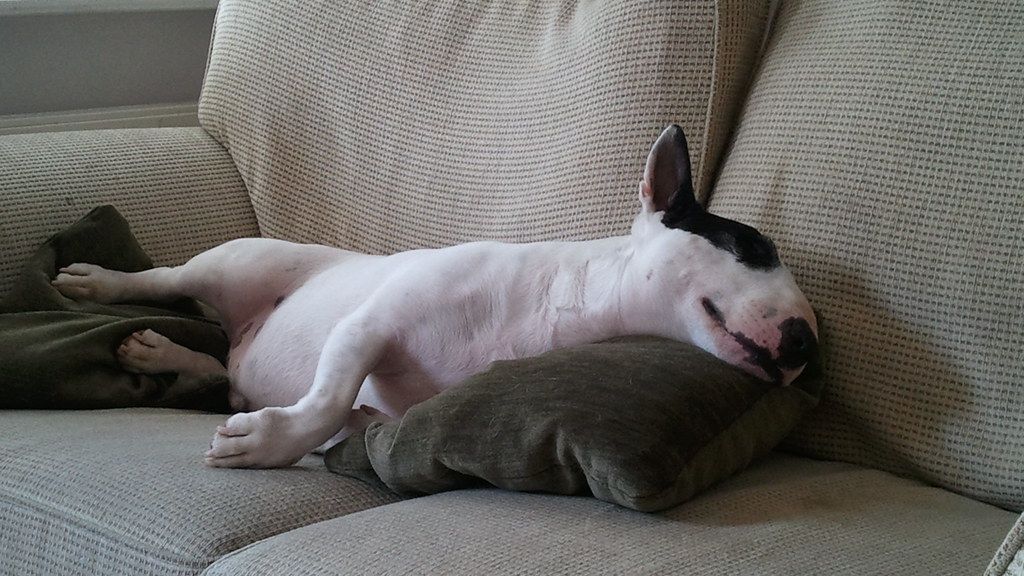
Watch a dog settle into sleep and the scene often feels ordinary at first. Their breathing slows, muscles loosen, and the room grows quiet. Yet small movements soon appear, hints that something more is unfolding behind those closed eyes.
These moments spark curiosity because they seem to echo the best parts of a dog’s day. Researchers note that dogs experience REM sleep much like people do, complete with brain activity that replays experiences. The result is a window into what might count as their happiest memories, expressed through simple physical cues.
Subtle Paw Twitches
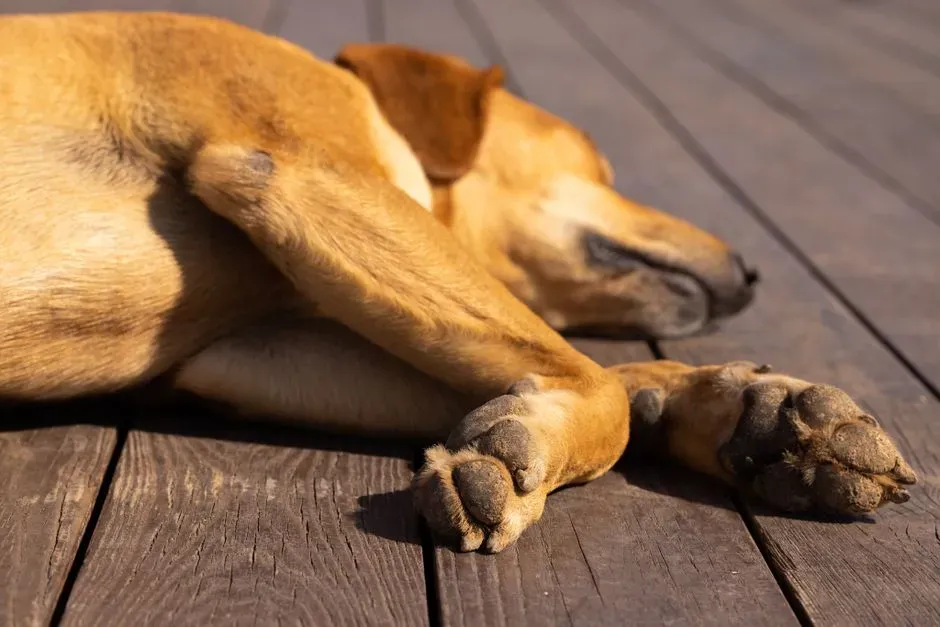
Dogs often show quick, rhythmic twitches in their front paws during deeper sleep stages. These motions tend to appear when the animal has spent the day chasing balls or exploring new scents outdoors. The movement stays gentle, almost as if the paws are still reaching for something just out of reach.
Owners notice the pattern repeats after especially active afternoons filled with play. The twitches rarely last long, yet they return night after night in dogs that enjoy regular exercise. Such signs point to stored memories of movement and discovery rather than stress or discomfort.
Soft Whimpers or Yips
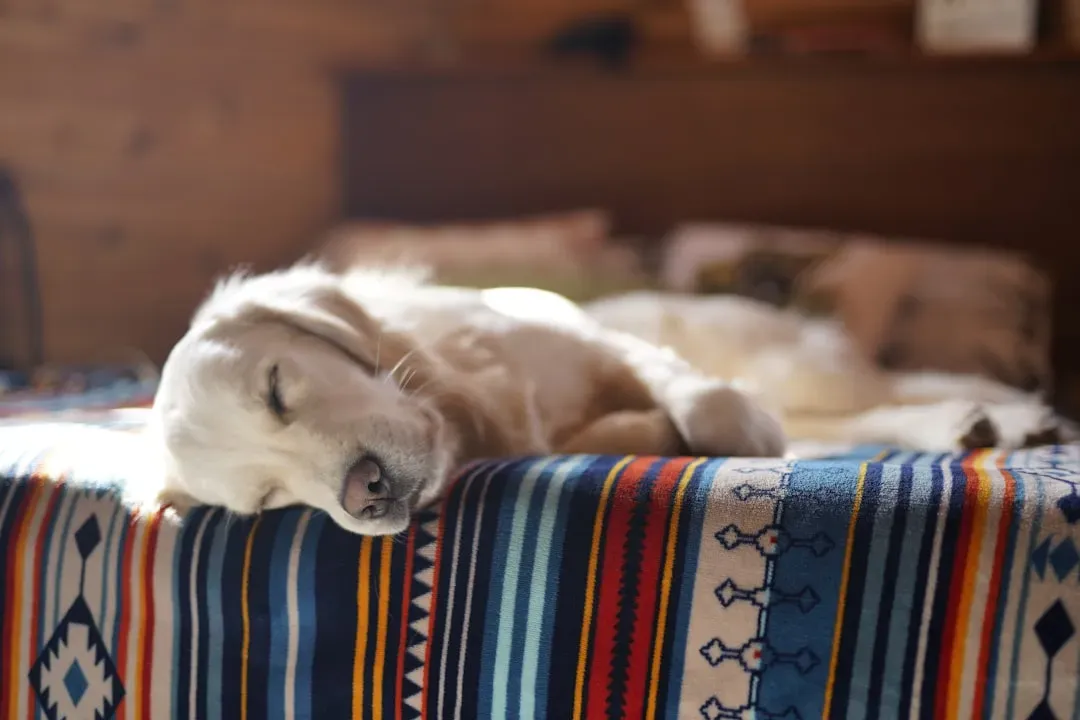
A faint whimper can slip out while a dog rests, sometimes paired with a short yip that sounds almost joyful. These sounds surface most often in pets that share strong bonds with their families and receive plenty of attention during waking hours. The vocalizations stay brief and lack the urgency heard during actual distress.
They tend to follow days heavy with social interaction, such as visits from friends or extended cuddle sessions on the couch. The noises suggest the brain is revisiting moments of connection and affection. Over time, owners learn to recognize the difference between these sleepy sounds and any sign of unease.
Gentle Tail Wags

Even in sleep, some dogs produce small, steady tail movements against the bedding. The motion usually stays slow and relaxed, unlike the vigorous wags seen during excited greetings. It appears more frequently in dogs that spend time outdoors or receive consistent praise for good behavior.
The wags often coincide with periods of REM sleep when brain waves mirror those recorded during positive daily events. Owners who track these patterns report they follow walks in favorite parks or successful training sessions. The tail serves as a quiet indicator that pleasant experiences are being processed again.
Rapid Eye Movements
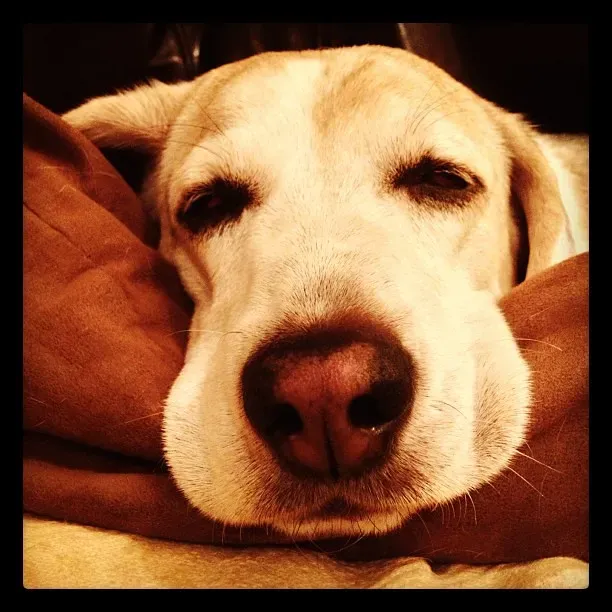
Closed eyelids sometimes flutter with quick, darting motions that last several seconds at a time. These rapid eye movements mark active dreaming phases and occur across many dog breeds. They become noticeable after days filled with new sights, smells, and interactions that keep the mind engaged.
The pattern aligns with studies showing dogs replay daily activities during sleep. Owners who observe closely often link the eye activity to recent adventures like car rides or meetings with other friendly animals. The movements remain subtle yet consistent enough to notice over repeated nights.
Occasional Leg Kicks
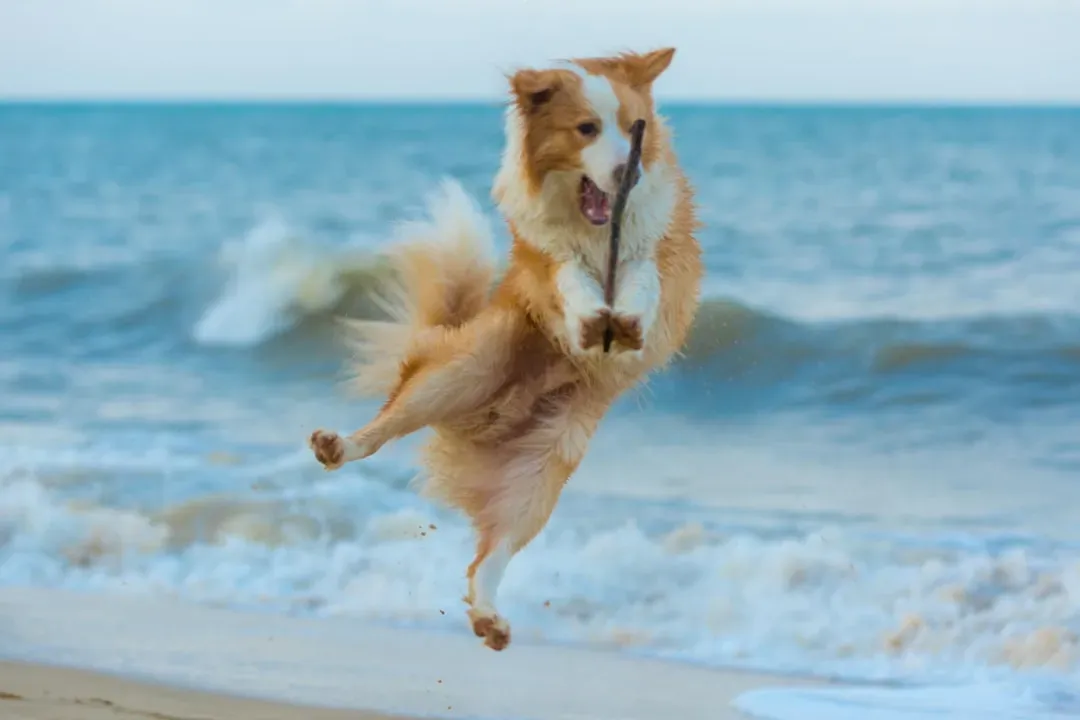
One or both hind legs may extend in a sudden kick or stretch while the dog stays otherwise still. These actions appear in animals that enjoy running or playing fetch on a regular basis. The kicks stay short and do not disturb the overall relaxed posture of the body.
They tend to follow afternoons spent in open spaces where the dog could move freely without restraint. The motion suggests the brain is revisiting sensations of speed and freedom. Many owners find the behavior endearing because it mirrors the energy the dog shows while awake and happy.
Relaxed Body Rolls or Stretches
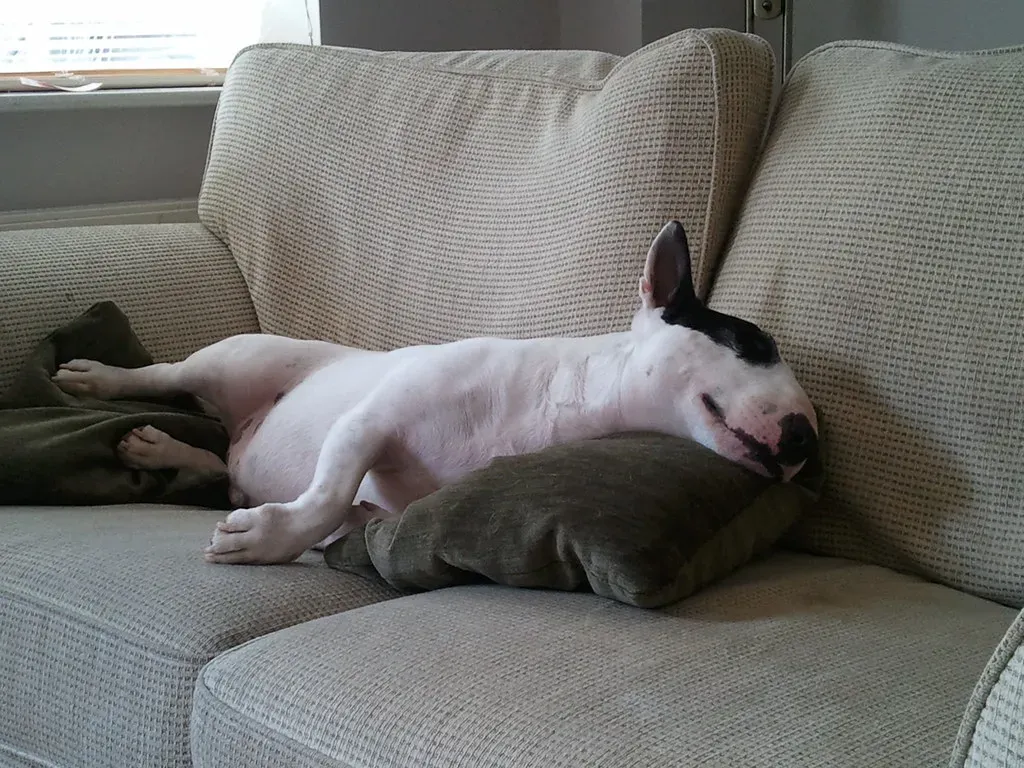
A sleeping dog sometimes rolls onto its back or extends its limbs in a slow stretch before settling again. These adjustments happen most often in pets that feel secure in their surroundings and receive regular affection. The movements look comfortable rather than restless.
They frequently appear after evenings spent near family members or following meals the dog clearly enjoyed. The posture changes hint at memories of safety and satisfaction. Owners notice the rolls become more common once a consistent bedtime routine is established.
Subtle Lip or Mouth Movements
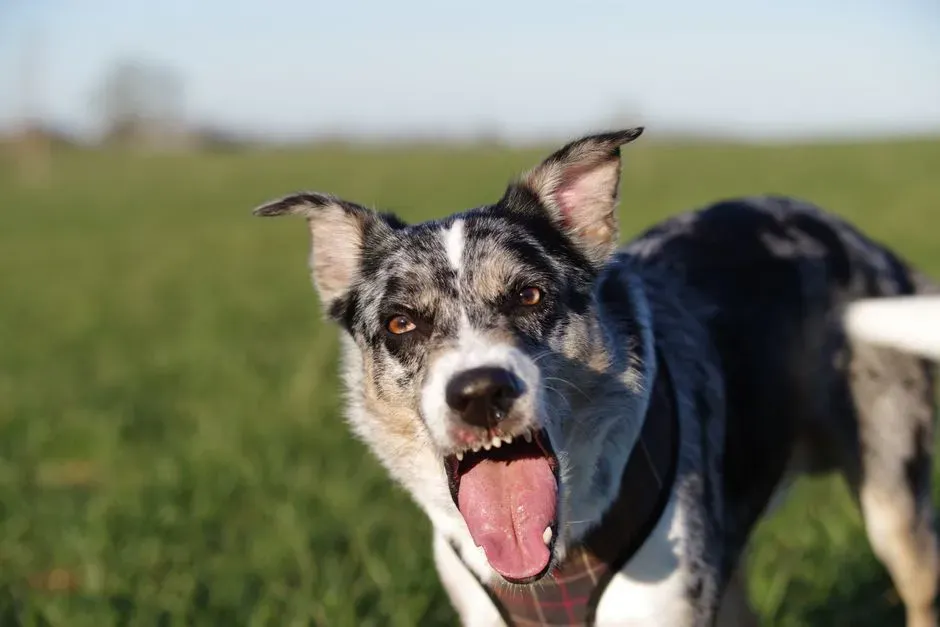
Small lip licks or slight openings of the mouth can occur without any sound. These gestures show up in dogs that associate certain foods or treats with positive moments throughout the day. The motions remain delicate and do not interrupt the steady rhythm of breathing.
They often follow days that included favorite snacks or shared meals with the household. The behavior points to the brain revisiting tastes and the comfort tied to those experiences. Over weeks, the pattern becomes familiar to attentive owners who watch their pets closely.
Deep Sighs of Contentment
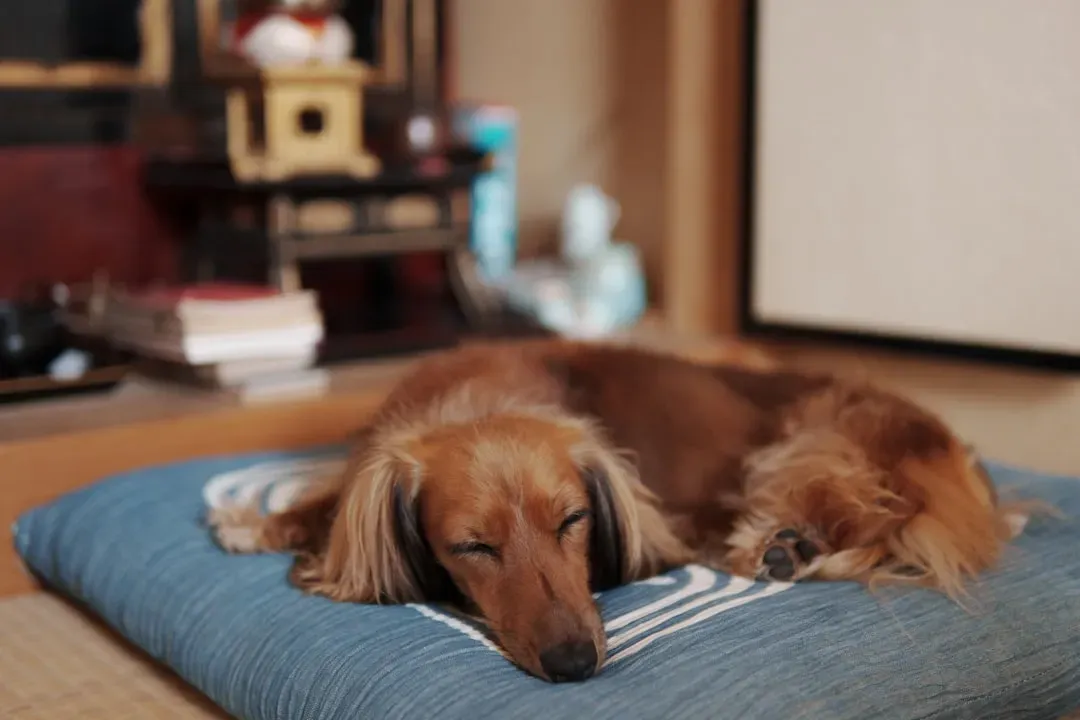
A long, slow exhale sometimes escapes during sleep, sounding almost like a sigh of relief. This breath pattern emerges in dogs that lead balanced lives with enough rest, play, and companionship. The sigh stays quiet and does not repeat in quick succession.
It tends to appear after particularly good days marked by exercise, social time, and calm evenings at home. The sound suggests the body is releasing tension while the mind lingers on rewarding memories. Many owners come to view these sighs as quiet confirmation that their dog feels secure and content.
Observing these sleep behaviors offers a gentle reminder of how much simple daily joys shape a dog’s inner world. The patterns stay consistent across healthy, well cared for pets and reflect the ordinary pleasures that fill their lives. In the end, these small signs strengthen the quiet bond between dog and owner, showing that happiness leaves traces even in rest.


