
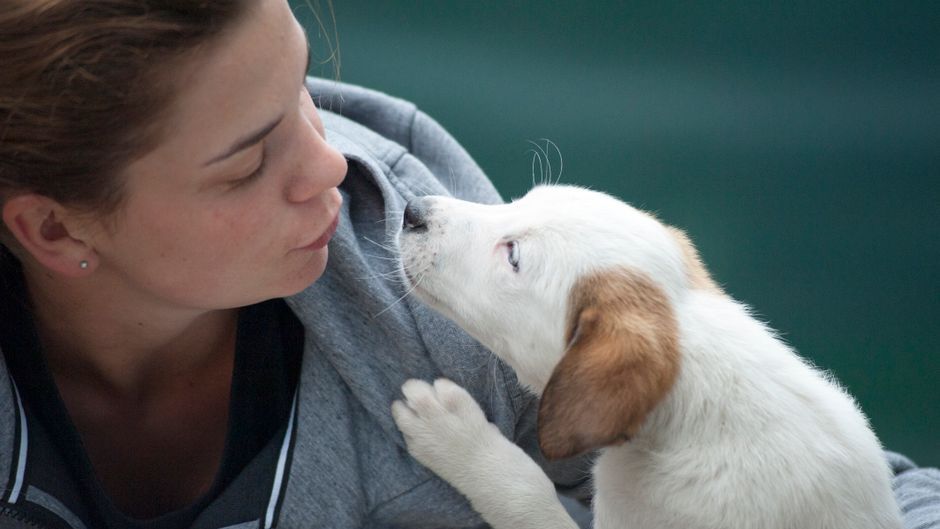
Watch your dog pause at an old doorway or light up at a familiar voice on the phone, and it is hard not to wonder what else lingers in that furry head. Those small moments often point back to the earliest months of life, when every sight, sound, and smell helped shape who they became.
They Recognize People They Met as Puppies
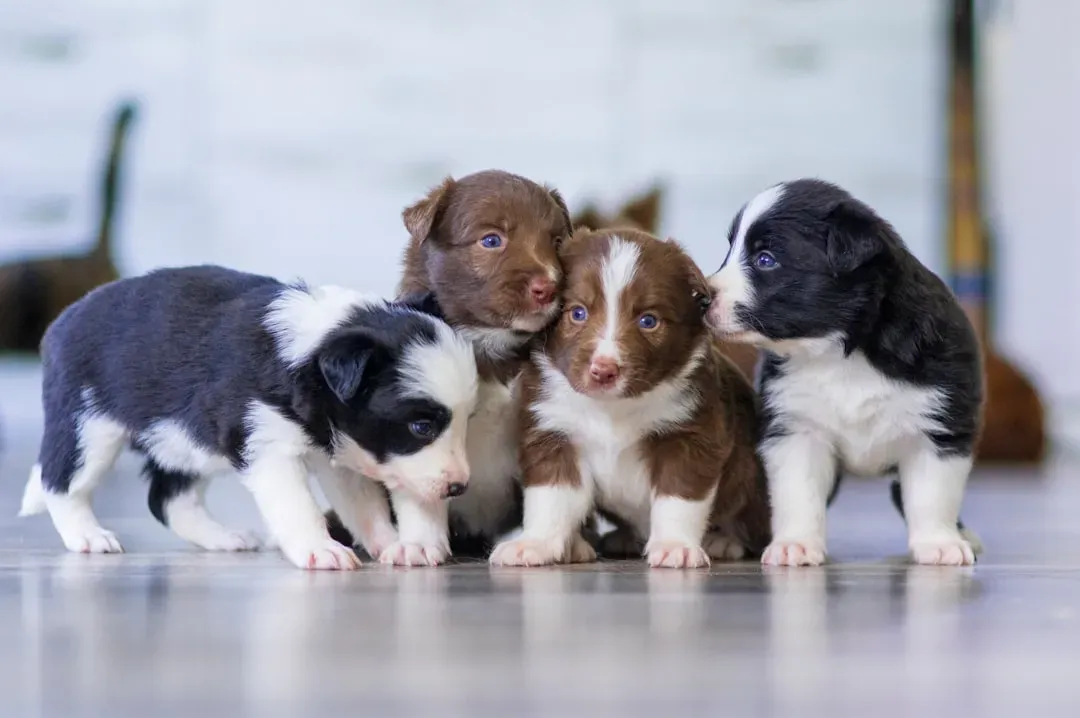
Dogs can pick out faces and voices from their first year even after long separations. A study on canine cognition found that many dogs show clear excitement or calm when reunited with people from their puppy stage. This recognition goes beyond simple association and suggests they hold onto individual identities across time.
The reaction often includes tail wags that start slow then speed up, or a soft whine that sounds almost like a greeting saved for special occasions. Owners frequently report that their dogs approach these people with the same body language they used years earlier. Such consistency hints at a memory that stores social details rather than letting them fade.
They React Strongly to Certain Scents From Early Life
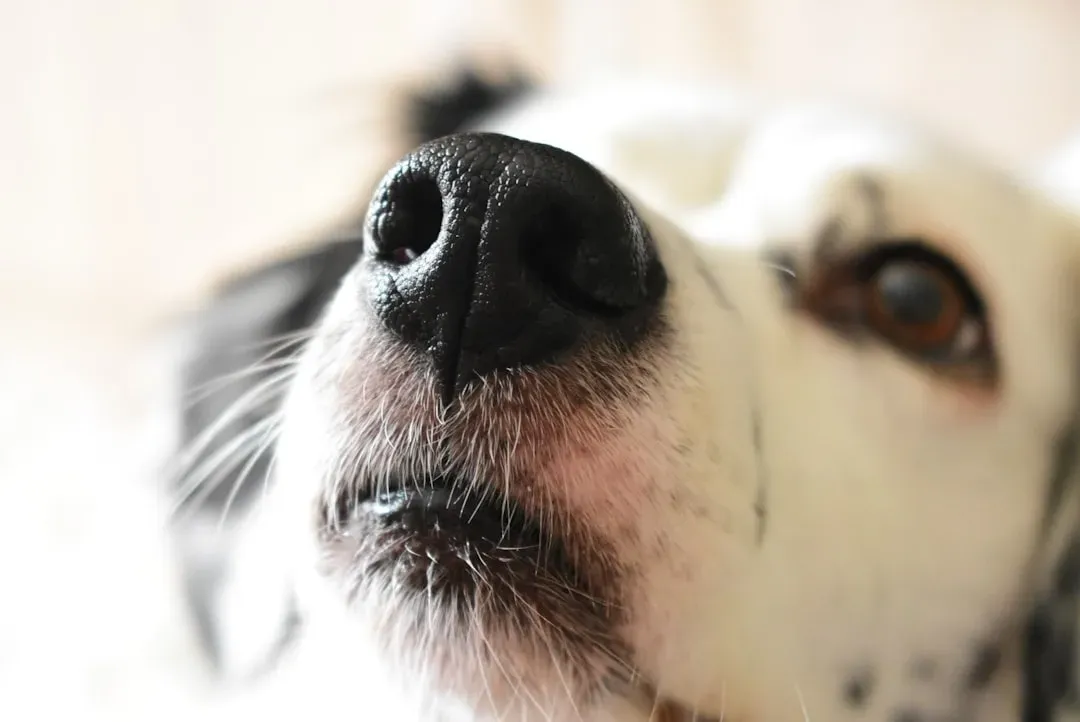
A whiff of a particular shampoo or the smell of a childhood park can stop a dog in its tracks. Their noses carry detailed maps of the world, and puppyhood scents seem to stay especially vivid. This response shows up as sniffing in circles or sudden alertness that matches how they behaved back then.
Trainers note that dogs often relax or become playful around smells linked to positive early experiences. The opposite happens with scents tied to stress during those first months. These automatic shifts reveal how deeply the nose anchors memories that the rest of the brain might otherwise let go.
They Know the Way Around Old Neighborhoods
Take a dog back to the streets where it lived as a puppy and watch it lead the way without hesitation. It will pause at the same corners, check the same bushes, and head toward the old house with purpose. This spatial memory holds even when the dog has lived elsewhere for years.
The behavior appears in both city dogs that recall specific blocks and country dogs that remember field paths. They adjust their pace to match the old routine, slowing down at familiar stops. Such navigation skills point to a mental map built during the most impressionable stage of life.
They Still Follow Commands Learned in Puppy Class
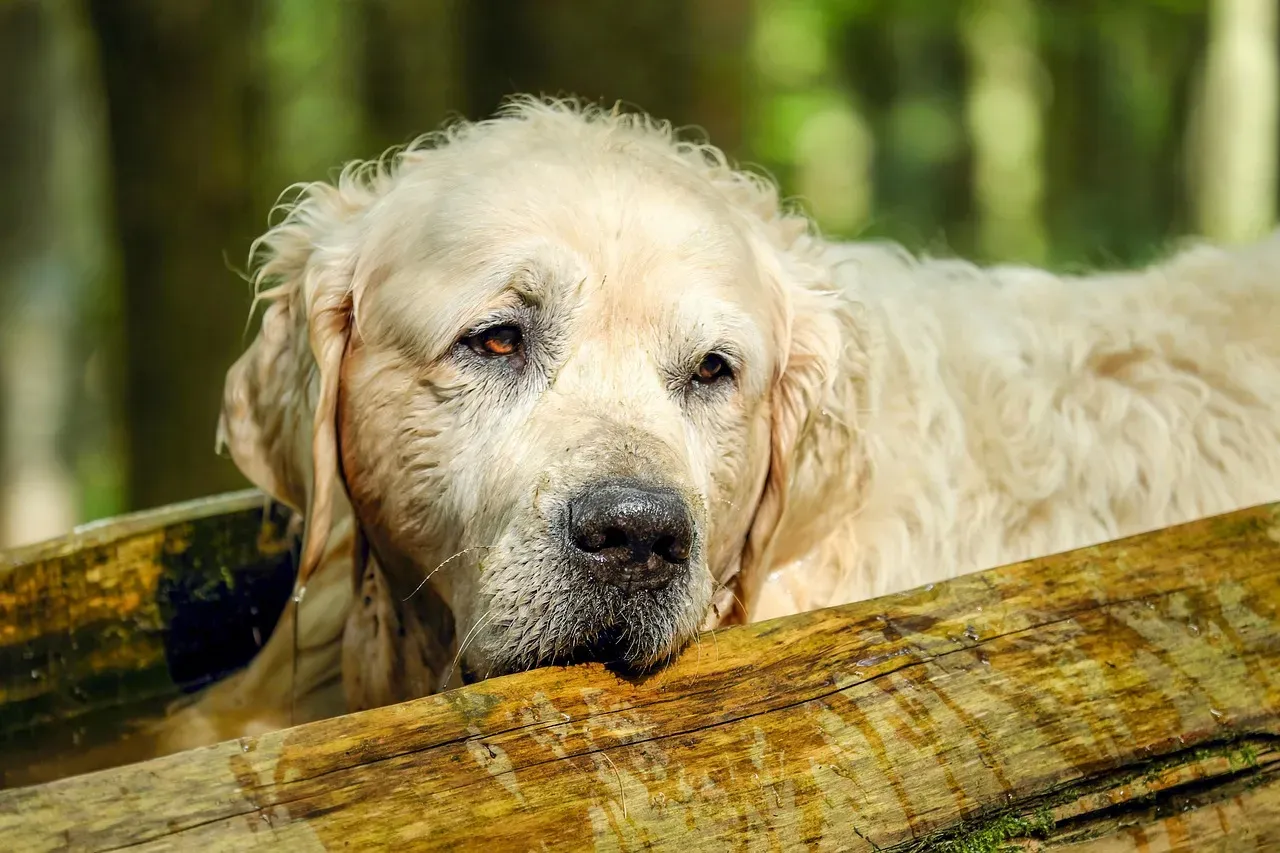
Basic cues taught early often stick without any refreshers. A dog that learned to sit for treats at eight weeks will still drop into position years later when the same word is used. The muscle memory and the association both remain intact.
Owners sometimes notice the dog performs the action with the same eager expression it had as a puppy. Even if the dog has learned newer tricks since then, the original ones surface quickly. This retention shows that early training creates lasting pathways rather than temporary habits.
They Show Fear or Joy Around Specific Objects
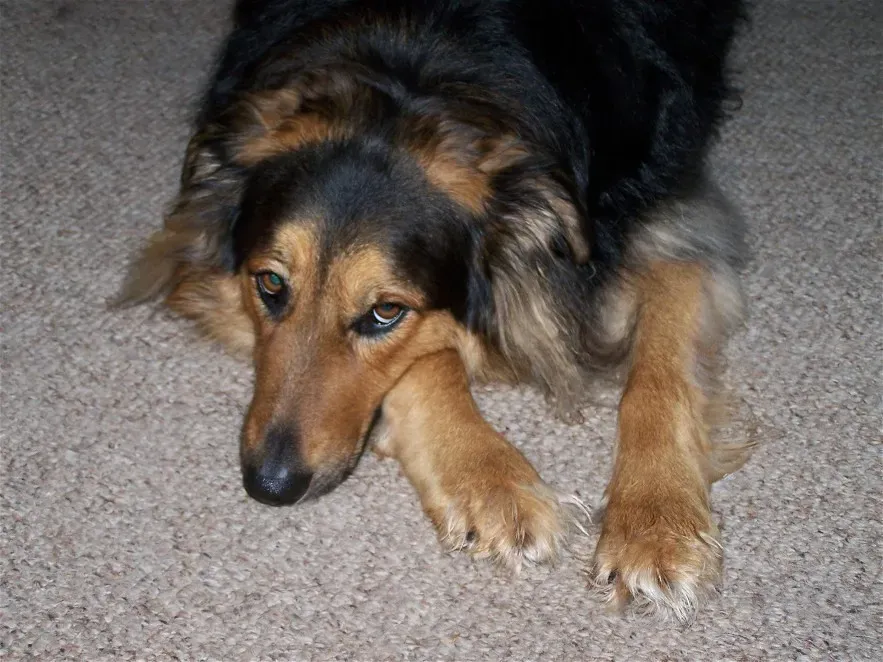
An old crate or a particular type of collar can trigger instant responses that match puppyhood patterns. Some dogs back away from items linked to vet visits, while others pounce on toys that once belonged to littermates. The reaction arrives before any conscious thought seems to occur.
These responses stay consistent across different homes and different years. A dog might ignore dozens of new toys yet treat one faded item with special care. The pattern suggests the brain tags certain objects with emotional weight that does not wear off.
They Remember Other Animals From Their First Home
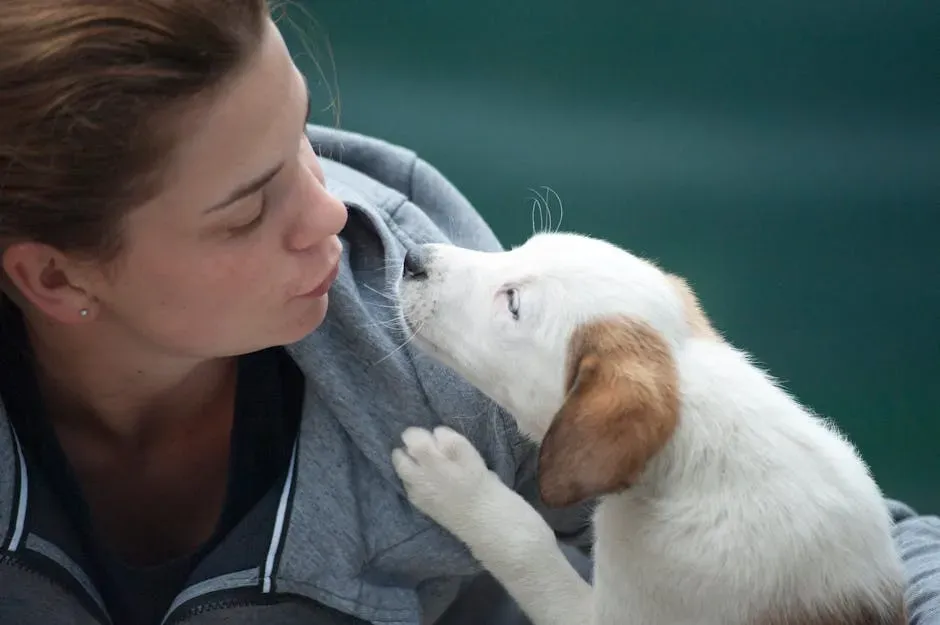
Reunions with littermates or resident cats from puppy days often produce distinctive greetings. The dogs may sniff in a certain order or play in styles that echo their earliest interactions. These meetings stand out from how they greet new animals.
Even brief early exposure leaves an impression that later meetings can revive. The body language, the energy level, and the choice of play all line up with old habits. Such continuity points to social memories that dogs keep separate from general friendliness.
They Repeat Daily Routines From Their Puppy Schedule
Many dogs wake at the same hour their first family used for walks or meals. They wait by the door or the bowl at times that no longer match the current household. The internal clock appears set during those early months and keeps running.
Changes in light or small sounds from the old routine can prompt the same sequence of actions. A dog might circle before settling or check windows in a pattern that once fit another life. These quiet repetitions show how deeply daily rhythms from puppyhood become part of who the dog is now.
In the end, these quiet signals remind us that a dog carries its whole story forward, not just the parts we happen to witness. Paying attention to them turns ordinary days into a longer shared history that both of you keep building.


