

Understanding Your Dog’s Keen Senses

Dogs possess an extraordinary sense of smell that far surpasses our own. They pick up on chemical changes in the air that humans simply cannot detect. This ability allows them to register shifts tied to stress or calm in ways that shape their comfort levels around certain spaces.
Behaviorists often note that these sensory gifts help dogs navigate their world with remarkable precision. A room that feels neutral to us might carry faint traces of past tension for them. Over time, those traces influence whether a dog approaches or avoids the area altogether.
The Role of Lingering Scents in Behavior
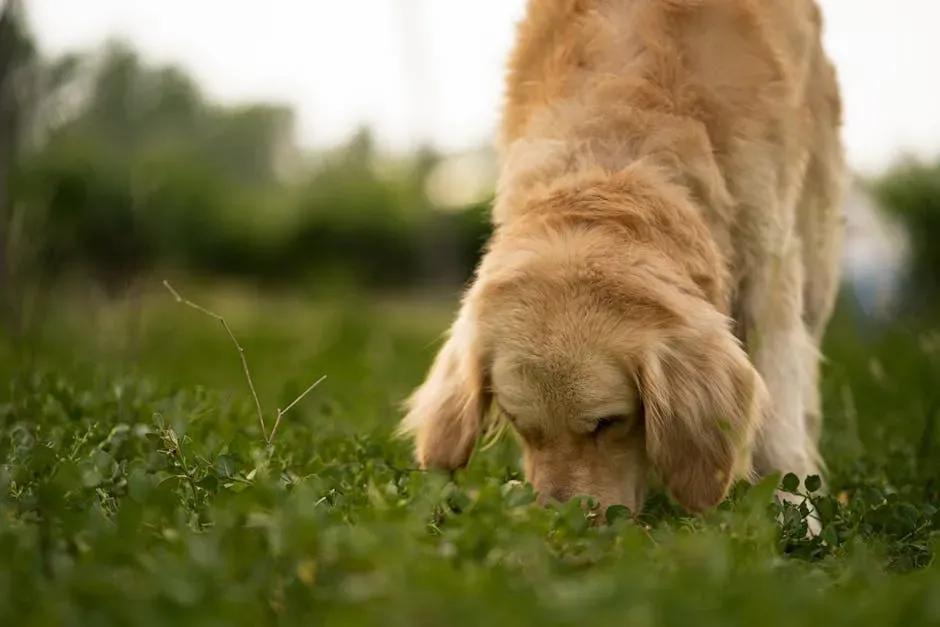
Scents from human emotions can linger in fabrics, carpets, and even the air itself. When someone experiences stress in a particular room, the body releases compounds that dogs are equipped to notice. These odors do not vanish instantly and can create a lasting impression on a sensitive pet.
Research into canine olfaction shows dogs respond differently to stress related smells compared with neutral ones. A dog might associate a space with unease simply because the scent profile feels off. This connection forms without any dramatic event, making the avoidance seem mysterious at first glance.
Associations from Previous Events

Dogs form strong links between locations and feelings based on what happened there before. A single startling noise, an accidental bump, or even a moment of owner frustration can imprint on their memory. The room then becomes tied to that emotional memory rather than the original trigger.
Veterinary experts emphasize that these associations build gradually. A dog does not need repeated trauma to develop avoidance. One uncomfortable experience combined with the room’s unique scent profile can be enough to make entry feel risky on future visits.
Environmental Comfort and Discomfort

Physical details in a room often play a bigger part than owners realize. Cold floors, unusual drafts, or changes in lighting can make a space less inviting for a dog with sensitive paws or joints. Older pets in particular may steer clear of areas that feel unpredictable underfoot.
Behaviorists recommend checking these practical factors first when a dog suddenly refuses a room. Simple adjustments like adding rugs or adjusting temperature can shift the dog’s perception. Addressing comfort needs often resolves the issue without deeper intervention.
Signs Your Dog Is Picking Up on Something

Watch for subtle body language that signals hesitation rather than outright fear. A dog might pause at the threshold, lower its head, or glance back at the owner for reassurance. These cues reveal an internal conflict between curiosity and caution.
Other indicators include changes in breathing patterns or a reluctance to settle once inside. Owners who notice these patterns early can respond with patience instead of frustration. The behavior reflects the dog’s attempt to communicate discomfort in the only way it knows how.
Building Positive Associations in Those Spaces
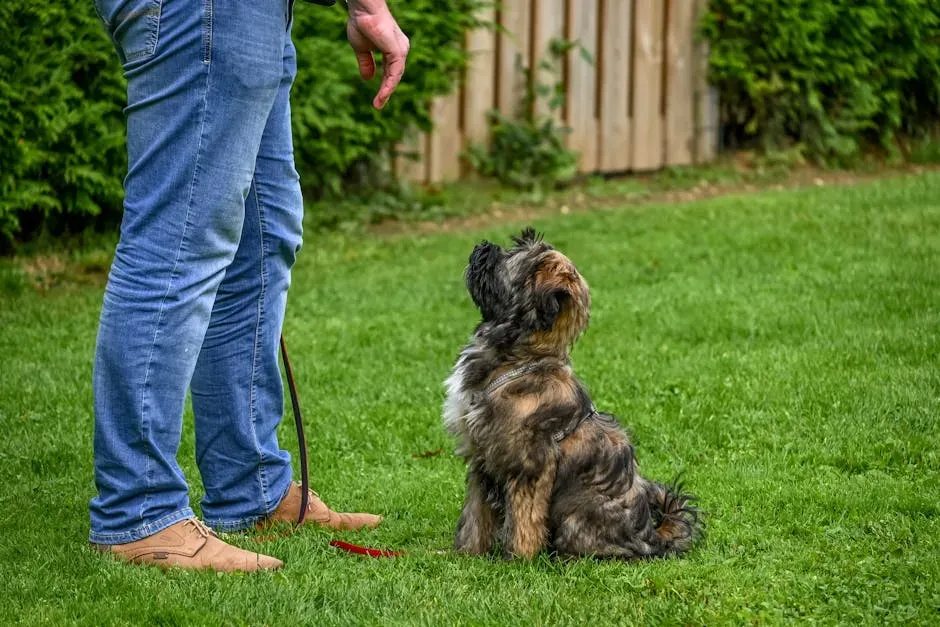
Creating new, pleasant experiences in the avoided room helps rewrite the dog’s mental map. Start with short visits paired with favorite treats or toys, keeping sessions brief and upbeat. Consistency matters more than intensity when reshaping these responses.
Gradual exposure works best when combined with calm owner energy. Rushing the process can reinforce the original negative link. Many dogs respond well to this patient approach and eventually reclaim the space as a comfortable part of their territory.
Embracing the Deeper Connection with Your Pet
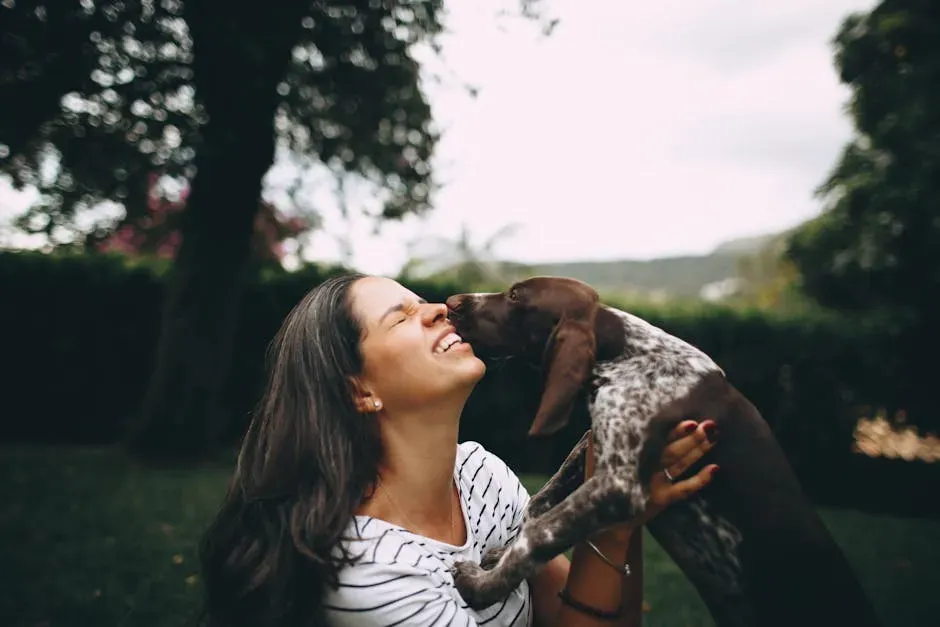
Living with a dog means accepting that they read our emotional world in ways we are still learning to understand. Their avoidance of certain rooms serves as a quiet reminder of how intertwined our inner states become with theirs. This sensitivity strengthens the bond rather than complicating it.
Paying attention to these signals encourages owners to create homes that feel safe on every level. In the end, the real takeaway lies in the mutual trust that grows when we respect what our dogs perceive, even when it remains invisible to us. That shared awareness turns ordinary rooms into places of genuine connection.


