
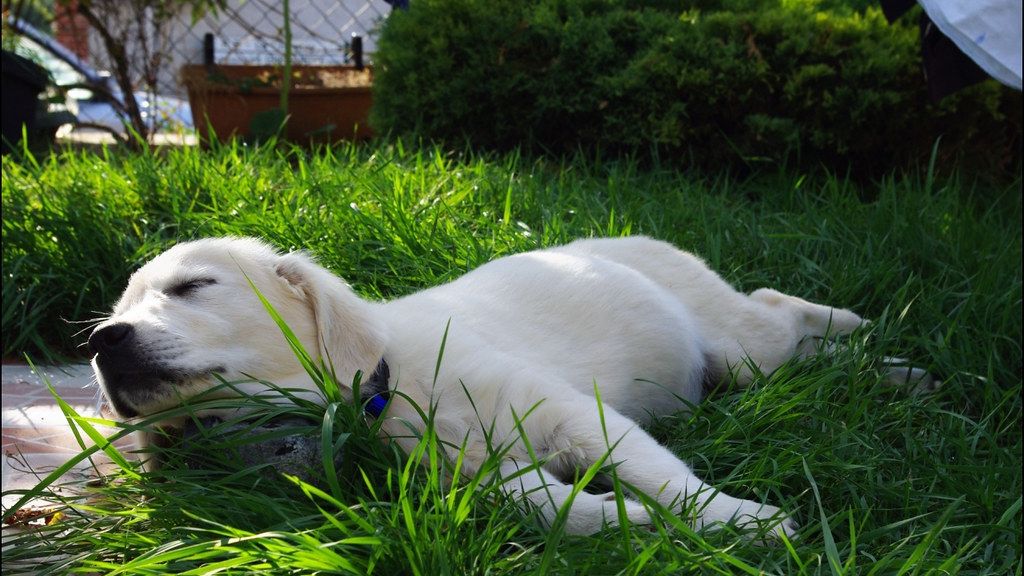
Most people assume a dog in discomfort will make it obvious through whining or limping. Yet dogs often mask their pain as a survival instinct from their wild ancestors, leaving owners puzzled by small behavioral shifts that get dismissed as normal aging or moodiness.
Recognizing these quiet signals early can make a real difference in a pet’s comfort and health. The following signs tend to slip by unnoticed until the issue has progressed further than necessary.
Subtle Changes in Eating Habits
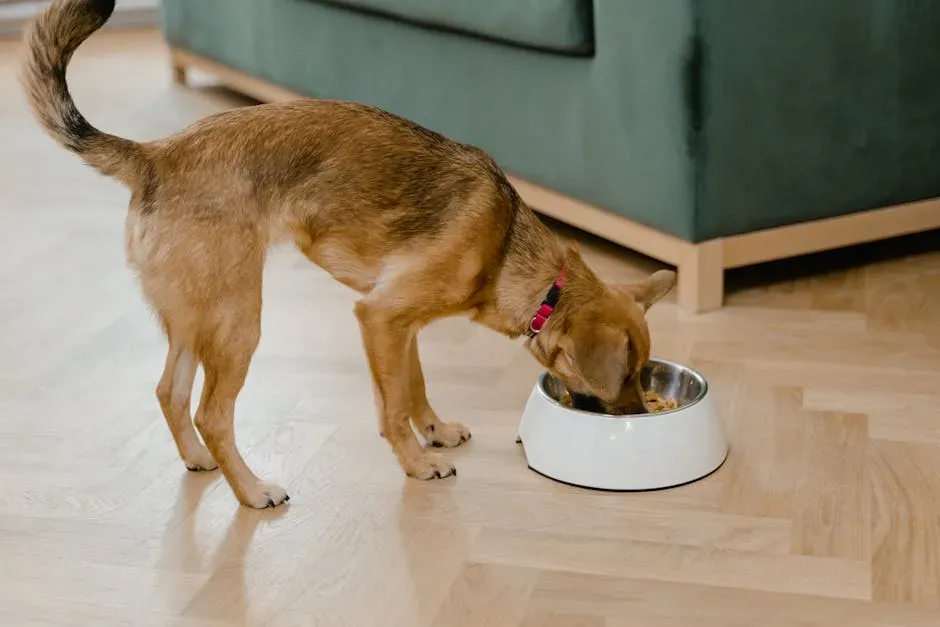
Dogs dealing with discomfort may pick at their food or finish meals more slowly without refusing them outright. They might also drink less water than usual, which owners often attribute to the weather or a picky phase rather than an underlying problem. Over time these patterns can lead to gradual weight loss that seems unrelated to anything serious at first glance.
Owners frequently overlook how a dog might avoid certain textures or positions while eating, such as turning their head away from the bowl. This hesitation stems from pain in the neck, jaw, or stomach area that makes the usual routine uncomfortable. Watching meal times more closely reveals these quiet adjustments before they become obvious weight changes.
Restlessness During Sleep
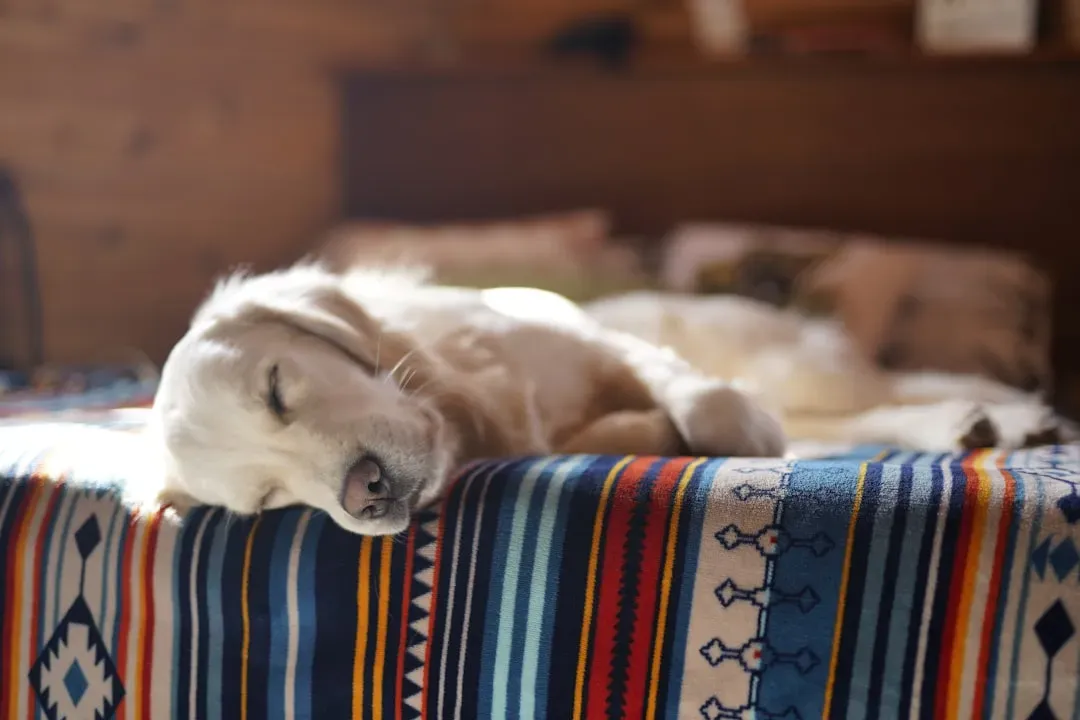
A dog in pain often shifts positions frequently at night or wakes up more than usual without making noise. They may choose odd spots to rest, like avoiding their usual bed because pressure on a sore joint feels worse there. These disruptions get written off as simple restlessness or even excitement from the day’s events.
Some dogs start sleeping in tighter curls or stretched out in ways that protect an aching area. The change happens gradually, so it blends into the background of daily life. Paying attention to whether your dog seems less settled after dark can point to discomfort that stays hidden during active hours.
Reduced Interest in Play
Play sessions that once lasted longer now end sooner, with the dog showing less initiative to chase toys or engage in games. They might still join in briefly but lose steam quickly, and owners often assume the pet is simply getting older or bored with the same routine. This drop in enthusiasm rarely involves dramatic refusal, just a quiet dialing back.
The dog may also watch activities from a distance instead of jumping in right away. Small hesitations before fetching or running accumulate over days or weeks. These shifts reflect an effort to conserve energy when movement causes hidden strain rather than outright refusal to participate.
Targeted Licking or Grooming
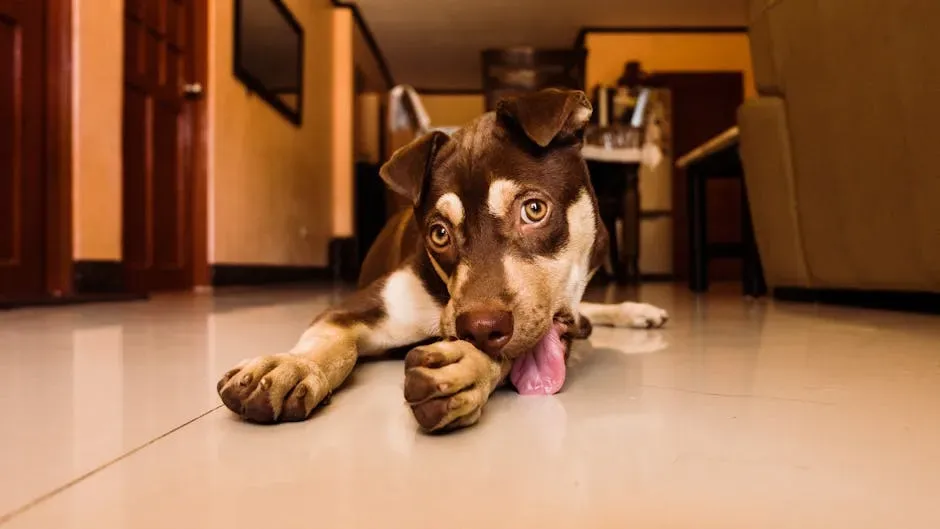
Excessive attention to one spot on the body, such as a paw or flank, can signal localized pain even when no wound is visible. The licking happens in private moments or when the dog thinks no one is watching, making it easy to miss during normal interactions. Owners might notice damp fur or minor irritation only after it has gone on for some time.
This behavior serves as a self-soothing response to discomfort that the dog cannot express otherwise. It often focuses on joints, muscles, or internal areas that hurt with movement. Regular checks during grooming time help catch the pattern before skin issues develop on top of the original problem.
Altered Posture While Standing
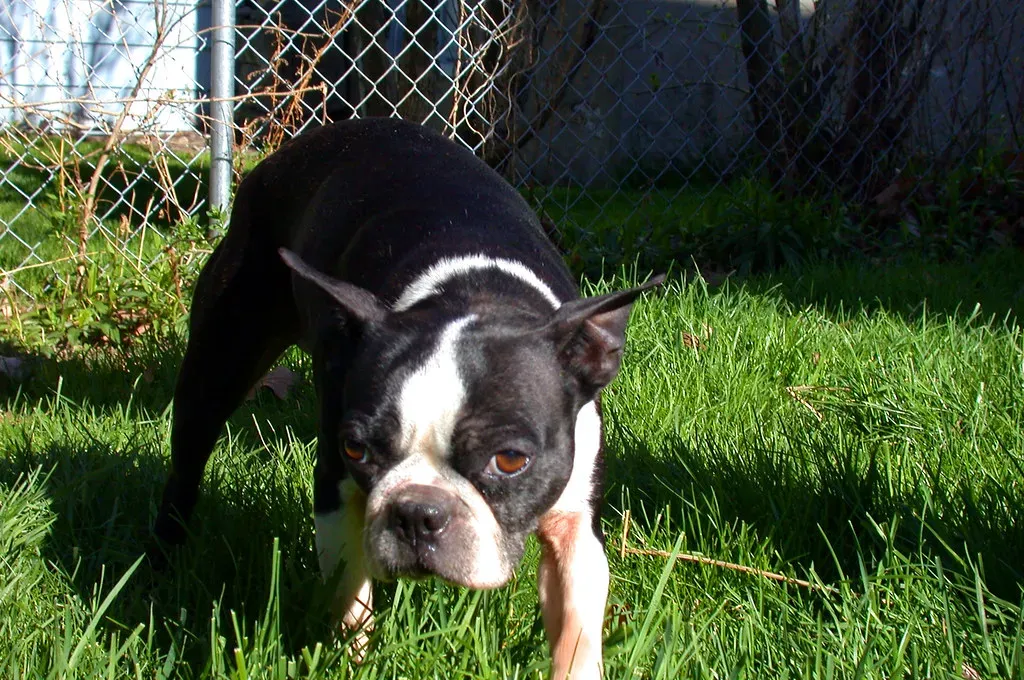
A dog may stand with a slightly hunched back or shifted weight to one side without appearing obviously lame. The stance looks almost normal at a quick glance, yet it relieves pressure on sore areas in the spine, hips, or legs. These adjustments become part of the everyday picture and rarely draw attention until mobility declines further.
Some dogs lower their head more than usual or keep their tail tucked loosely even when relaxed. The changes develop slowly enough that family members adapt to the new normal without realizing the cause. Observing how the dog holds itself during calm moments at home reveals these quiet compensations.
Withdrawal From Affection
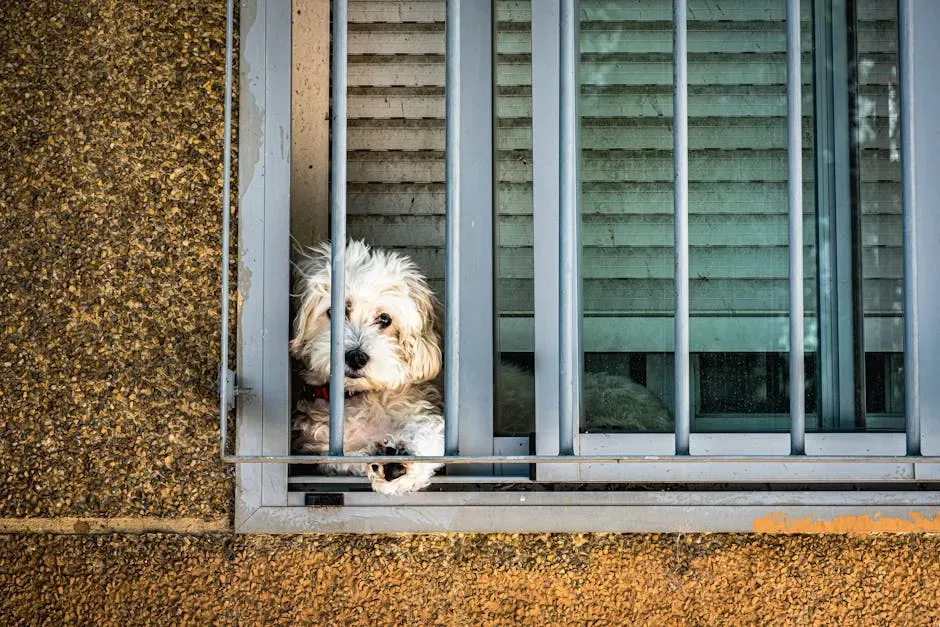
Dogs that once sought out pets and cuddles may start moving away or tolerating touch for shorter periods. They do not growl or snap, but simply create a bit more distance during interactions that used to bring comfort. Owners often interpret this as the dog wanting space or becoming independent with age.
The withdrawal protects sensitive areas from accidental pressure during normal handling. It appears as a mild preference rather than avoidance, so it blends into shifting household routines. Noticing whether the dog still initiates contact or only accepts it briefly can highlight discomfort that stays unspoken.
Quiet Shifts in Breathing
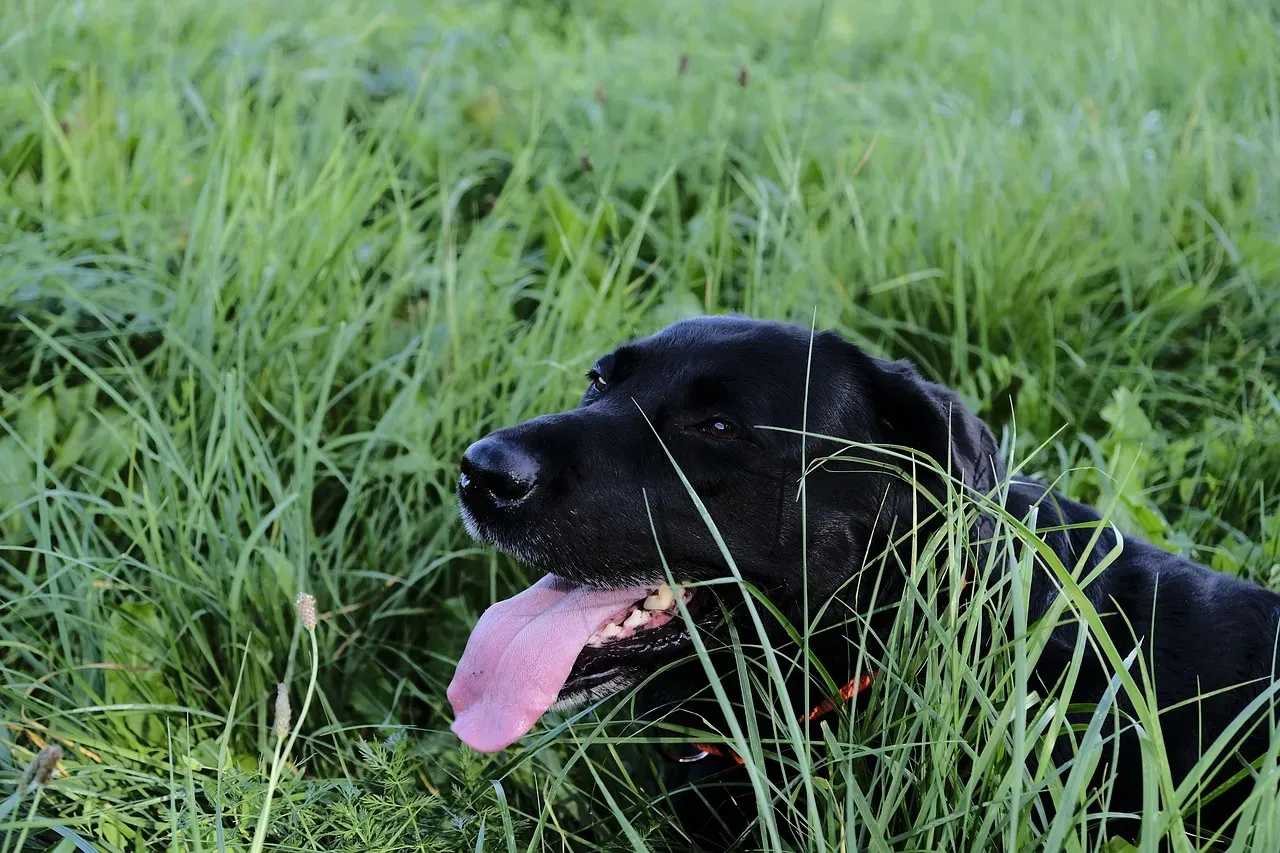
Panting that occurs without heat, exercise, or excitement can indicate pain, especially when it happens at rest. The breathing may sound slightly faster or shallower, yet it lacks the dramatic quality that would prompt immediate concern. Owners tend to link it to minor stress or the room temperature instead.
Some dogs hold their breath briefly or exhale more carefully during certain movements. These patterns emerge during everyday activities like climbing stairs or settling onto the floor. Tracking breathing during calm periods helps separate normal variation from a signal of hidden strain.
Hesitation With Specific Movements
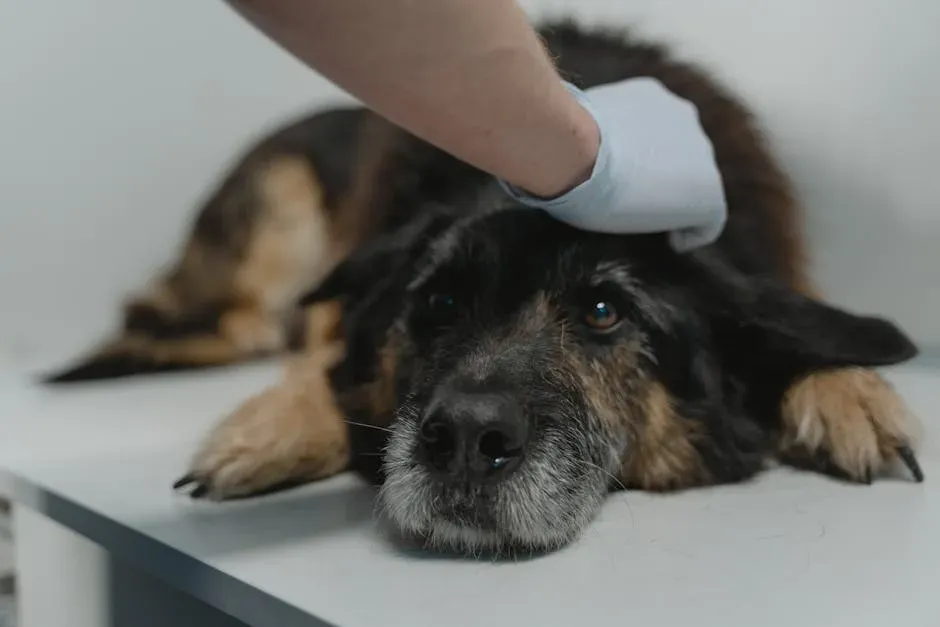
A dog might pause before jumping onto furniture or climbing into the car, then proceed after a moment of adjustment. The delay is brief enough to overlook, and the pet still completes the action without obvious struggle. Over repeated instances this hesitation points to discomfort in the shoulders, back, or hind legs.
They may also choose longer routes around the house to avoid steps or uneven surfaces. These detours become habitual without drawing notice until the dog starts skipping activities altogether. Watching for small pauses before routine motions uncovers pain that the animal works around rather than announces.
Subtle Irritability in Daily Routines
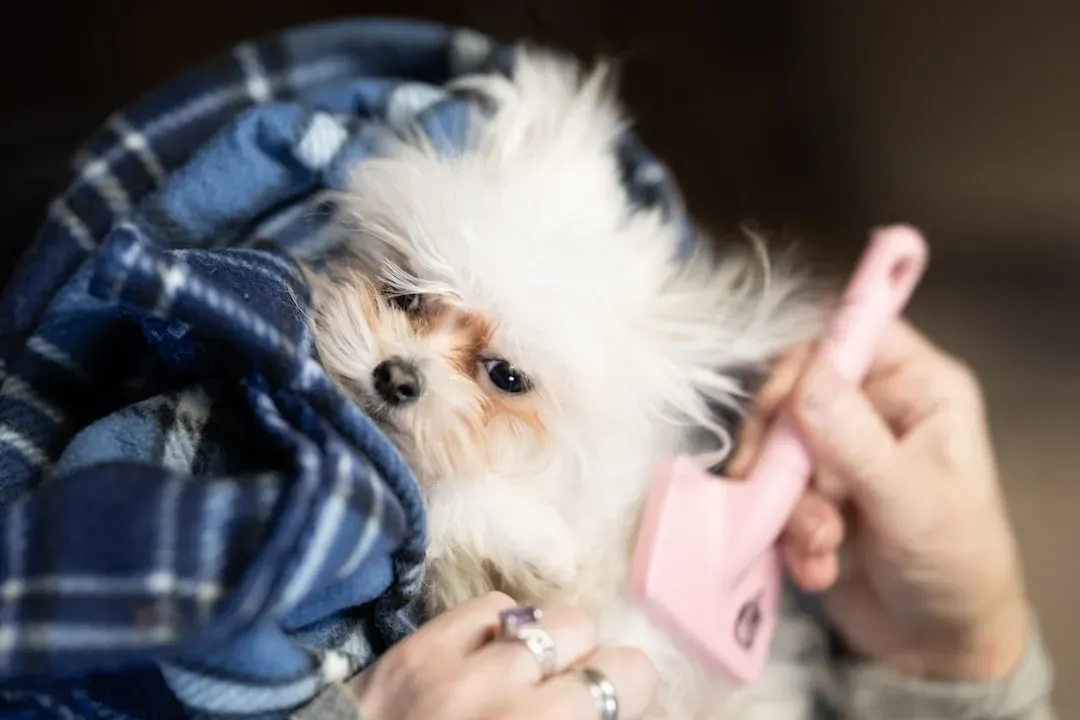
Small frustrations during grooming, nail trims, or harness placement can surface as quicker movements away rather than aggression. The dog tolerates the process but finishes faster or shows less patience than before. Owners chalk this up to a bad mood or dislike of the task itself.
The reaction protects areas that feel tender during handling. It appears as mild reluctance instead of clear resistance, allowing the pattern to continue unnoticed. Consistent observation during these regular care moments helps connect the dots to possible discomfort that the dog otherwise keeps private.
Paying closer attention to these understated signals allows owners to step in sooner and improve their dog’s quality of life. Dogs rely on us to notice what they cannot say out loud, and catching pain early often leads to simpler solutions and more comfortable years together.


