
The Misconception of Protective Guarding
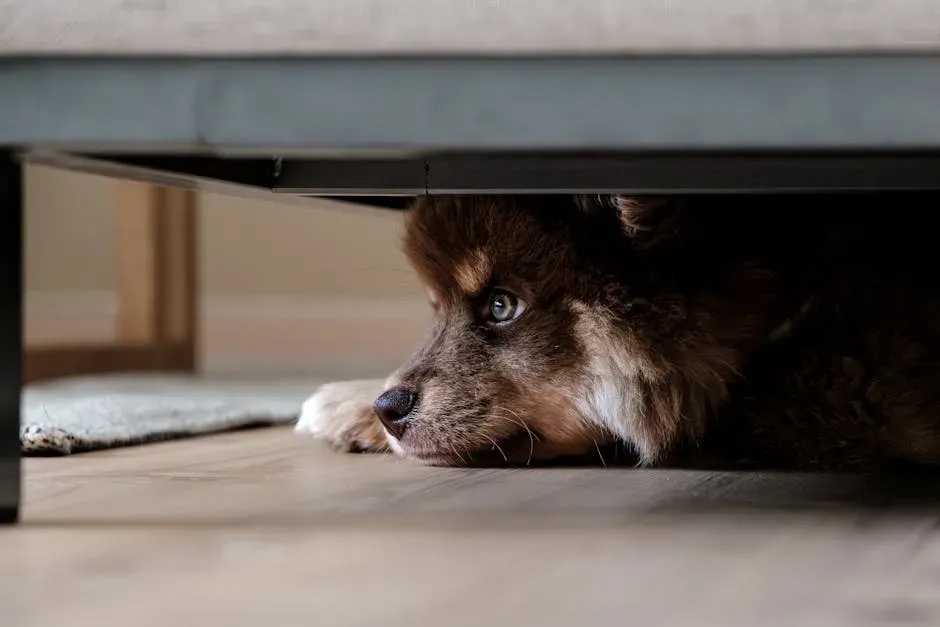
People often picture their dog tucked beneath the bed frame as a loyal sentinel, ears perked for any sign of trouble. In reality, this positioning rarely matches what experts observe in canine behavior studies. Dogs in guard mode tend to stay more visible and alert, not hidden away in a confined space.
The under bed spot offers little vantage point for monitoring the room or the door. Instead, it creates a sheltered pocket that limits sightlines and sound. This setup aligns more with retreat than with active protection of the family.
Unpacking the Denning Instinct
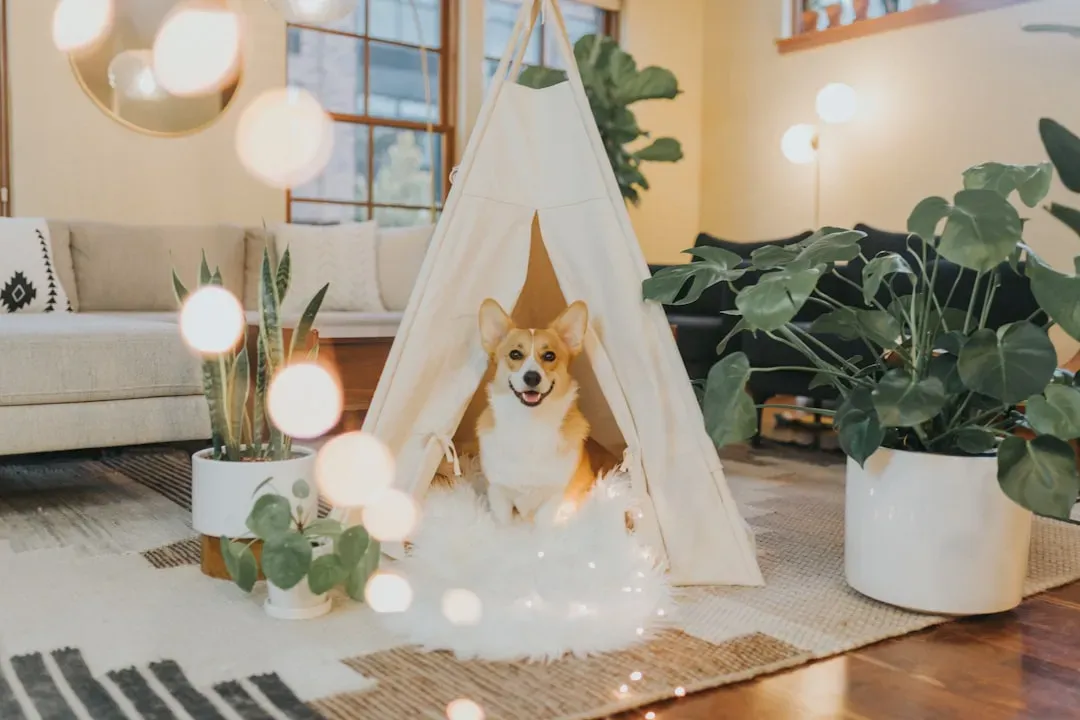
Dogs inherited a strong drive to seek enclosed spaces from their wolf ancestors. In the wild, a den provided safety from weather, predators, and the chaos of open territory. Modern homes simply offer a new version of that same refuge under furniture.
The primal urge remains unchanged even after thousands of years of domestication. A dog chooses the narrow, dark area because it mimics the security of an ancestral shelter. This choice satisfies an internal need rather than any external assignment to guard.
Seeking Personal Security and Comfort
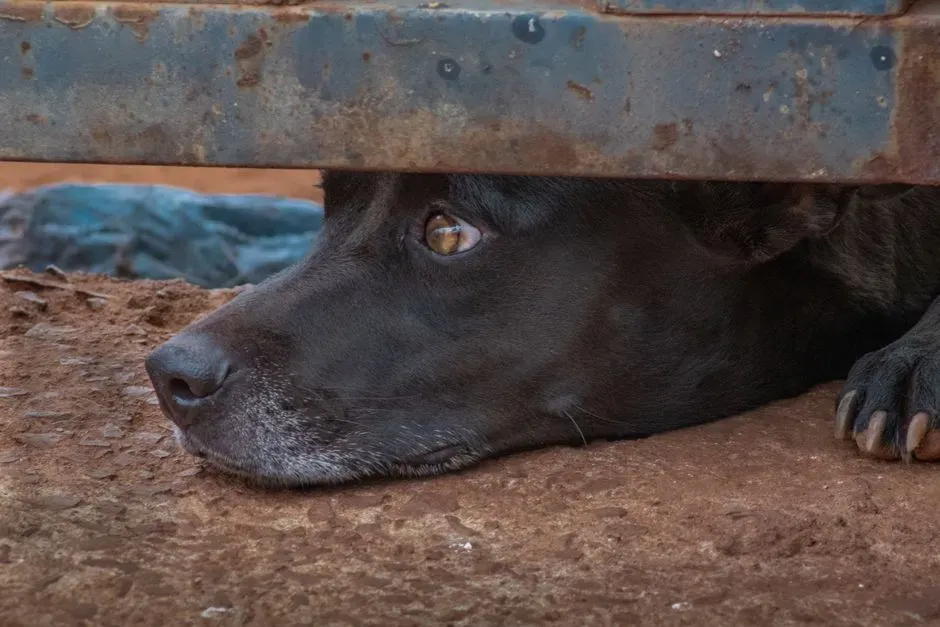
Under the bed, a dog finds a quiet zone where outside noises and movements feel muffled. The enclosed feeling reduces overstimulation and lets the animal relax more deeply. Many dogs gravitate there after busy days or when the household feels too active.
Comfort also comes from the physical closeness to their people without direct contact. The bed above acts as a protective ceiling while the floor stays cool and stable. This combination creates a personal haven tailored to the dog’s own sense of ease.
The Role of Temperature and Environment
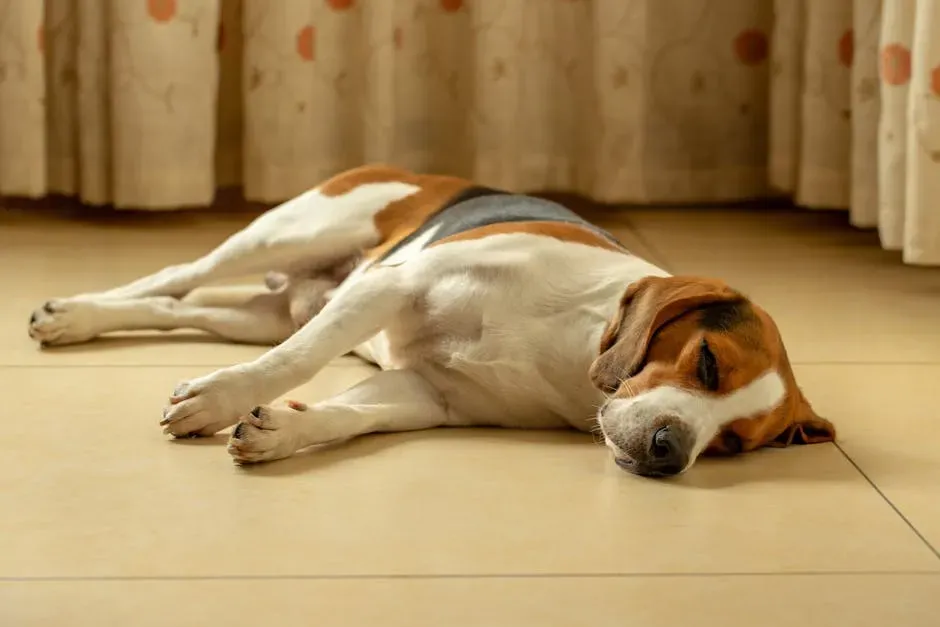
Floors under beds often stay several degrees cooler than open areas or raised dog beds. Dogs regulate body heat partly through contact with cooler surfaces, especially during warmer months or after exercise. The spot becomes a natural cooling station.
Darkness adds another layer of appeal. Reduced light helps some dogs settle faster and stay asleep longer. These environmental factors reinforce the primal preference without any connection to watching over the room.
How Anxiety Plays Into the Behavior
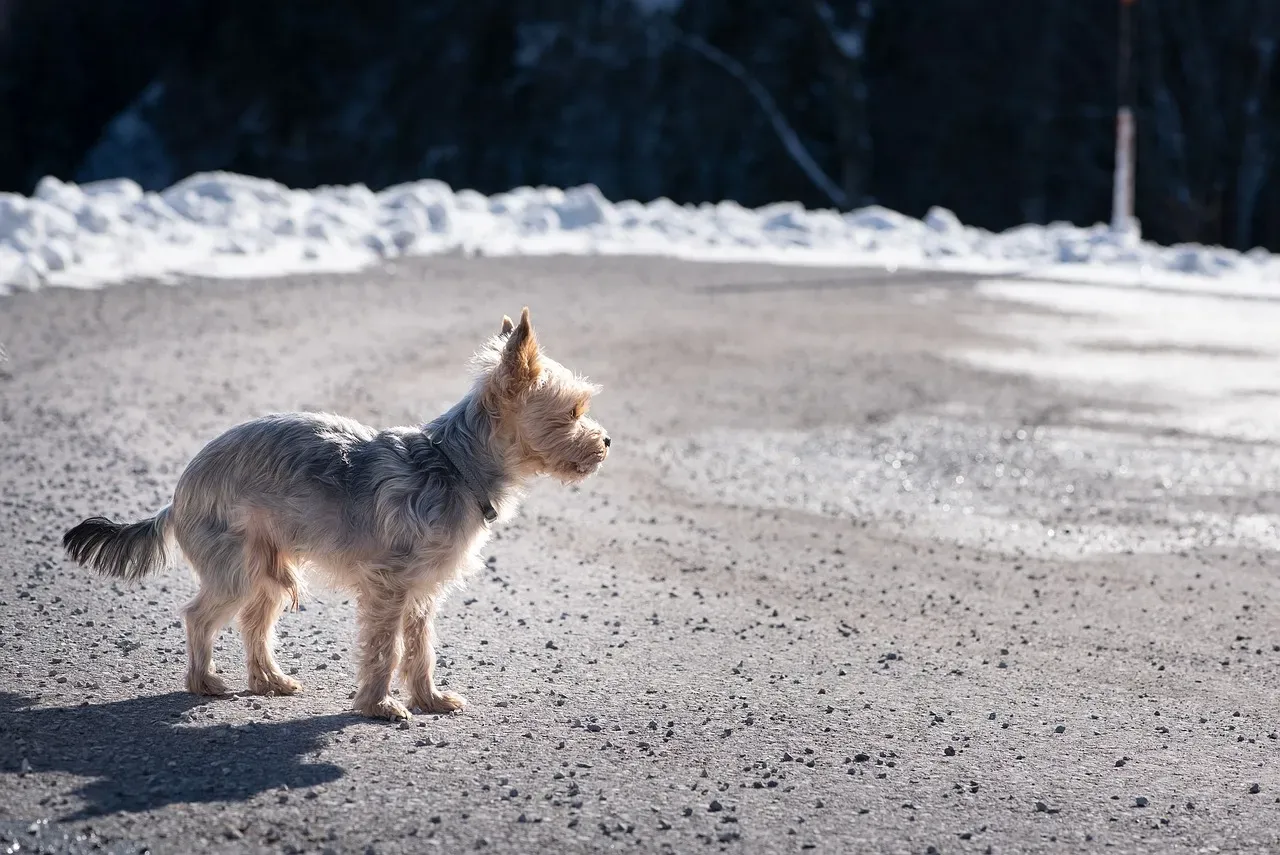
Certain dogs turn to under bed spaces when they feel unsettled by loud sounds, visitors, or changes in routine. The enclosed area lowers their stress response by limiting sensory input. This coping mechanism appears across many breeds and ages.
Yet the same spot serves perfectly well adjusted dogs too. The behavior alone does not signal a problem. It simply reflects a flexible strategy that works for both calm and nervous temperaments alike.
Closeness Without the Need to Protect
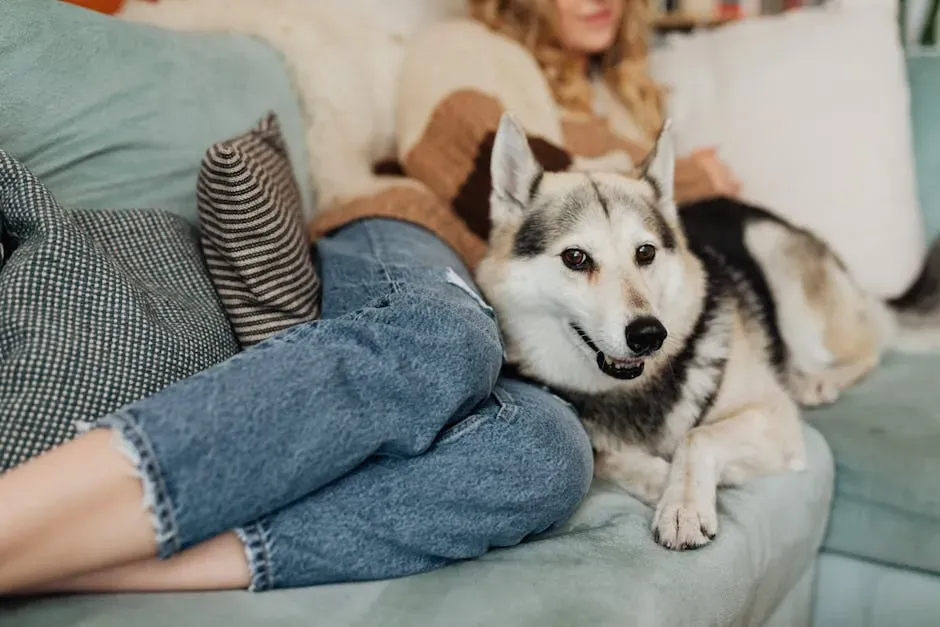
Choosing a location near their owners satisfies a dog’s social nature. The under bed position keeps them within the family unit while still granting personal space. Proximity matters more than any protective role.
Owners sometimes notice their dog emerging only when called or when the house quiets down. This pattern shows the choice centers on feeling connected and safe rather than on scanning for threats. The instinct prioritizes the dog’s own equilibrium.
What Owners Can Take Away From This Insight

Recognizing the true motivation helps people respond with greater patience. Providing alternative den like options, such as covered crates or cozy nooks, often gives dogs more choices without disrupting household flow. Small adjustments can make the behavior even more comfortable for everyone involved.
In the end, the primal drive for security shapes far more of daily dog life than most realize. Accepting that reality deepens the bond and removes unnecessary worry about imagined guard duties. Dogs simply seek what has always helped them feel at home.


