
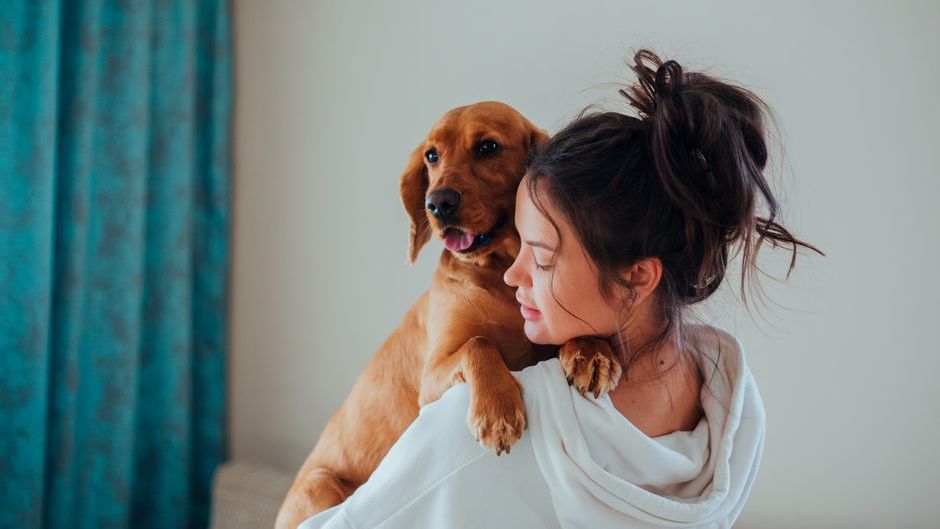
People often notice something special about dogs who arrive at shelters after losing their first families. These animals carry a quiet intensity that sets them apart from puppies raised in one home their whole lives. The shift from loss to new connection seems to unlock a level of devotion that feels almost protective.
Observers frequently describe these dogs as unusually attentive, quick to read moods, and eager to stay close. That pattern raises a natural question about what changes inside them during the transition. Exploring the reasons behind this loyalty reveals layers of behavior shaped by experience rather than simple instinct.
The Power of Second Chances
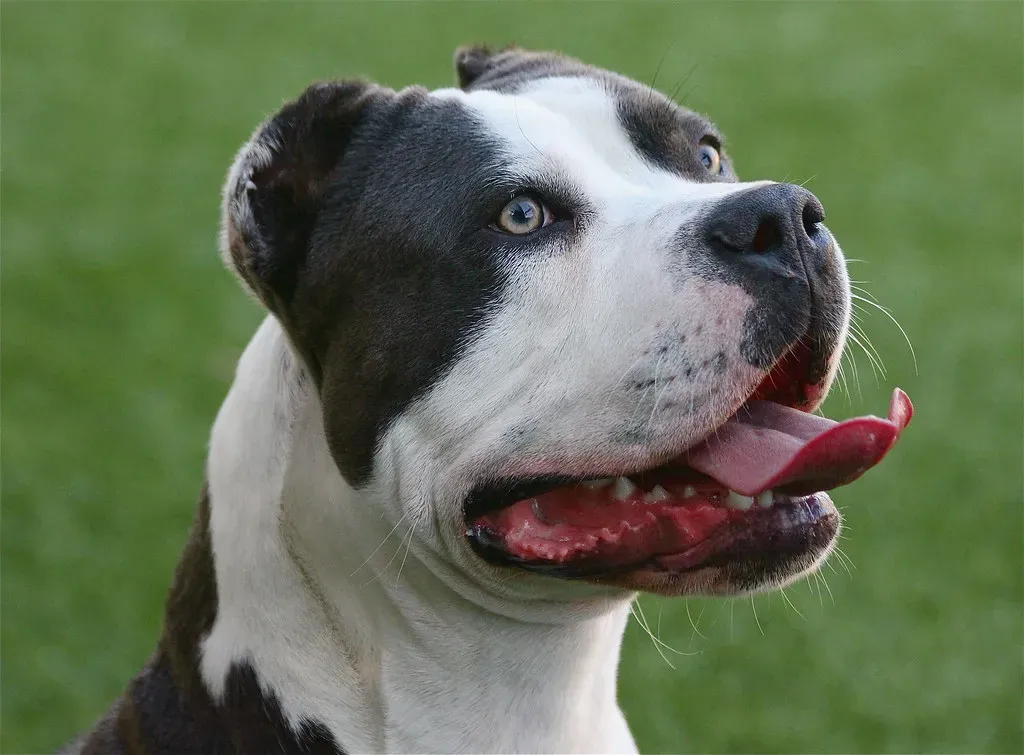
Dogs who have known loss often approach new relationships with a heightened awareness of stability. They notice small consistencies like the same feeding time or familiar walking routes. These details become anchors that help them settle faster than expected.
Over weeks the trust builds through repeated positive interactions. A rescued dog may start by testing boundaries gently before committing fully to the household rhythm. The result is a partnership that feels earned on both sides rather than automatic.
How Loss Shapes Canine Behavior

Previous upheaval can sharpen a dog’s sensitivity to human cues. They learn to watch for signs of departure or changes in routine because those signals once meant uncertainty. This vigilance translates into closer monitoring of their new person throughout the day.
Many such dogs also develop stronger preferences for physical contact. They seek out laps or rest against legs more readily once they feel secure. The behavior reflects an adaptation that prioritizes connection after earlier disruption.
Everyday Signs of Deep Loyalty
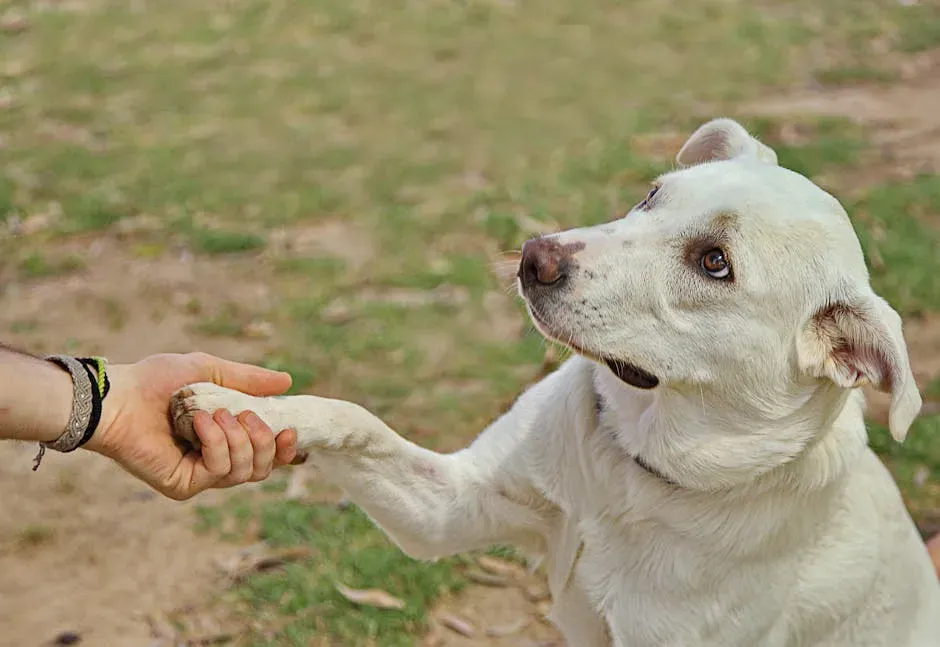
Owners commonly report that these dogs follow them from room to room without prompting. The pattern appears early and persists even after months of settled life. It serves as a visible reminder of the bond forming beneath the surface.
Another frequent observation involves protective positioning during walks or at home. The dog places itself between its person and unfamiliar sounds or visitors. Such actions emerge naturally rather than through formal training.
The Science of Attachment in Dogs

Research on canine social behavior shows that dogs form attachment styles similar to those seen in other social mammals. Secure bonds develop when consistent care replaces earlier instability. This process strengthens neural pathways tied to trust and reward.
Rescue dogs often display accelerated bonding once basic needs are met reliably. Their responses to separation and reunion tests tend to highlight the value they place on the new relationship. These patterns align with broader findings about how experience influences attachment strength.
Creating a Safe Space for Healing
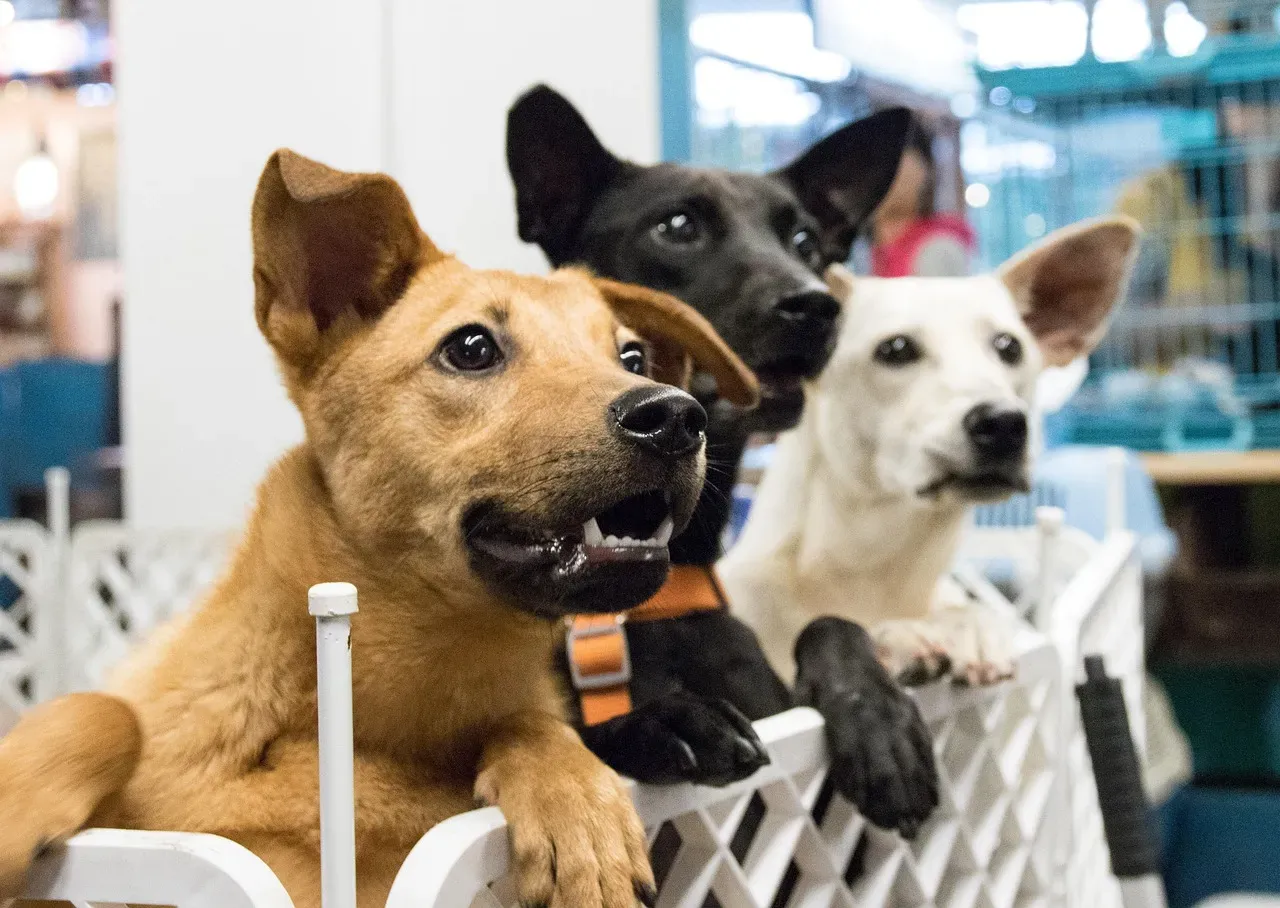
Successful adoptions usually begin with predictable environments that reduce stress. Calm introductions to new spaces allow the dog to explore at its own pace. Gradual exposure to household members helps prevent overwhelm during the first days.
Simple tools like designated resting spots and gentle voice tones support the adjustment. Over time these elements combine to rebuild confidence. The dog begins to associate the home with safety instead of transition.
The Mutual Rewards of Adoption
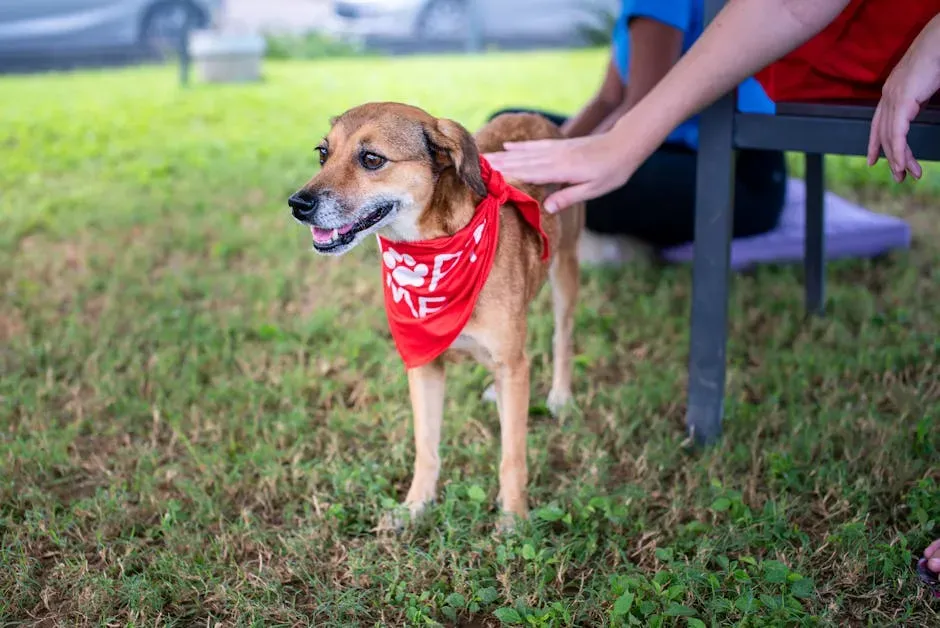
People who welcome these dogs often describe unexpected emotional support in return. The animal’s attentiveness can ease daily stresses through quiet presence alone. Shared routines create a rhythm that benefits both the human and the pet.
Physical activity increases naturally as walks become joint priorities. Health markers such as lower blood pressure appear in studies of dog owners across age groups. The loyalty shown by the dog reinforces the decision to adopt and sustains long term commitment.
Embracing the Extraordinary Bond
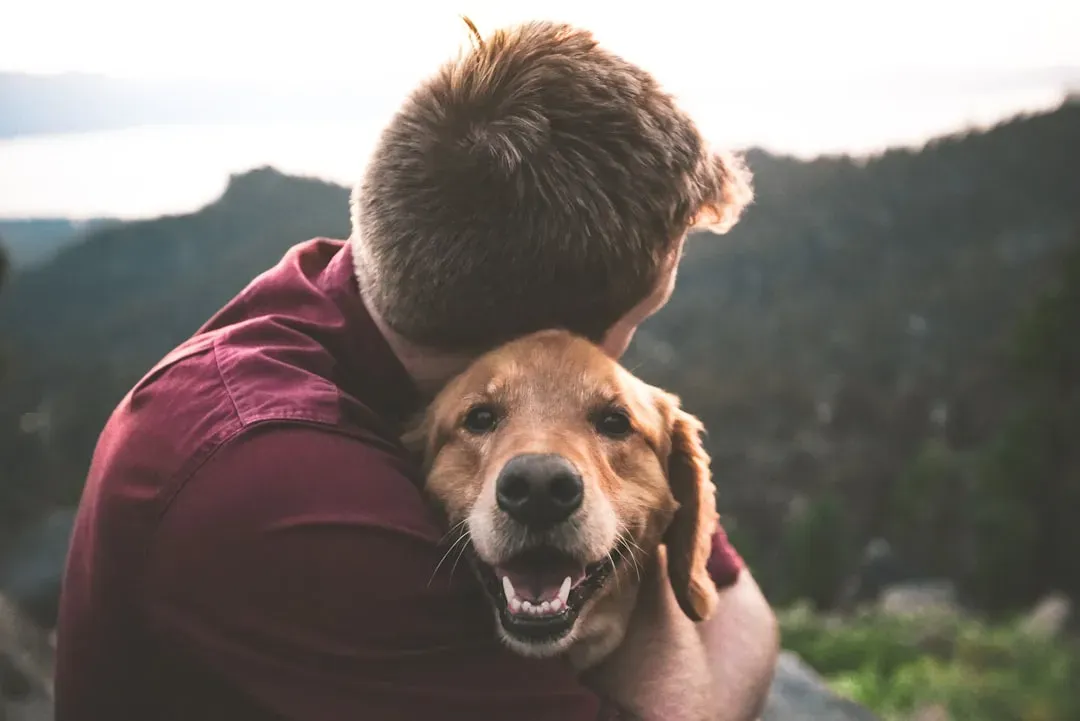
Dogs who have lost their first humans carry forward a capacity for loyalty that feels distinctive. Their journey from uncertainty to devotion offers a clear example of resilience in animals. This quality turns ordinary households into places of mutual care.
Choosing to adopt such a dog means accepting a relationship built on recovery and choice. The connection that results often exceeds expectations in its depth and consistency. In the end these animals remind us that loyalty can grow strongest precisely where it was once tested.


