
Heightened Separation Anxiety
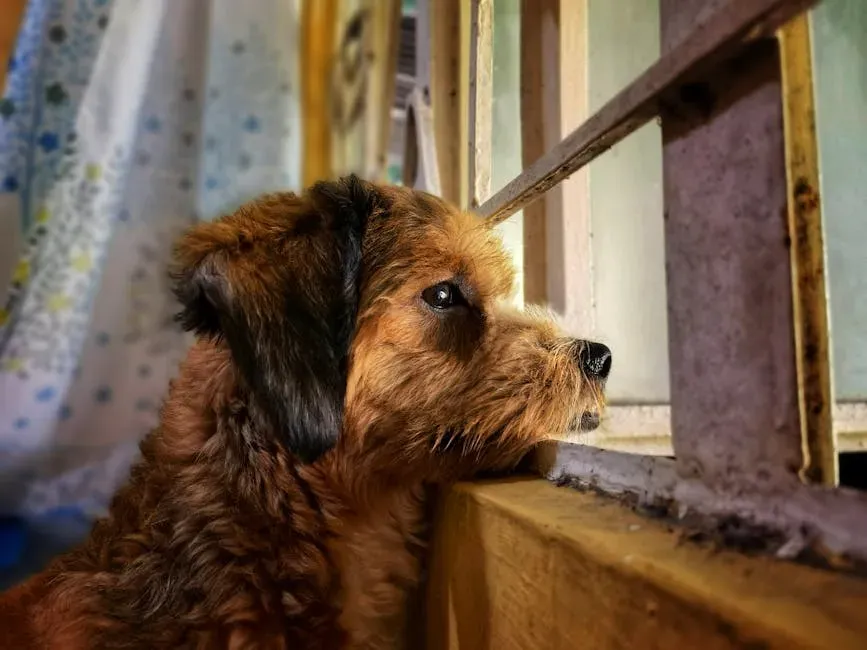
Rehoming often leaves dogs with a sharper sense of loss when left alone. They may pace, vocalize, or destroy items near doors and windows long after the initial adjustment period ends. This reaction stems from the earlier disruption of their primary attachment, and it tends to flare during any change in routine.
Owners frequently report that even brief absences trigger the same intensity seen right after the move. Medication or training can soften the edges, yet the underlying sensitivity rarely vanishes completely. The dog simply learns to manage it within a narrower set of conditions.
Difficulty Forming New Bonds
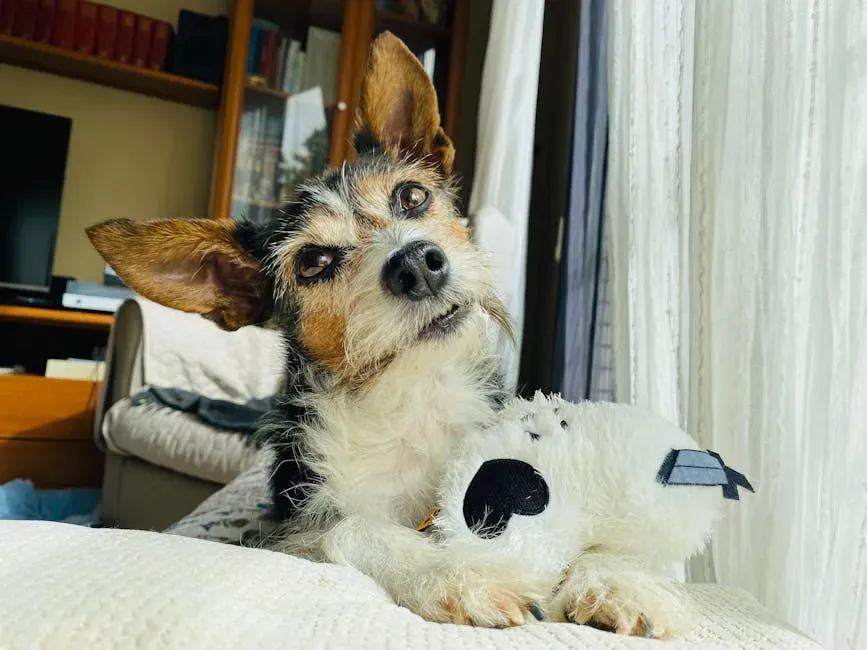
A dog that has been rehomed once tends to approach new relationships with more caution. Initial affection may appear quickly, but deeper trust builds slowly and can stall if the person travels or changes schedules. This guarded approach protects the animal from another sudden loss.
Over time the bond can become very strong, sometimes even more intense than with dogs who never moved homes. Still, the process requires consistent presence that many first-time adopters underestimate. The change shows up most clearly when the household introduces new people or pets.
Increased Fear Responses to Novel Situations
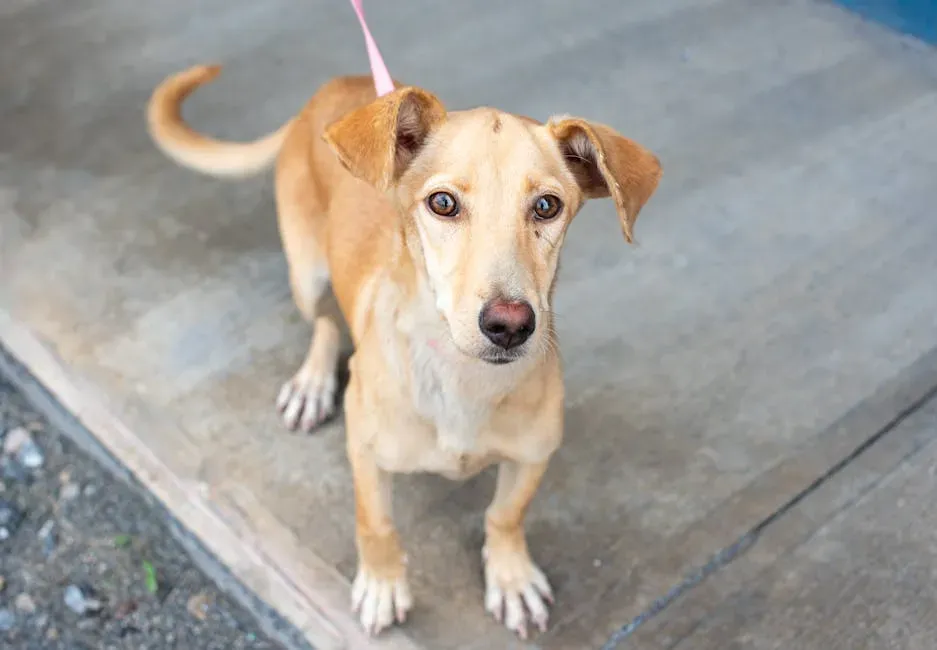
Rehomed dogs often display stronger startle reactions to unfamiliar sounds, objects, or environments. A new vacuum cleaner or a visitor in a hat can provoke freezing or retreat that persists even after repeated safe exposures. The earlier upheaval appears to lower the threshold for perceiving threat.
Counterconditioning helps in many cases, yet the baseline wariness remains part of the dog’s temperament. Walks in new neighborhoods or vet visits continue to require extra preparation. Owners learn to read subtle body language that signals rising discomfort before it escalates.
Resource Guarding Tendencies
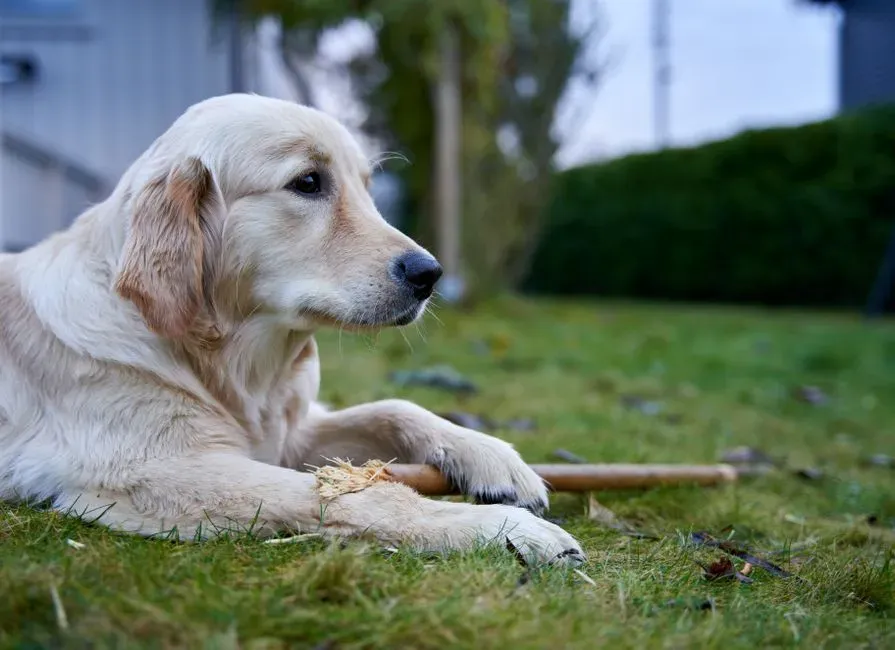
Food, toys, and resting spots can become sources of tension that never fully resolve. A dog may stiffen, growl, or snap when approached while eating, even after months of consistent positive associations. The behavior reflects an earlier period when resources felt uncertain.
Management strategies such as feeding in separate spaces often become permanent household rules. Training reduces the frequency of incidents, but the underlying vigilance stays. Many owners describe it as a quiet insurance policy the dog maintains against future scarcity.
Inconsistent or Regressive House Training
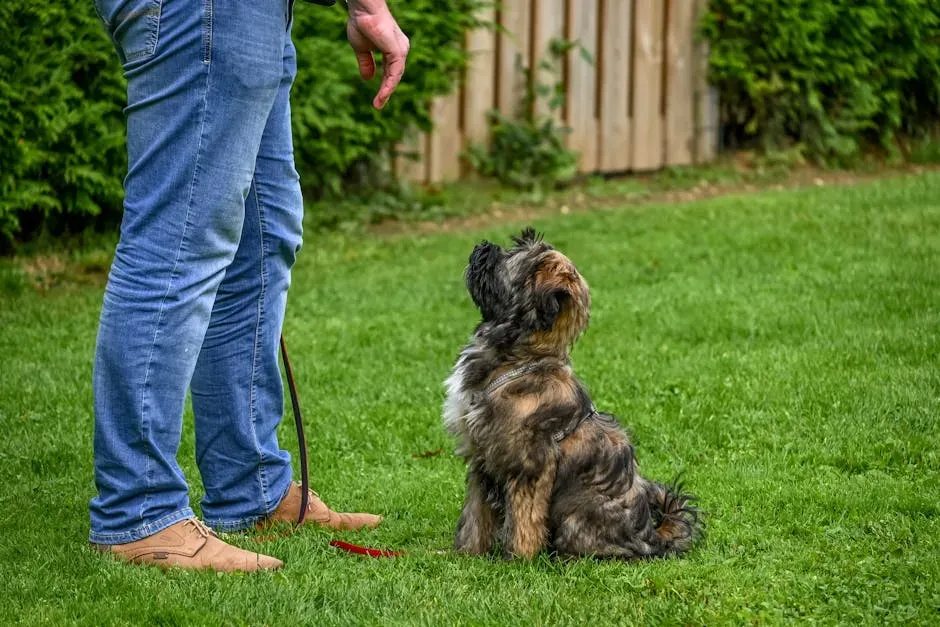
Accidents indoors sometimes reappear during stress, travel, or even minor schedule shifts. The dog may have been reliable for years only to regress when something in the environment changes. This pattern links back to the instability experienced during the rehoming transition.
Medical checks usually rule out physical causes, leaving behavioral history as the main factor. Extra crate time or frequent outdoor breaks become ongoing tools rather than temporary fixes. The reliability never reaches the level seen in dogs who stayed in one home from puppyhood.
Hypervigilance Around Household Changes
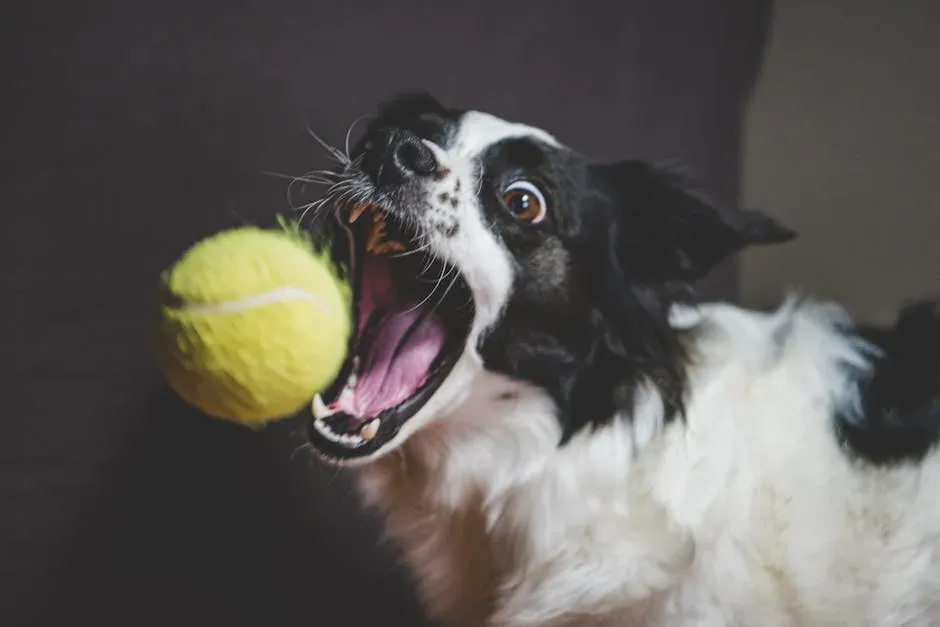
Any shift in furniture, new scents, or altered daily rhythms can prompt scanning or restlessness that lasts longer than expected. The dog tracks movements and sounds with greater intensity, as if monitoring for signs of another disruption. This state of alertness becomes a default setting.
Enrichment and predictable routines help lower the overall tension, yet the sensitivity to change endures. Owners often rearrange their own habits to keep the environment steady. The behavior reflects a lasting adaptation rather than a temporary reaction to the original move.
Rehoming leaves marks that training and love can soften but not erase. The dogs still form meaningful lives with attentive people who accept these traits as part of the package rather than problems to solve. In the end, the permanence of these changes asks less for perfection and more for steady, informed companionship that respects what the animal has already endured.


