
1. Samoyed
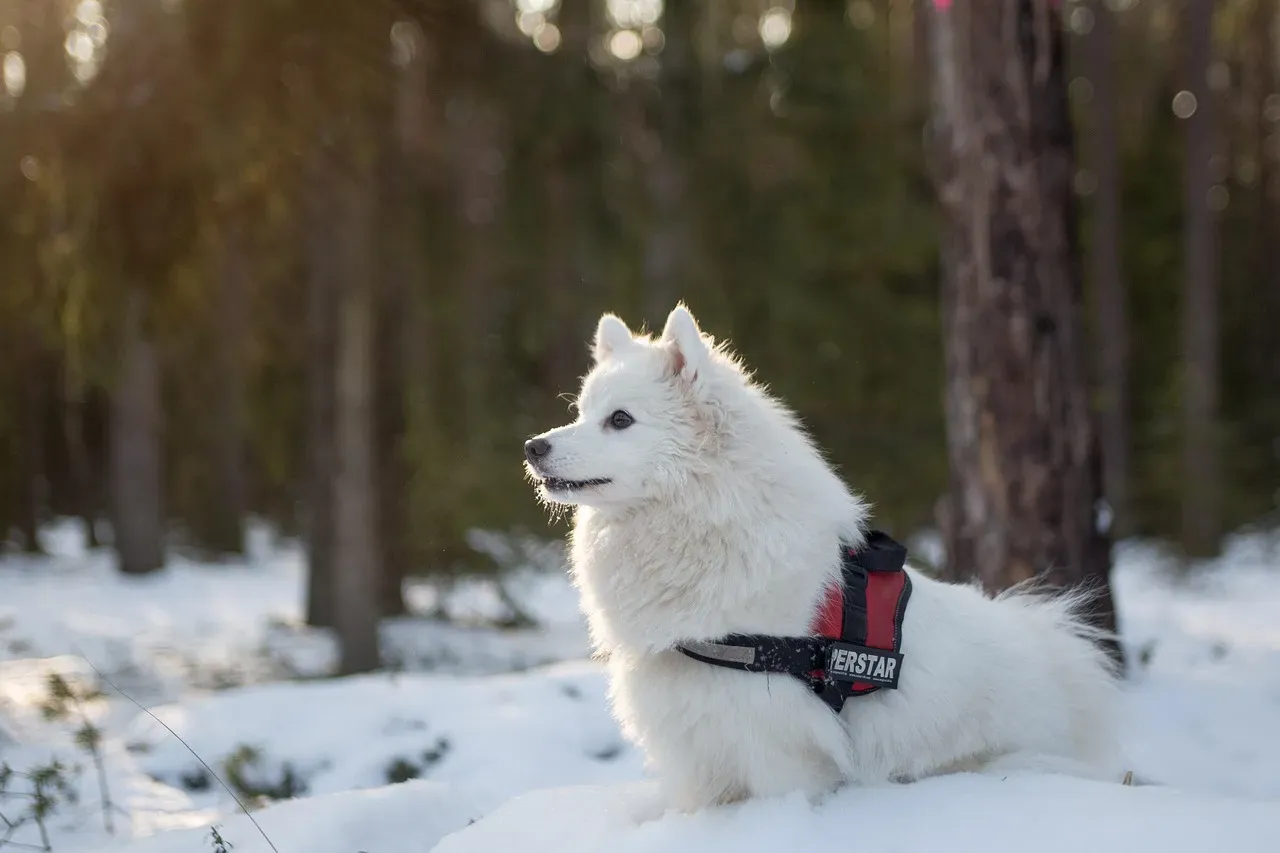
The Samoyed carries a thick double coat that demands professional grooming every few weeks to prevent matting and skin problems. Owners quickly learn that home brushing alone rarely keeps up with the shedding, so regular salon visits become a recurring line item in the budget. Food costs also run higher than average because this active breed needs quality nutrition to maintain its energy levels without gaining excess weight.
Over a decade the cumulative grooming and dietary expenses can exceed several thousand dollars, turning what seemed like a fluffy companion into a noticeable financial commitment. Many first time owners underestimate how often the coat needs attention in different seasons. That steady upkeep keeps the Samoyed looking its best while protecting its skin health at the same time.
2. Chow Chow
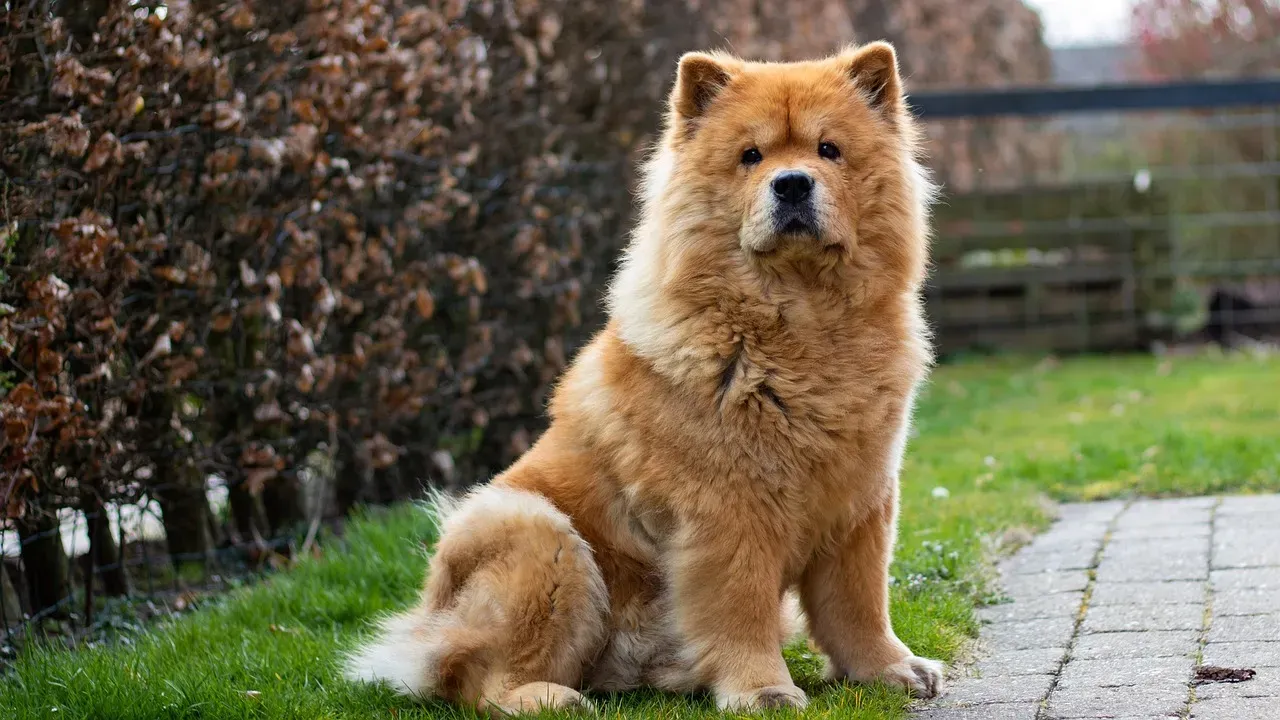
Chow Chows require consistent grooming to manage their dense fur, yet their independent nature sometimes makes at home care tricky and leads owners to schedule more professional sessions. Their unique physiology also means they can be prone to certain joint and eye conditions that call for monitoring over the years. Quality food formulated for their needs adds another layer to monthly spending.
These factors combine to make routine care more involved than many expect when they first bring a Chow home. Regular checkups help catch issues early, but they still represent an ongoing investment. Owners who plan ahead find the breed rewarding once they adjust to the maintenance rhythm.
3. Great Dane
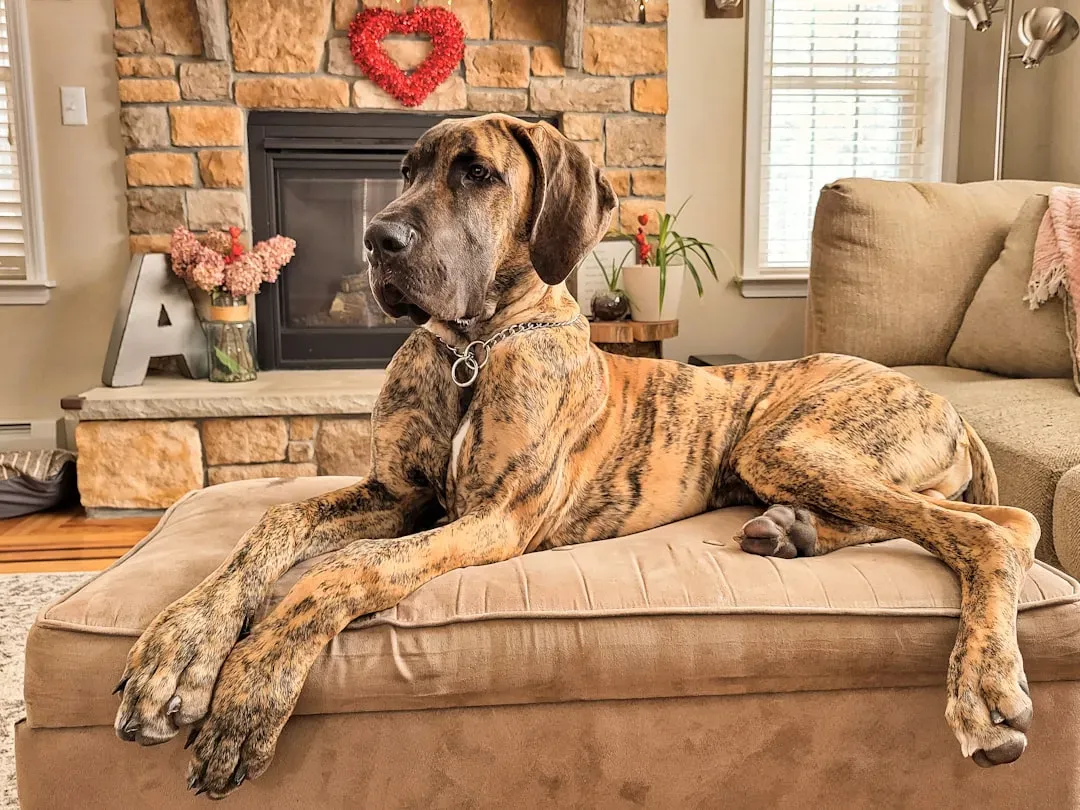
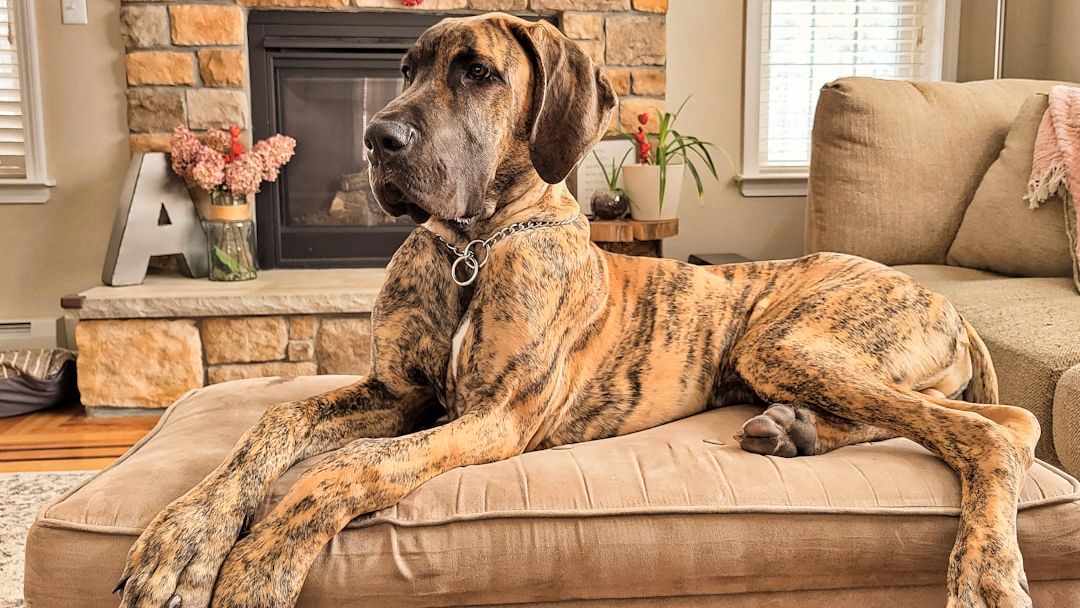
Great Danes grow into massive adults that consume large quantities of food each month, and their size often requires custom beds, harnesses, and even vehicle adjustments for travel. Their shorter lifespan and predisposition to conditions like bloat and heart disease mean more frequent veterinary attention compared with smaller breeds. Vets frequently highlight these health patterns because early detection can make a real difference in quality of life.
The combination of high caloric needs and potential medical interventions creates expenses that surprise even experienced dog owners. Many families discover that the breed’s gentle temperament comes with practical realities around space and care routines. Planning for those realities helps keep ownership sustainable rather than overwhelming.
4. Afghan Hound
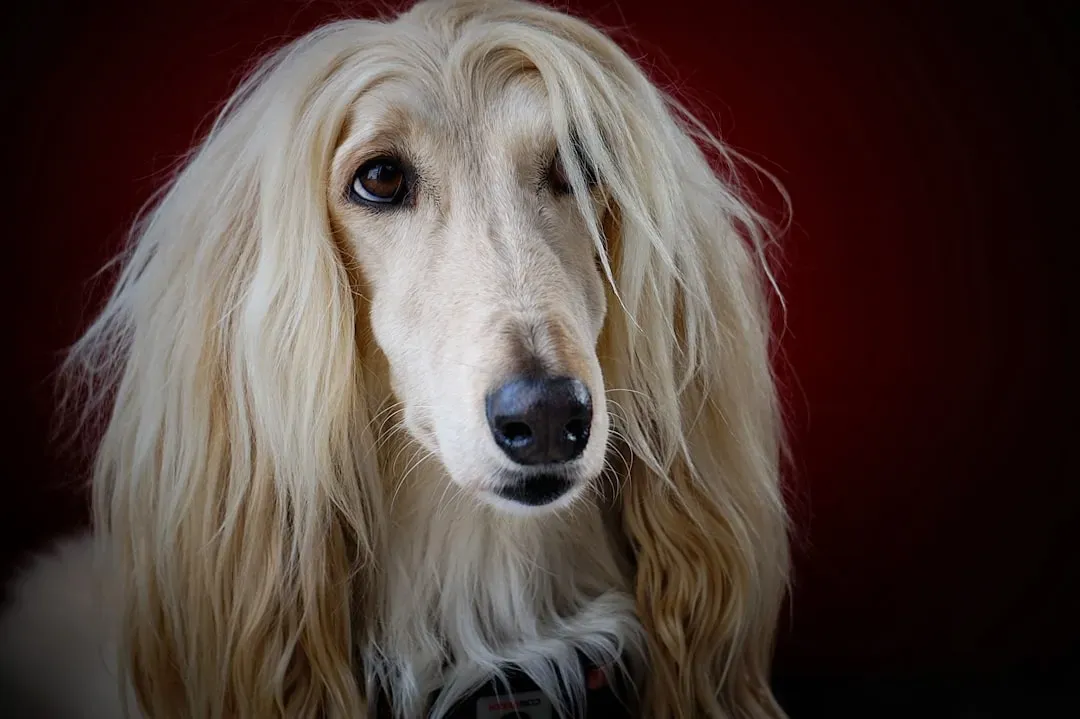
Afghan Hounds possess a long, silky coat that needs meticulous brushing and occasional professional trimming to avoid tangles and keep the dog comfortable. Their sighthound heritage also calls for regular exercise that sometimes involves specialized training or equipment. These grooming and activity demands add steady costs that accumulate over time.
Owners who enjoy the breed’s elegant appearance usually accept the upkeep as part of the package, yet the time and money involved can exceed initial expectations. Consistent care routines protect the coat and support the dog’s overall well being. Those who stay on top of the schedule find the Afghan remains striking and healthy.
5. Akita
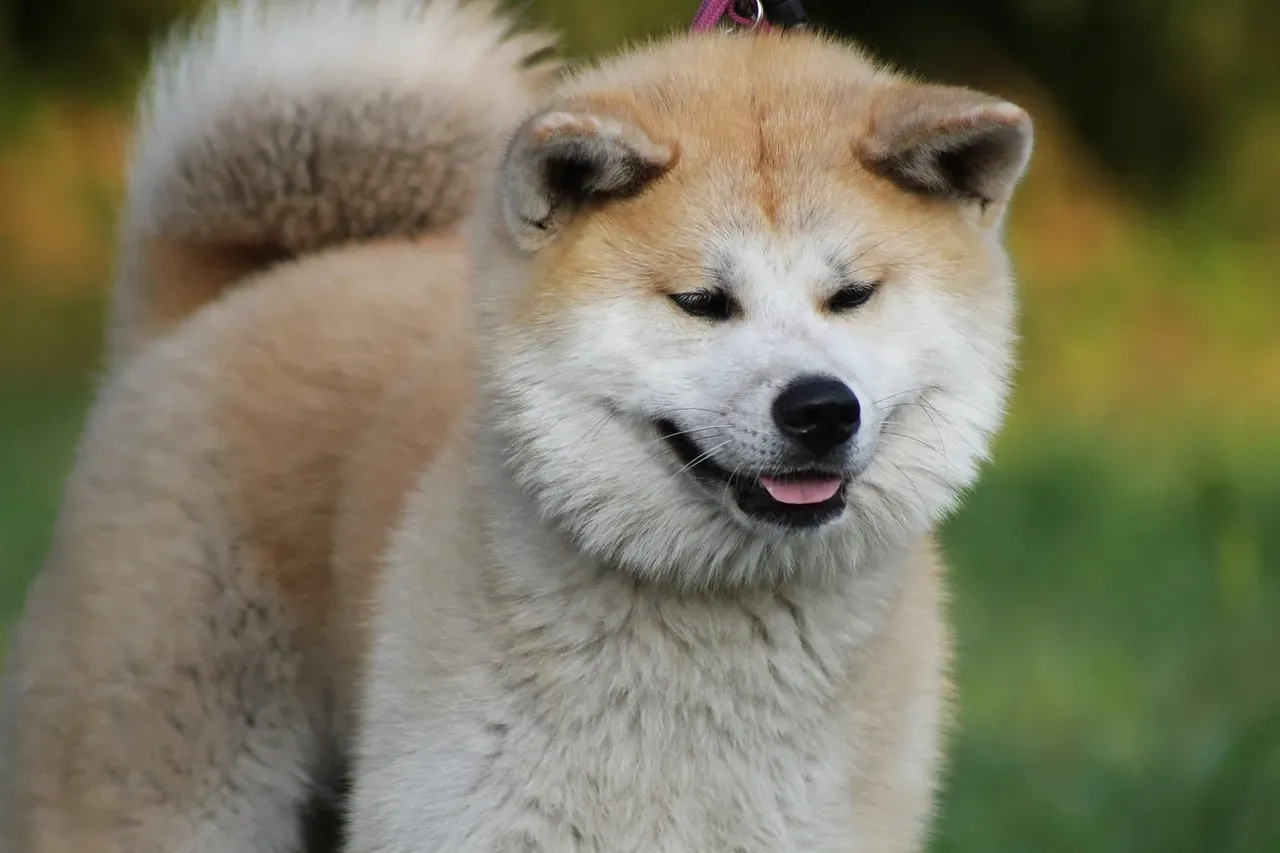
Akitas carry a dense coat that sheds heavily twice a year, requiring extra grooming sessions and sometimes professional help during peak seasons. Their strong build and protective instincts benefit from experienced handling and quality nutrition to support joint health as they age. Routine veterinary care for potential breed specific sensitivities further contributes to lifetime expenses.
Many owners appreciate the loyalty this breed offers once they adjust to the practical side of ownership. The grooming peaks and dietary needs create predictable but notable budget items. Forward planning around those cycles helps keep costs manageable across the years.
6. Tibetan Mastiff

Tibetan Mastiffs often command high purchase prices, yet the real surprise comes from their ongoing needs for spacious living arrangements and substantial food portions as they mature. Their thick coat requires regular maintenance to stay healthy in varying climates, and their independent temperament can lead to specialized training sessions. These elements together push total ownership costs higher than many anticipate.
Families who research the breed thoroughly before committing tend to handle the expenses more smoothly. The combination of size, coat care, and space requirements creates a long term commitment that rewards preparation. Owners who embrace those realities enjoy the distinctive presence this ancient breed brings to a household.
Choosing any of these breeds means weighing the joy they bring against the real financial picture that unfolds over a decade or more. The best outcomes come from honest budgeting and a willingness to adapt routines as the dog grows. In the end, the dogs that fit a household’s lifestyle and resources tend to deliver the most lasting companionship.


