
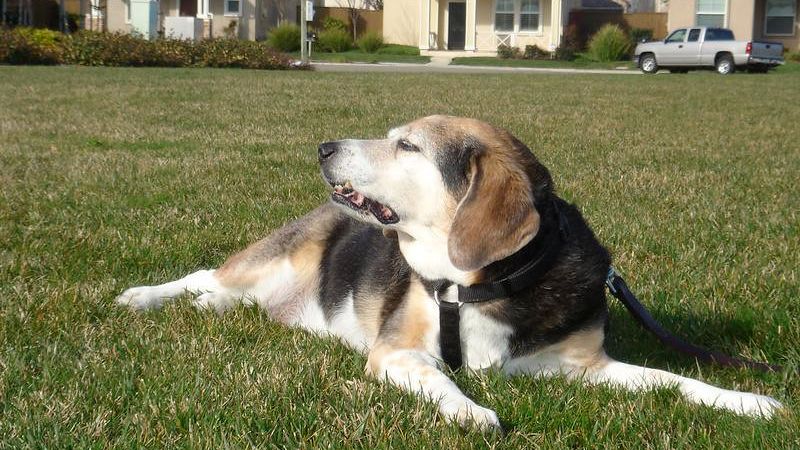
Dogs notice shifts in a room long before most people do. Their ears twitch at sounds too faint for us, and their noses catch traces we cannot even imagine. Sometimes those reactions line up with moments when the atmosphere feels heavier, as if something unseen has slipped inside.
Owners have shared stories for generations about pets reacting to spaces that suddenly feel off. The behaviors vary, yet a few patterns keep appearing in homes where tension lingers. Here are eleven of the most commonly described signs.
They Fixate on Empty Corners
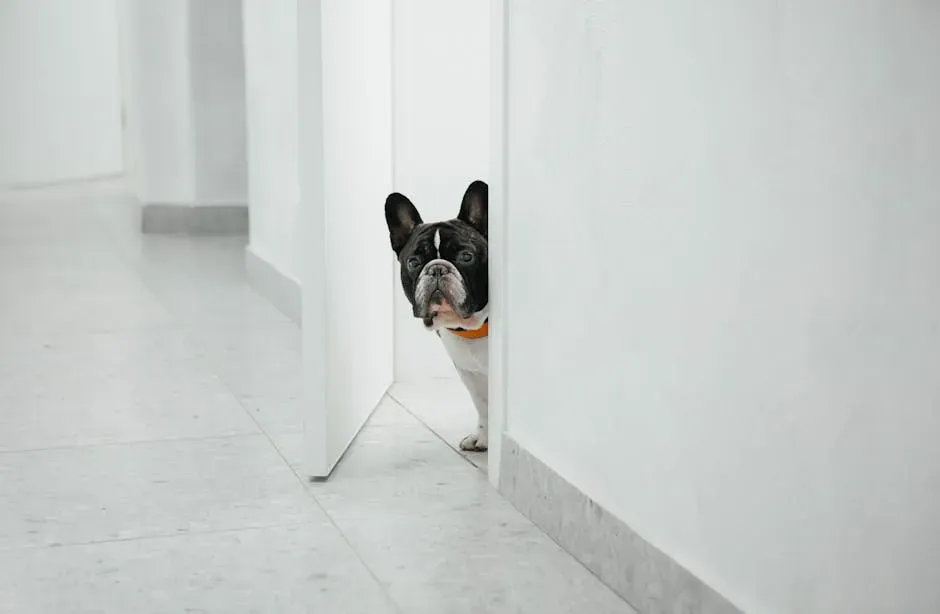
A dog may plant itself in the middle of the floor and stare at one particular corner for minutes at a time. The gaze stays locked even when nothing visible moves. Some owners notice the dog’s head tilting slightly, as though tracking a slow, silent motion.
Breathing can slow during these moments, and the body stays perfectly still. The behavior often repeats in the same spot night after night. It leaves people wondering what exactly holds the animal’s attention so completely.
They Bark at Nothing in Particular
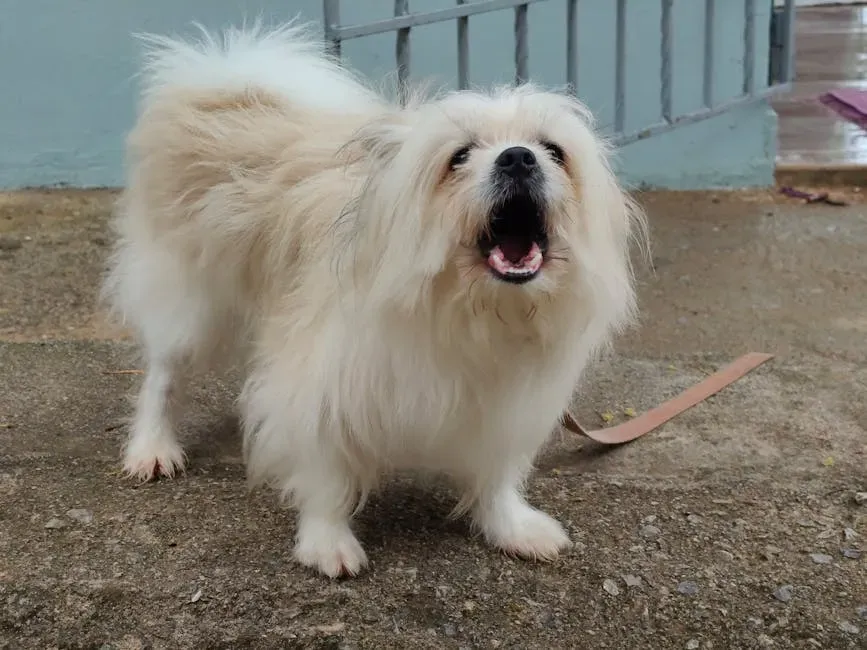
Short, sharp barks can erupt toward a blank wall or an empty hallway. The sound carries a different tone than the usual alert for a delivery person or squirrel outside. It stops as suddenly as it starts, leaving the room quiet again.
Owners sometimes try to distract the dog with treats or toys, yet the barking returns once attention drifts back to that same direction. The pattern feels purposeful rather than random. Over time it becomes hard to dismiss as simple boredom.
They Pace Through the Same Route
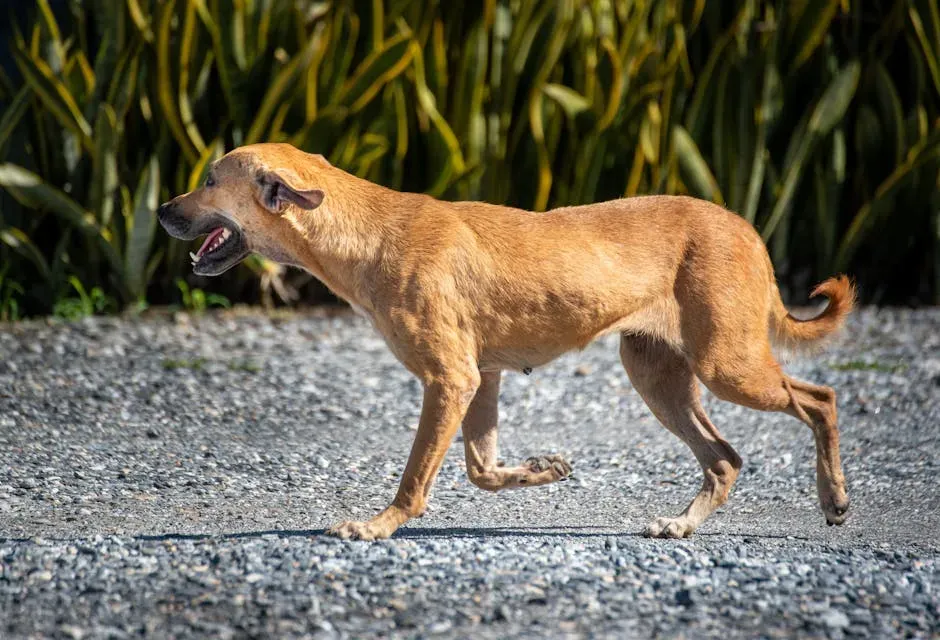
Restless walking along one narrow path through the living room or kitchen can last for long stretches. The dog retraces the exact line again and again without settling. Paws stay tense, and the tail stays low.
Attempts to block the route or redirect the animal usually fail. The pacing often happens during quiet evening hours when the house should feel calm. It gives the impression the dog is guarding or avoiding something along that line.
They Hide in Unexpected Places

Some dogs suddenly choose the back of a closet or under a rarely used table as their new safe spot. They stay there even when called for meals or walks. The chosen hiding place tends to be away from the area that feels charged.
They may emerge only after the owner sits nearby and speaks softly. The reluctance to leave the shelter can last for hours. It stands out because the dog normally prefers open spaces near family members.
They Growl at Specific Spots on the Floor

A low, steady growl directed at one patch of carpet or tile can continue even when nothing appears there. The sound stays consistent rather than escalating into full barking. Ears stay forward and the body leans slightly away.
Touching the spot or walking across it sometimes quiets the growl for a short while. Yet the reaction returns once the dog settles again. Owners often mark the location and notice the dog avoids stepping on it later.
They Refuse to Enter Certain Rooms
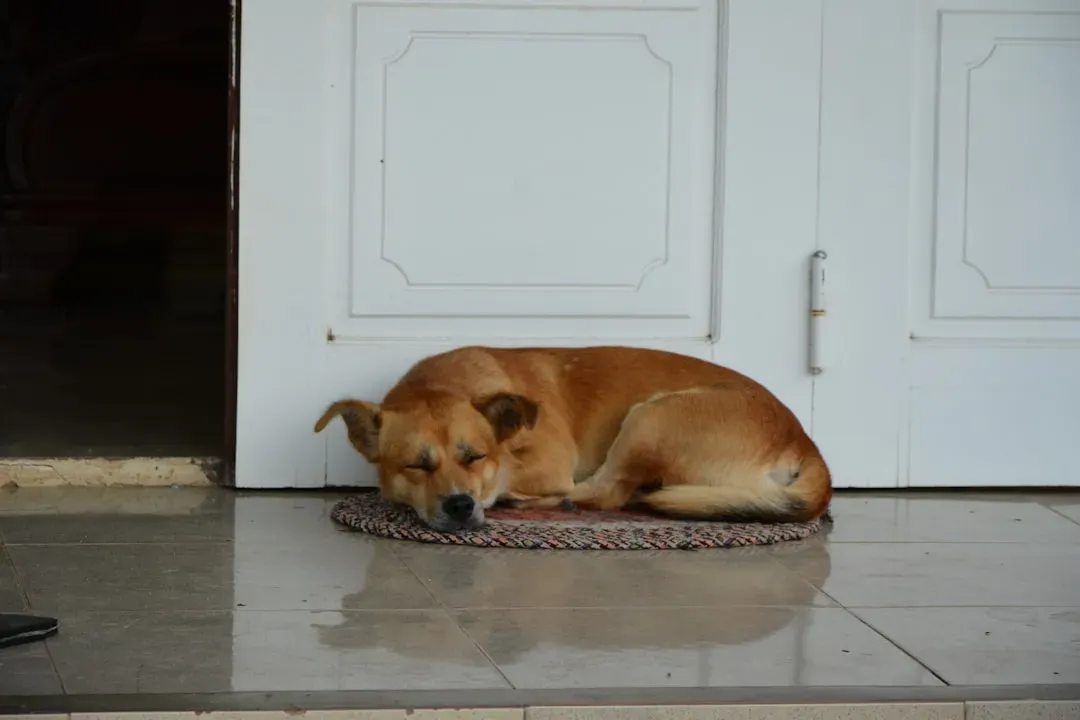
A previously favorite bedroom or study suddenly becomes off limits. The dog stops at the doorway, plants its feet, and will not cross the threshold no matter how much encouragement is offered. Treats tossed inside go untouched.
The refusal can last days or weeks before the dog tests the entrance again. When it finally enters, it moves quickly and stays close to the door. The change feels abrupt and tied to that single space.
They Sniff the Air Repeatedly
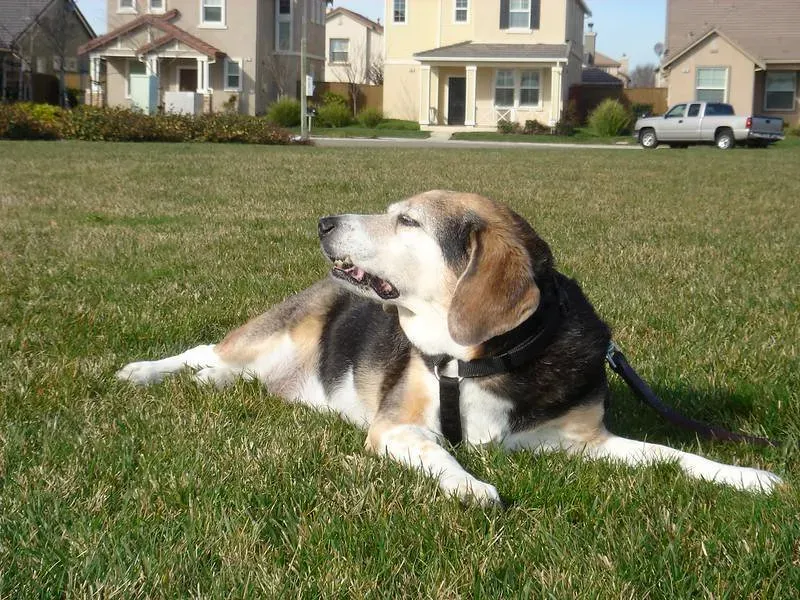
Quick, shallow sniffs directed upward or toward a particular wall can happen without any obvious source of scent. The nose works overtime while the rest of the body remains still. Sometimes the sniffing moves along an invisible line across the room.
Owners may open windows or run fans, yet the behavior continues. It differs from the usual interest in cooking smells or new furniture. The focused air sampling suggests the dog detects something beyond normal household odors.
They Tuck Their Tail and Lower Their Head
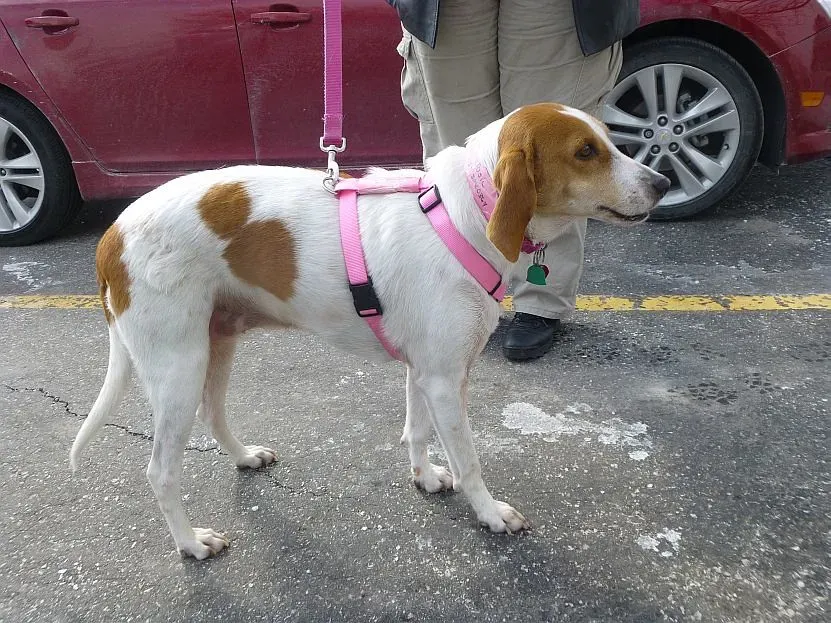
A sudden shift to a tucked tail and lowered posture can occur in the middle of normal play. The change happens without any loud noise or visible threat nearby. The dog may stay in that defensive stance while scanning the room.
Petting or calling the dog’s name sometimes lifts the posture briefly. The tail tucks again once attention moves elsewhere. The posture looks like the animal is bracing for something it expects but cannot name.
They Track Movement With Their Eyes Alone
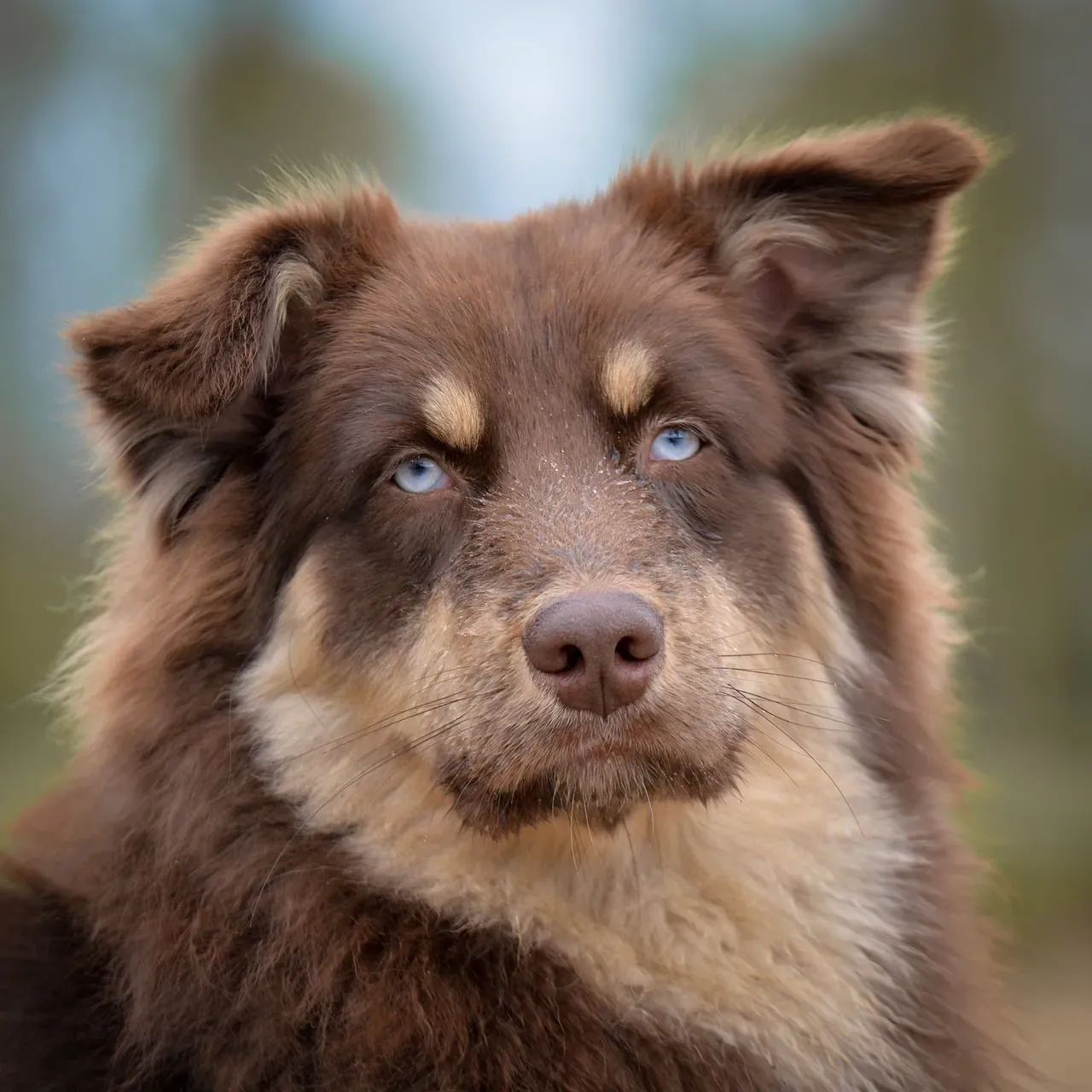
Eyes follow a slow path across the ceiling or along a wall even though nothing casts a shadow there. The head stays mostly still while the gaze moves steadily. Blinking slows during these tracking moments.
The path the eyes take often ends at a corner or doorway. Afterward the dog may shake its head or sneeze, as though clearing the air. The motion repeats in the same sequence on later occasions.
They Wake Up Alert in the Middle of the Night

Sudden waking from sleep, followed by intense listening or staring, can happen at the same hour several nights in a row. The dog does not bark right away but remains rigid until the moment passes. Normal settling back to sleep takes longer than usual.
Owners who check the clock notice the timing often falls between two and four in the morning. The dog may move to a different sleeping spot afterward. The pattern disrupts rest for both pet and household.
They Become Extra Clingy Toward Their People
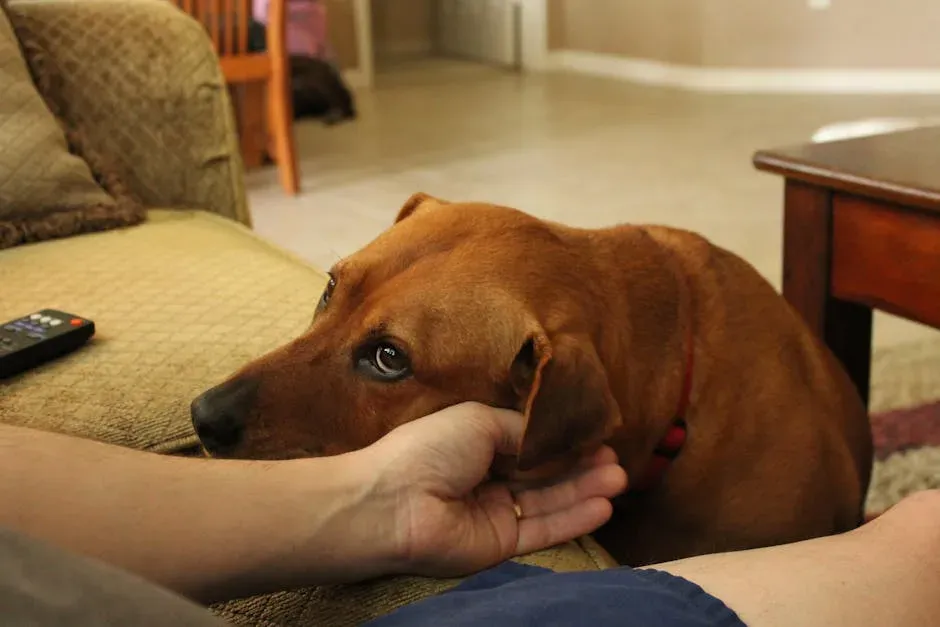
Following the owner from room to room and leaning against legs for reassurance can increase noticeably. The dog seeks constant contact even during routine tasks like cooking or reading. Separation for even a few minutes brings whining at the door.
The clinginess eases only when the owner stays in one place for a while. It feels like the animal draws comfort from human presence rather than from the environment itself. Over several days the behavior becomes a clear signal that something has changed at home.
They Show These Signs Together Rather Than Alone
Most of the time a single behavior appears first, yet others soon join it. Staring may lead to pacing, which then brings hiding or clinginess. The combination makes the overall change harder to ignore.
Owners who keep a simple note of when each sign appears often see clusters forming around the same evenings or rooms. The pattern suggests the dog is responding to one underlying shift rather than separate unrelated events. Watching the full set of reactions gives a clearer picture than any single action on its own.


