Many people picture dogs as adaptable companions who simply nap through the hours until their humans return. In reality, some breeds form such intense bonds or carry such high energy needs that extended solitude triggers real physical distress, from digestive upset to self injury. The signs often appear after just a few hours, turning what seems like a routine absence into a source of genuine harm.
Labrador Retriever
Labrador Retriever (Image Credits: Unsplash)Labradors thrive on constant human interaction and activity. When left alone beyond a short window, their stress often shows up as pacing that leads to sore paws or even joint strain from repetitive movement. They may also develop stomach issues from anxiety induced gulping of air or refusing food. Owners frequently report these dogs chewing through doors or crates, resulting in cuts and bruises that require veterinary attention.
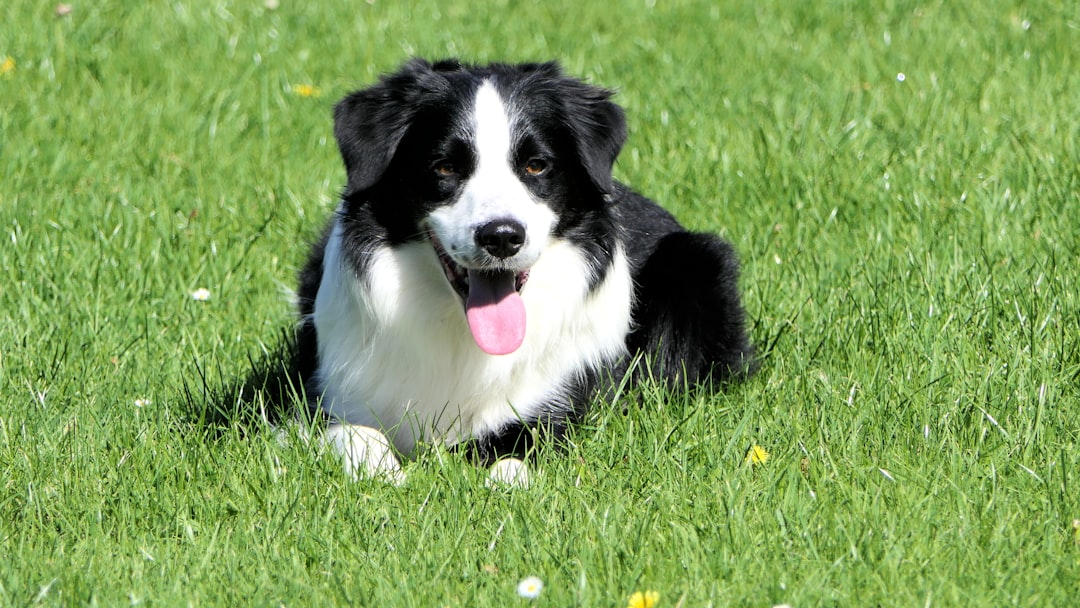
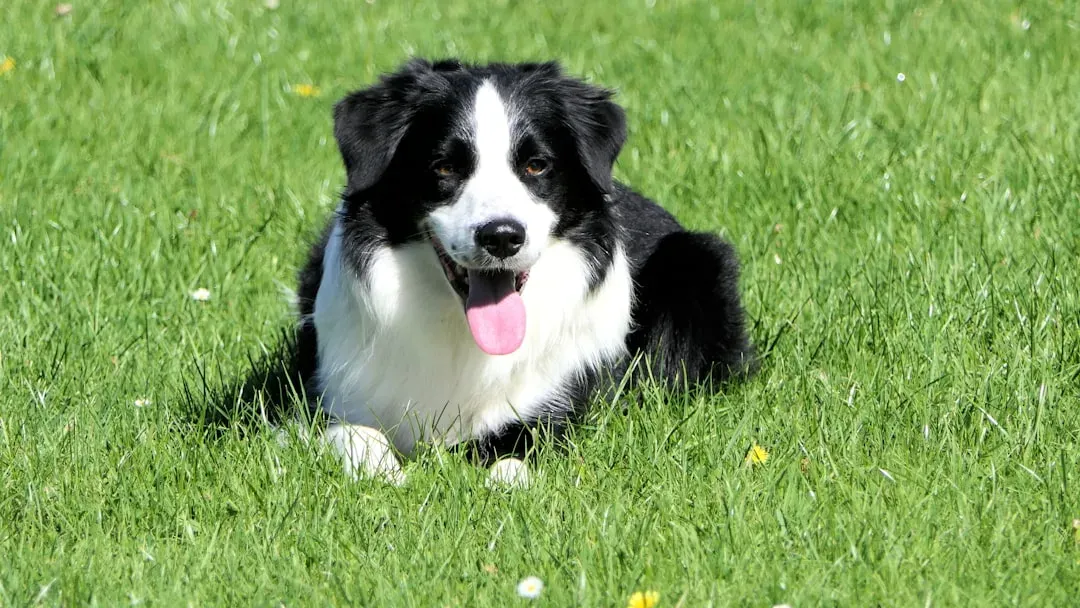
Border Collie
Border Collie (Image Credits: Unsplash)Border Collies were bred for nonstop work and mental engagement. Isolation quickly turns their sharp minds against themselves, producing frantic barking that irritates throats and exhausts vocal cords. Without outlets, they pace until their pads crack or they develop pressure sores from lying in one stressed position. The physical toll builds fast because their bodies stay primed for action that never comes.
Golden Retriever
Golden Retriever (Image Credits: Pexels)Goldens form deep attachments and often struggle with the quiet of an empty house. Their anxiety can manifest as excessive drooling that leads to dehydration or skin irritation around the mouth. Some develop diarrhea or vomiting from the stress, while others chew at their own fur until bald patches and sores appear. The breed’s gentle nature makes these reactions especially noticeable to attentive owners.
German Shepherd
German Shepherd (Image Credits: Pixabay)German Shepherds bond tightly with their families and stay alert even when no one is home. Prolonged alone time often produces destructive chewing that damages teeth and gums. They may also experience muscle tension from constant vigilance, leading to stiffness or tremors. In severe cases the stress affects their immune response, leaving them more vulnerable to minor illnesses that compound the problem.
Australian Shepherd
Australian Shepherd (Image Credits: Unsplash)Australian Shepherds need both physical exercise and mental challenges to stay balanced. When those needs go unmet for several hours, they often resort to spinning or tail chasing that causes dizziness and skin abrasions. Their high drive can also trigger refusal to eat or drink, resulting in rapid weight loss and lethargy. The physical symptoms tend to appear earlier in this breed than in more laid back dogs.
Vizsla
Vizsla (Image Credits: Pixabay)Vizslas are known as velcro dogs because they prefer to stay glued to their people. Separation beyond a few hours frequently brings on trembling and elevated heart rates that leave them exhausted. They may lick their paws raw in an attempt to self soothe, creating hot spots that need treatment. The breed’s lean build makes any drop in appetite especially noticeable and concerning.
Toy Poodle
Toy Poodle (Image Credits: Pixabay)Toy Poodles form strong attachments despite their small size. Alone time often leads to nonstop vocalization that strains their small throats and causes hoarseness. They sometimes develop house soiling from sheer distress, which irritates sensitive skin. Their fine coats can also mat from nervous shaking or excessive grooming attempts.
Cavalier King Charles Spaniel
Cavalier King Charles Spaniel (Image Credits: Unsplash)Cavaliers were bred as constant companions and often show clear physical reactions to solitude. Stress can trigger heart palpitations in a breed already prone to cardiac concerns. They may also scratch at doors until their nails break or paws bleed. Digestive slowdowns and loss of appetite add to the strain, making recovery slower once the owner returns. Choosing one of these breeds means planning for their social and activity needs rather than hoping they will simply adjust. With the right support, many can thrive, yet the reality remains that extended isolation carries a measurable cost for them.