
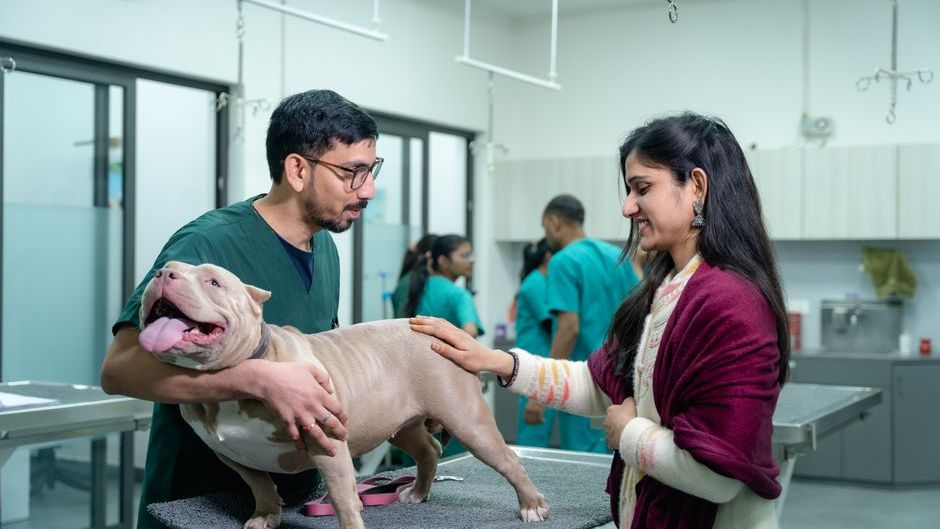
The Remarkable Sensory World of Dogs

Dogs experience the environment through senses that operate on a completely different scale from ours. Their hearing reaches frequencies well beyond human range, allowing them to pick up faint noises from behind surfaces or at a distance. This difference means a blank wall can hold plenty of interest when subtle sounds or movements occur on the other side.
Smell adds another dimension, with dogs able to detect trace odors that linger or seep through materials. These abilities turn ordinary spaces into rich sources of information. Owners often notice the behavior during quiet moments when nothing obvious draws attention.
Everyday Triggers Behind the Wall Gaze
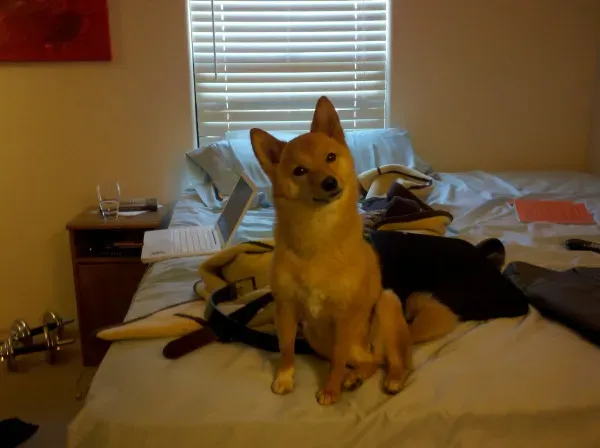
Many instances trace back to normal curiosity about household activity. A dog might track the path of a small insect moving inside a wall or follow the echo of pipes settling after use. Such focus reflects how their attention stays sharp even when the source stays hidden from view.
Light reflections or minor vibrations can also hold their interest for extended periods. These moments rarely signal trouble and instead show how dogs stay engaged with their surroundings. Watching them reminds people of the constant stream of details that escape notice.
Hidden Household Elements They Might Sense
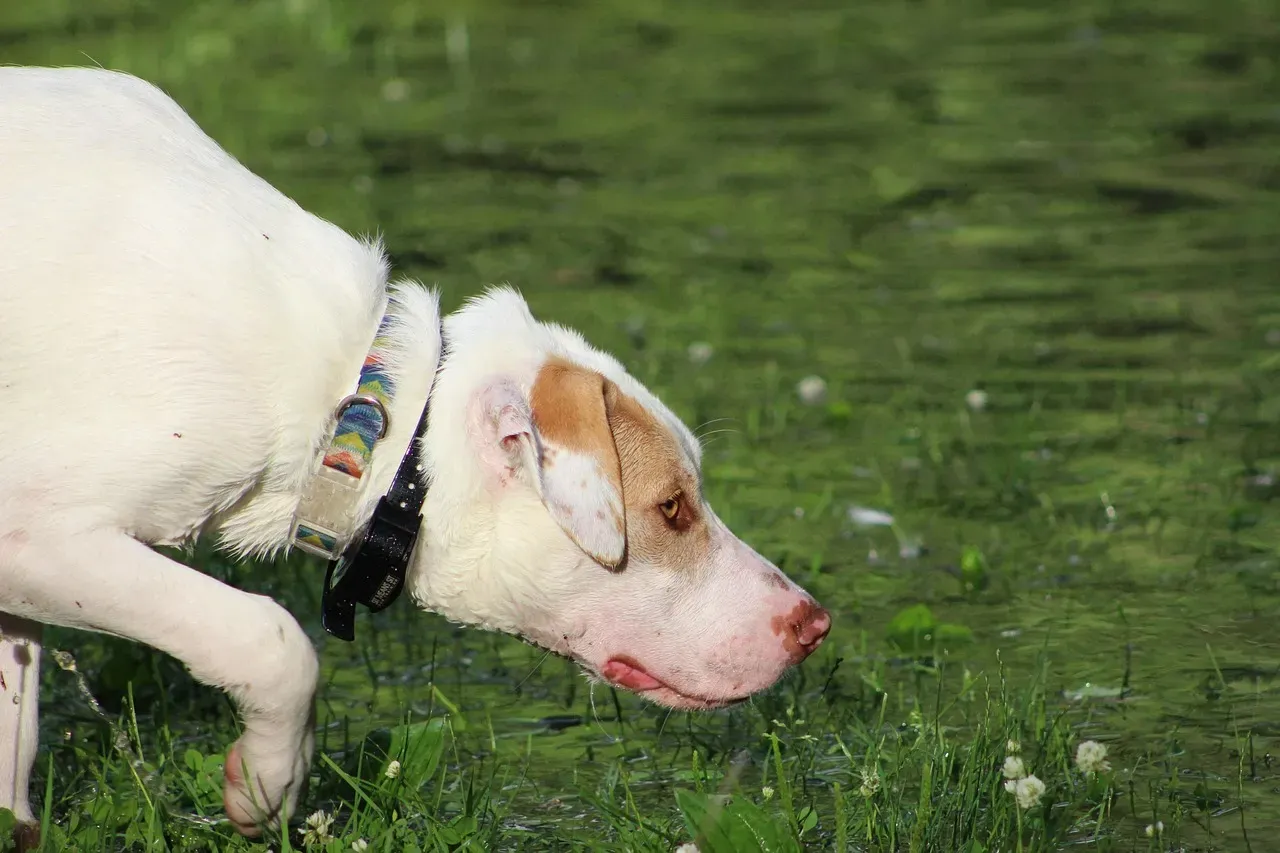
Sometimes the stare points toward actual things like rodents or insects active in hidden spots. Dogs often react first to these signs because their noses and ears catch early clues. This early detection can alert owners to issues before they become obvious problems.
Air currents carrying faint scents from outside or from other rooms may draw similar attention. The behavior serves as a quiet reminder of how connected pets remain to the physical space around them. Paying attention to patterns in when it happens can reveal useful clues about the home environment.
Age and Cognitive Shifts in Older Dogs

As dogs grow older their behavior can change in ways that include more staring episodes. Canine cognitive changes sometimes lead to periods of disorientation or fixation on familiar surfaces. These shifts develop gradually and often appear alongside other small adjustments in daily routines.
Many senior dogs continue to enjoy good quality of life even with these moments. Regular checkups help track any progression and keep them comfortable. The staring itself becomes one signal among others that owners learn to read over time.
Medical Conditions Worth Ruling Out

Certain health issues can produce staring as a symptom, including seizures or vision changes. A sudden increase in the behavior calls for a visit to the veterinarian to check for underlying causes. Early attention often makes management simpler and more effective.
Brain related conditions remain less common yet deserve consideration when other signs appear. Owners who notice additional changes like confusion or altered sleep patterns gain the most from professional input. Most cases still turn out to involve the everyday sensory reasons rather than serious illness.
Behavioral Patterns and Anxiety Links
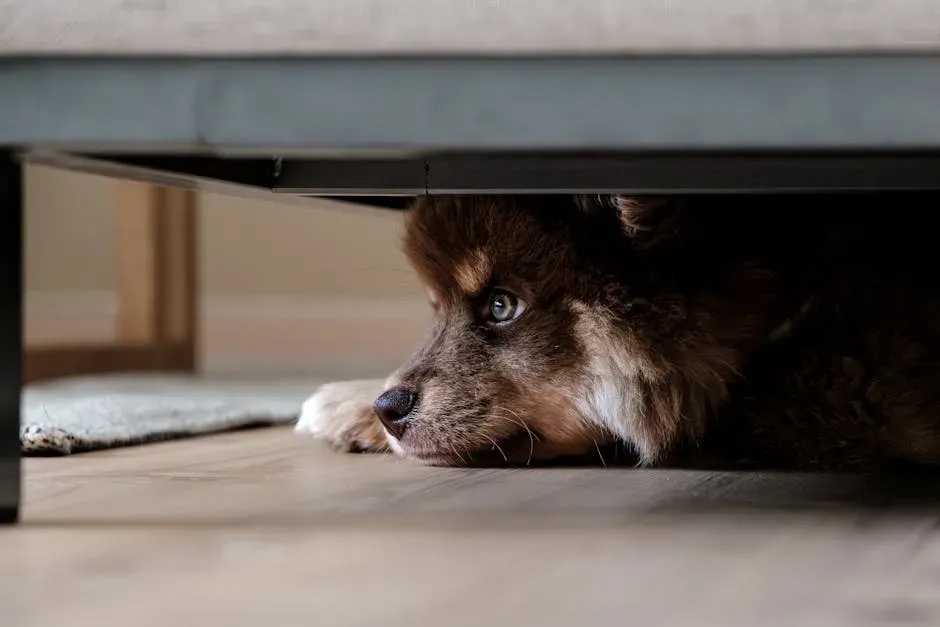
Some dogs develop the habit through anxiety or repetitive patterns that provide comfort. Stress from changes in the household or routine can lead to longer periods of fixation. Recognizing these links helps owners address the root feelings rather than the surface action alone.
Enrichment activities and steady daily structure often reduce the frequency of such episodes. The behavior then serves as a useful cue for adjusting the environment to better suit the dog. Many owners find that small shifts bring noticeable improvement in overall calm.
Embracing What Your Dog Can Teach You

Dogs offer a window into details of the home that otherwise stay overlooked. Their reactions encourage closer observation and sometimes prompt useful maintenance or adjustments. This partnership strengthens the bond between pet and person over time.
Ultimately the staring reflects a mix of natural gifts and occasional signals worth heeding. Trusting those instincts while staying attentive to health creates a balanced approach. In the end it deepens appreciation for the quiet ways dogs share their world with us.


