
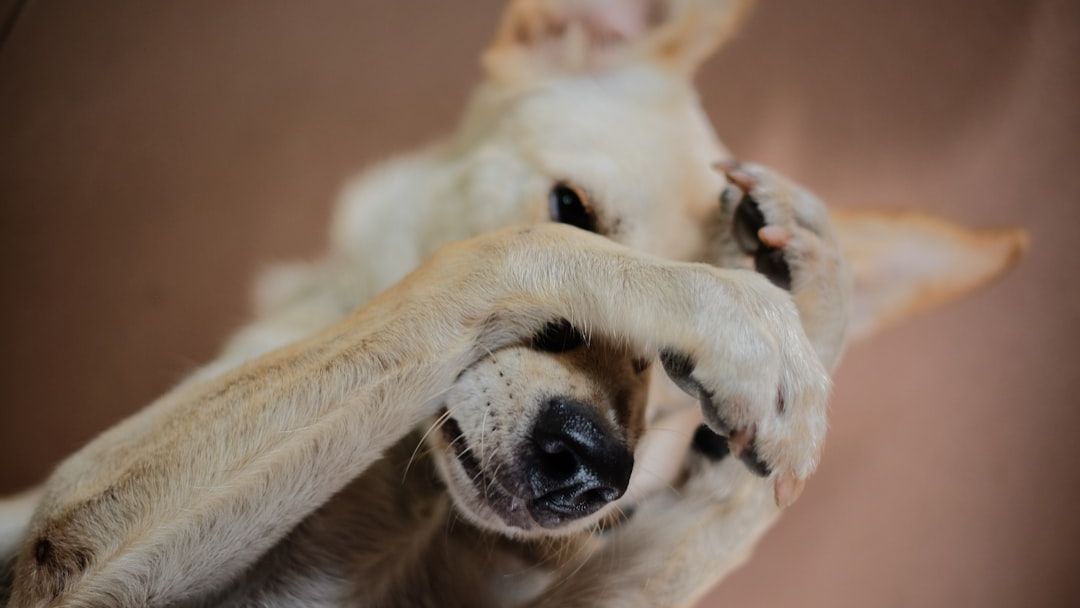
Watch a dog settle in for a nap and you might catch them pressing a paw gently over their eyes or nose. It looks like a shy move or a bid for privacy, yet the gesture often runs deeper than it appears at first glance.
Many owners notice the habit without thinking much about it, but recent attention from animal behavior observers suggests it can reflect a built in way dogs ease themselves into rest. The question is what exactly drives the action and how it fits into their daily sense of security.
The Roots of This Familiar Pose
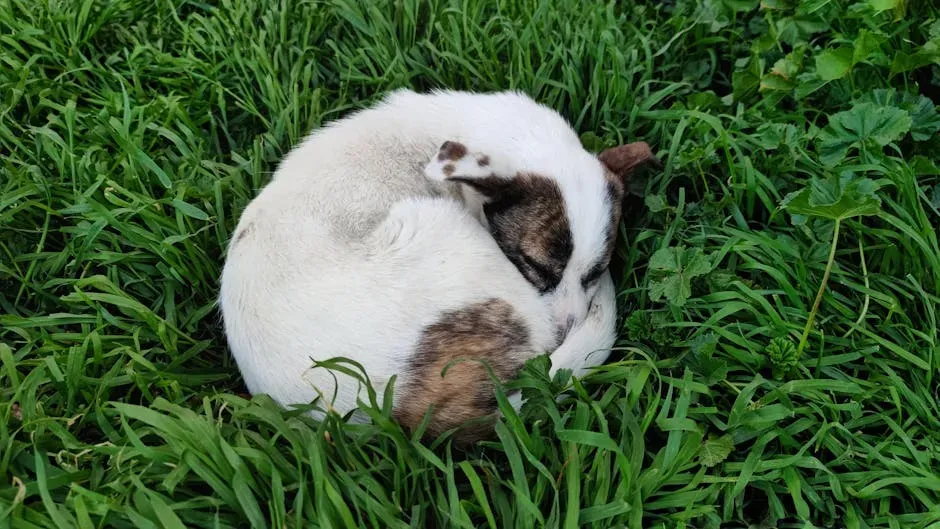
Dogs inherit a range of sleeping postures from their wild ancestors who needed to stay safe while vulnerable. Tucking the face helps shield sensitive areas like the eyes and nose from potential threats in the environment. This instinct lingers even in homes filled with soft beds and familiar scents.
Over time the motion becomes a reliable signal that the dog feels settled enough to let down its guard. It is not random fidgeting but a practiced routine that supports deeper relaxation. Owners often see it repeated in the same way each evening.
Creating a Darker, Quieter Space
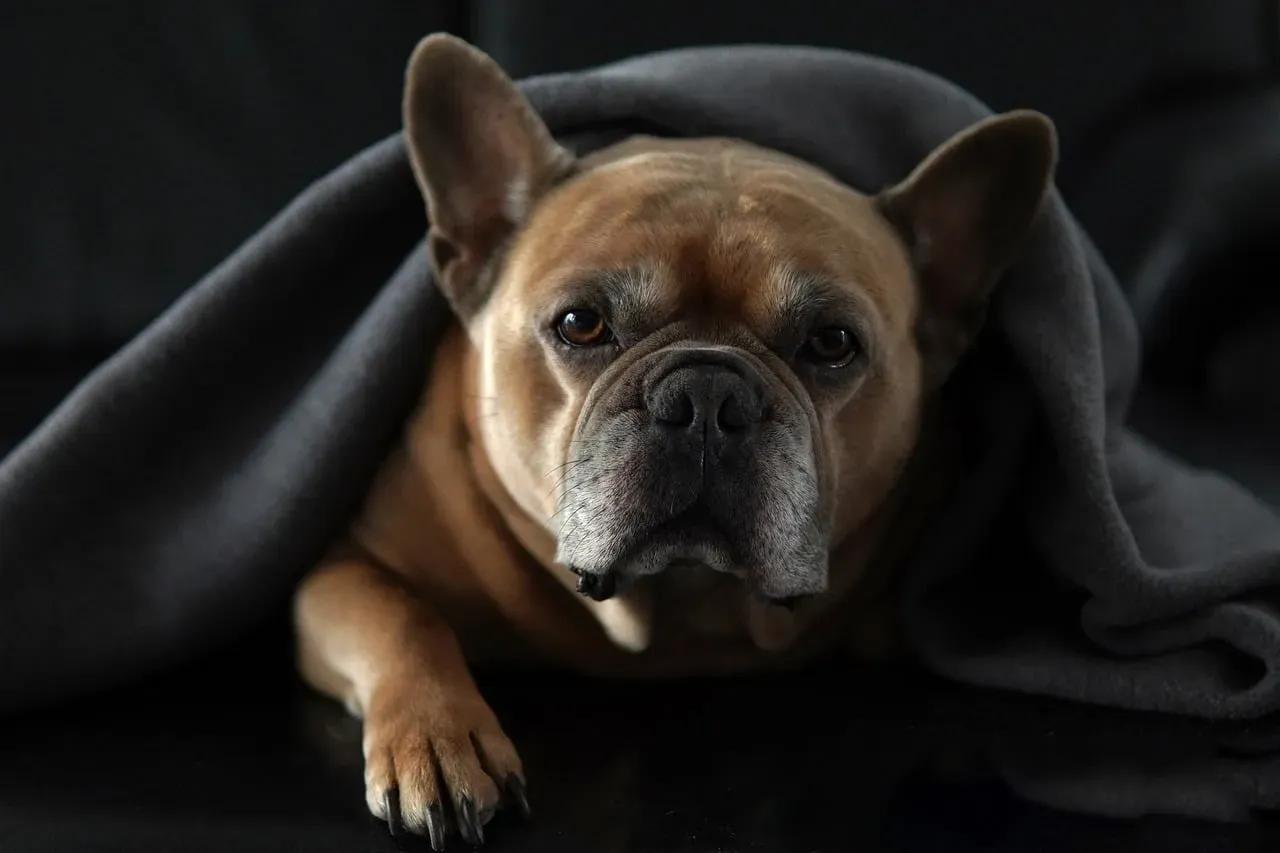
Light and sound can interrupt a dog’s rest just as they do for people. By draping a paw across the face a dog reduces visual stimulation and creates a small pocket of calm. The simple act mimics pulling a blanket higher or turning toward a darker corner of the room.
This adjustment proves especially useful in busy households where lamps stay on late or street noise filters through windows. The dog essentially builds its own quiet zone without needing to move to another spot. Many dogs repeat the motion even when the room is already dim.
Holding Onto Warmth Through the Night
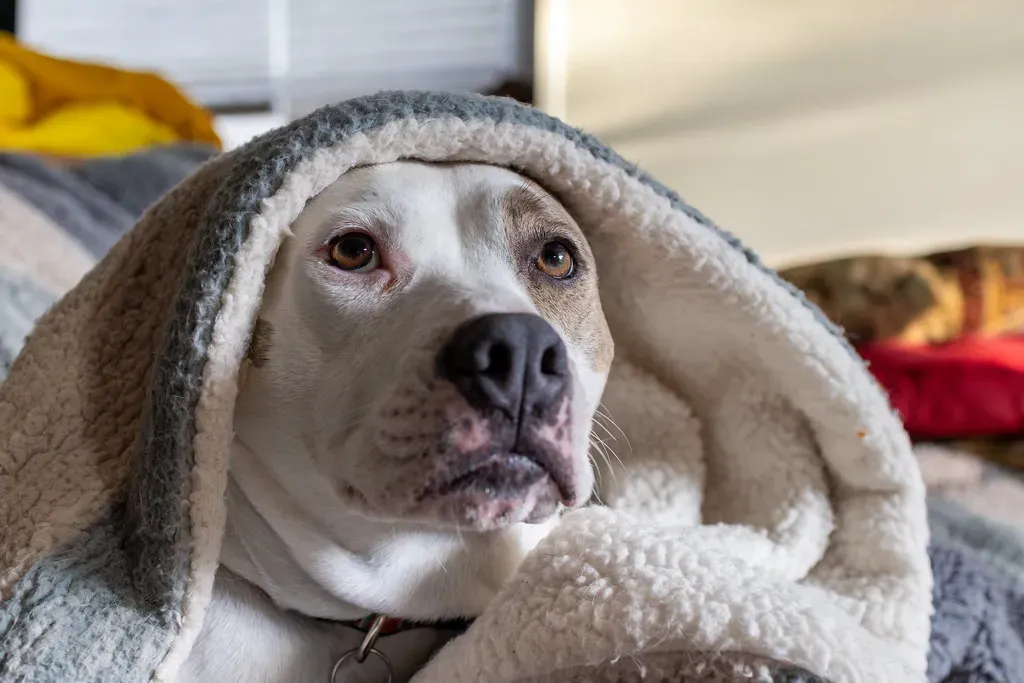
Noses lose heat quickly and dogs notice the chill during longer rests. Covering the face traps a bit of exhaled warmth and keeps the area more comfortable. The behavior works like a built in blanket that requires no extra effort from the owner.
In cooler seasons or air conditioned rooms the gesture appears more often. It is a practical response rather than a dramatic one. Dogs simply adjust their posture to match the temperature around them.
A Subtle Form of Self Soothing
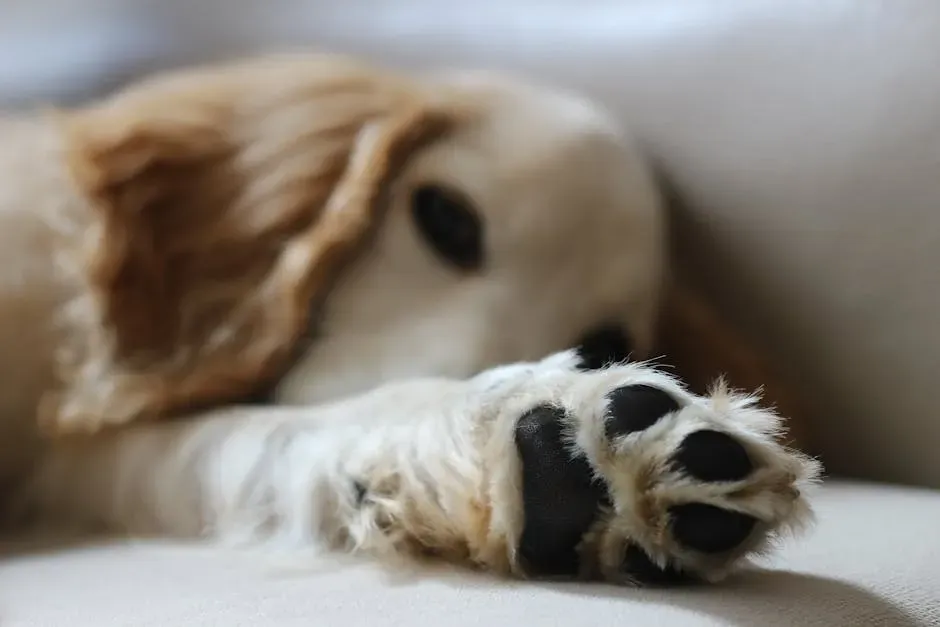
Pressing the paw to the face can ease mild tension or overstimulation from the day. The contact offers a steady point of focus that helps the dog transition from alert to drowsy. It functions much like a person rubbing their temples or resting their head in their hands.
Over repeated nights the motion becomes associated with safety and routine. Dogs that live with consistent schedules tend to show the habit more clearly. It serves as a quiet reset button before full sleep takes over.
When the Behavior Appears More Often
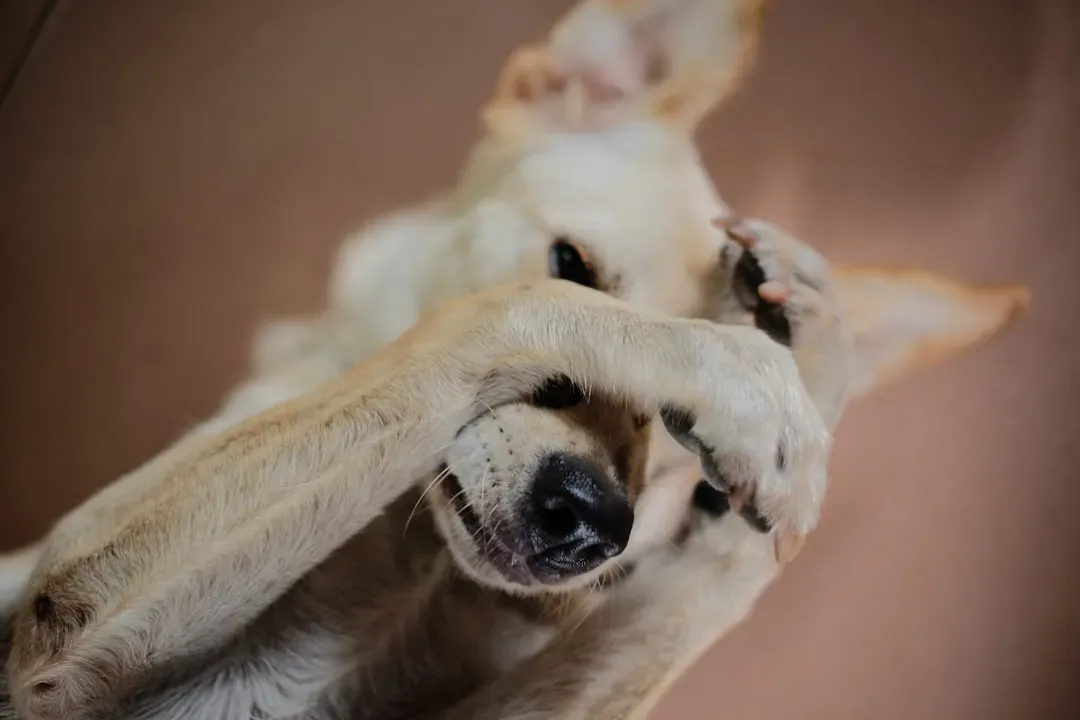
Some dogs cover their faces after busy days filled with visitors or new experiences. The extra layer of coverage seems to help them process the stimulation and settle faster. It is one of several small signals that the dog is managing its own comfort level.
Changes in the household such as new furniture or altered feeding times can also prompt the action. The dog uses the familiar motion to regain a sense of control. Owners who track these patterns often notice the connection without much effort.
Reading the Full Picture at Home
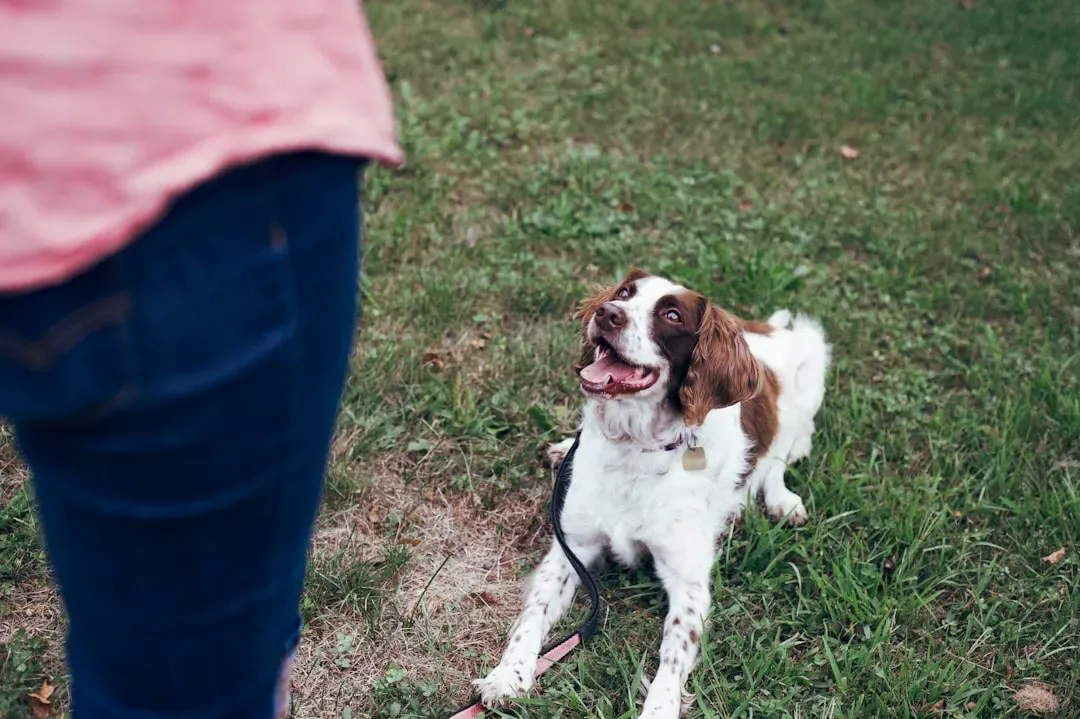
Context matters when interpreting the gesture. A dog that covers its face while curled tightly may simply be chasing warmth. One that does it while stretched out on its side could be seeking a darker pocket for rest.
Pairing the observation with other body language gives a clearer view. Relaxed breathing and loose muscles point to contentment. Stiff posture or repeated shifting might suggest something else is at play.
Supporting Your Dog’s Natural Habits
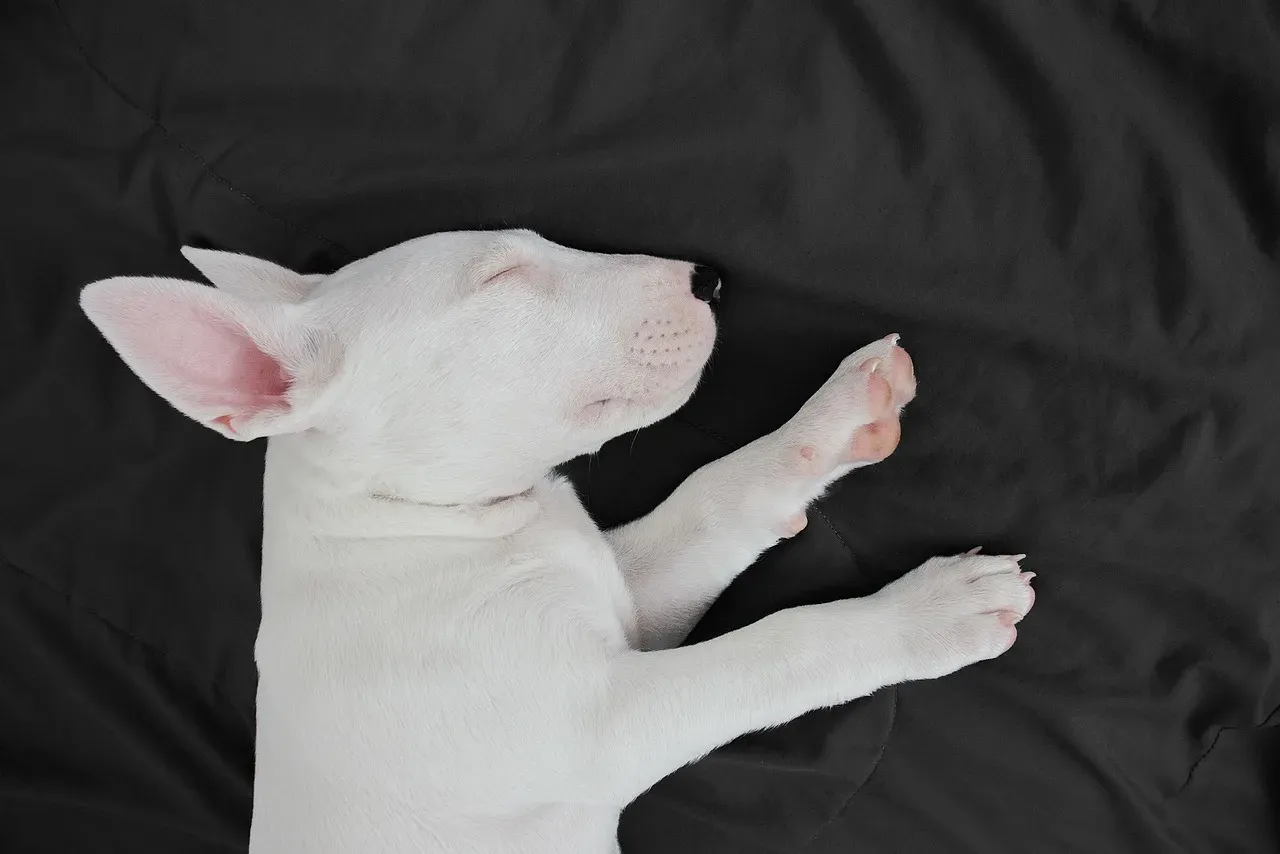
Providing a consistent sleeping area helps dogs rely on their own comforting routines. Dim lighting in the evening and a quiet corner reduce the need for extra adjustments. Most dogs settle into their preferred style once the space feels predictable.
Small changes like a familiar blanket or reduced evening noise can make the self comforting behavior even more effective. The goal is not to change the habit but to let it work smoothly. Over time the routine becomes part of the household rhythm.
In the end this quiet paw over the face reminds us that dogs carry their own quiet strategies for feeling secure. Paying attention to those small choices deepens the daily connection without requiring grand gestures. It is one more way they show how they navigate the world on their own terms.


