

How Dogs Read Human Emotions

Dogs have evolved alongside people for thousands of years, sharpening their ability to notice subtle shifts in tone, posture, and scent. They pick up on cortisol changes in the air and altered breathing patterns that signal rising stress. This sensitivity helps them stay close to their social group, yet it also means they absorb tension they cannot name or fix.
Studies in canine cognition show dogs respond differently to stressed versus relaxed human voices and faces. When conflict simmers without clear resolution, dogs may mirror the unease through restlessness or withdrawal first. Over time that internal pressure finds an outlet in the nearest available target, often household items left within reach.
The Connection to Unprocessed Conflict
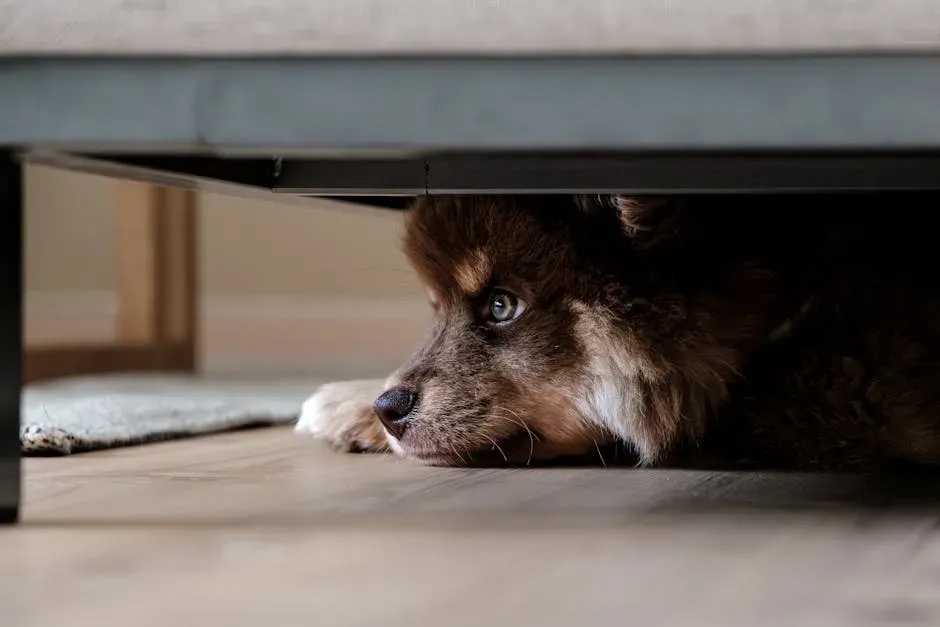
Conflict that stays unspoken tends to create a low level hum of anxiety in a shared living space. Dogs notice the lack of harmony through missed routines, sharper voices, or longer periods of silence between family members. They lack the words to ask what is wrong, so their bodies stay on alert.
Animal behaviorists observe that destructive episodes often spike after arguments or periods of emotional distance between owners. The dog is not acting out for attention alone. Instead the behavior serves as a release valve for tension the animal has absorbed from the environment around it.
Common Signs Before Destructive Outbursts

Owners frequently report pacing, excessive licking, or sudden clinginess in the days leading up to chewed furniture or shredded pillows. These early signals reflect the dog attempting to self soothe while monitoring the emotional climate. Ignoring them allows the stress to build until it spills into action.
Changes in appetite or sleep patterns can also appear when household conflict remains unresolved. A normally calm dog may start barking at minor sounds or refuse to settle in its usual spot. Tracking these shifts helps owners connect the dots between their own unprocessed feelings and the pet’s behavior.
Why Destructiveness Emerges as an Outlet
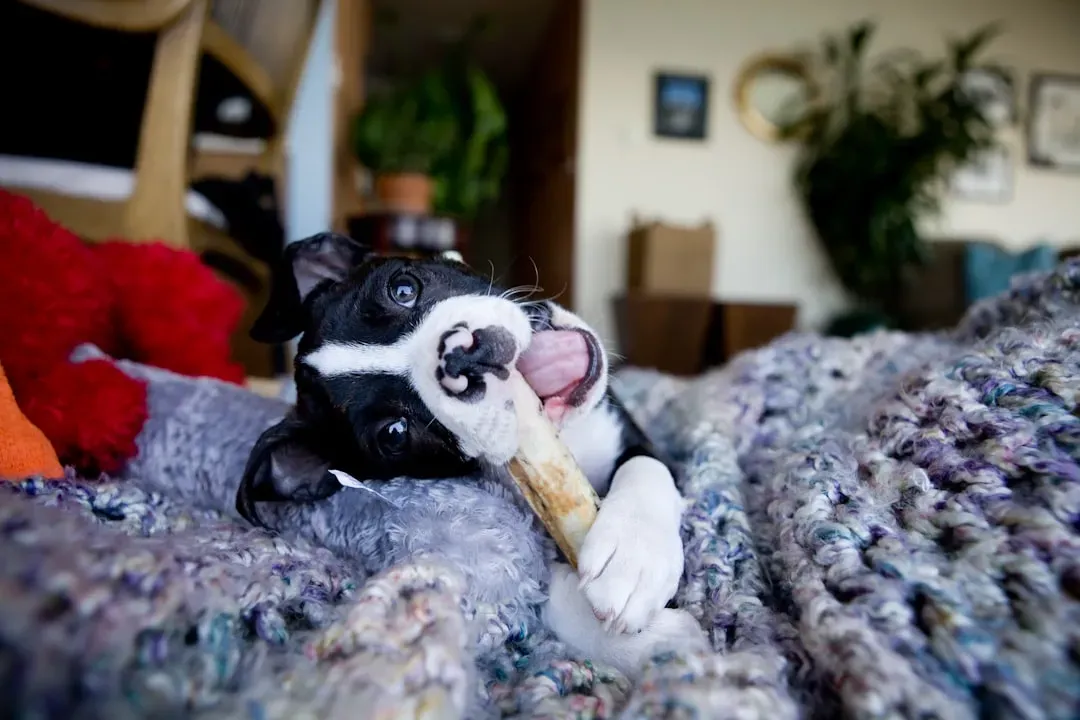
Chewing and digging release endorphins that temporarily lower a dog’s stress level. When the source of tension feels invisible or constant, these physical actions become the most accessible coping tool. The behavior is rarely random once the emotional context is considered.
Separation related destruction sometimes overlaps with this pattern, yet the root can trace back to ambient household stress rather than isolation alone. Dogs left alone carry the residue of earlier tension into their alone time. The result looks like mischief but functions more like an emotional pressure release.
Practical Ways to Notice and Ease Shared Tension
Simple daily check ins with yourself about lingering worries can reduce the emotional load your dog carries. Short walks without phones or structured play sessions create pockets of calm that both species notice. Consistency in these small rituals matters more than dramatic changes.
Professional trainers often recommend observing your own stress responses first before labeling the dog’s actions as problems. Journaling brief notes about household mood alongside the dog’s behavior reveals patterns over weeks rather than single incidents. This awareness alone can shift the dynamic before professional help enters the picture.
Supporting Your Dog Through Emotional Awareness
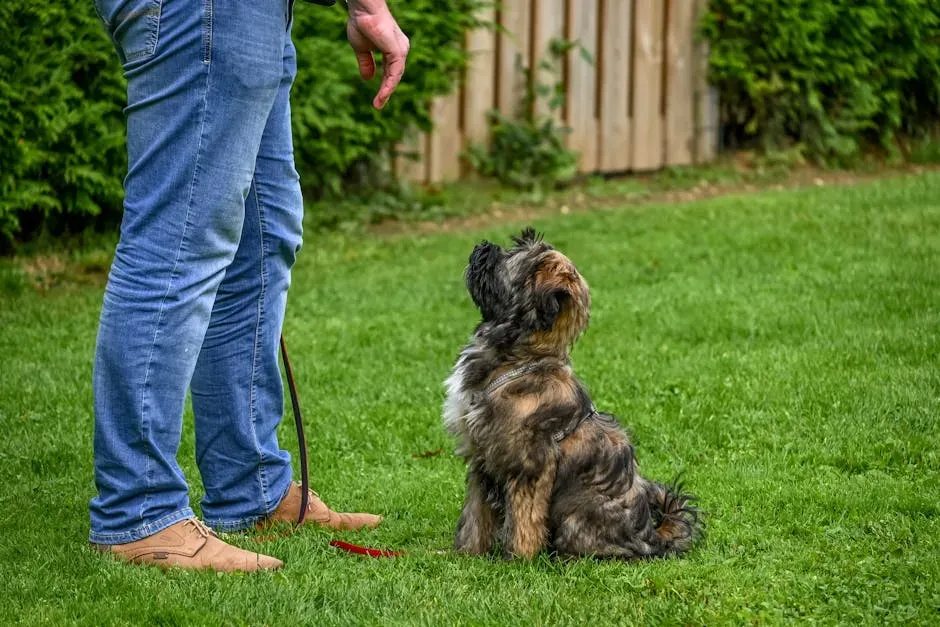
Enrichment activities such as puzzle toys or scent work give dogs constructive outlets while owners work on their own stress management. Training sessions focused on calm cues rather than obedience drills help the dog feel more secure. The goal is mutual regulation instead of one sided correction.
Veterinary behaviorists emphasize that medical checks remain important to rule out pain or other physical causes. Once health is confirmed, attention turns to the emotional environment. Many dogs show rapid improvement once owners address the underlying tension they themselves have not fully processed.
Looking Ahead at the Human Canine Connection

The idea that dogs mirror unacknowledged human stress invites owners to treat their pets as partners in emotional honesty rather than problems to fix. This perspective does not place blame but highlights an opportunity for greater self awareness. Stronger bonds often grow from that shared honesty.
Over time, paying attention to these signals can lead to healthier habits for everyone in the home. Dogs continue to offer quiet feedback on the emotional weather, whether owners choose to listen or not. The choice remains ours to make.


