

Your Stress and Anxiety Levels
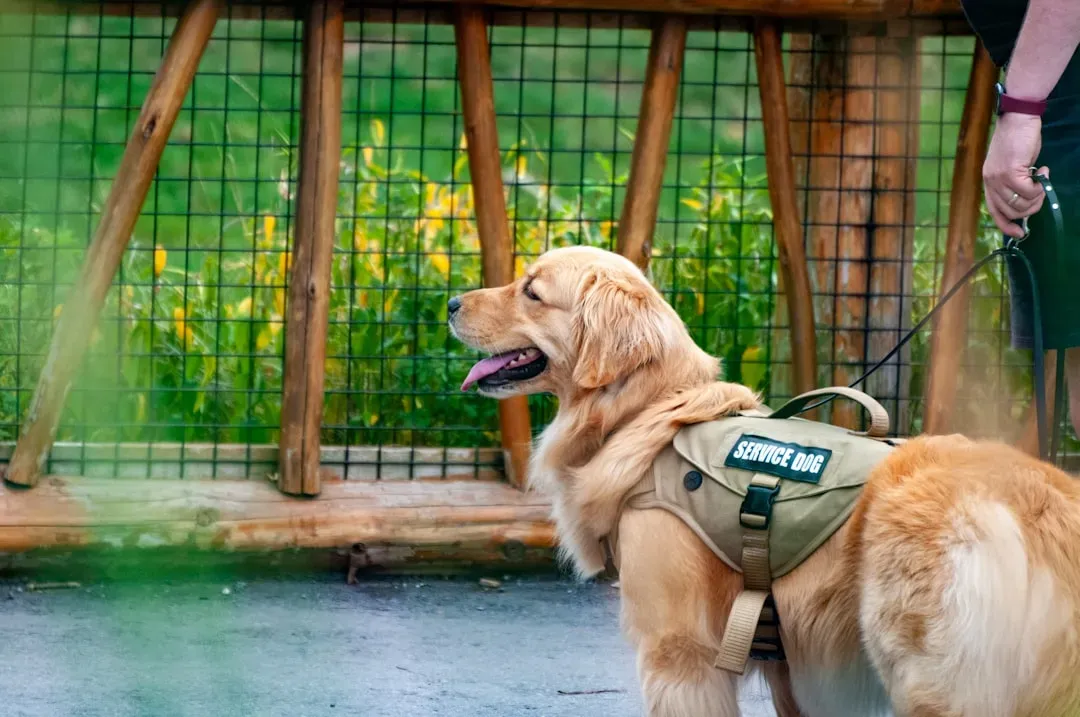
Dogs detect shifts in cortisol and other stress related compounds through your sweat and breath. Studies show they respond to these scents by becoming more cautious or pessimistic in their own choices. This ability goes beyond simple observation of your behavior.
Service dogs often train specifically on these odors to alert owners before a panic attack builds. The sensitivity allows them to notice changes that happen well before you feel overwhelmed. It creates a kind of early warning system built into your daily life together.
Early Signs of Cancer
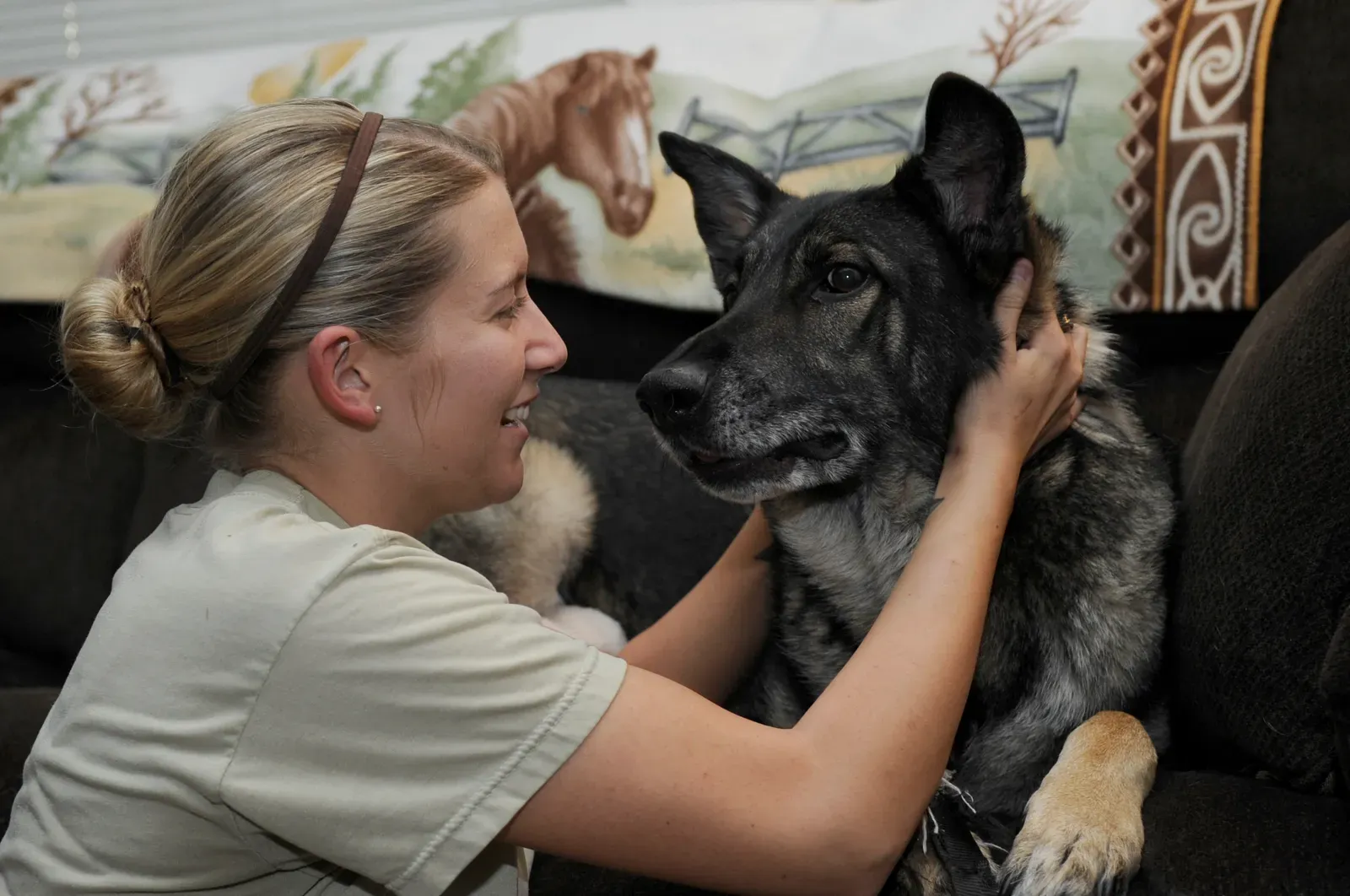
Trained dogs identify volatile organic compounds linked to several cancer types in breath, urine, or skin samples. Research has documented high accuracy rates for lung and breast cancers in controlled tests. These detections sometimes occur before standard medical screening picks up anything unusual.
The process relies on the dogs noticing tiny alterations in cell activity that alter your natural scent profile. Organizations continue to refine training methods for broader medical applications. Owners sometimes report their pets showing unusual interest in specific body areas long before any diagnosis.
Blood Sugar Changes in Diabetes

Dogs sense rising levels of isoprene and other markers when blood sugar drops too low. This chemical appears in breath during hypoglycemic episodes that humans cannot detect themselves. Alert dogs have helped countless people avoid dangerous situations through timely warnings.
The skill stems from their ability to track subtle metabolic shifts throughout the day. Training programs focus on consistent exposure to these specific odors. Many diabetic handlers describe their dogs as reliable partners who notice patterns even during sleep.
Pregnancy and Hormonal Shifts

Changes in hormones like hCG and progesterone create distinct scent variations that dogs register quickly. Owners frequently notice increased attention or protective behavior from their pets during early stages. These reactions often precede any visible signs or confirmed test results.
The detection ties into broader sensitivity to reproductive chemistry and related emotional adjustments. Dogs may also respond to the overall change in routine that accompanies pregnancy. This makes them attuned observers of major life transitions.
Impending Migraines or Seizures
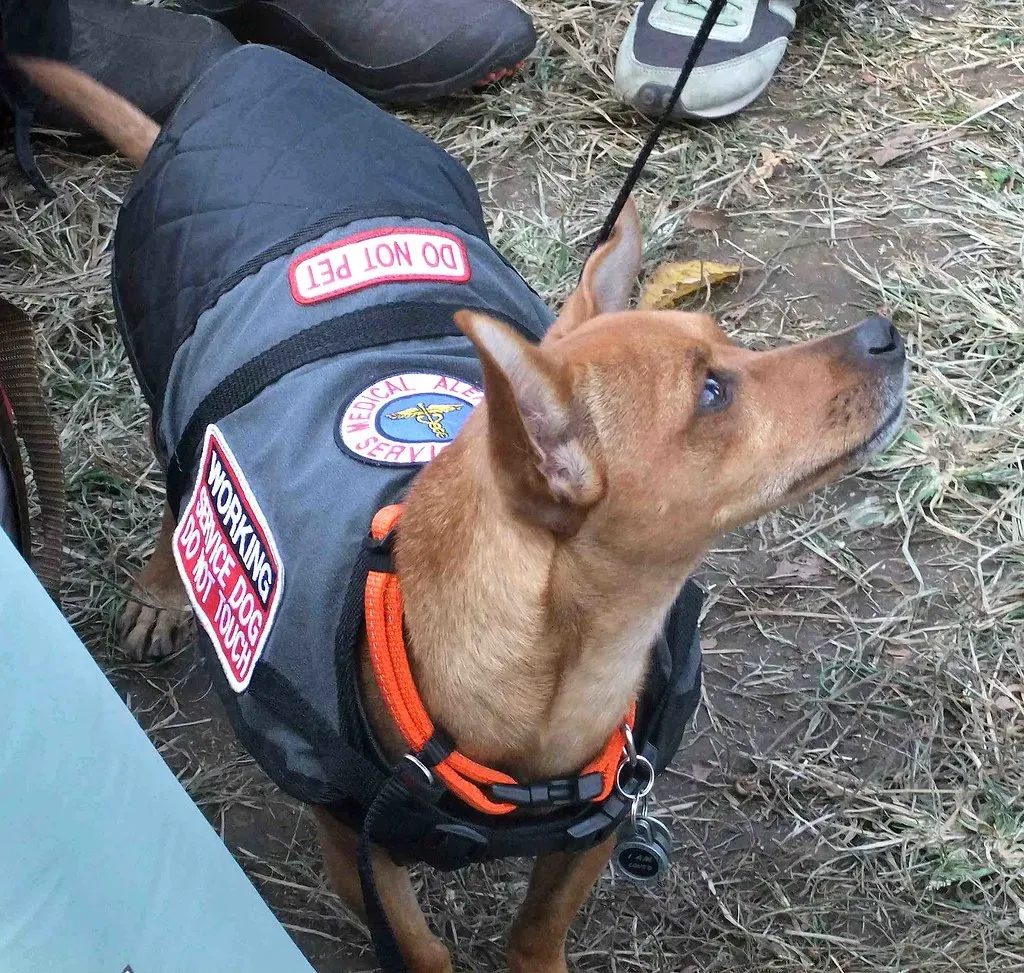
Serotonin fluctuations and other pre episode compounds allow some dogs to anticipate migraines or seizures. Handlers report consistent alerts minutes or even hours ahead of symptoms. Medical detection programs now incorporate these capabilities into service roles.
The nose identifies patterns tied to neurological activity that remain invisible to people. Accuracy improves with specific training on individual scent profiles. This turns the dog into a living monitor for conditions that strike without much warning.
Fear or Emotional Arousal

Adrenaline and related compounds released during fear produce odors dogs read instantly. Research confirms they distinguish these from baseline scents with strong reliability. The response often shows in their own body language or decision making around you.
This sensitivity extends to excitement or anger as well, creating a full emotional map through smell alone. Dogs integrate these signals with what they see and hear for a richer understanding. It explains why they sometimes act differently around certain people or situations.
Alcohol or Substance Use
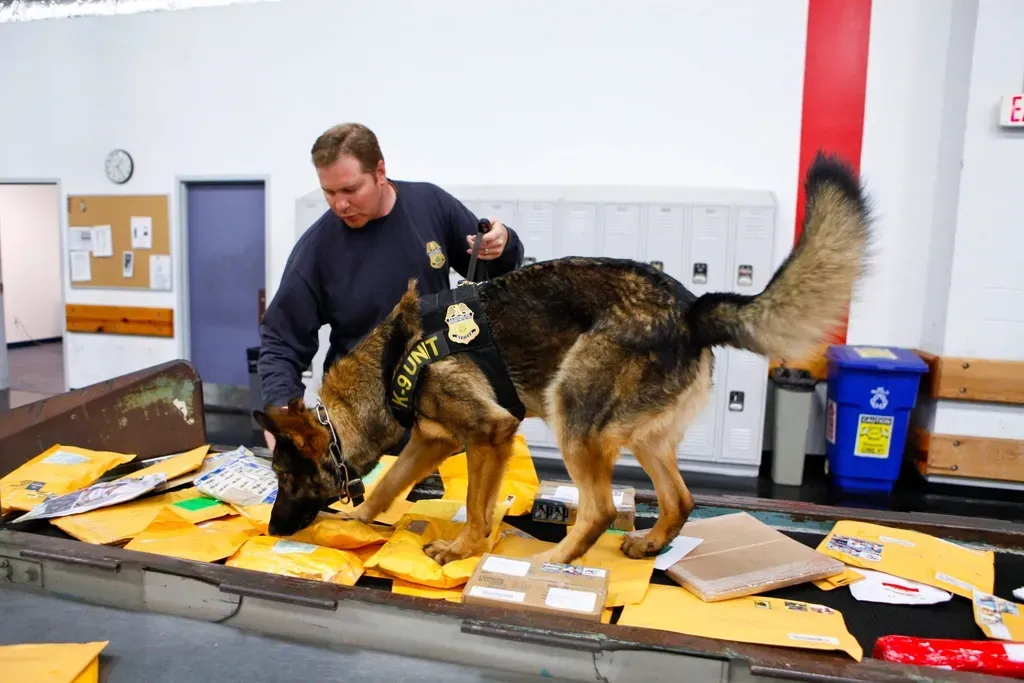
Dogs pick up on metabolic byproducts from alcohol consumption or certain medications through breath and skin. The changes stand out against your normal scent signature. Some working dogs train specifically for these markers in public safety contexts.
Even moderate intake can alter the chemical profile enough for a sensitive nose to notice. This capability supports both medical monitoring and behavioral insights. It adds another layer to how dogs track your habits over time.
Dogs turn ordinary moments into opportunities for connection through these hidden perceptions. Their quiet observations remind us how much more there is to notice when we pay attention to the bond we share.


