
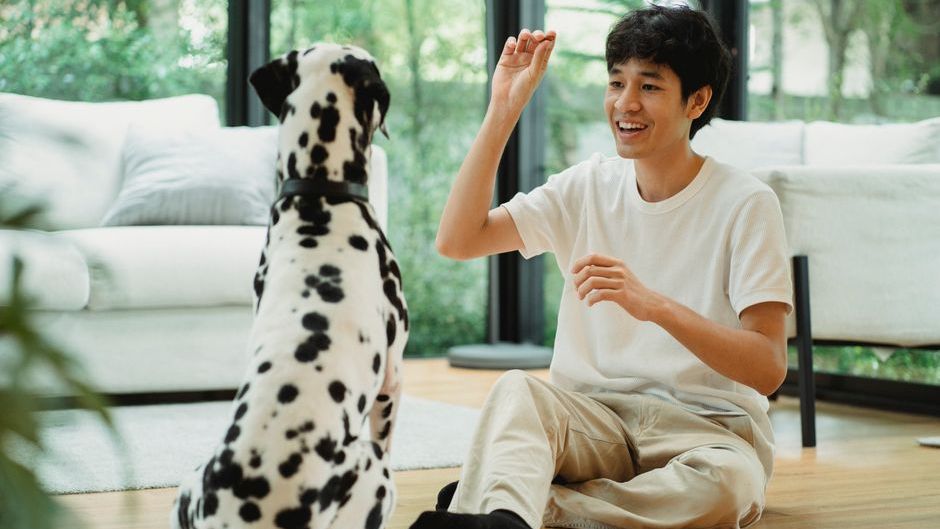
Dogs have a quiet way of sizing up the humans around them. They watch for consistency, calm energy, and clear direction without ever saying a word. What looks like random behavior often turns out to be a gentle probe into whether you can handle the role of steady leader.
These tests rarely involve dramatic standoffs. Instead they show up in small moments during daily routines. Paying attention to them can shift how you interact with your dog and strengthen the bond you already share.
1. Checking In During Walks
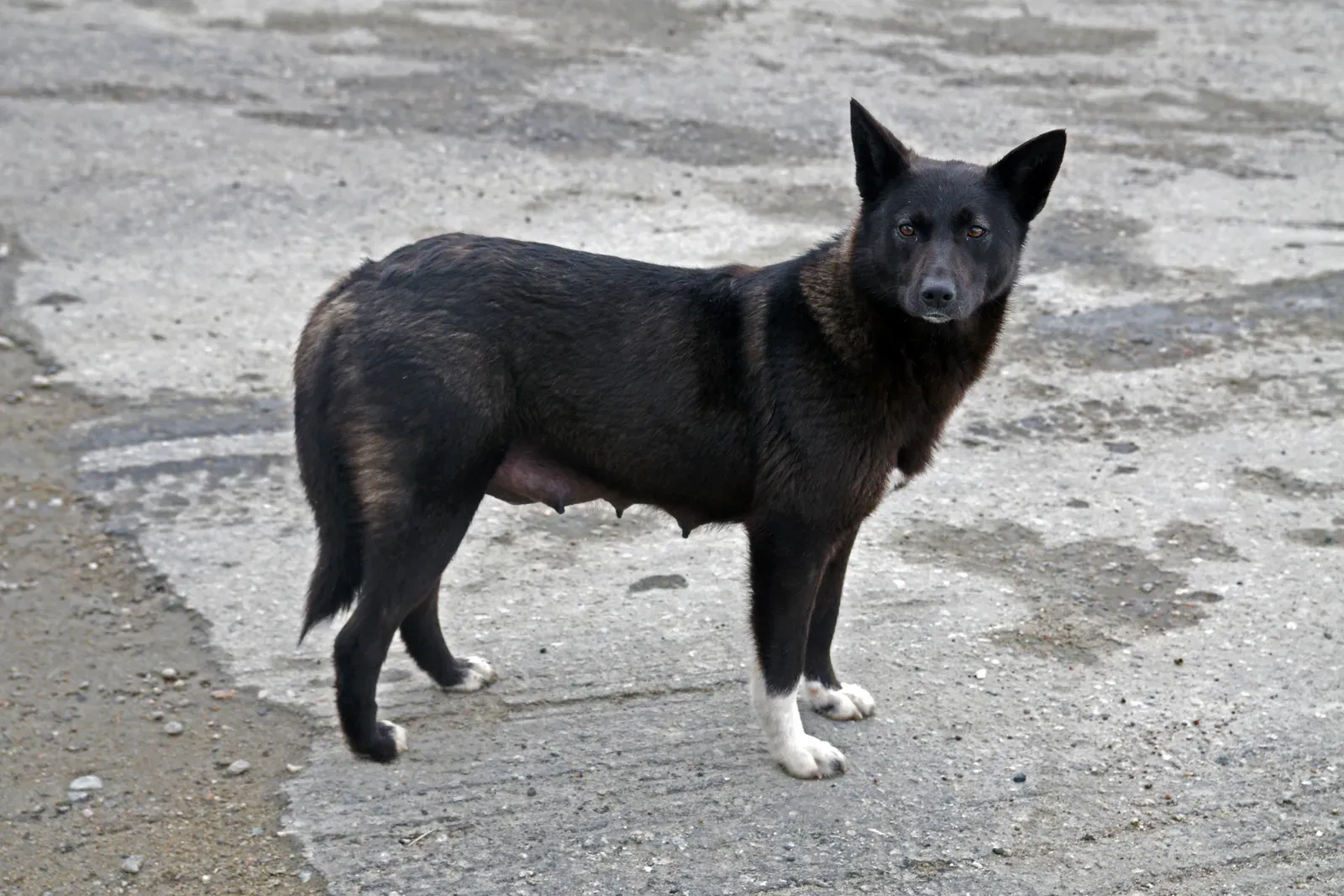
Many dogs glance back at their person every few steps when something new appears on the path. This quick look serves as a quiet question about whether the human is still paying attention and ready to guide. A dog that never checks in may simply assume the lead role has already shifted.
Over time the pattern reveals itself in how often those glances happen. Dogs that feel secure tend to glance more frequently when the environment changes. Those glances build a rhythm that shows trust in your direction rather than a need to take over.
2. Testing Doorway Manners

Some dogs linger just inside or outside a doorway instead of moving through right away. The pause gives them time to see whether you will step forward with calm confidence or wait for them to decide. It is a small moment that repeats several times a day.
When the human consistently moves through first with relaxed body language the dog usually follows without fuss. Repeated hesitation on the dog’s part often signals that the routine feels unclear. Small adjustments in timing and posture can change how those doorway moments unfold.
3. Resource Placement Choices
Dogs sometimes choose to lie down right in the middle of a hallway or near a favorite chair. The choice tests whether the human will move them or simply step around. It is rarely about dominance and more about learning the household rules through repetition.
Over weeks the pattern shows whether the dog expects to keep that spot or whether gentle redirection works. Consistent responses from the human help the dog understand boundaries without tension. The same spot can become a shared resting place once the expectation is clear.
4. Eye Contact During Training
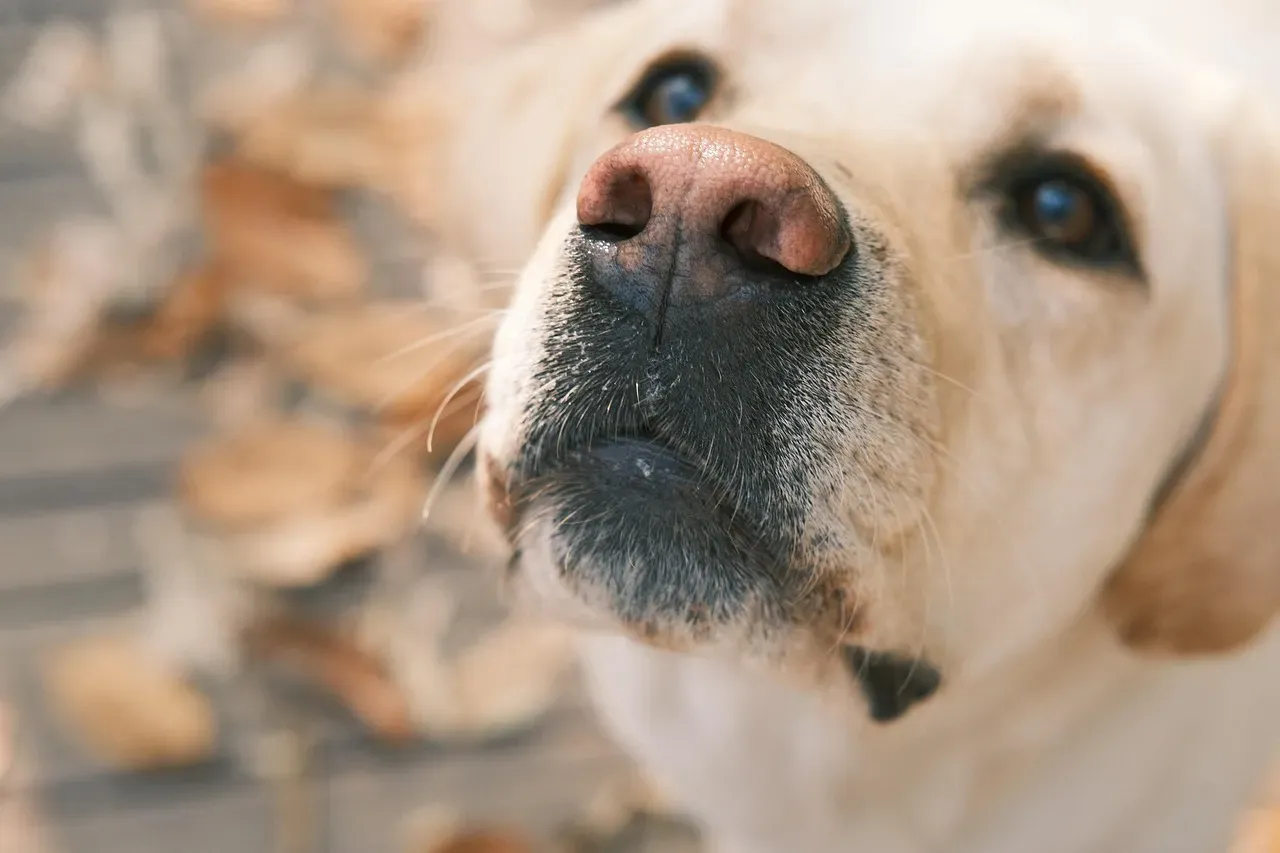
A dog may hold eye contact a little longer than usual when learning a new cue. The extended look often checks whether the human stays steady and patient. Breaking eye contact too quickly can signal uncertainty on either side.
Short, relaxed sessions where the human keeps a soft gaze tend to build better focus over time. Dogs notice when the person remains present even if the cue takes several tries. That steady presence becomes part of the learning process itself.
5. Response to Tone Shifts
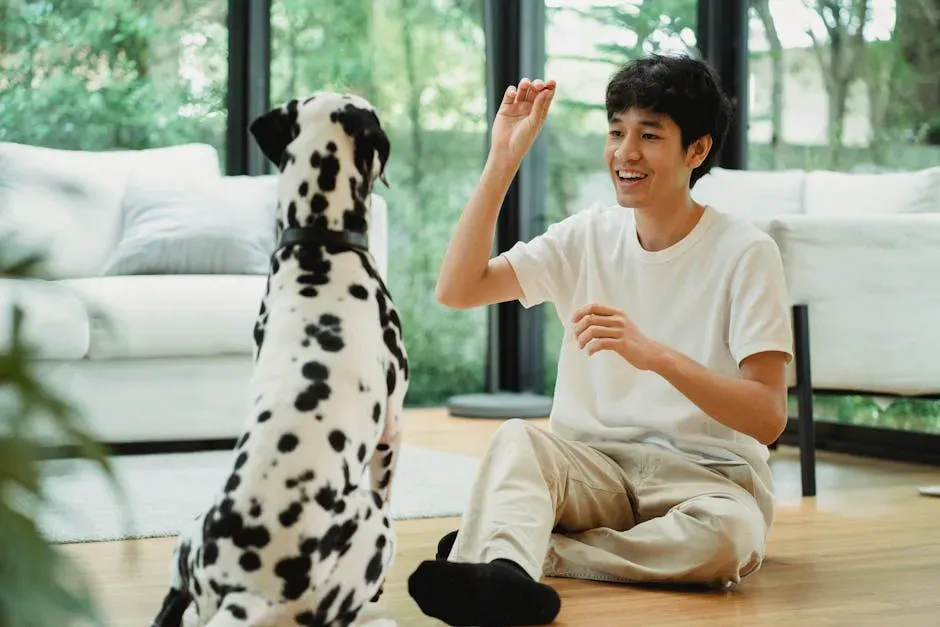
Everyday conversations around the house give dogs plenty of chances to listen for changes in voice. A sudden shift to a firmer tone during a simple request can reveal whether the human follows through. Dogs track these shifts closely even when they appear busy with a toy.
Consistency in tone across different situations helps the dog predict what comes next. Mixed signals, such as a playful voice followed by sudden frustration, can leave the dog unsure about expectations. Clear, steady tones reduce the need for repeated tests.
6. Persistence With Attention Seeking
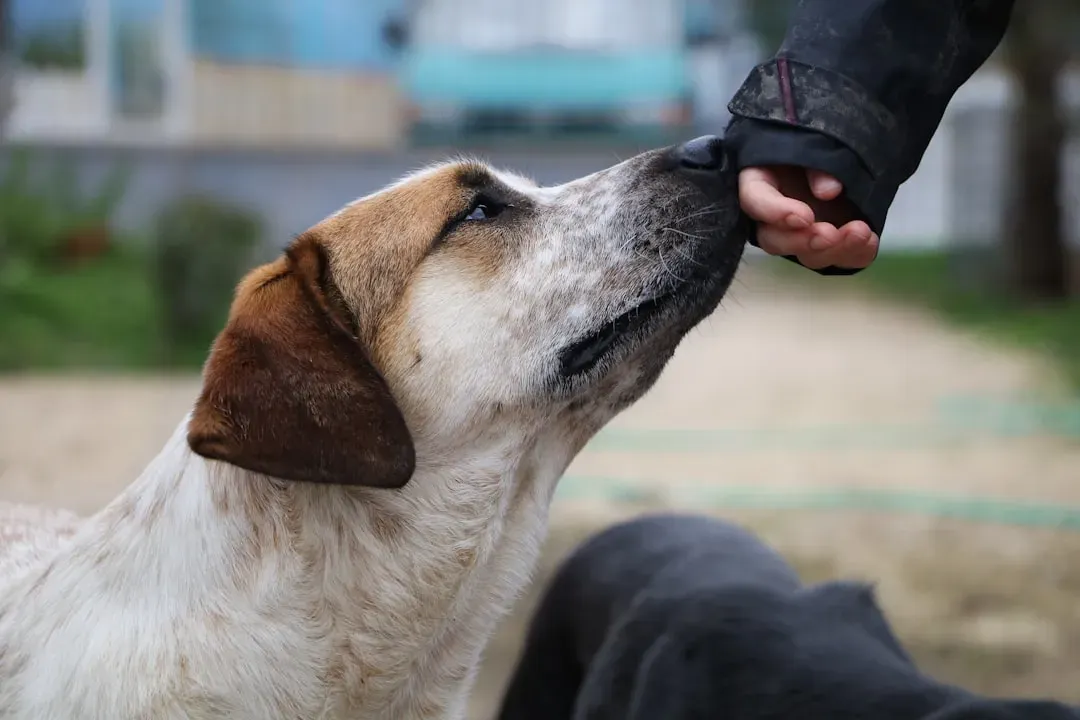
Some dogs nudge a hand or drop a toy at your feet multiple times in a row. Each nudge checks whether the human will engage on the dog’s schedule or set a different rhythm. The repetition itself becomes the test.
When the human responds calmly and on their own terms the nudges usually space out. Dogs learn quickly which behaviors bring reliable results. Over time the pattern settles into a comfortable back and forth rather than constant testing.
7. Reaction to New Objects
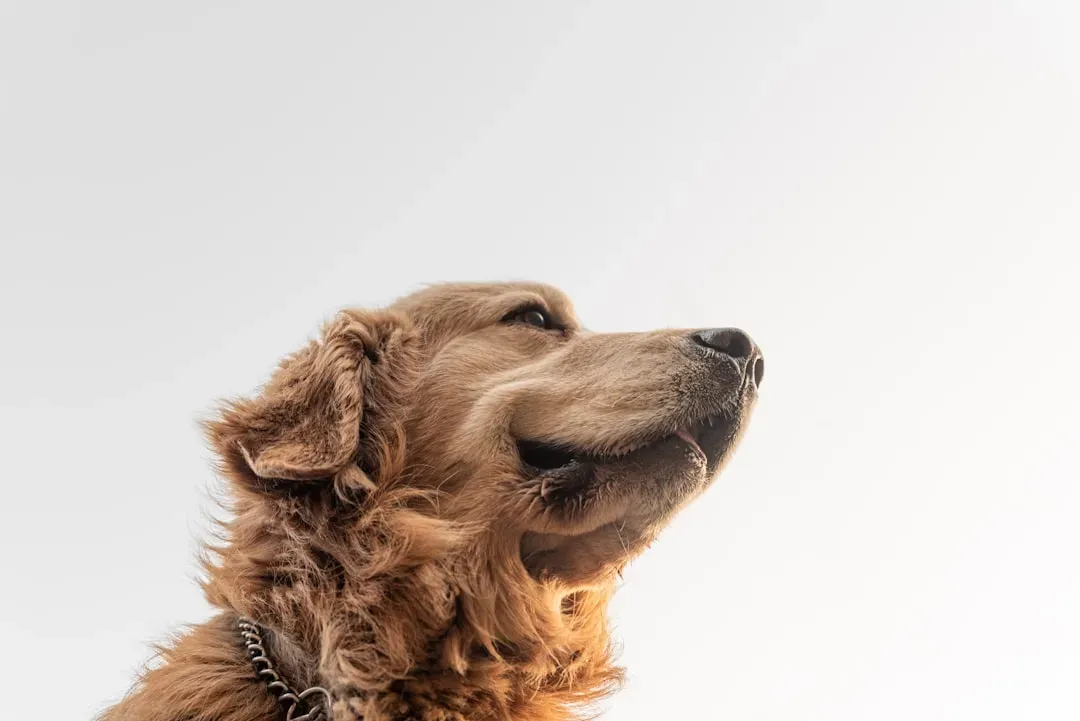
Introducing a new item like a vacuum or a delivery box often draws a dog’s full attention. The way the dog approaches or avoids the object can show whether it looks to the human for guidance. A quick glance toward the person before investigating is common.
Calm handling of the new item by the human tends to shorten the testing phase. Dogs that receive steady reassurance usually return to normal behavior faster. The moment passes more smoothly when the human stays relaxed and present.
8. Leash Tension Patterns
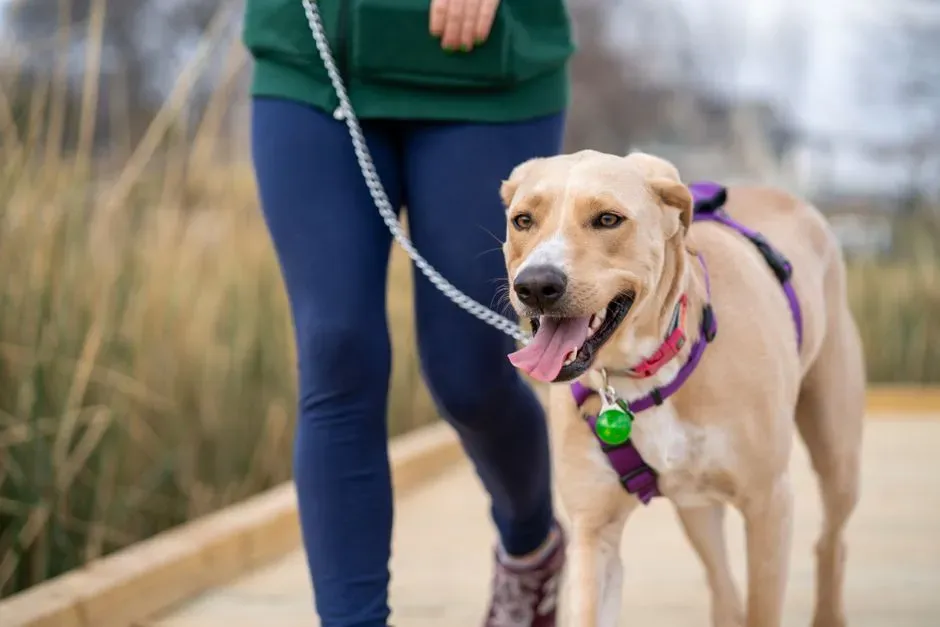
During walks the amount of tension on the leash can change depending on what the dog encounters. Pulling ahead sometimes tests whether the human will maintain a steady pace or give in to the dog’s direction. The tension comes and goes in subtle waves rather than constant force.
Consistent handling that rewards loose leash moments helps the dog understand the expected rhythm. Over repeated walks the pattern becomes more predictable for both sides. Small improvements in timing make a noticeable difference in how the walk feels.
9. Sleeping Arrangement Adjustments

Dogs often shift positions on the bed or couch throughout the night. Each small move can check whether the human will allow the change or gently restore the original spot. The adjustments happen quietly and repeat across many nights.
Clear and consistent boundaries around furniture help the dog settle into a routine. When the human responds the same way each time the testing decreases. The shared space becomes more comfortable once the rules feel predictable.
These small tests add up to a larger picture of how dogs read the humans they live with. Paying attention to them turns everyday moments into opportunities for clearer communication. The result is usually a calmer household where both sides understand what to expect.
Strong leadership in this context looks less like control and more like steady presence. Dogs seem to respond best when the human stays consistent without drama. That quiet reliability builds trust that lasts far beyond any single test.


