
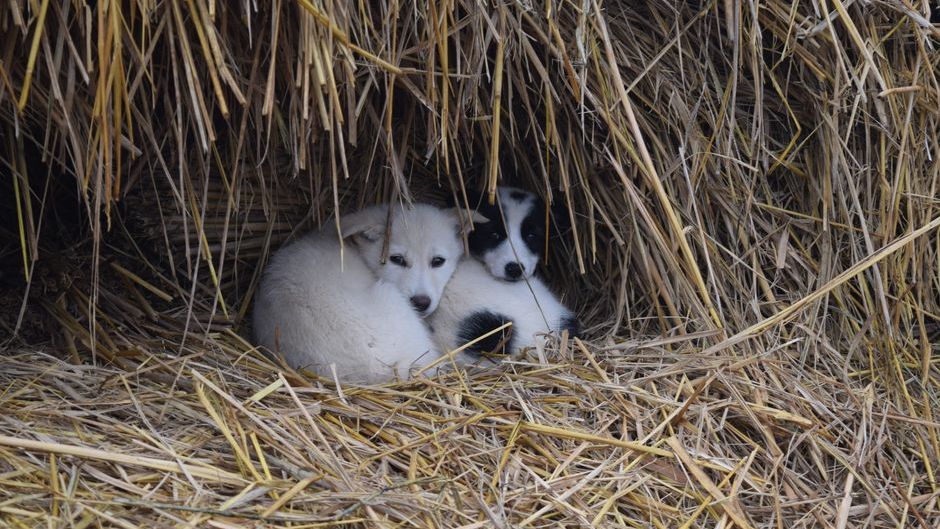
You have likely watched your dog turn in tight circles before finally dropping to the floor. The motion looks almost ritualistic, as if some invisible checklist must be completed first. Yet the behavior runs far deeper than any modern notion of comfort or routine.
That familiar spin traces back to instincts shaped long before dogs shared our homes. It speaks to a time when survival depended on quick decisions about safety and shelter. Understanding the pattern changes how we see these everyday moments with our pets.
The Ancestral Instinct That Persists Today
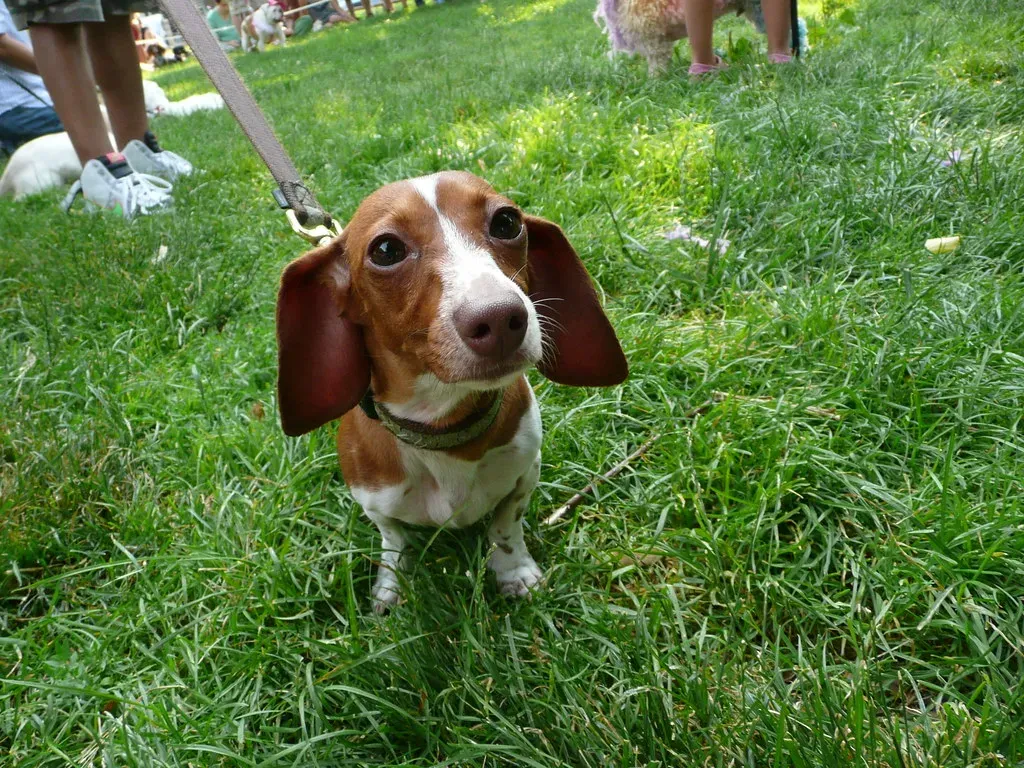
Wild canids once moved through tall grass and uneven terrain where a simple bed could mean the difference between rest and vulnerability. Circling allowed them to press down vegetation into a flatter, more stable surface that hid their outline from predators. Domestic dogs carry the same impulse even when the floor is already smooth and safe.
Researchers note that the sequence often repeats in patterns that mirror those observed in wolves and foxes. The motion is not random. It follows a predictable rhythm that once prepared an animal for immediate rest or quick escape. Modern floors and carpets do nothing to erase the drive.
Scanning for Hidden Dangers
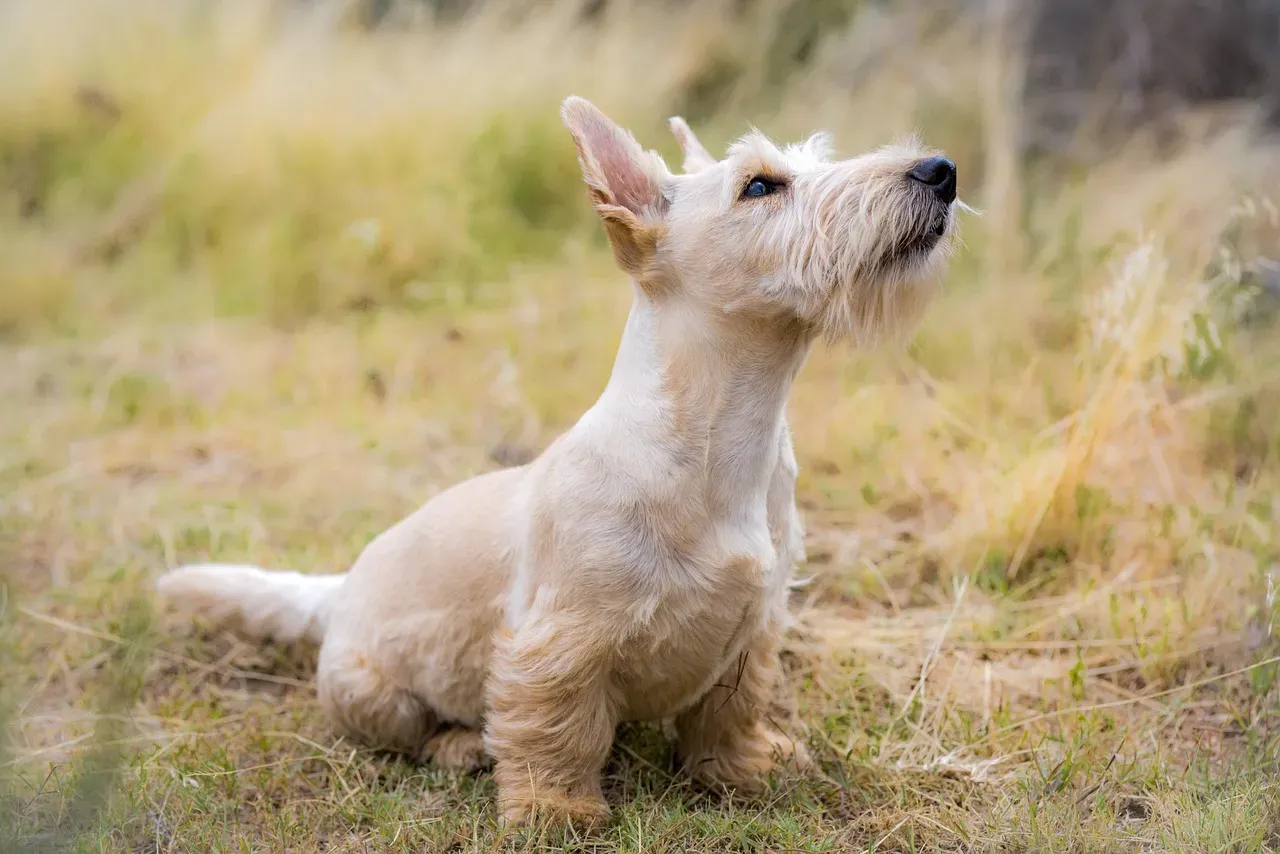
Before settling, a circling dog effectively surveys the immediate area for signs of movement or threat. The turns give the animal a chance to listen and smell from slightly different angles. In open landscapes this quick check could reveal a snake, rival animal, or approaching danger.
Even in a quiet living room the instinct lingers. A dog may pause mid circle if it detects an unfamiliar sound or scent. The behavior serves as an ancient security sweep rather than a search for the softest spot.
Creating a Safe Sleeping Spot
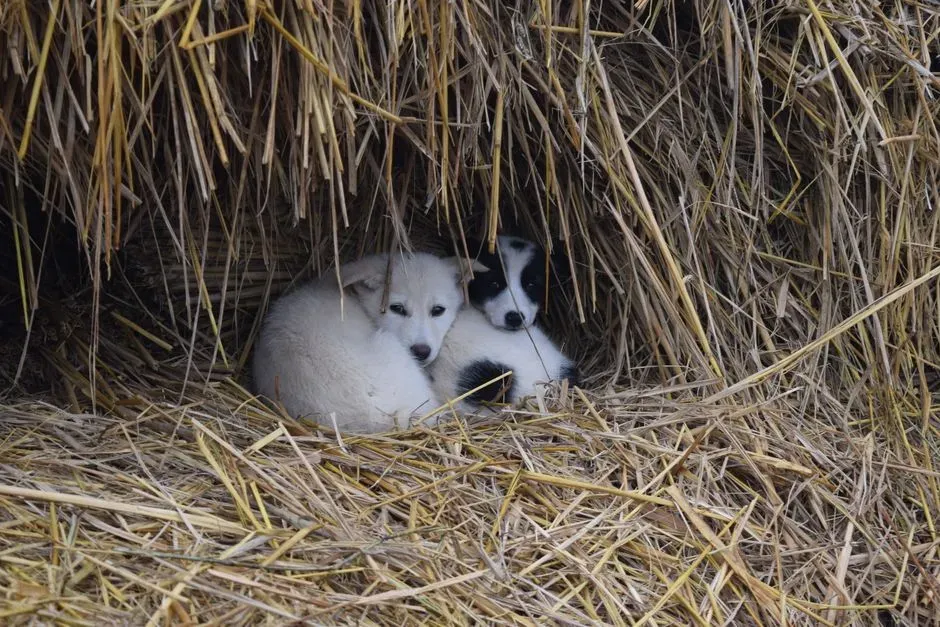
Flattening the ground also created a shallow depression that offered modest protection from wind and helped retain body heat. The resulting nest kept the animal lower to the earth and less visible. That small advantage mattered when nights brought both cold and predators.
Today the same motions appear on tile or hardwood. The dog still performs the steps that once shaped a temporary den. The outcome is no longer functional, yet the sequence remains unchanged across generations.
Why Comfort Takes a Backseat
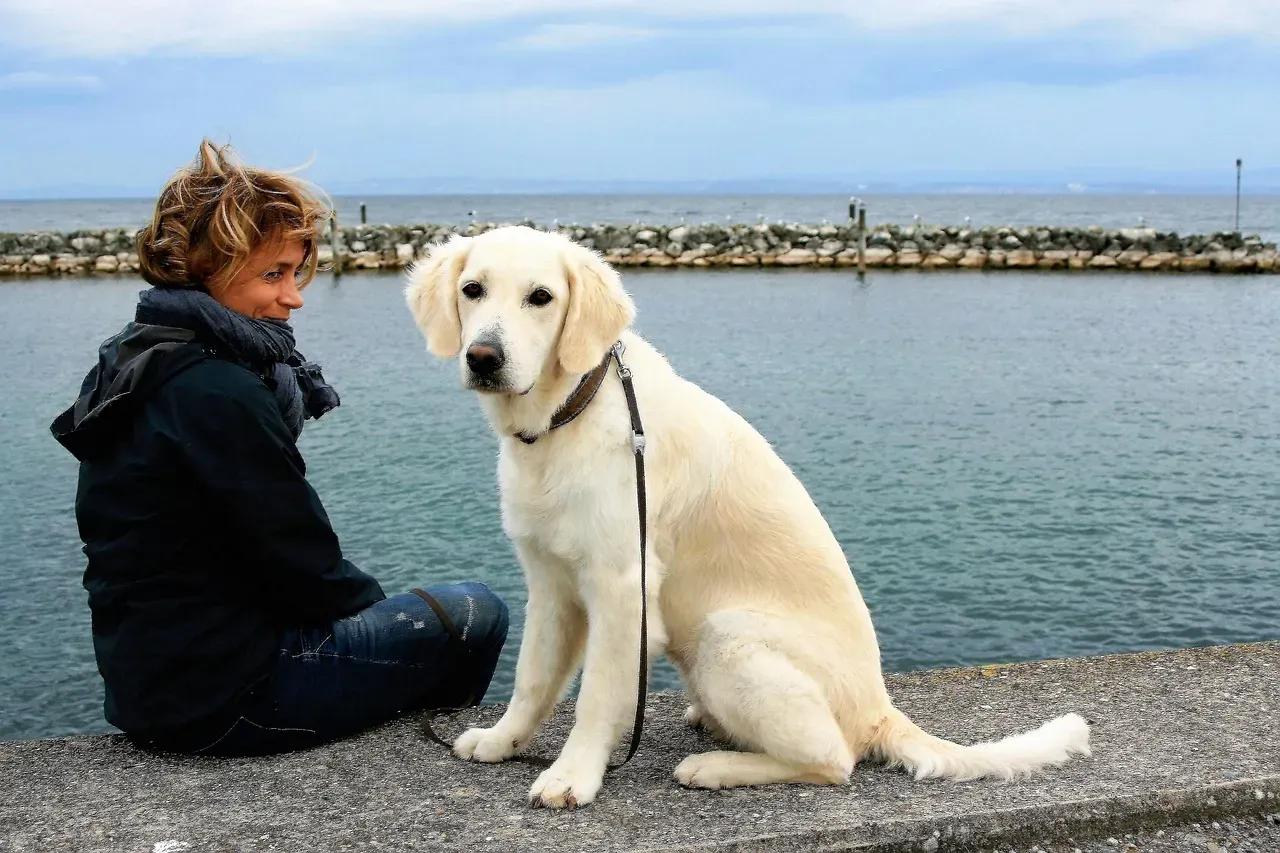
Many owners assume the circles are about finding the perfect position for aching joints or soft fur. In reality the action prioritizes readiness over relaxation. A dog that has finished circling can rise instantly if needed.
Comfort becomes secondary because the original environment rewarded vigilance above all else. A perfectly padded bed still triggers the routine because the brain follows an older script. The survival edge once outweighed any momentary ease.
How This Behavior Shows Up in Everyday Life
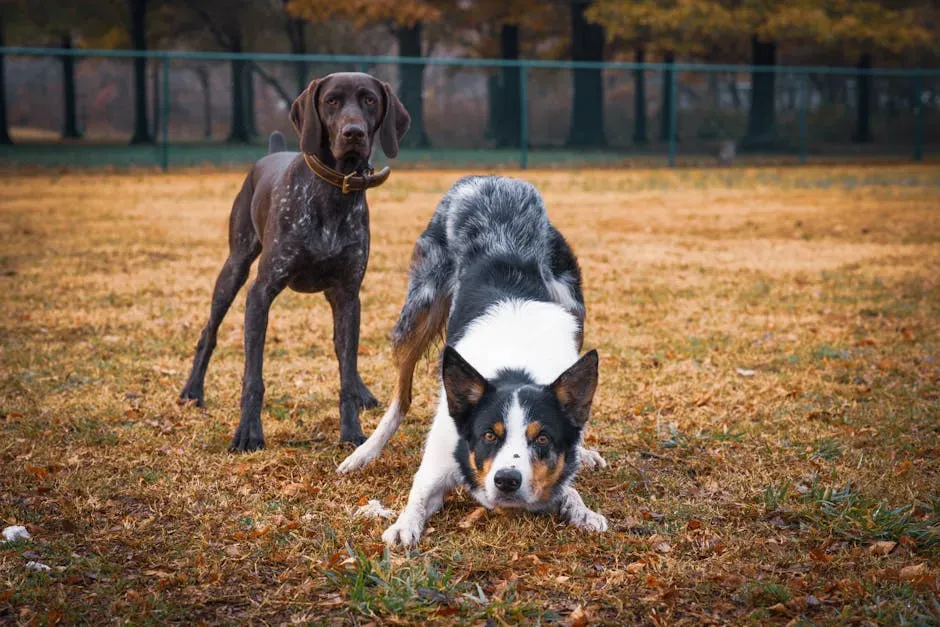
Watch a dog on a walk pause to circle before lying in the grass. The same sequence appears at home on a favorite rug or even on cool concrete. Each instance follows the same deliberate pace regardless of surface.
Puppies often display the habit earlier than expected, suggesting it is hardwired rather than learned through trial. Senior dogs continue the pattern even when mobility slows. The consistency across ages points to deep biological roots.
Lessons from Wild Relatives
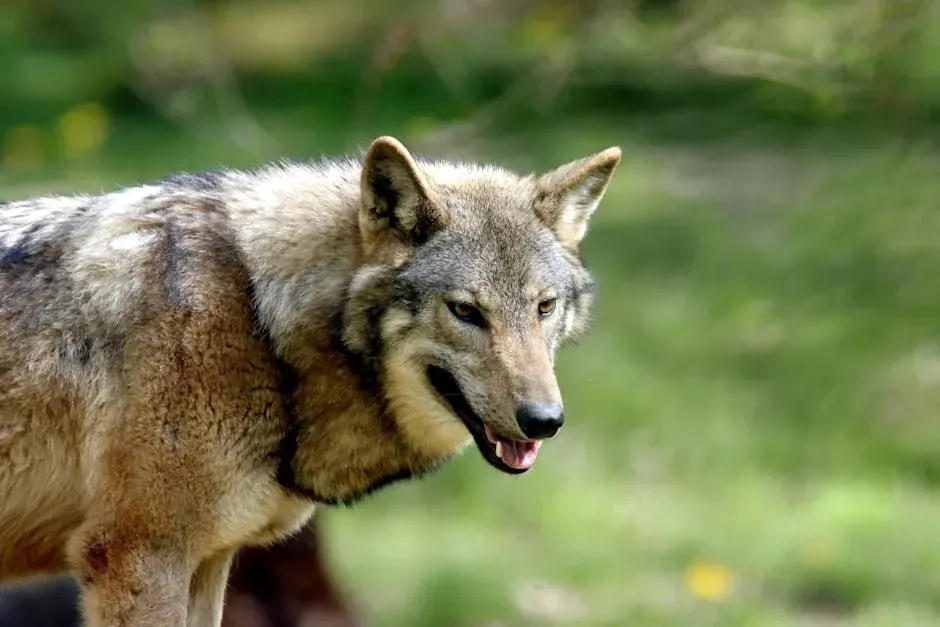
Wolves in the wild still perform similar turns before resting in packs. The shared trait underscores how little the core behavior has shifted despite thousands of years of domestication. Foxes and coyotes show parallel movements when choosing a resting place.
These observations help explain why the circles appear across breeds and sizes. The instinct does not depend on a dog living outdoors or facing real threats. It simply activates whenever the animal prepares to rest.
What It Means for Your Dog’s Well Being

Recognizing the survival origin can shift how owners interpret restless circling or repeated attempts to settle. Sometimes the behavior signals mild anxiety rather than discomfort with the bed itself. Providing a consistent, quiet space may reduce unnecessary repetition.
At the same time the habit reminds us that dogs remain connected to their wild past. Small accommodations like a familiar blanket or a slightly raised bed can honor that history without fighting the instinct. The circles are not a problem to fix but a window into an older way of moving through the world.
Ultimately the circling ritual keeps a living link to the time when every rest carried real stakes. It asks little of us yet reveals much about the animals we share our homes with. Paying attention to these quiet moments deepens the quiet partnership that has lasted for centuries.


