
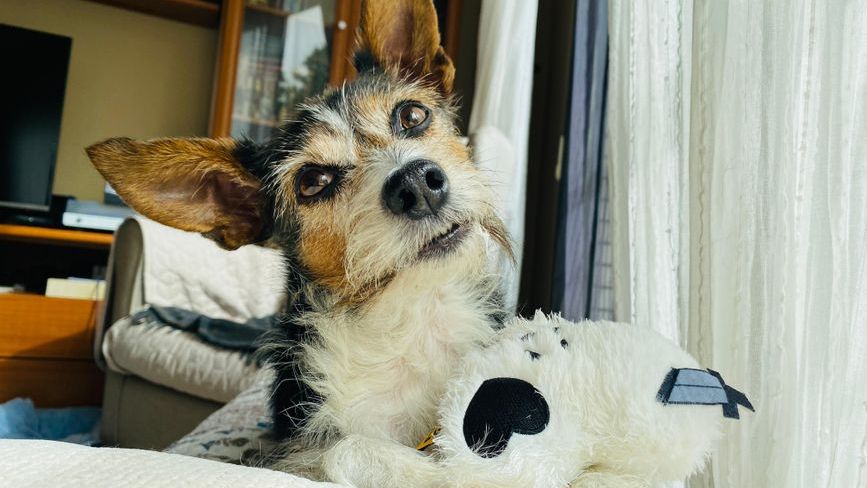
Understanding Canine Emotional Intelligence

Dogs have lived alongside humans for thousands of years, which has shaped their ability to read our moods with surprising accuracy. They notice subtle shifts in posture, tone of voice, and even the scent of stress hormones. This sensitivity allows them to respond in ways that feel almost intuitive to us.
When a dog brings a toy during a moment of sadness, it often reflects an attempt to engage with the person they care about most. Rather than random play, the gesture can serve as a bridge back to a calmer state. Observers note that the behavior tends to appear more frequently in dogs who share close daily routines with their owners.
The Role of Play in Dog Communication
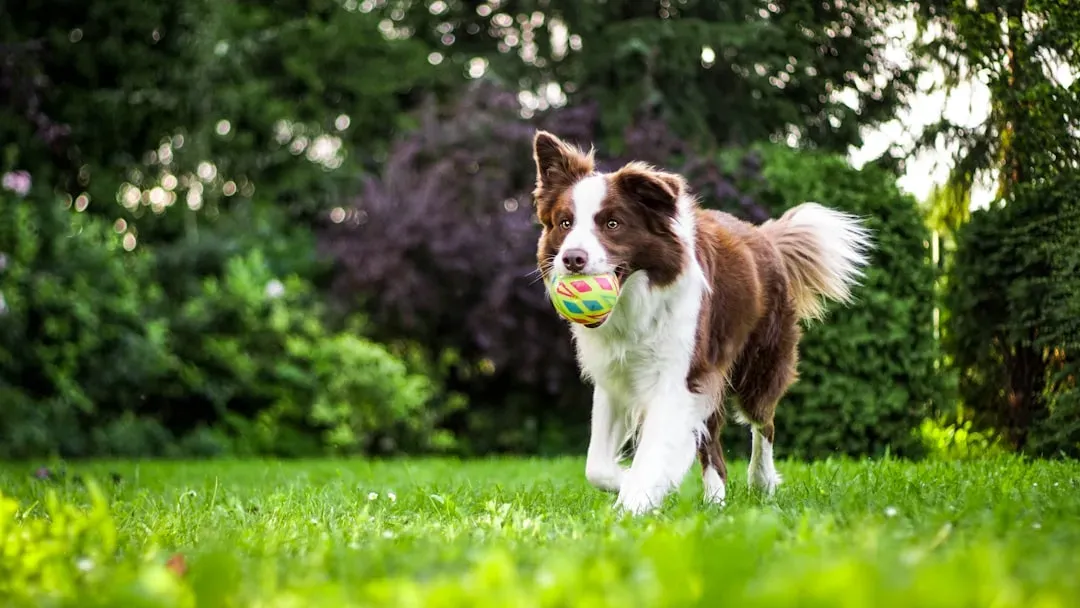
Play serves many purposes in the canine world, from practicing social skills to releasing tension. In the context of human distress, offering a toy may represent an effort to shift the energy in the room. Dogs learn early that play often leads to positive interactions and shared joy.
By presenting the toy, a dog may be trying to recreate those lighter moments they associate with their person feeling better. The choice of toy can vary, sometimes involving something the dog values highly, which adds weight to the gesture. This pattern shows up across different breeds and ages, suggesting it stems from a basic drive to restore balance.
How Dogs Detect Human Distress
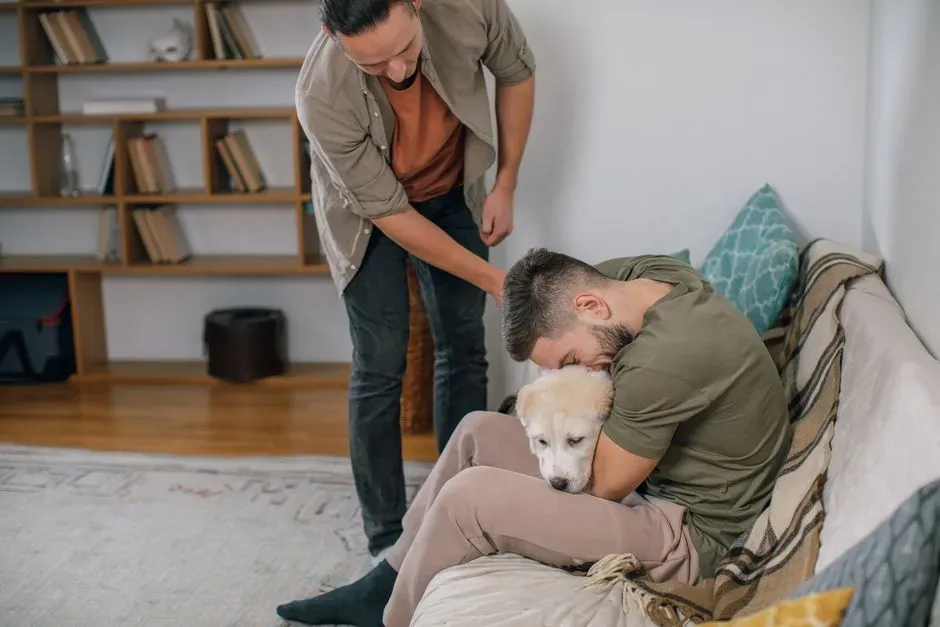
Research into animal behavior highlights that dogs respond to human crying with increased attention and approach behaviors. They pick up on vocal cues and facial changes that signal sadness or upset. This awareness seems rooted in both instinct and learned experience within the household.
Once distress is detected, dogs often experiment with different actions until something appears to help. Bringing a toy fits into this trial and error process because it has worked in the past to spark engagement. The consistency of this response points to a genuine attempt at connection rather than coincidence.
Interpreting the Toy Offering Gesture
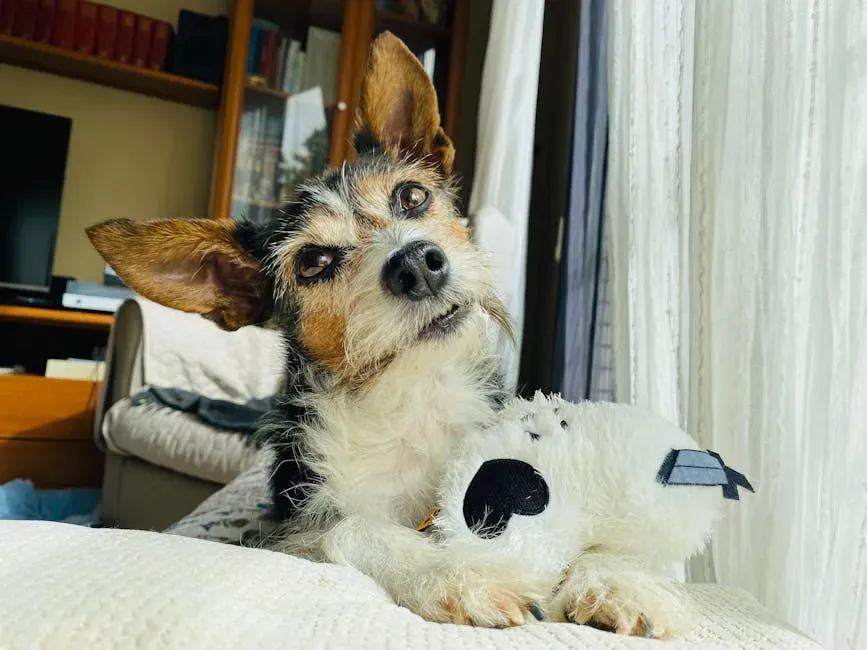
The act of carrying and presenting a toy carries meaning beyond simple retrieval. It can signal a desire to share an object or redirect focus toward something familiar and comforting. In moments of human sadness, this sharing may function as a form of emotional support.
Owners frequently report that the dog lingers nearby after the toy is offered, watching for any sign of improvement. This waiting behavior reinforces the idea that the toy serves as a tool for interaction. Over time, the pattern strengthens the impression that the dog is actively participating in the emotional atmosphere of the home.
Building a Stronger Connection Through These Moments
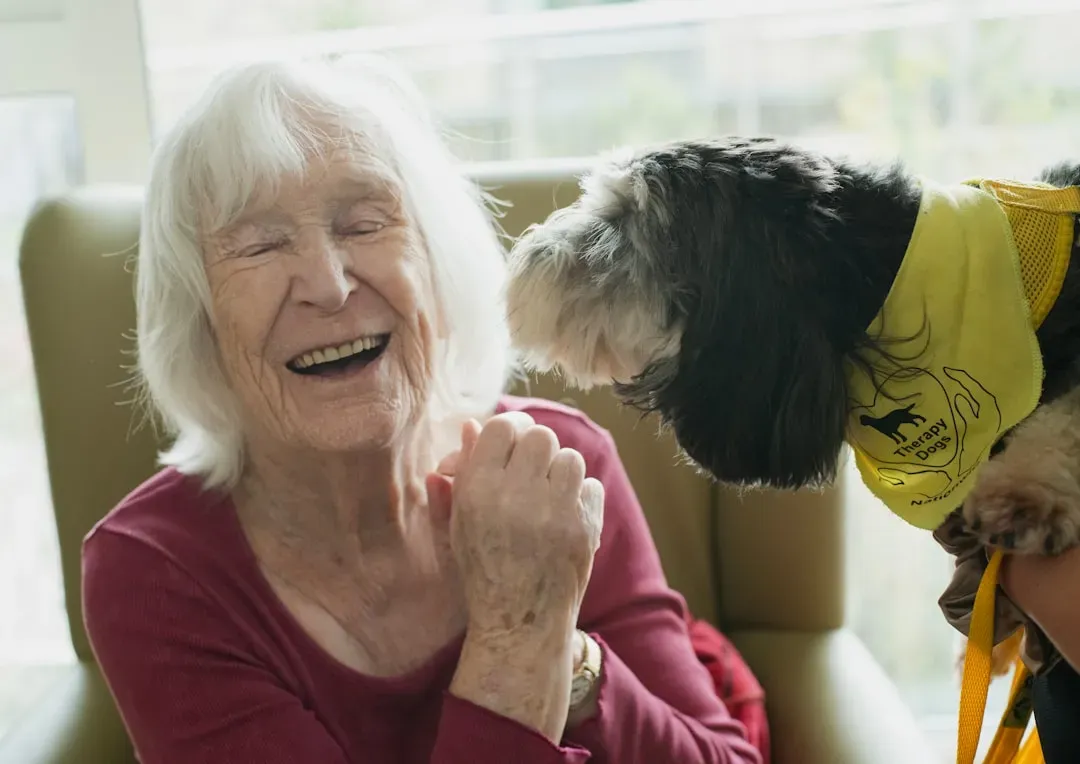
Each instance of a dog offering comfort contributes to the overall trust between pet and person. Responding with gentle acknowledgment, even without full play, can deepen that bond. Dogs seem to thrive when their efforts receive some form of recognition.
These small exchanges also remind owners that their emotional state affects the entire household dynamic. Paying attention to such signals encourages more mindful interactions throughout the day. The result is often a relationship marked by mutual awareness and quiet support.
Practical Ways to Respond to Your Dog’s Comfort
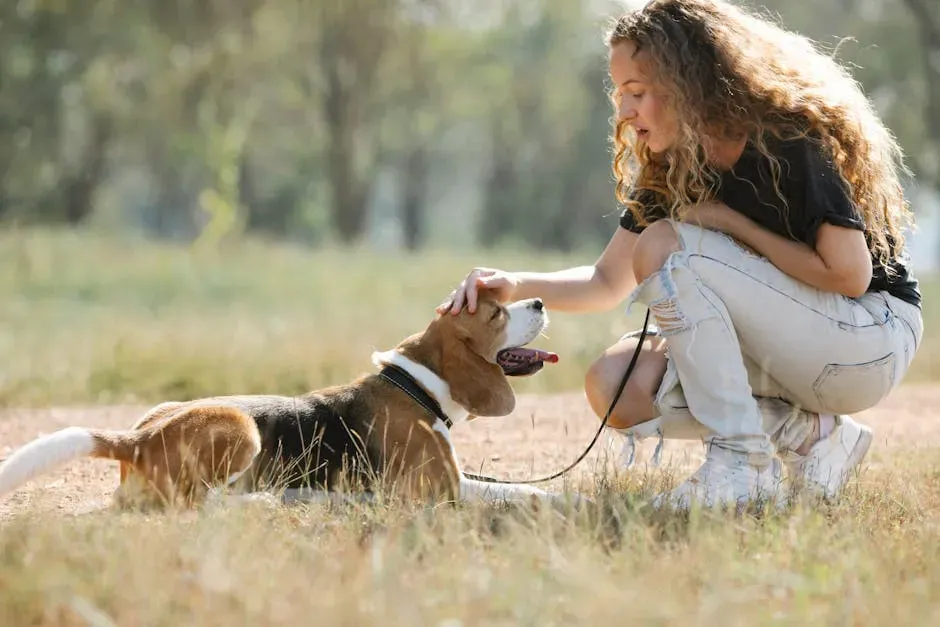
A calm thank you or soft pat can validate the dog’s attempt without overwhelming the moment. Some owners find that a brief, low energy game helps both parties feel more settled. Others simply sit with the toy nearby while the dog remains close.
Consistency matters because dogs learn from repeated outcomes. If the gesture receives a positive response, it is likely to appear again when needed. Adjusting your reaction based on what feels right in the moment keeps the exchange natural and effective.
Reflecting on the Human Animal Bond
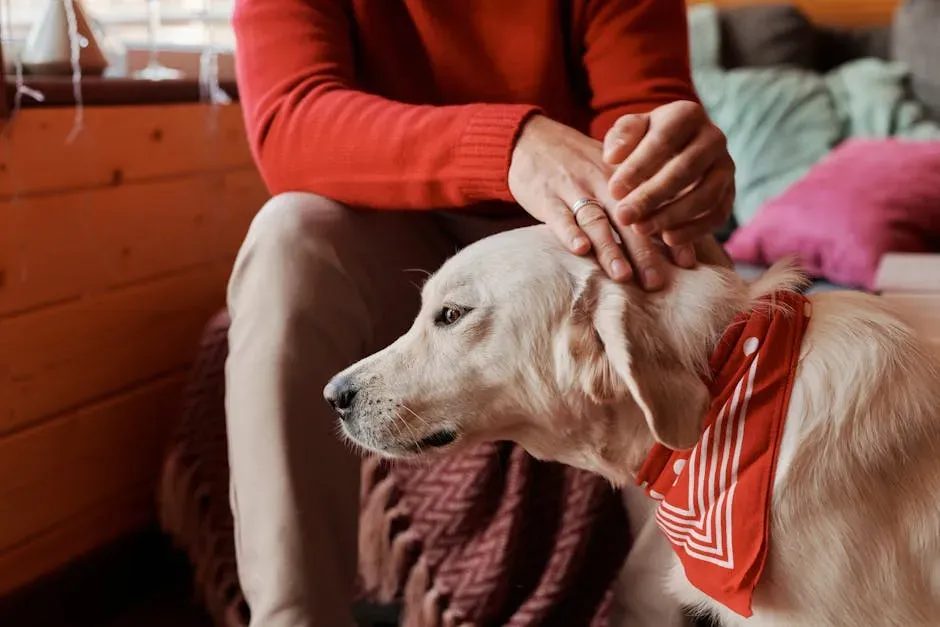
These quiet gestures reveal how deeply dogs integrate into our emotional lives. They do not need words to notice when something feels off, and they act on that awareness in the ways available to them. The toy becomes a simple yet meaningful expression of care.
Over years of shared living, such moments accumulate into a sense of partnership that goes beyond basic care. They invite us to consider how much our companions observe and adapt to us every day. In the end, accepting the offered toy can feel like accepting a small piece of steady presence that makes difficult days a little lighter.


