
Labrador Retriever
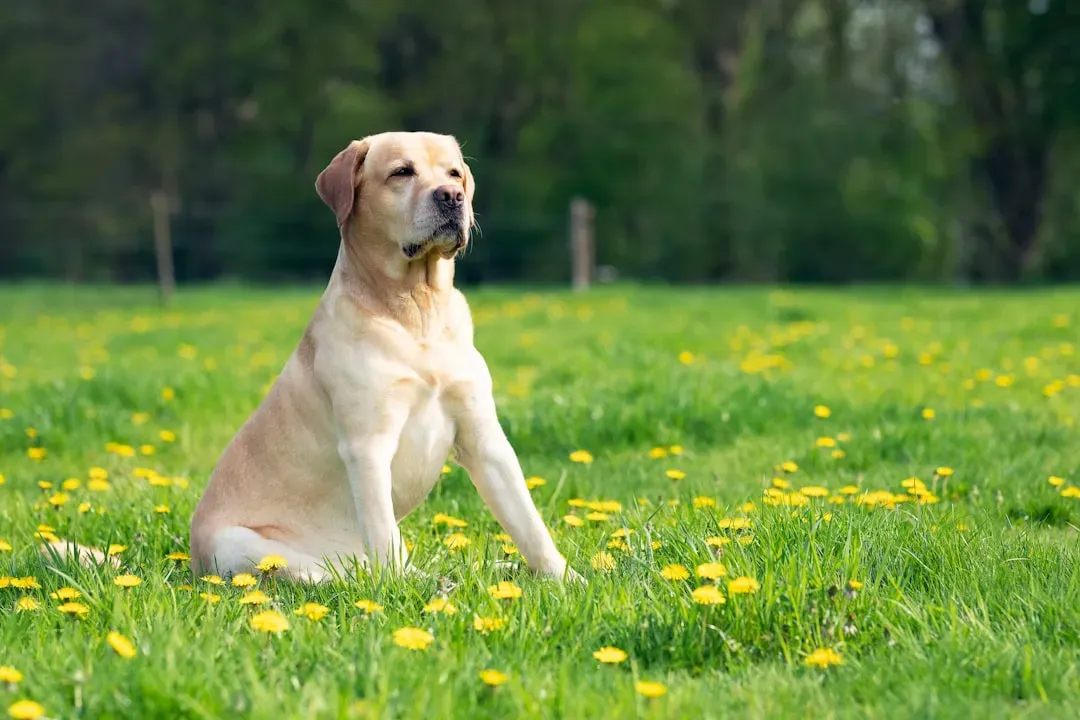
The Labrador Retriever stands out for its even temperament and deep loyalty. These dogs tend to form strong attachments to their people, often sensing when extra closeness is needed and settling nearby without fuss. Their moderate energy levels make them suitable for someone rebuilding routines at a gentler pace, whether that means short neighborhood strolls or quiet time at home.
Labradors also adapt well to new households and show patience during periods of adjustment. Many owners note how the breed’s friendly nature encourages light social contact, such as brief chats with neighbors during walks. This combination of affection and reliability gives the breed a steady role in daily life after loss.
Golden Retriever
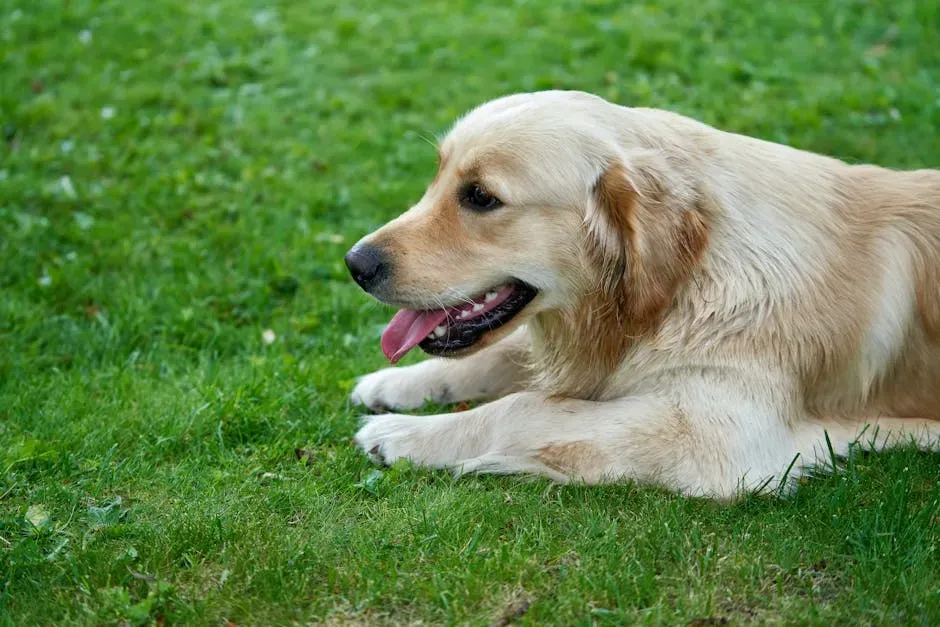
Golden Retrievers bring a warm, steady presence that many find comforting during difficult transitions. Their affectionate personalities often translate into a willingness to stay close, whether curled at the foot of a chair or following quietly from room to room. The breed’s intelligence also means they pick up on household rhythms quickly, which can reduce stress for someone managing new responsibilities alone.
These dogs generally enjoy moderate exercise that fits varied energy levels, from gentle games in the yard to longer outings when the mood allows. Their coat requires regular brushing, yet that simple grooming task can become a calming ritual. Over time, the breed’s consistent good nature helps create a sense of normalcy in an otherwise changed home.
Cavalier King Charles Spaniel
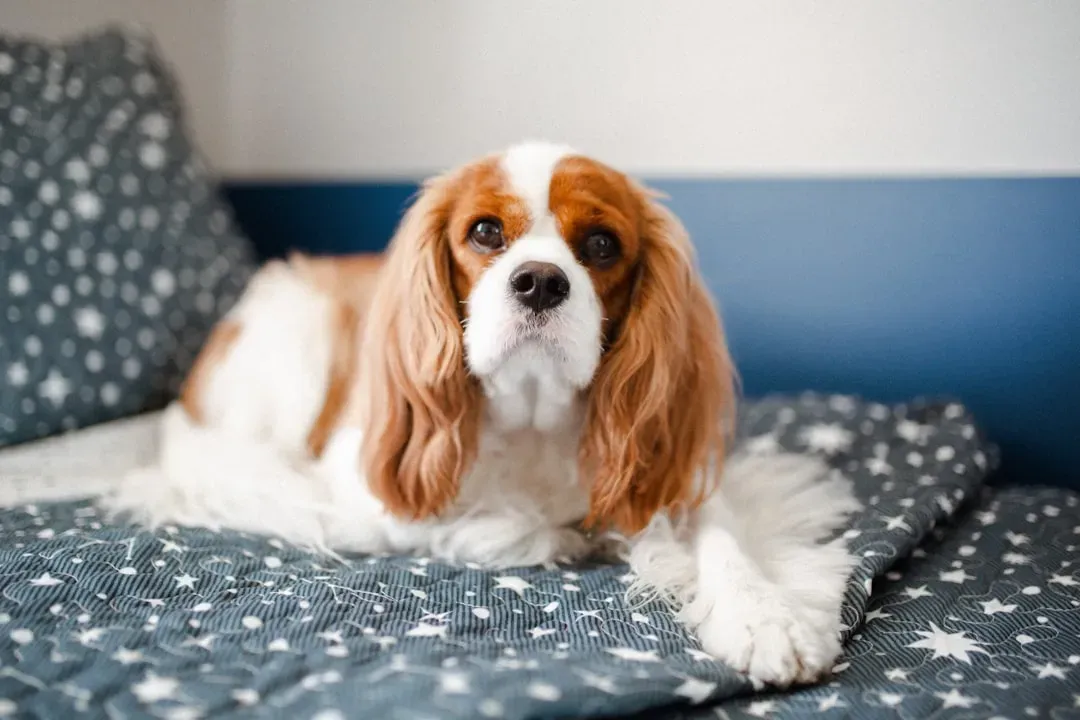
The Cavalier King Charles Spaniel offers compact size paired with an eager-to-please attitude. These small dogs thrive on companionship and often prefer to stay near their person throughout the day, providing quiet company without overwhelming space or energy demands. Their gentle disposition makes them well suited to homes where activity levels may fluctuate.
Cavaliers typically form close bonds and respond positively to consistent routines, which can lend structure during periods of grief. They adapt readily to apartment living or smaller homes, and their moderate grooming needs keep care straightforward. Many people appreciate how the breed’s affectionate nature fills the evenings without requiring intense exercise.
Beagle
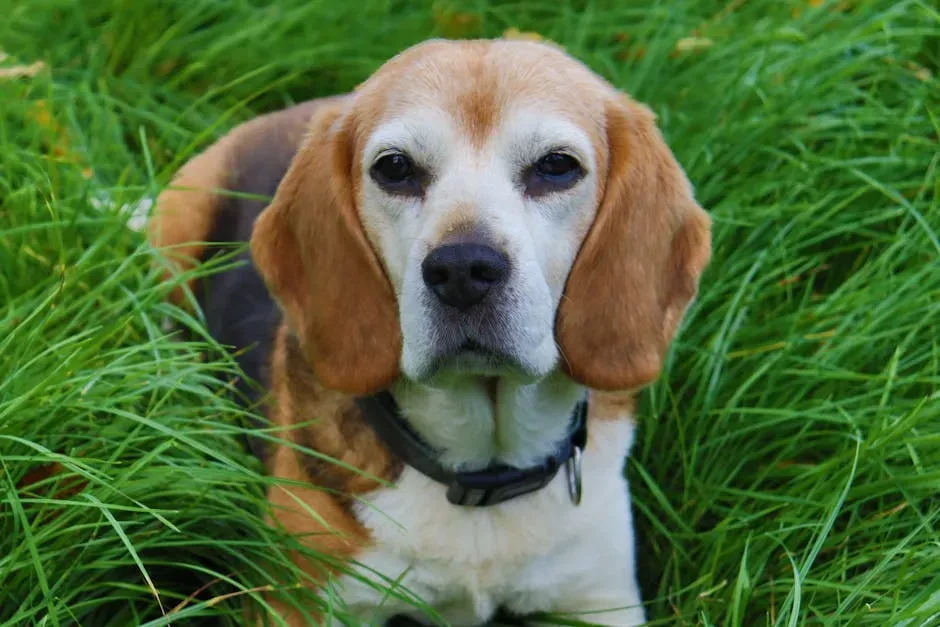
Beagles combine a friendly outlook with a manageable size that fits many living situations. Their curious nature often leads to enjoyable, low-pressure walks that encourage getting outside even on harder days. The breed’s pack-oriented history means they usually enjoy being part of a household and respond well to regular interaction.
Beagles tend to have moderate exercise requirements that can be adjusted as needed, making them flexible companions. Their expressive faces and vocal tendencies can bring moments of lightness to quiet homes. With proper training, they settle into predictable patterns that support a sense of stability.
Pug
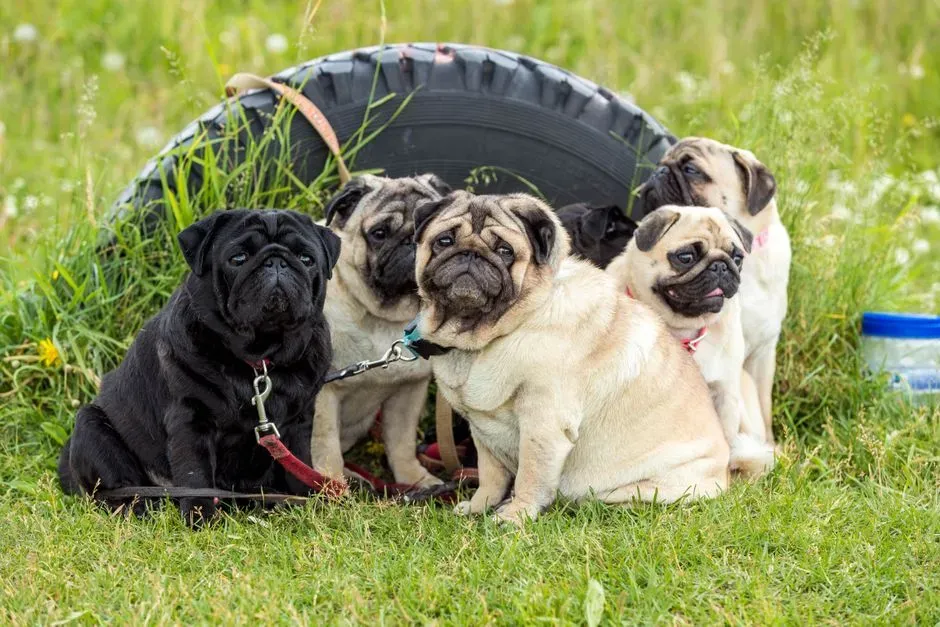
Pugs deliver a compact, low-energy profile that suits someone seeking steady companionship without high activity demands. Their affectionate and sometimes comical personalities often lighten the atmosphere in subtle ways. These dogs generally prefer staying close to their person, offering a constant, undemanding presence throughout the day.
The breed’s short coat means minimal grooming, which keeps care simple during times when motivation may run low. Pugs adapt well to indoor living and form strong attachments to their immediate family. Their even temperament helps create a calm environment that many find reassuring after significant loss.
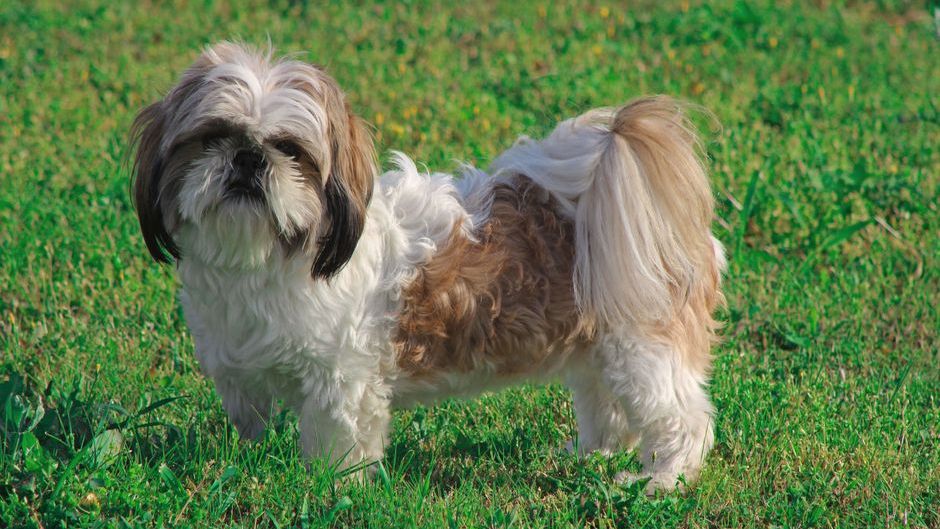
Shih Tzu
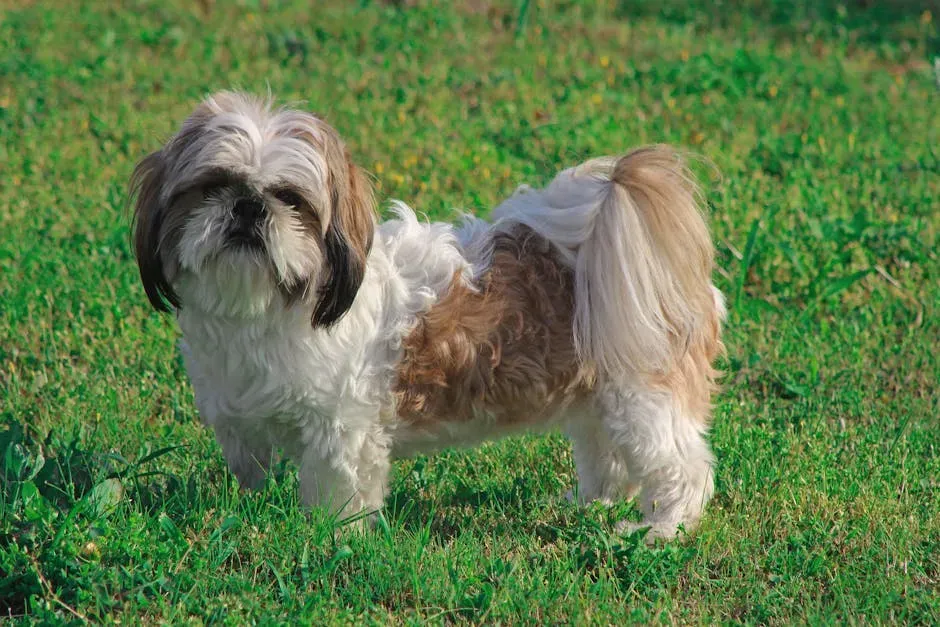
The Shih Tzu brings a lap-dog sensibility combined with a calm demeanor that fits quieter households. These small dogs often enjoy being near their person and show patience during slower days. Their long coat requires regular attention, yet that grooming can become a soothing, repetitive task that structures part of the day.
Shih Tzus generally have modest exercise needs, making them suitable for owners who prefer shorter outings or indoor play. The breed’s friendly nature extends to visitors as well, which can ease the transition back into light social contact. Their adaptable personalities help them settle into new routines with minimal disruption.
Yorkshire Terrier
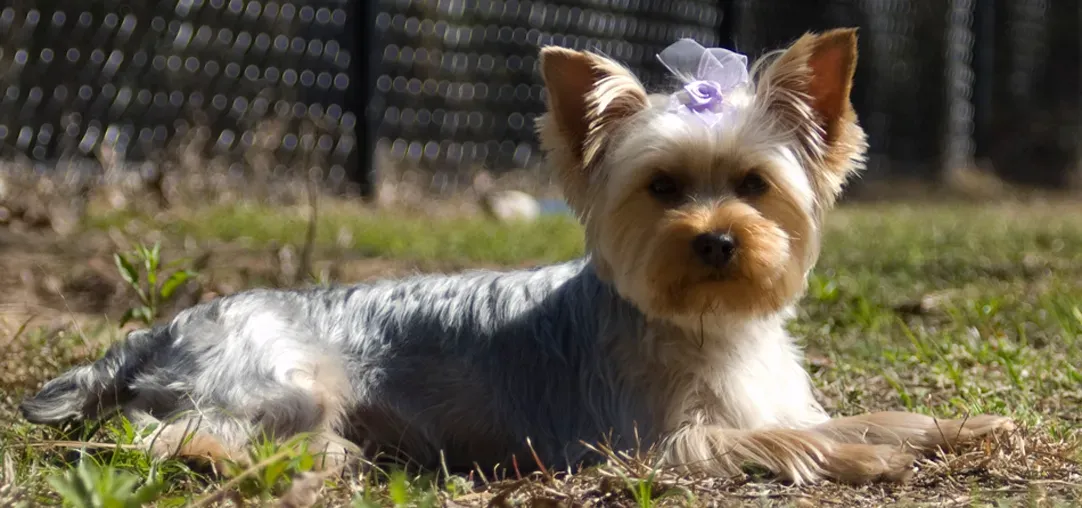
Yorkshire Terriers offer a small stature and spirited yet affectionate personality that many find engaging. These dogs often bond closely with their primary person and enjoy being carried or kept nearby during daily activities. Their size makes them practical for apartments or homes where space feels limited after a major life change.
Yorkies typically need only short walks and indoor play, aligning with varying energy levels. Their coat benefits from regular brushing, which can serve as a gentle, mindful activity. The breed’s alert yet loyal temperament provides both companionship and a subtle sense of security in the home.
Choosing one of these breeds is ultimately a personal decision that depends on lifestyle, living space, and the kind of daily rhythm that feels right. Each offers its own balance of affection, adaptability, and ease of care that can support the gradual process of moving forward. In the end, the right dog becomes less about filling a specific role and more about sharing the ordinary moments that slowly rebuild a sense of home.


