
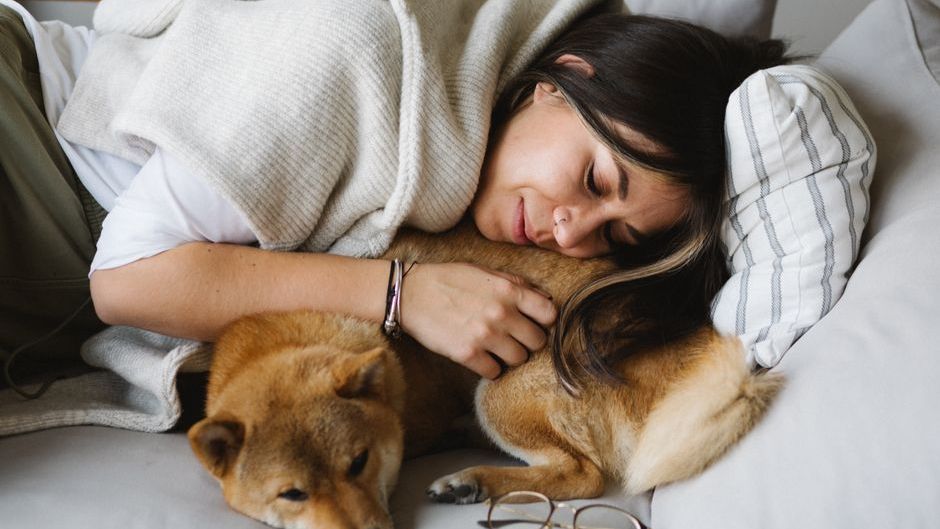
Watch your dog settle in for the night and you might notice something curious. Instead of curling up right beside you, they often choose a spot that lets them stare straight at the bedroom door or the hallway beyond. That quiet vigilance can feel a little distant at first, yet it speaks volumes about instincts that have traveled with dogs for thousands of years.
The behavior rarely has anything to do with rejecting closeness. It is more often a leftover strategy from a time when survival depended on spotting danger before it reached the pack. In today’s safe homes the same posture persists, turning an ordinary evening into a small window onto ancient wiring that still hums inside even the most pampered companion.
Evolutionary Echoes in Everyday Behavior
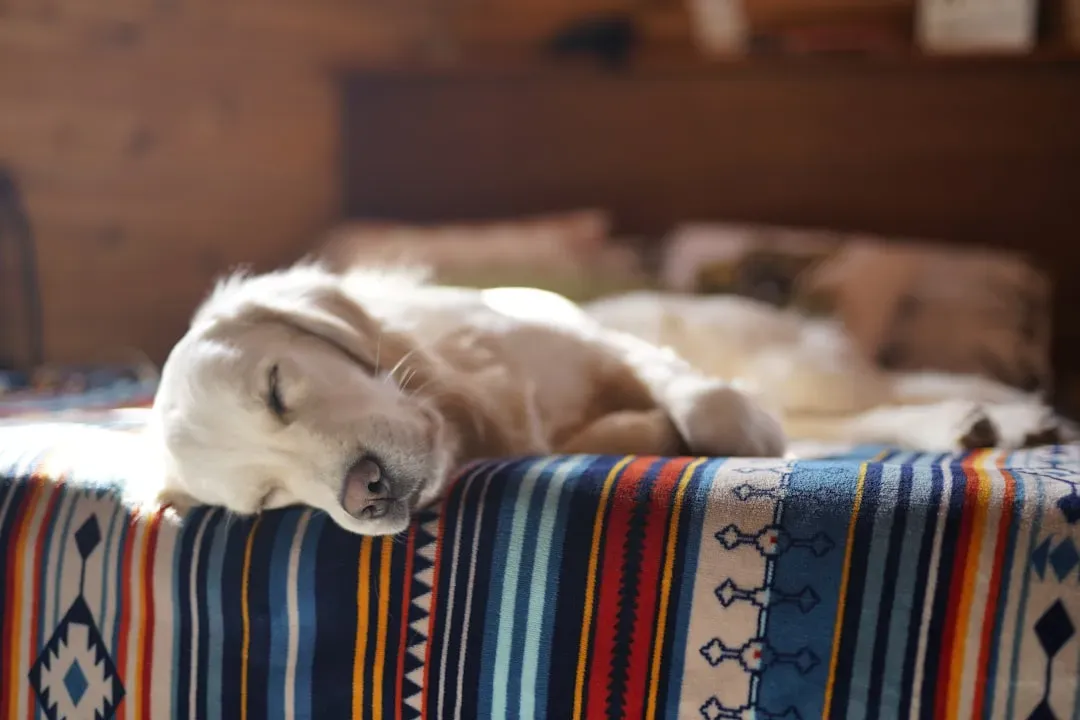
Dogs inherited many of their sleeping habits from wolf ancestors who lived in tight social groups. Those early canids rotated watch duties so someone always faced outward while others rested. The pattern helped the pack detect approaching threats in open terrain where predators roamed freely.
Modern dogs no longer face real wolves or large carnivores, yet the neural pathways that once triggered that outward focus remain intact. When your pet chooses the door over your side, they are essentially running an old program that once kept the group alive. The instinct does not require conscious thought. It simply activates in low light and quiet moments when the brain defaults to familiar safety routines.
The Protective Positioning Explained
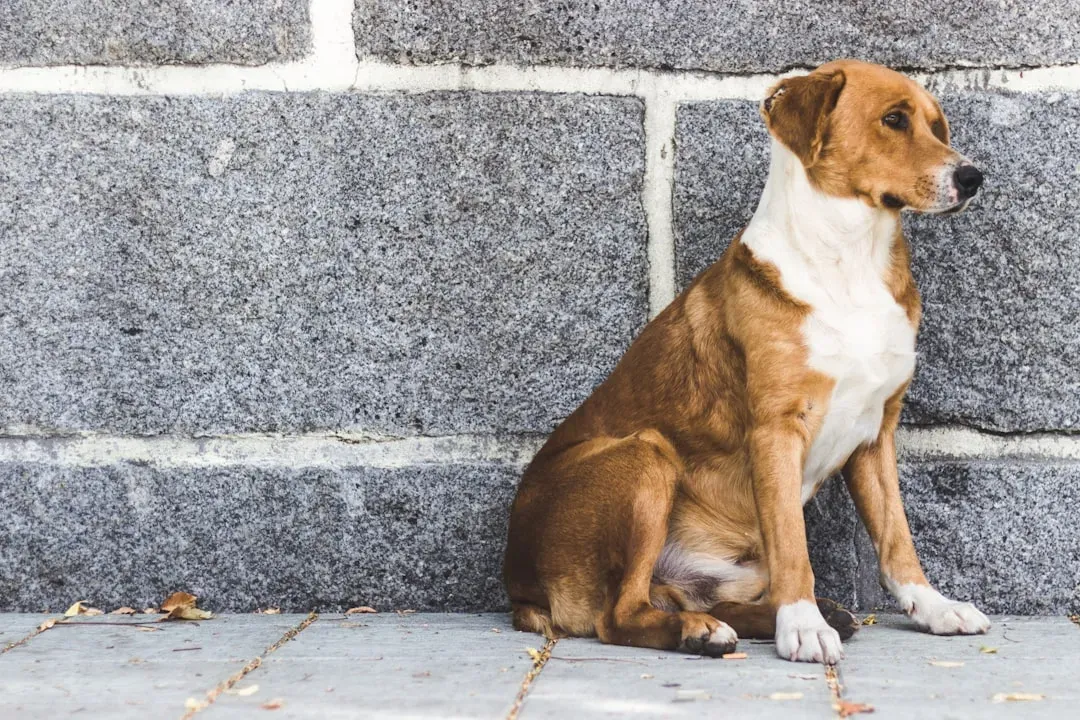
Facing the most likely entry point allows a dog to monitor sounds and movements with minimal effort. Their hearing and sense of smell work best when the head points toward potential disturbance. This orientation reduces reaction time if something unexpected occurs during the night.
Owners sometimes interpret the choice as aloofness, but the posture actually reflects a form of loyalty. The dog is placing itself between you and whatever might come through that doorway. In their mind the arrangement makes perfect sense even when the only thing on the other side is a quiet hallway or a closed kitchen.
Why the Door Holds Such Strong Appeal
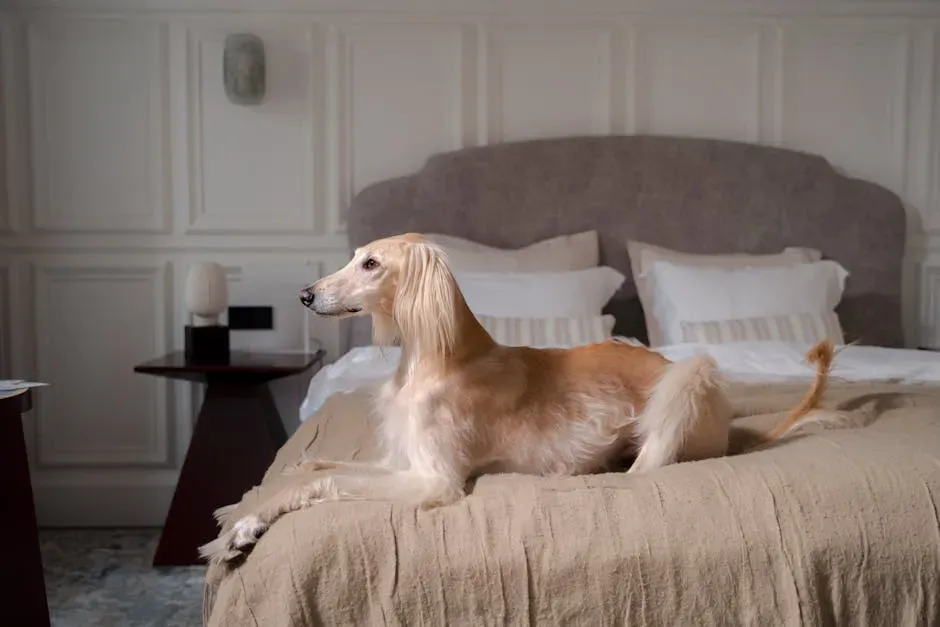
Doors represent the boundary between the protected inner space and the unknown outside world. Dogs quickly learn which thresholds matter most in a household. The bedroom door often ranks high because it leads to the area where the family sleeps and is therefore worth guarding.
Other factors can strengthen the preference. Drafts, light leaks, or familiar household noises may draw attention to that particular spot. Over time the location becomes associated with calm vigilance rather than active alarm. The dog settles there almost automatically once the lights go out.
Modern Homes and Ancient Wiring
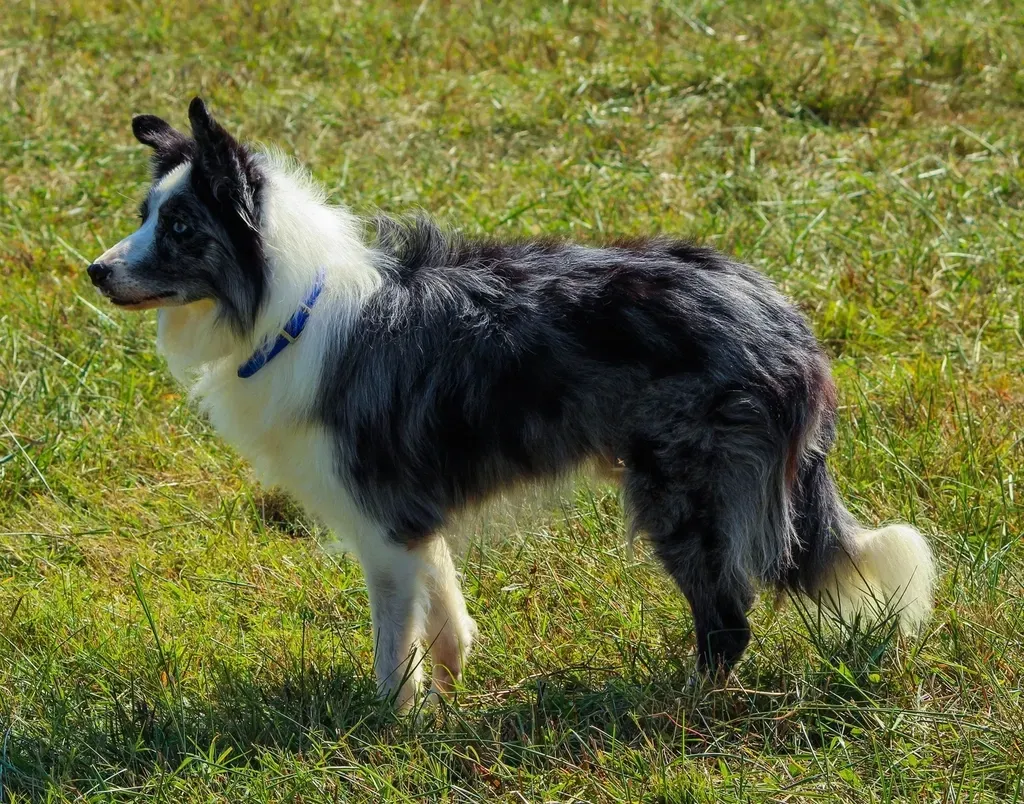
Today’s living spaces offer far more security than any den a wild canid ever knew. Locks, walls, and predictable routines remove most genuine threats. Still, the brain does not always update its software to match new conditions. The old alert system keeps running in the background.
This mismatch explains why even apartment dogs with no outdoor access continue the habit. Their bodies respond to the same environmental cues their ancestors used. A creak in the floor or a shadow across the doorway can activate the posture without any real danger present. The behavior persists because it once conferred an advantage and has not yet been fully overwritten by domestic life.
Individual Differences Among Dogs
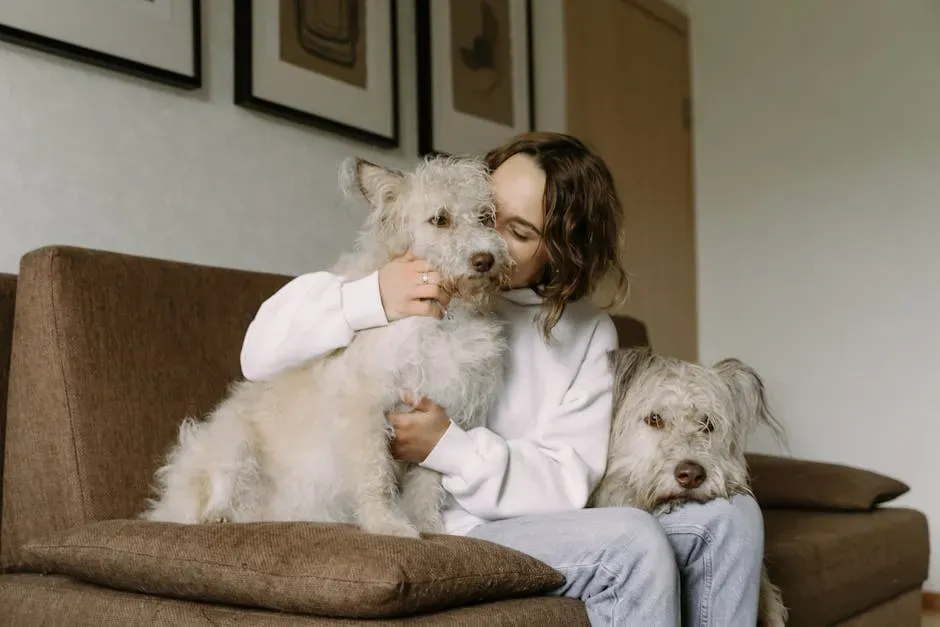
Not every dog displays the same intensity of door facing. Breed tendencies play a role, with guardian types often showing stronger outward focus than lap breeds. Age and past experiences also shape the pattern. A rescue with an uncertain history may guard more persistently than a puppy raised in a calm home.
Personality matters too. Some dogs feel secure enough to relax fully beside their people, while others maintain a low level of watchfulness regardless of circumstances. These variations remind us that each animal brings its own blend of genetics and life story to the nightly routine. Observing your own dog over several weeks reveals whether the door preference is consistent or situational.
Reading the Signals Without Overthinking
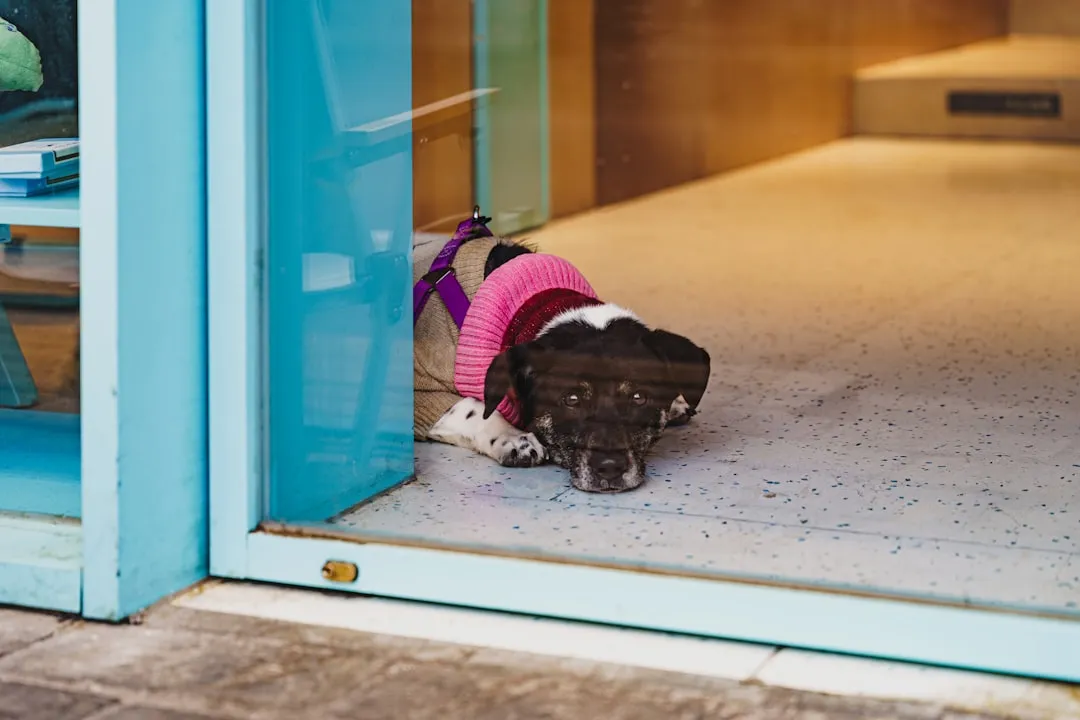
Context helps separate protective positioning from simple preference. A dog that faces the door yet remains relaxed, with loose muscles and steady breathing, is likely following instinct rather than feeling stressed. Stiff posture, frequent shifting, or whining tell a different story and may warrant closer attention.
Most of the time the choice reflects quiet dedication rather than worry. Owners who recognize the pattern often feel a quiet appreciation for the loyalty it represents. Small adjustments like providing a comfortable bed near the door can honor the instinct while still keeping the dog close enough for easy interaction before sleep.
Honoring an Instinct That Outlasts Its Original Purpose
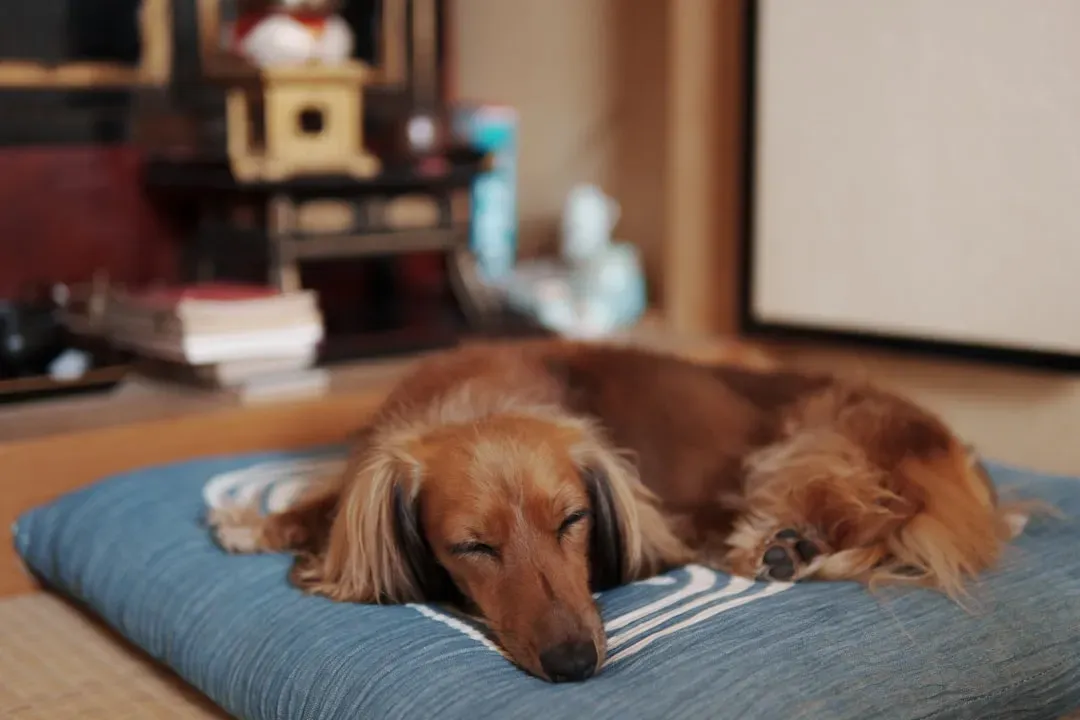
The door facing habit offers a gentle reminder that dogs carry history in their bodies. Their loyalty sometimes shows up in ways that look like distance but actually stem from deep protective drives. Accepting the behavior as part of who they are can deepen the bond rather than create frustration.
In a world where real predators have disappeared for most household dogs, the posture becomes a quiet tribute to resilience. It costs little to let them keep the watch they feel is necessary. The simple act of understanding turns an ordinary sleeping arrangement into a shared story that stretches back through generations of partnership between people and their dogs.


