
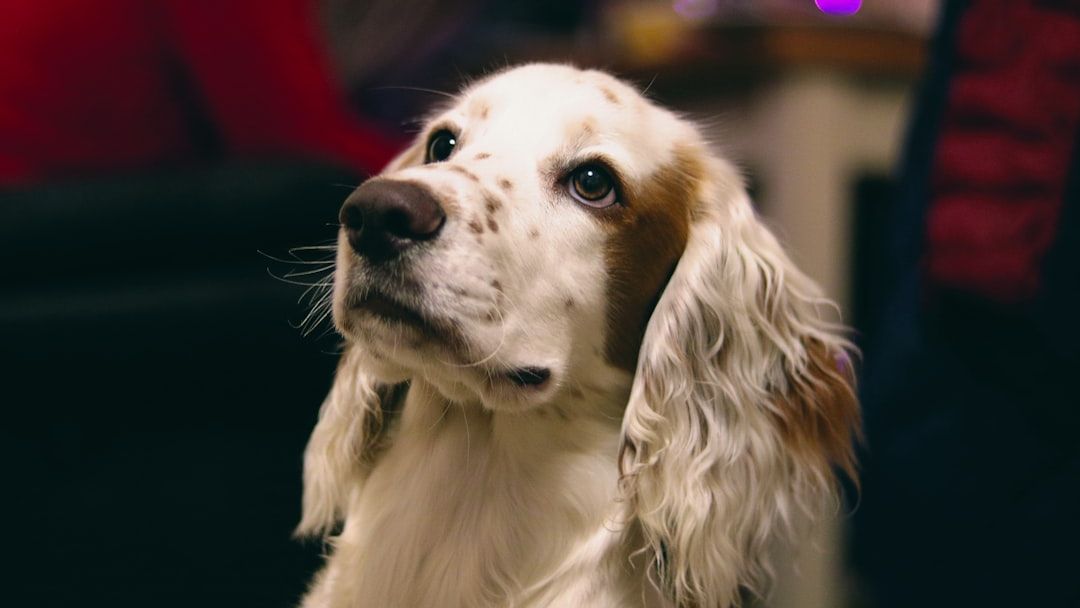
You walk through the door after a long day and pause, waiting for the familiar rush of paws and tail wags that usually greet you. Instead there is only quiet, and that absence lingers in a way that feels heavier than simple tiredness on your dog’s part.
The shift can stir a quiet curiosity about what else might be unfolding beneath the surface of daily life.
The Keen Senses of Our Canine Companions
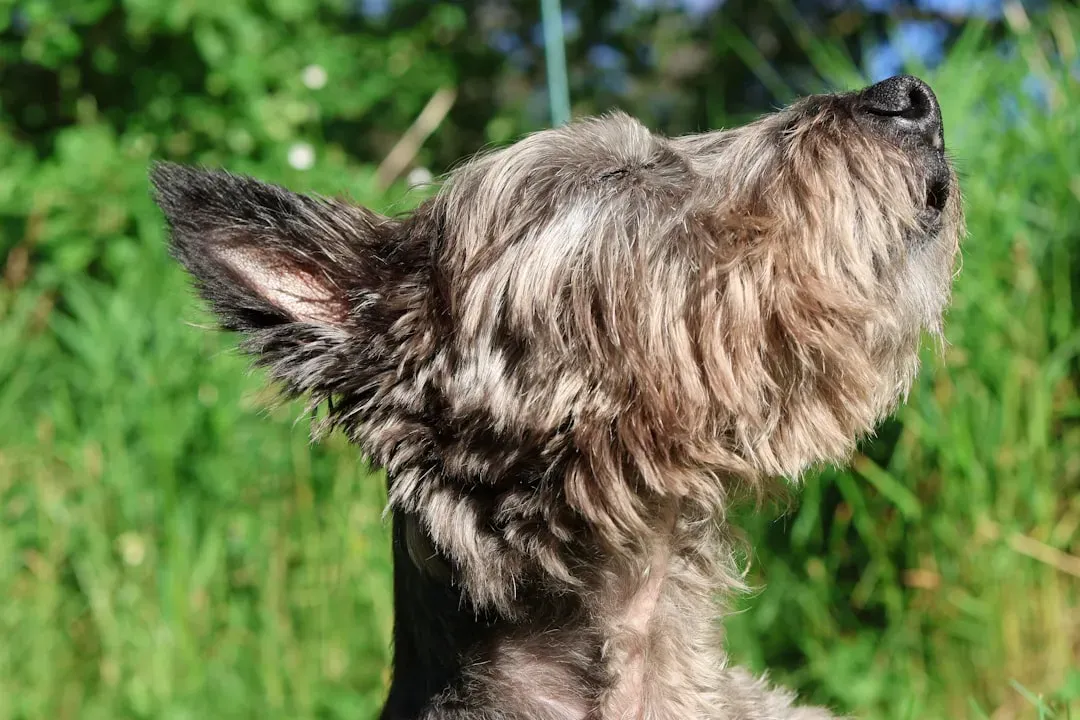
Dogs rely on an extraordinary combination of smell, sight, and hearing that lets them register details humans often miss. Their noses detect subtle shifts in body chemistry tied to stress or mood, while their eyes track micro expressions and posture changes with surprising accuracy. Over time these abilities turn them into quiet observers of the people they live with.
Research into canine perception shows they process emotional cues faster than many realize. A dog that once bounded forward may now linger because it has registered something different in the air or in the way you move. This sensitivity builds from years of close living rather than any single dramatic event.
How Dogs Pick Up on Human Emotions
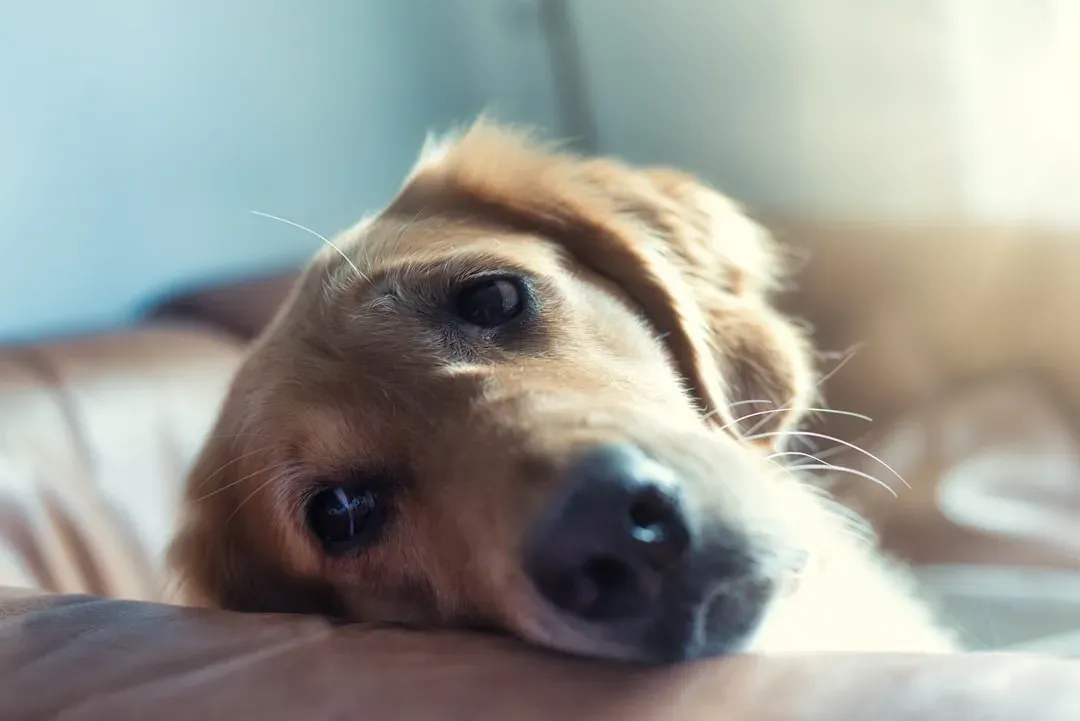
Emotional signals travel between species through scent molecules released during stress or low mood. Dogs learn to associate those changes with particular behaviors they have seen before. The result is a form of emotional reading that feels almost instinctive to the animal.
Body language plays an equally large role. A slight slump in shoulders or a slower step can register as clearly as spoken words. Dogs integrate these clues over repeated interactions, creating a running sense of how their person is doing on any given day.
The Shift in Greeting Behavior Explained
When the usual welcome disappears, it often points to a recent alteration in routine or atmosphere at home. The dog may be responding to tension that has not yet been voiced out loud. This pause in enthusiasm serves as an early indicator rather than a sudden rejection.
Owners sometimes notice the change after periods of increased work pressure or personal worry. The dog continues to watch and wait, adjusting its own actions to match the new emotional temperature. Such adjustments reflect the animal’s attempt to stay in sync with its surroundings.
What Your Dog Might Be Sensing
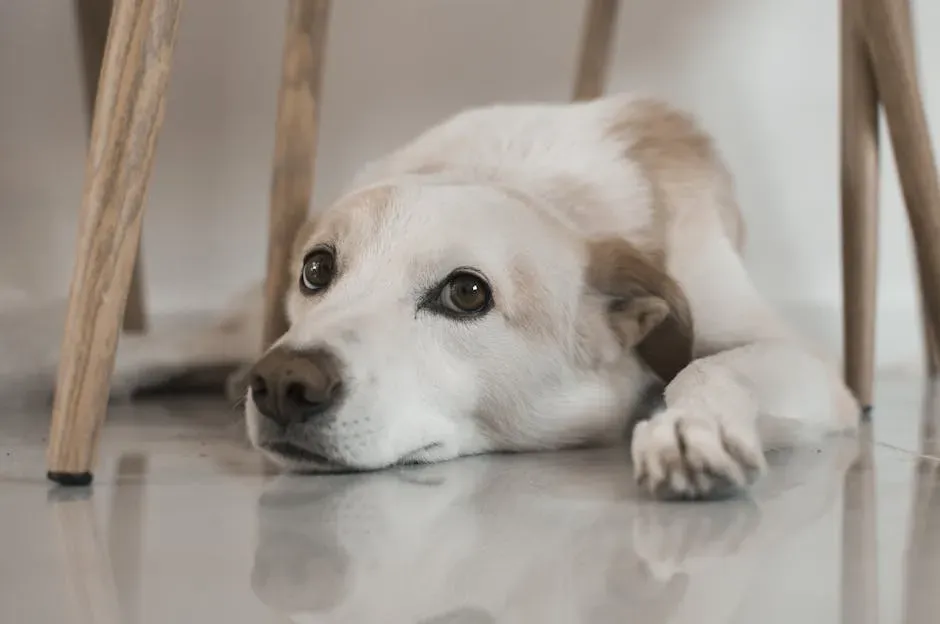
Hidden stress can leak through in ways that affect scent and movement patterns. A dog may pick up on elevated cortisol levels or changes in breathing rhythm without any dramatic display. These cues accumulate until the animal decides the usual greeting no longer fits the moment.
Familiar routines provide comfort, so any disruption in emotional steadiness can prompt a more cautious approach. The dog is not judging the situation. It is simply reacting to information it receives through its primary senses.
Hidden Emotional Changes and Their Impact

People often keep difficult feelings private, yet those feelings still shape daily interactions at home. A dog that stops rushing forward may be mirroring an unease it cannot name. The behavior invites a closer look at what might be going on beneath the surface.
Over weeks or months this pattern can become a reliable signal. It does not replace conversation with friends or professionals, but it adds another layer of awareness. Many owners find the observation useful once they begin to connect the dots.
Responding to Your Dog’s Signals
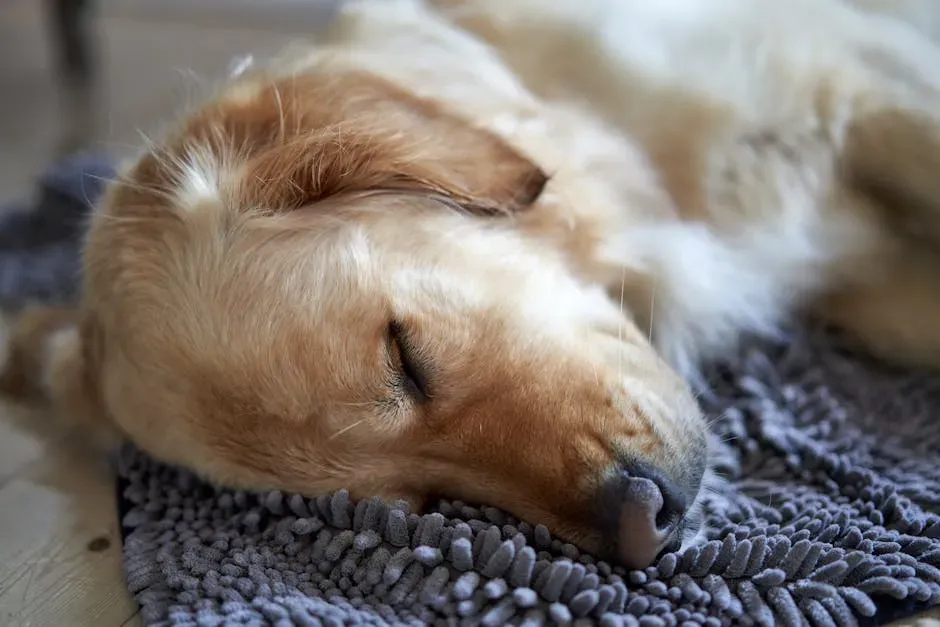
Small adjustments in daily habits can help restore a sense of calm that the dog recognizes. Spending quiet time together without pressure allows both sides to reset. Paying attention to the dog’s response offers feedback on whether the effort is helping.
Consistency matters more than grand gestures. Regular walks, steady feeding times, and gentle physical contact rebuild the trust that supports enthusiastic greetings. The process unfolds gradually rather than overnight.
Reflecting on the Bond We Share
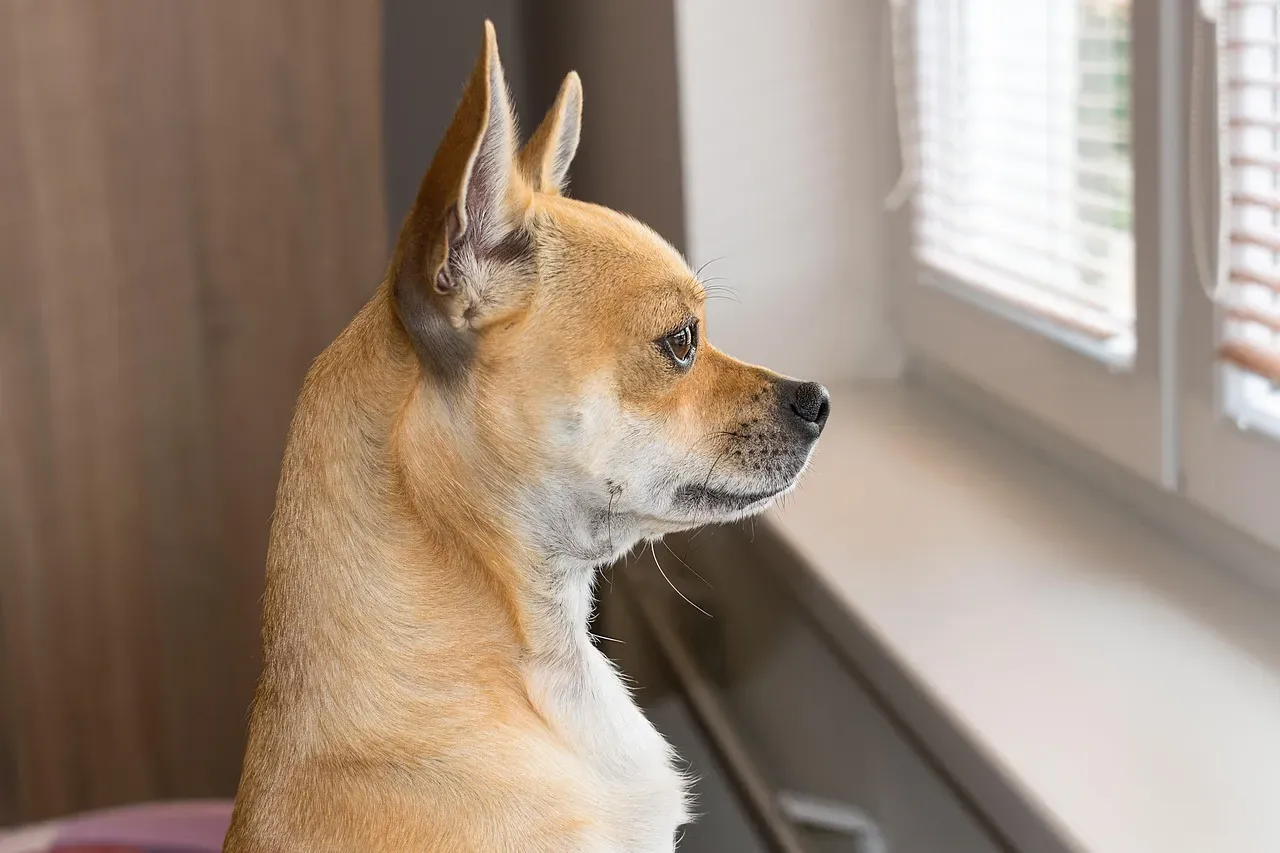
Dogs offer a mirror that reflects emotional states we might prefer to keep private. Their reactions remind us that closeness brings both comfort and accountability. Noticing when the welcome changes can become an invitation to check in with ourselves.
In the end the relationship benefits when both sides feel seen. A dog that pauses at the door is not withholding affection. It is simply waiting for the person it knows to return to a steadier place. That quiet patience speaks volumes about the depth of the connection.


