
Dogs Retain Acute Hearing Abilities
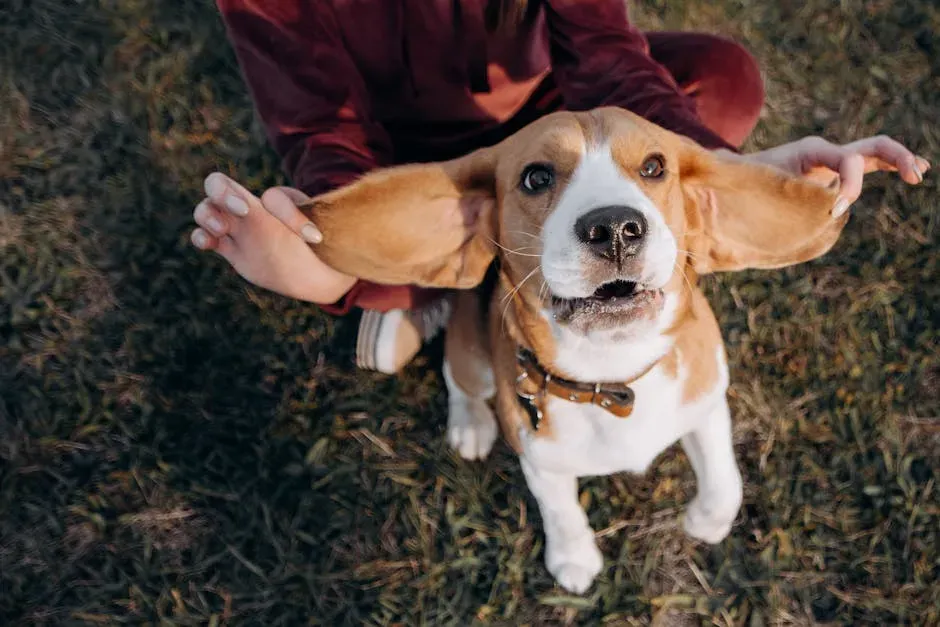
Dogs detect sounds at frequencies far beyond the range most people can perceive. Their ears pick up subtle shifts in plumbing, faint movements of small creatures, or even distant vibrations that escape human notice entirely.
This heightened auditory range stems from evolutionary traits that humans gradually shed as priorities shifted toward other senses and tools. A quiet room to one person might pulse with activity for a dog tuned to those higher pitches.
The Unmatched Sensitivity of Canine Smell
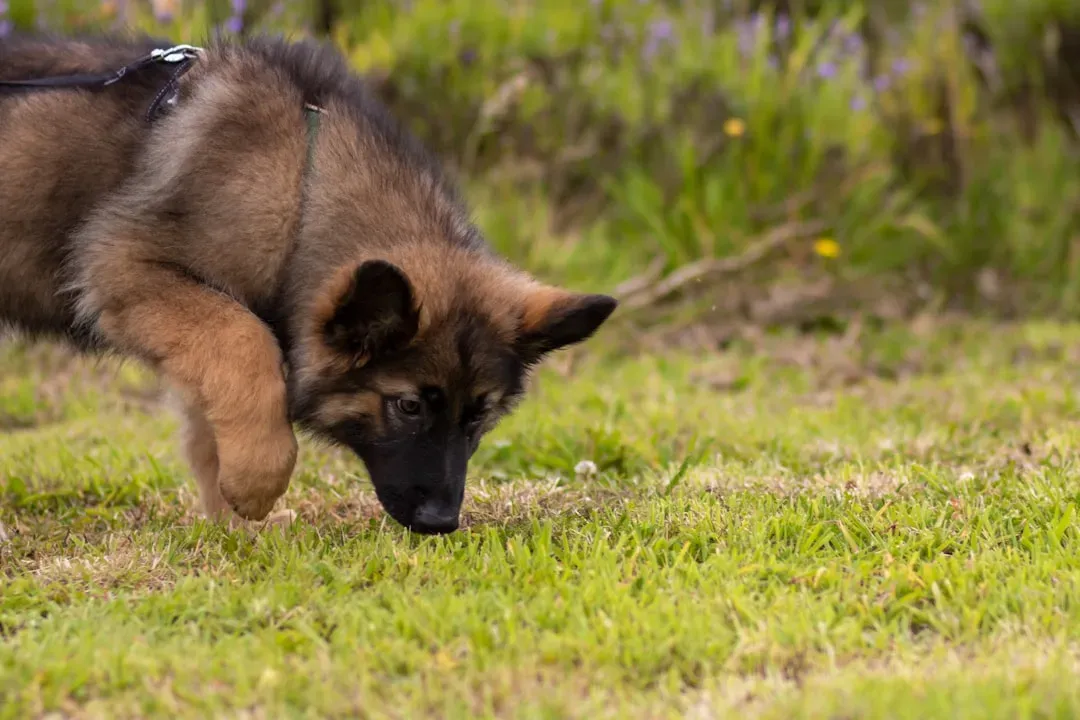
A dog’s nose contains vastly more scent receptors than a human’s, allowing it to trace odors through walls or across rooms with precision. What registers as nothing to us can form a rich trail of information for them.
Over time, human reliance on vision and technology reduced the need for such olfactory detail in daily life. Dogs continue to navigate their surroundings through layers of scent that persist long after the source has moved on.
Everyday Environmental Cues Behind the Behavior
Insects crawling inside walls or rodents in hidden spaces often draw a dog’s focused attention. These tiny disturbances create sounds or smells that align perfectly with canine sensory strengths.
Shifts in temperature, air currents, or even electrical hums from appliances can also register as noteworthy events. Owners sometimes overlook these background elements because they fall outside typical human awareness.
Distinguishing Normal Curiosity from Health Signals
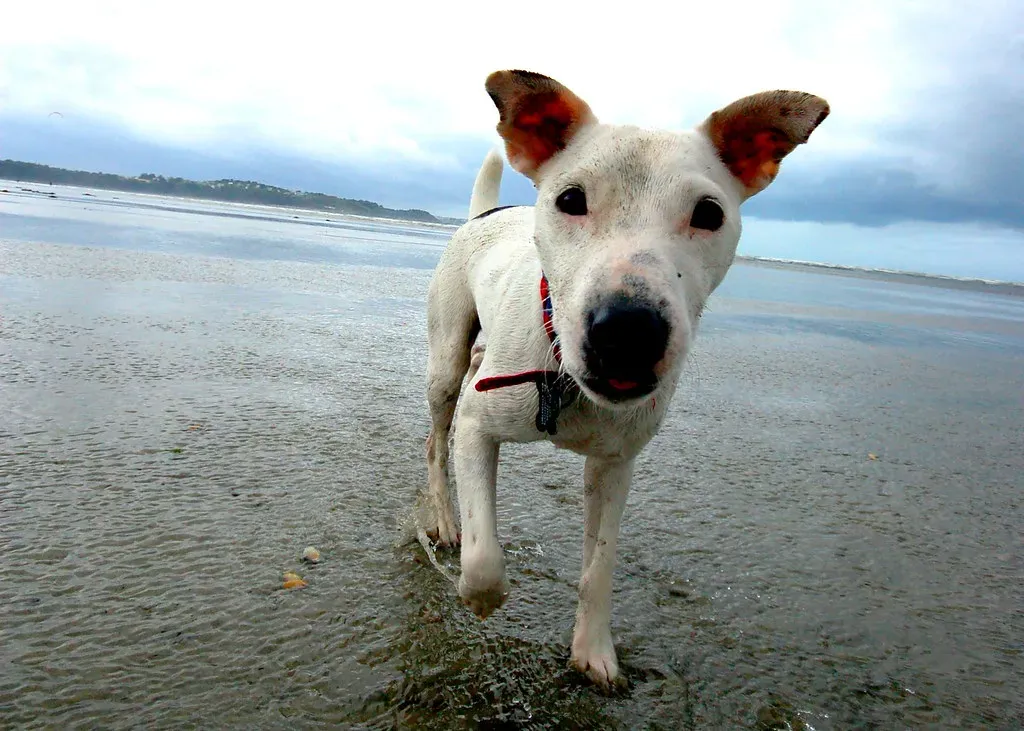
Occasional staring at a wall can reflect simple sensory exploration in an otherwise healthy dog. Brief episodes usually pass without concern when the pet remains alert and responsive otherwise.
Persistent or sudden changes in this pattern warrant closer attention, especially in senior dogs where cognitive shifts become more common. Tracking the timing and duration helps clarify whether the behavior fits a normal pattern or signals something else.
Age Related Changes in Canine Cognition
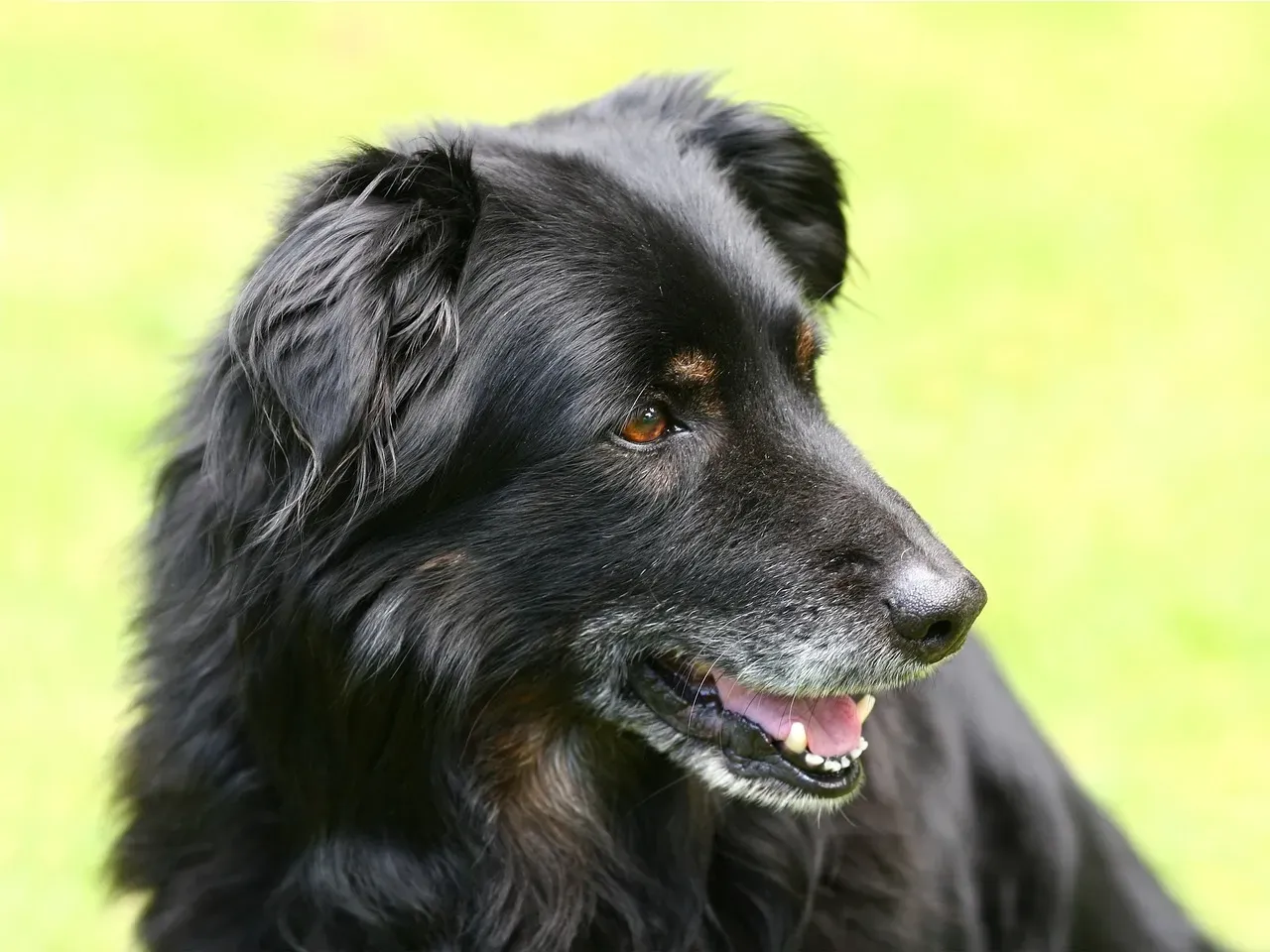
Older dogs sometimes develop disorientation similar to human aging processes, leading them to pause and stare as they process their surroundings. This occurs more frequently as pets enter their later years.
Veterinary guidance can identify supportive steps, from environmental adjustments to targeted care routines. Many dogs maintain quality of life with thoughtful management of these natural transitions.
Behavioral Patterns and Owner Responses
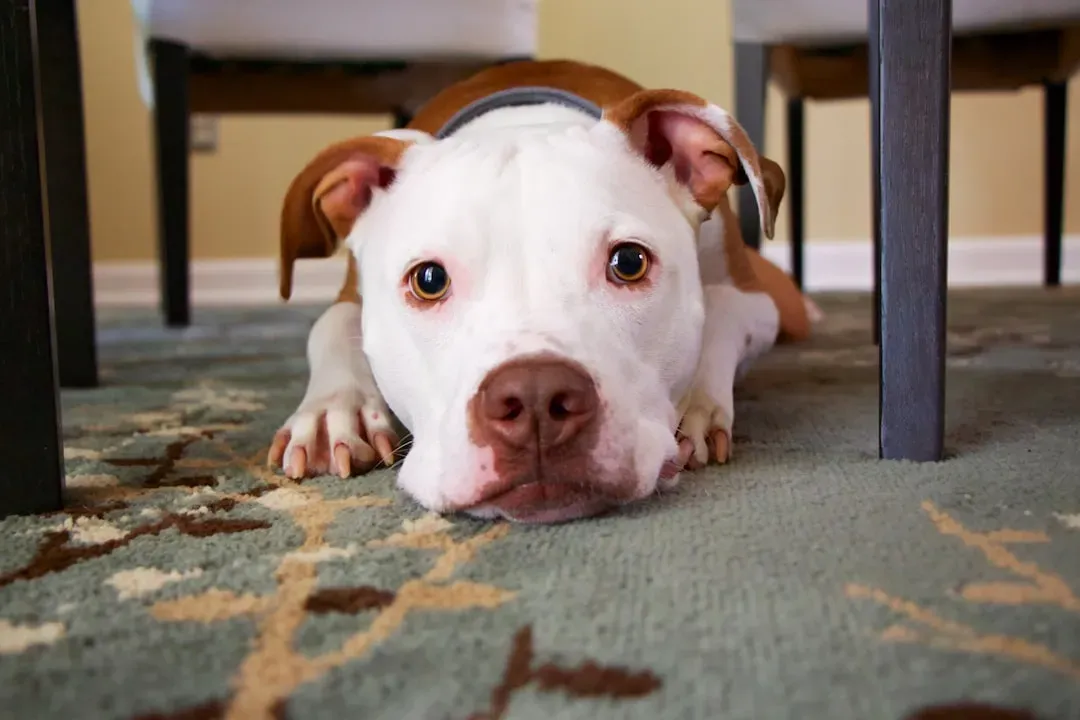
Some dogs repeat the staring as a learned habit that brings attention or comfort in familiar spots. Gentle redirection or increased interaction often reduces the frequency without confrontation.
Consistent observation reveals whether the action ties to specific times of day or locations in the home. This information supports better understanding between pet and owner over time.
Appreciating Shared Sensory Worlds

Living with dogs highlights how different species experience the same spaces in unique ways. Their reactions remind people of sensory dimensions that once played larger roles in human survival.
Paying attention to these moments fosters deeper respect for the animal’s perspective. It also encourages owners to create environments that accommodate both human and canine needs comfortably.
The idea that dogs access perceptions humans once held more strongly invites quiet reflection on what daily life might feel like with those layers restored. In the end, their wall gazing serves as a gentle reminder to notice the small, unseen details that shape the world around us.


