
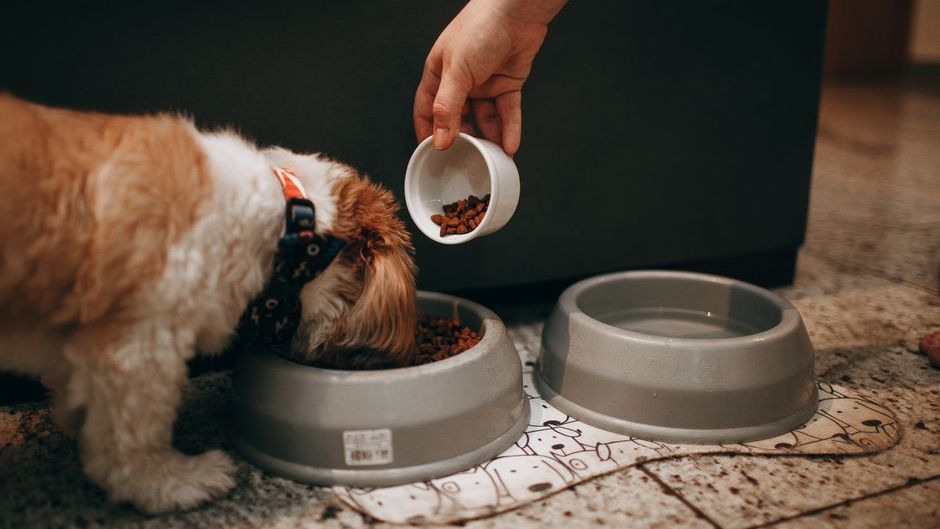
What This Eating Habit Really Means
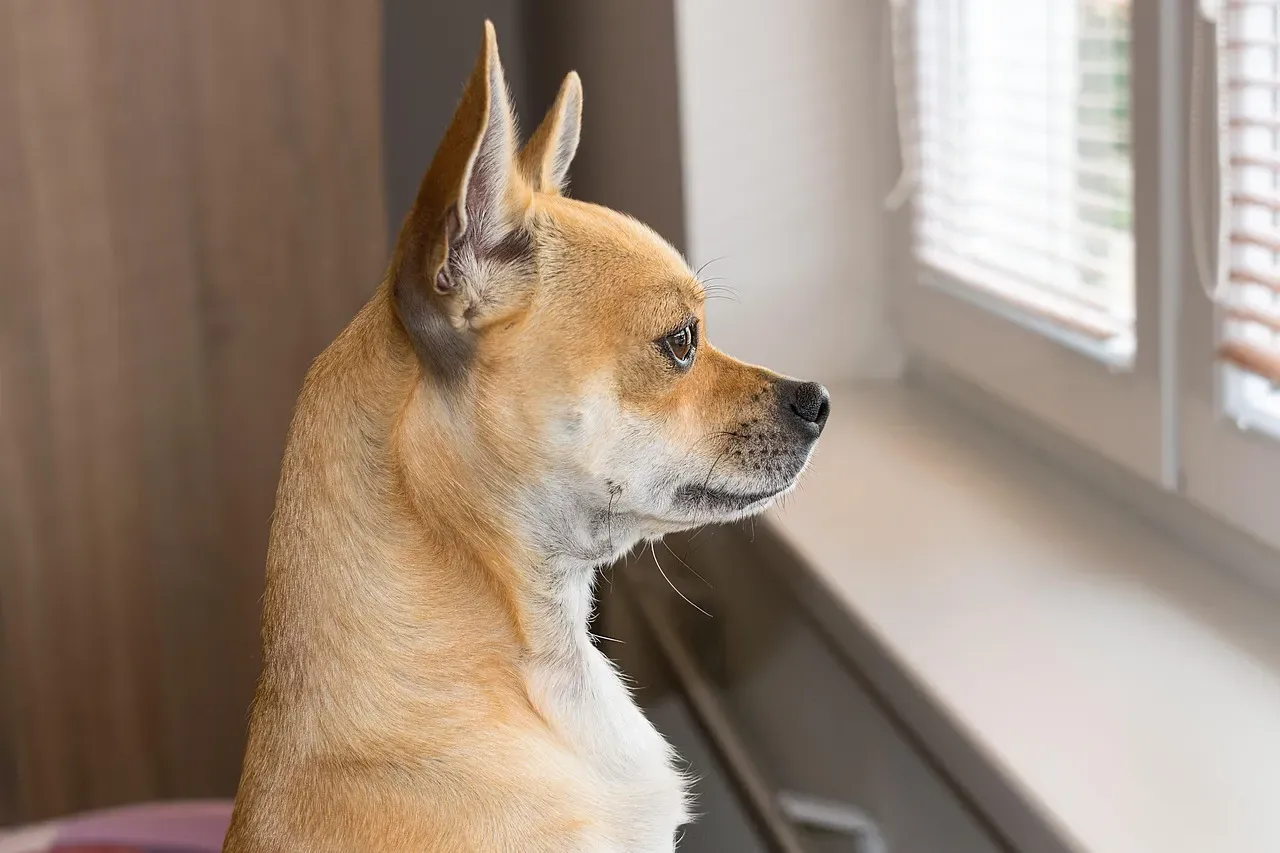
Dogs are social animals that form strong attachments to their people. When a dog holds off on eating until an owner is present, it frequently signals a need for that familiar presence to feel secure enough to relax. This behavior stands out most in homes where the dog has limited experience being alone with food available.
Veterinary behaviorists observe that the hesitation rarely stems from pickiness alone. Instead, it reflects an underlying discomfort with solitude during what should be a routine activity. Watching the dog closely reveals subtle signs like pacing or glancing toward the door before settling in to eat.
The Role of Anxiety in Mealtime
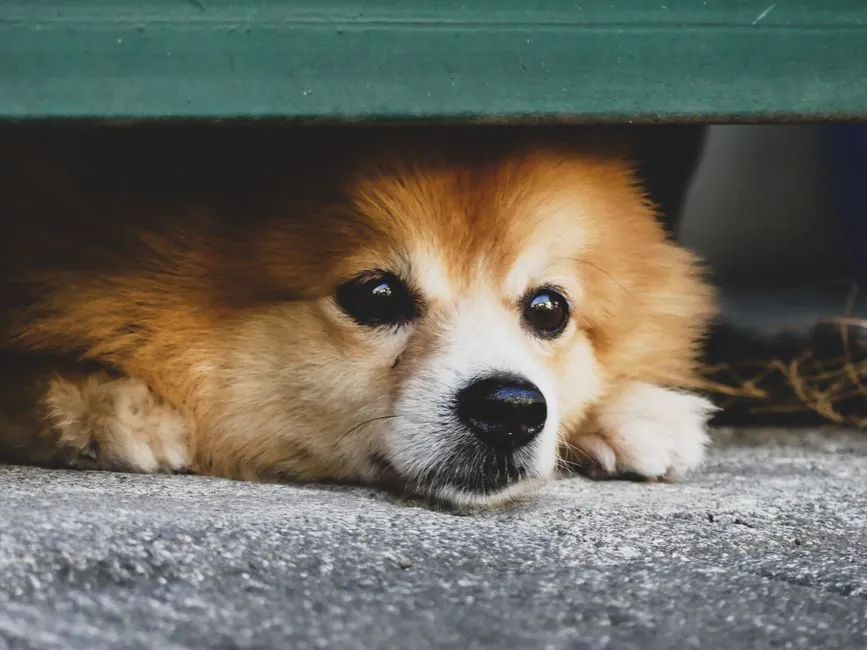
Separation related stress often disrupts normal routines, including appetite. A dog might associate mealtime with the risk of being left behind, leading to a complete shutdown until the owner returns or stays close. This response mirrors how some dogs react to other triggers like loud noises or changes in the household.
Over weeks or months, the pattern can strengthen if the dog learns that waiting brings the desired company. Behaviorists note that mild cases improve with gradual desensitization, while stronger anxiety requires more structured support. Video monitoring during absences helps confirm whether stress is the main driver.
How Rescue Histories Can Shape Behavior
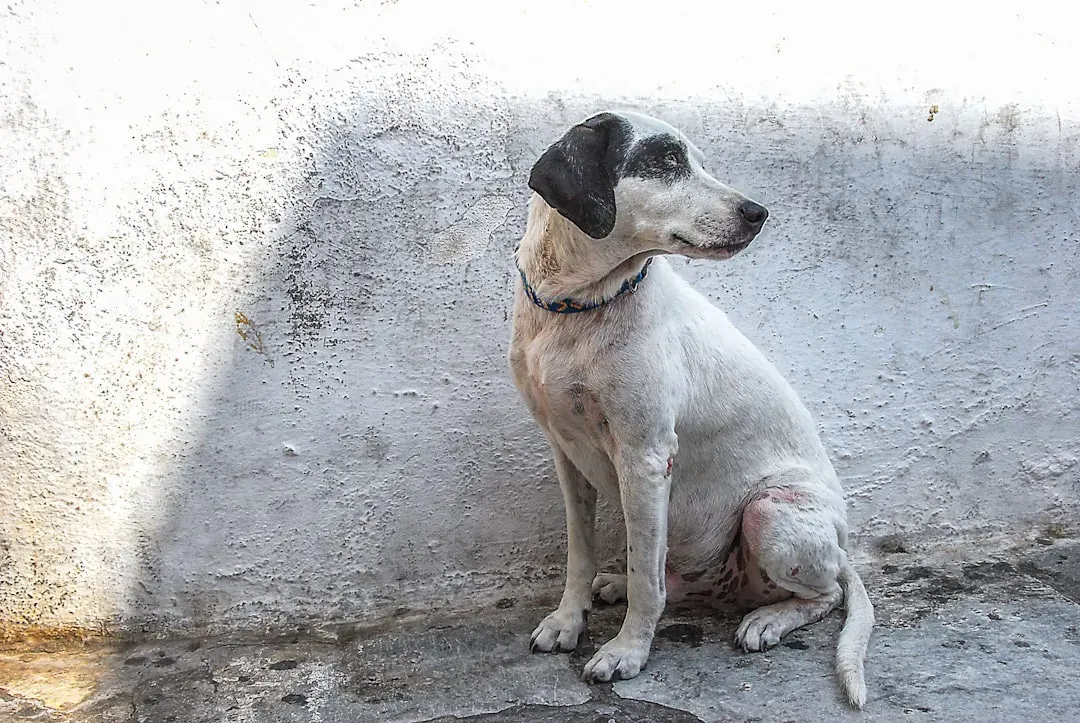
Many dogs with this trait come from backgrounds involving inconsistent care or sudden changes in environment. Time spent in shelters or unstable homes can leave lasting impressions that food might disappear or that safety depends on staying alert to human movement. These early challenges create a cautious approach to independent activities like eating.
Even dogs adopted as puppies sometimes develop the habit after a single stressful event, such as a long car ride or temporary boarding. The heart of the issue lies in learned associations rather than any deliberate choice. Patience from new owners helps rewrite those early lessons over time.
Other Factors That Might Be at Play
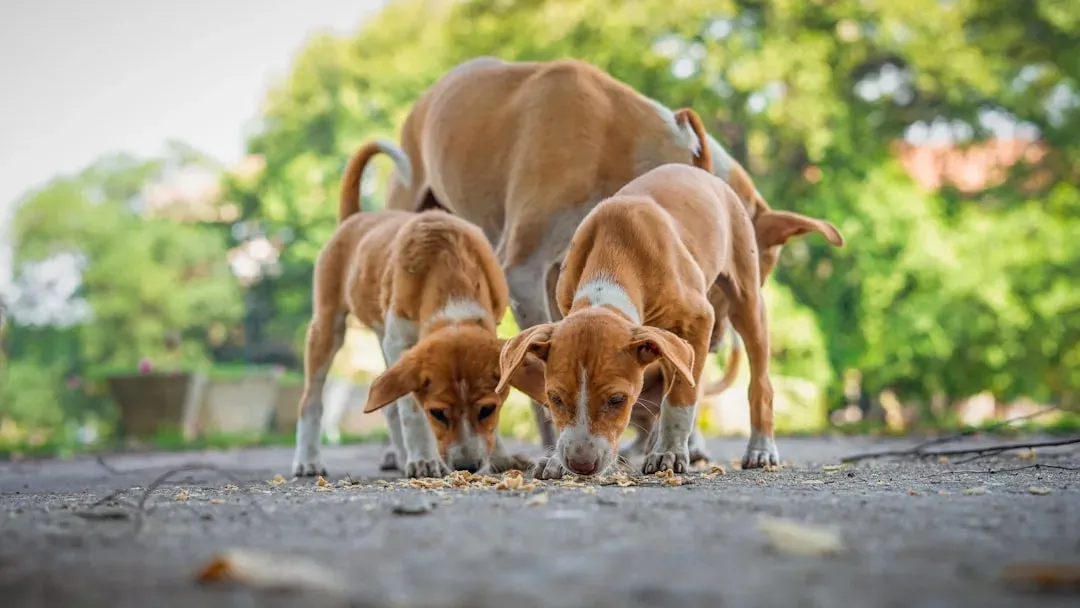
Medical checks remain essential because dental pain or digestive upset can make eating feel unpleasant without company. Once health issues are ruled out, attention turns to environmental cues like bowl type or feeding location. Some dogs simply prefer company during any focused task, similar to how people enjoy shared meals.
Age and breed tendencies also influence the behavior, with certain working breeds showing stronger attachment patterns. Changes in daily schedule, such as a new work routine, can suddenly highlight an existing sensitivity. Tracking when the habit began often uncovers the trigger.
Practical Steps to Encourage Independent Eating
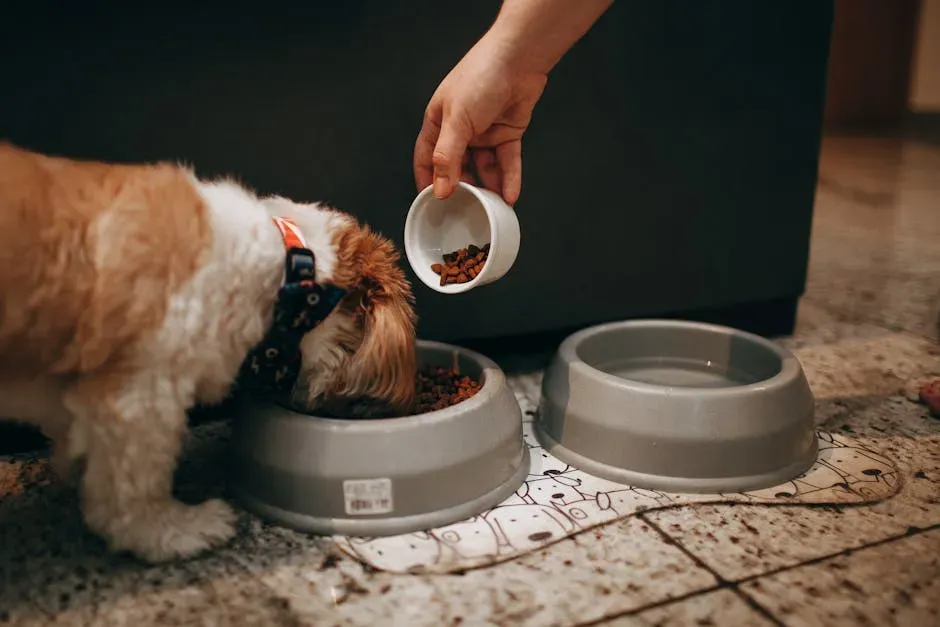
Start by feeding in short sessions while gradually increasing distance from the bowl. Offering meals in puzzle toys or scattered around a safe room can shift focus toward the food itself. Consistent timing helps the dog anticipate meals without needing constant supervision.
Adding calming elements like soft music or a familiar blanket nearby creates a more reassuring setting. Owners who succeed often combine these adjustments with plenty of positive reinforcement when the dog eats on its own. Small wins build momentum without overwhelming the animal.
Building Confidence Through Routine Changes
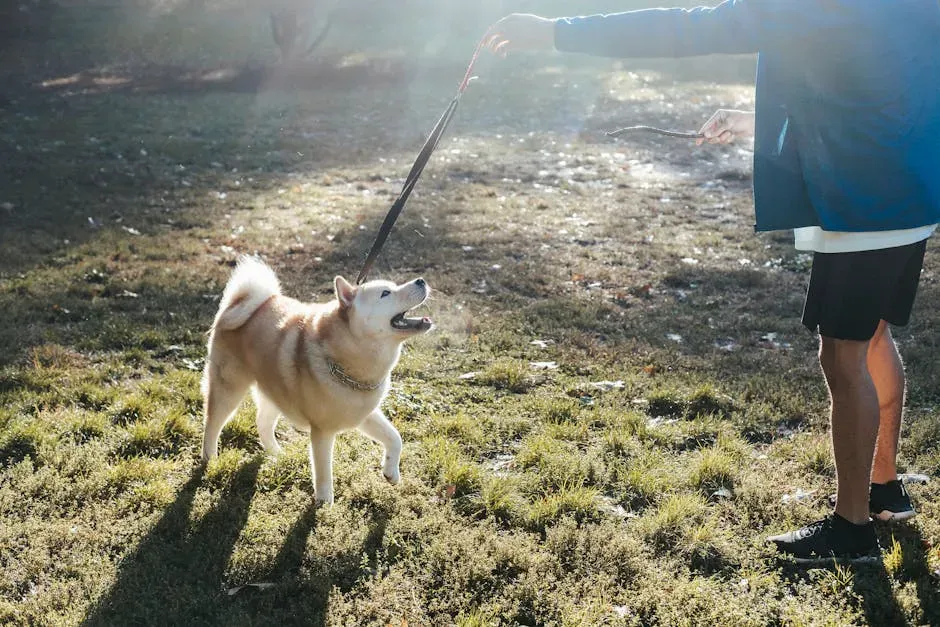
Short practice departures after placing the food down teach the dog that alone time does not equal danger. Pairing these moments with high value treats left behind reinforces that good things happen independently. Over repeated trials, many dogs begin sampling their meal sooner.
Professional guidance from a certified trainer experienced in anxiety cases speeds progress and prevents setbacks. Daily enrichment activities outside of mealtime also reduce overall stress levels. The goal centers on expanding the dog’s comfort zone at a pace that feels manageable.
Reflecting on the Deeper Connection
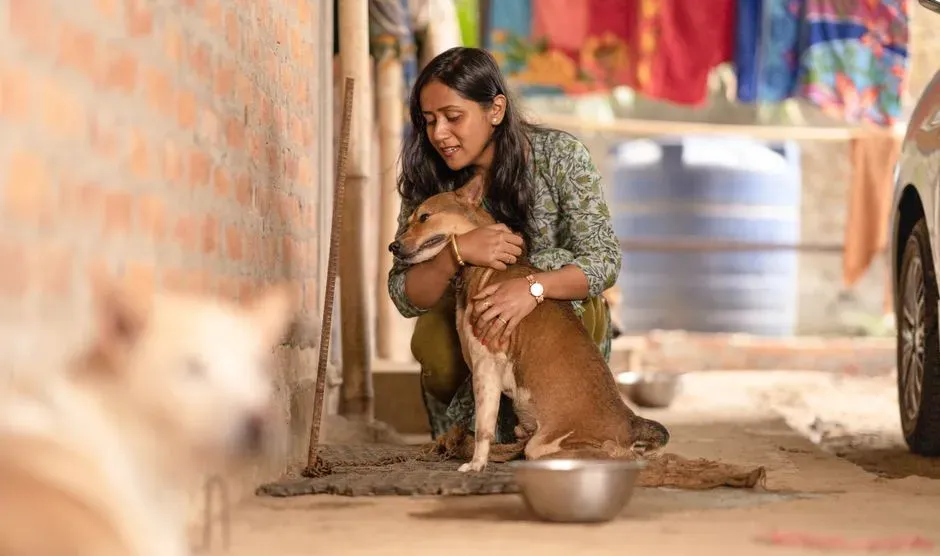
These dogs remind us that trust takes time to rebuild after difficult starts. Their reluctance carries a quiet message about vulnerability rather than stubbornness. Owners who respond with steady presence often witness a gradual shift toward greater independence.
In the end, the behavior highlights how much these animals rely on their human bonds for a sense of safety. Meeting that need with understanding strengthens the relationship in lasting ways. Every small step forward becomes a shared victory worth celebrating.


